





360+ 5-Star Google Reviews
Structural Repairs Flagstaff, Arizona
High-altitude structural solutions for Flagstaff's mountain communities.
Mountain Construction Specialists for Flagstaff Properties
Structural repairs in Flagstaff demand specialized knowledge of high-altitude construction challenges and extreme weather conditions. At 7,000 feet elevation, properties face unique stresses from heavy snow loads, freeze-thaw cycles, and expansive volcanic soils that require expert intervention. Our certified team addresses foundation issues, load-bearing concerns, and weather-related structural damage throughout Flagstaff's diverse neighborhoods.
From historic downtown buildings to modern developments in Forest Highlands and Kachina Village, we provide comprehensive structural solutions tailored to mountain living. Our experience spans timber-frame construction, concrete foundations on volcanic soil, and multi-story structures designed for significant snow loads. We understand the critical importance of maintaining structural integrity in Flagstaff's harsh climate conditions.


Structural Repairs for Flagstaff's High-Altitude Building Conditions
Flagstaff's construction landscape is shaped by extreme elevation, volcanic soil composition, and severe winter weather patterns. Properties must withstand snow loads exceeding 40 pounds per square foot, temperature swings from -20°F to 85°F, and the unique challenges of building on basalt bedrock and cinder deposits. The city's building codes reflect these demanding conditions, requiring specialized foundation systems and structural reinforcement.
The area's mix of historic properties near NAU campus, established neighborhoods like University Heights and Cheshire, and newer developments such as Pulliam Airport area present varied structural challenges. Many condominiums and apartment complexes built in the 1970s-1990s require foundation repairs due to settling on volcanic soils. HOA communities throughout Flagstaff face ongoing structural maintenance needs driven by the region's punishing freeze-thaw cycles that can cause significant foundation movement and concrete deterioration.
What Flagstaff's Elevation and Soil Do to Building Structures
Heavy snow load structural stress
Freeze-thaw foundation movement
Volcanic soil settlement issues
What Flagstaff Property Owners Gain From Our Structural Repair Approach
High-altitude construction expertise
Freeze-thaw damage specialists
Volcanic soil foundation knowledge
Extensive Flagstaff mountain climate experience
Licensed for extreme weather structural work
Local volcanic soil foundation specialists
Our Structural Repair Process for Flagstaff Properties
We keep the process simple and transparent from the first call to the final walkthrough.
01
High-altitude structural assessment
02
Mountain climate solution planning
03
Weather-resistant repair execution
04
Extreme condition warranty coverage
Structural Repairs in Flagstaff: FAQs
How much snow load does Flagstaff's building code actually require structures to handle?
Flagstaff's building codes require structures to withstand snow loads exceeding 40 pounds per square foot, which reflects the genuine weight of accumulated snow this high-altitude city regularly experiences each winter. That requirement shapes everything from roof framing to the structural reinforcement we specify when repairing or reinforcing an existing building, since a repair has to meet the same standard as new construction under current code.
Our 1980s condo near NAU is settling — is that from the volcanic soil?
It's a strong possibility. Many condominiums and apartment complexes built during the 1970s through 1990s in areas near NAU sit on Flagstaff's volcanic soil composition, which behaves differently than typical desert soil found elsewhere in Arizona and can produce settlement issues as buildings age on basalt bedrock and cinder deposits. We evaluate the specific soil report and settlement pattern for a property before attributing the cause, since not every settling issue traces back to the volcanic soil, but it's a genuine and common factor in this area.
Does a -20°F to 85°F temperature range really affect concrete foundations that much?
It does, significantly. A temperature range spanning from -20°F to 85°F puts concrete through repeated, extreme freeze-thaw cycling that most Arizona structural specifications never anticipate, since the rest of the state rarely sees temperatures anywhere near that low. That cycling causes foundation movement and concrete deterioration over time that requires structural reinforcement approaches specifically engineered for Flagstaff's punishing freeze-thaw conditions rather than standard desert repair methods.
Featured Projects
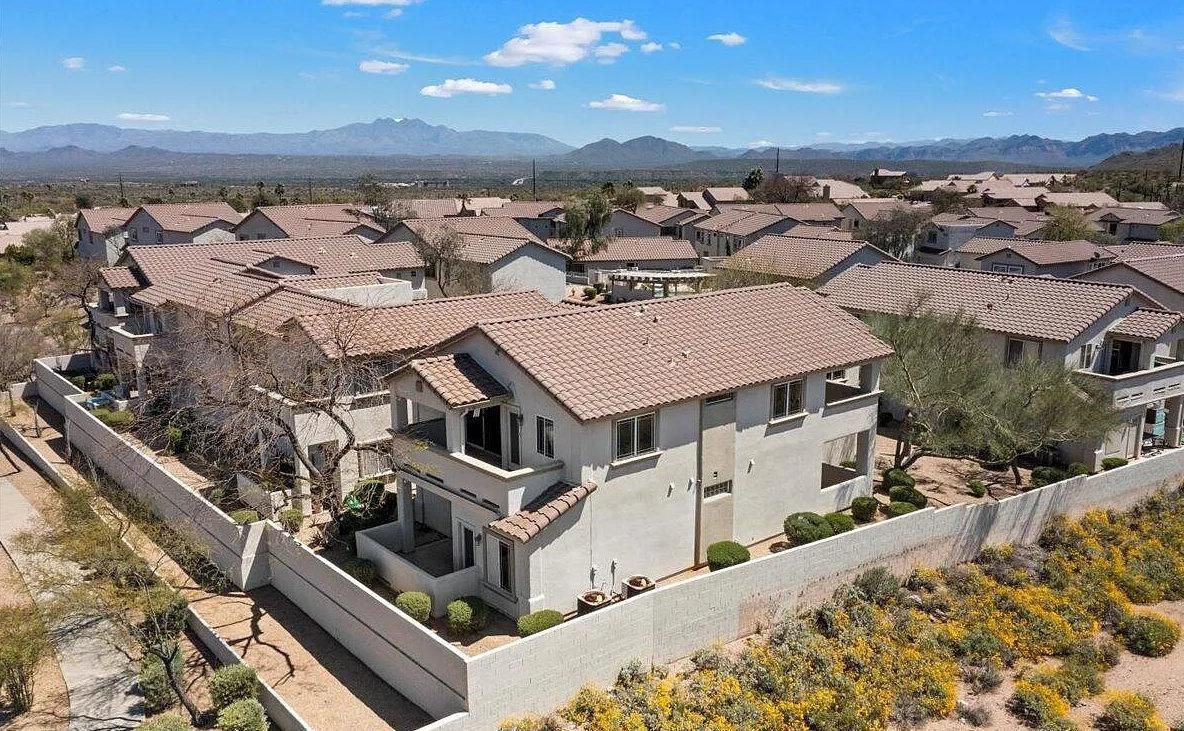
Monterra Ranch
Year Built: 1998
Client: AER Community Management
Size: 41 Buildings
Scope:
- Exterior surfaces were power washed, prepped, spot-primed, and painted to clean and refresh the building's appearance
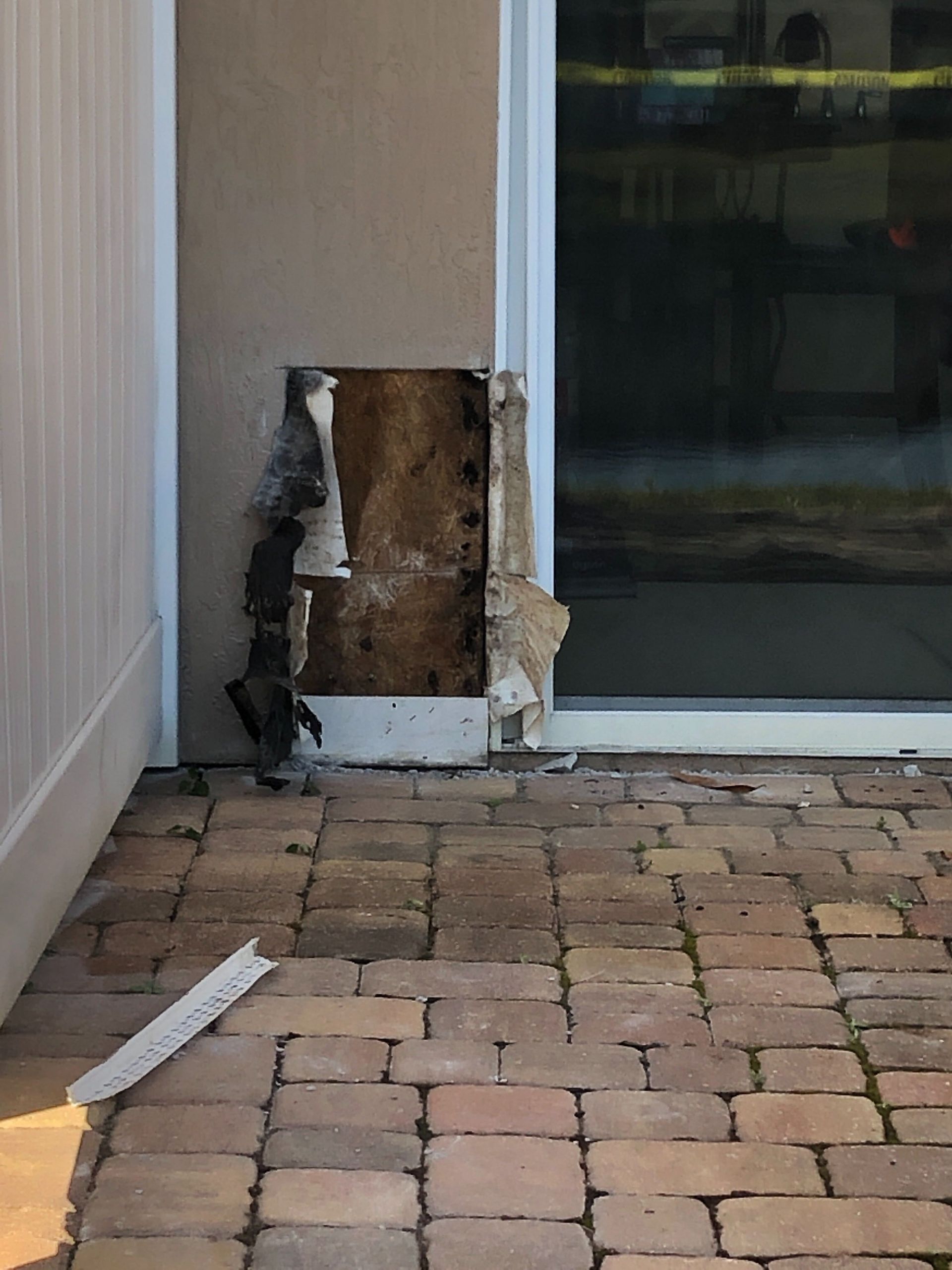
- Stucco was repaired and replace at areas where it was visibly cracking or coming loose from the building
- A texture coat of stucco was applied to blend with the existing finish as closely as possible, and newly exposed sections received a brown coat to establish a smooth base for further stucco work
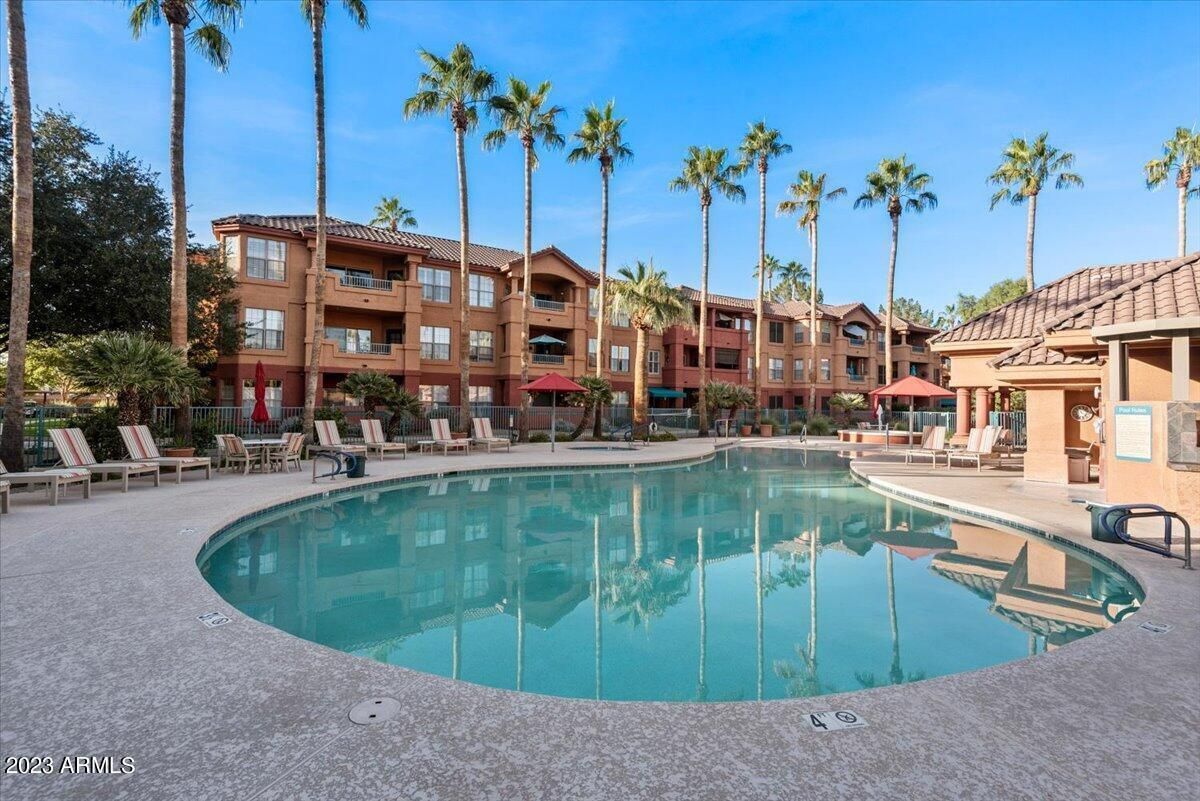
La Solana Condominiums
Year Built: 1998
Client: City Property Management
Size: 7 Buildings
Scope:
- Exterior surfaces designated for painting were pressure washed to remove dirt, dust, efflorescence, loose paint, and other contaminants. The surfaces were then allowed to dry fully before applying any patching, primer, or finish coats
- Repairs and upgrades were completed on various parts of the Clubhouse, including the stucco, utility doors, entry French doors, patio cover, fascia, window mullions, and parapet caps to improve overall condition and appearance
Request a Structural Repairs Quote Today!
ROC 202664 (Class CR34)
ROC 269463 (Class KB-2)