





360+ 5-Star Google Reviews
Mesa Balcony Repair Services | Commercial & Multifamily
Professional balcony restoration built to withstand Mesa's Sonoran Desert conditions and caliche soil challenges.
Comprehensive Balcony Solutions for Mesa's Desert Environment
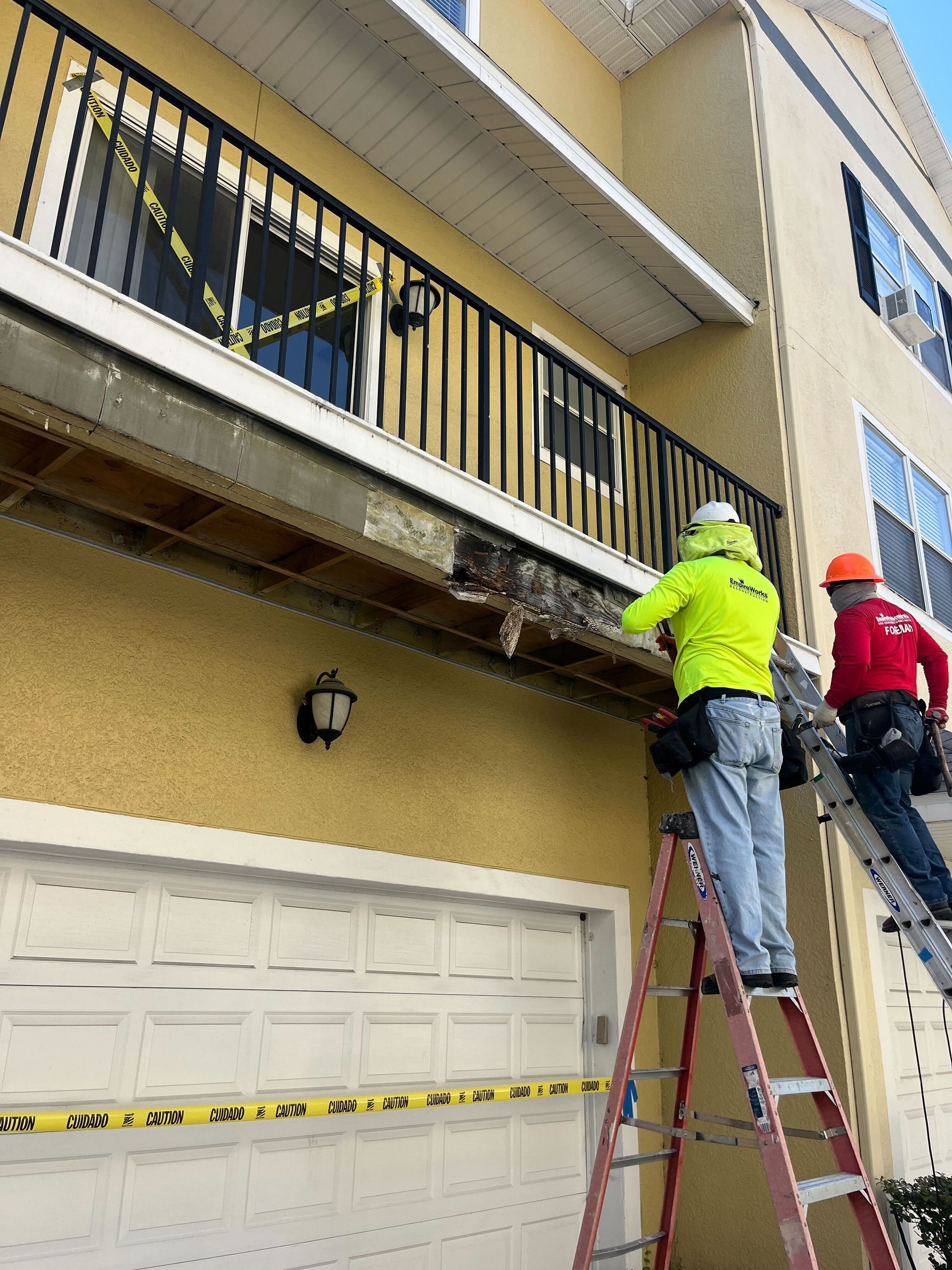
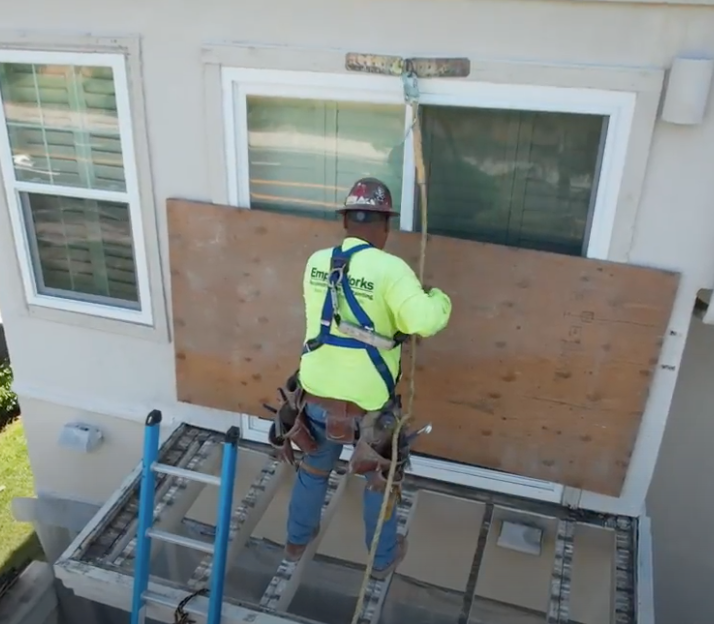
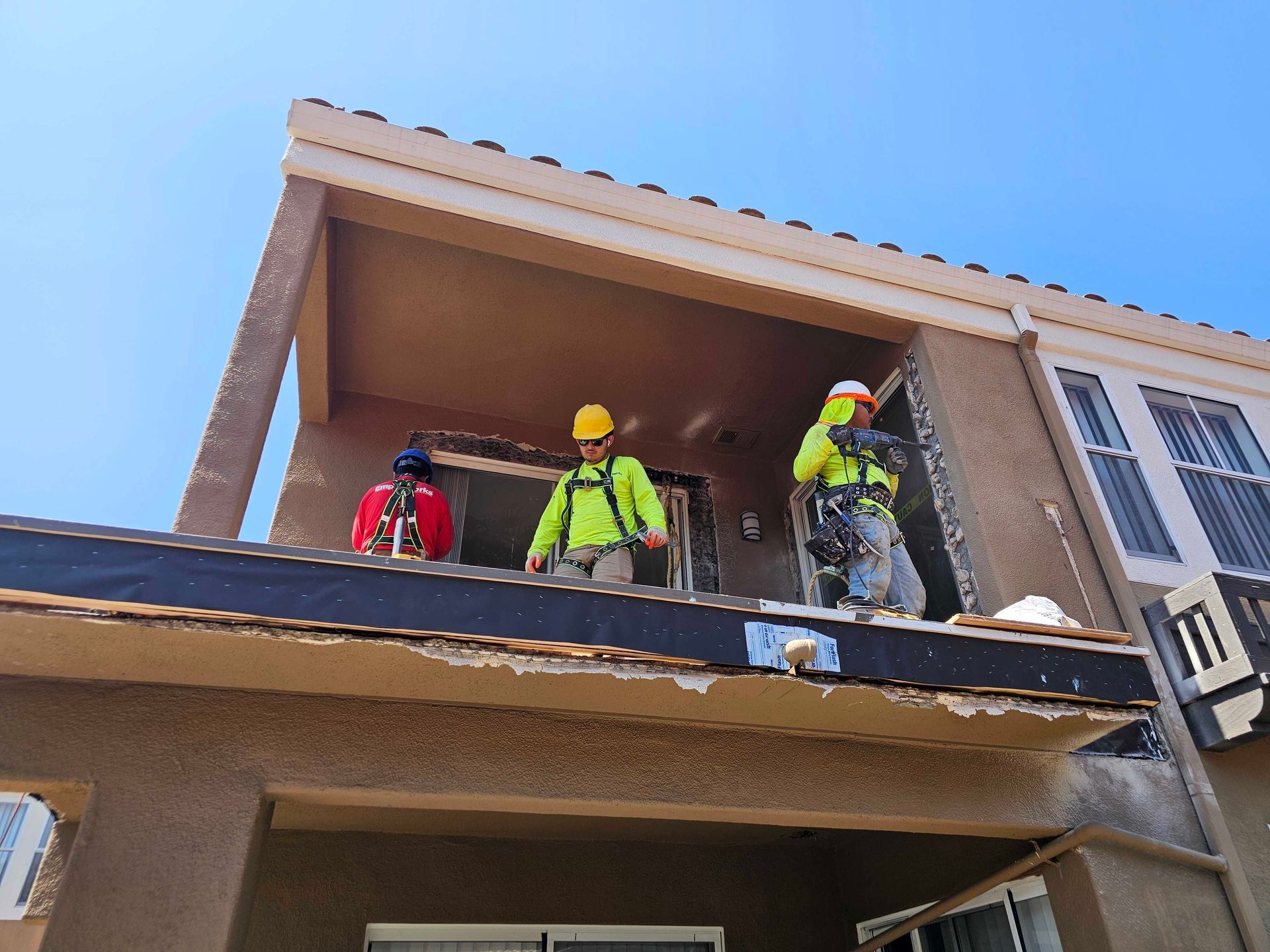
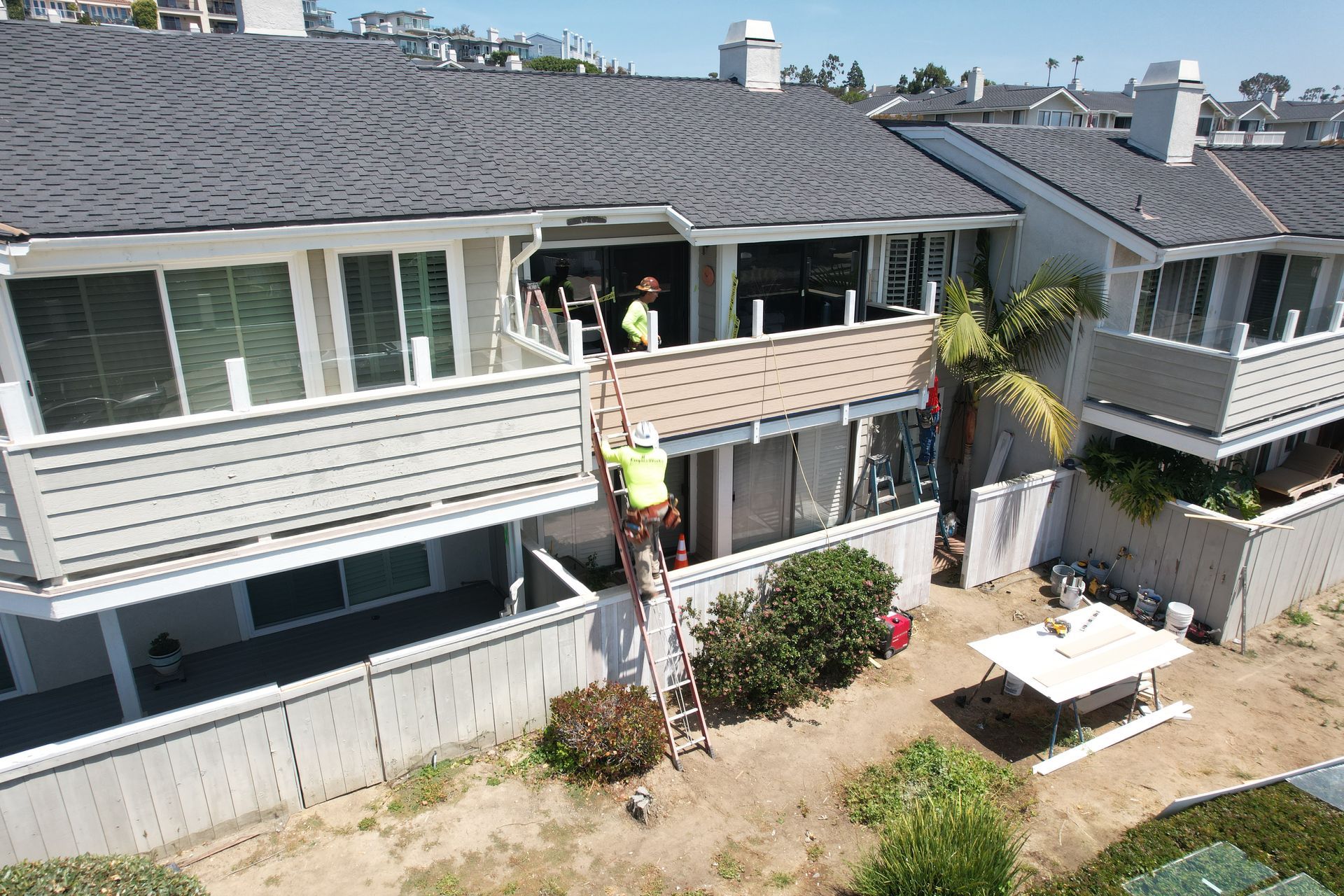
Mesa's unique position in the Sonoran Desert presents distinct challenges for balcony and deck systems in multifamily properties. The combination of intense summer heat reaching 120°F, sudden temperature drops during winter months, and the area's notorious caliche soil creates conditions that accelerate structural deterioration. Our specialized balcony repair services address the specific issues affecting Mesa's high-rise condominiums along Main Street, apartment complexes in Dobson Ranch, and HOA properties throughout Eastmark and Red Mountain Ranch. We understand how Mesa's alkaline soil conditions and monsoon flooding patterns impact foundation movement and structural integrity. Our repair solutions are engineered specifically for the challenges posed by Mesa's elevation of 1,200 feet and the resulting temperature fluctuations that cause continuous expansion and contraction cycles in concrete and steel balcony components.

Why Mesa's Caliche Soil Is a Balcony Problem, Not Just a Foundation One
Mesa operates under strict building codes that require specific seismic and wind load considerations due to its proximity to the Salt River Valley and exposure to dust storms and microbursts. The City of Mesa's Building Safety Division enforces updated International Building Codes that specifically address desert climate construction standards, particularly for multifamily residential properties exceeding three stories. Properties in established neighborhoods like Las Sendas, Superstition Springs, and the growing Cadence master-planned community face unique challenges from the underlying caliche hardpan that shifts with moisture changes. Mesa's HOA regulations often require specific approval processes for exterior repairs, and many communities mandate materials that complement the desert architectural styles prevalent throughout the East Valley. The city's rapid growth, with over 20,000 new residential units planned through 2030, means many newer properties are already showing signs of accelerated wear due to construction during peak summer months when concrete curing and material installation face additional stress from extreme temperatures.
How Heat and Soil Movement Break Down Mesa Balconies
Caliche soil shifting and settlement
Dust storm abrasion and material wear
Microburst wind damage and water intrusion
What Professional Balcony Repair Protects on Mesa Properties
Caliche soil movement expertise
Sonoran Desert climate materials
Mesa HOA compliance specialists
East Valley multifamily property experience
Mesa building code compliance experts
Caliche soil foundation specialists
How We Assess and Repair a Mesa Balcony
We keep the process simple and transparent from the first call to the final walkthrough.
01
Mesa climate impact assessment
02
Caliche soil movement evaluation
03
Desert-engineered material installation
04
HOA compliance documentation and warranty
Balcony Repair FAQs for Mesa Property Owners
How does caliche soil affect balconies on Mesa properties?
Mesa's caliche hardpan shifts with moisture changes, and that movement transfers directly into attached balcony structures on properties throughout Las Sendas, Superstition Springs, and the growing Cadence community. Combined with alkaline soil conditions and monsoon flooding patterns, this creates foundation movement that shows up as cracking and structural stress in balcony systems well before it's visible anywhere else on the building.
We evaluate soil movement alongside the visible balcony damage, since a repair that ignores what's happening underground tends to fail again within a season or two.
Why does Mesa's heat and elevation matter for balcony materials?
Mesa's elevation of 1,200 feet combined with summer heat reaching 120°F creates continuous expansion and contraction cycles in concrete and steel balcony components, which is different stress than lower-elevation desert cities see. We specify materials engineered for that specific cycling rather than standard balcony repair products.
Many newer properties across Mesa were built during peak summer months, when concrete curing faces additional stress from extreme heat, so we look closely at construction-era vulnerabilities during our assessment.
Do Mesa's building codes affect balcony repair on multi-story properties?
Yes. The City of Mesa's Building Safety Division enforces updated International Building Codes addressing desert climate construction, with particular attention to multifamily residential properties exceeding three stories, and dust storm and microburst wind exposure factor into those seismic and wind load requirements. We build every repair to meet those current standards.
Mesa's HOA regulations also often require specific approval processes for exterior repairs, with many communities mandating materials that complement East Valley desert architectural styles, so we confirm those requirements before ordering materials.
Featured Projects
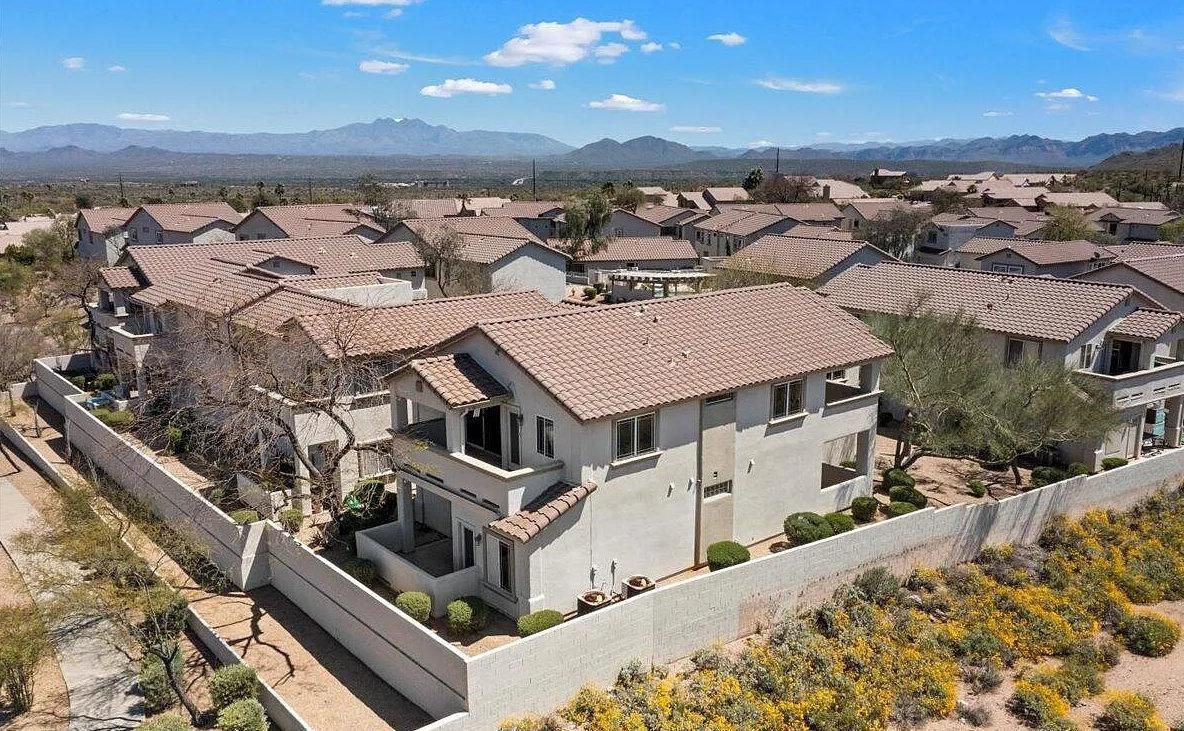
Monterra Ranch
Year Built: 1998
Client: AER Community Management
Size: 41 Buildings
Scope:
- Exterior surfaces were power washed, prepped, spot-primed, and painted to clean and refresh the building's appearance
- Stucco was repaired and replace at areas where it was visibly cracking or coming loose from the building
- A texture coat of stucco was applied to blend with the existing finish as closely as possible, and newly exposed sections received a brown coat to establish a smooth base for further stucco work
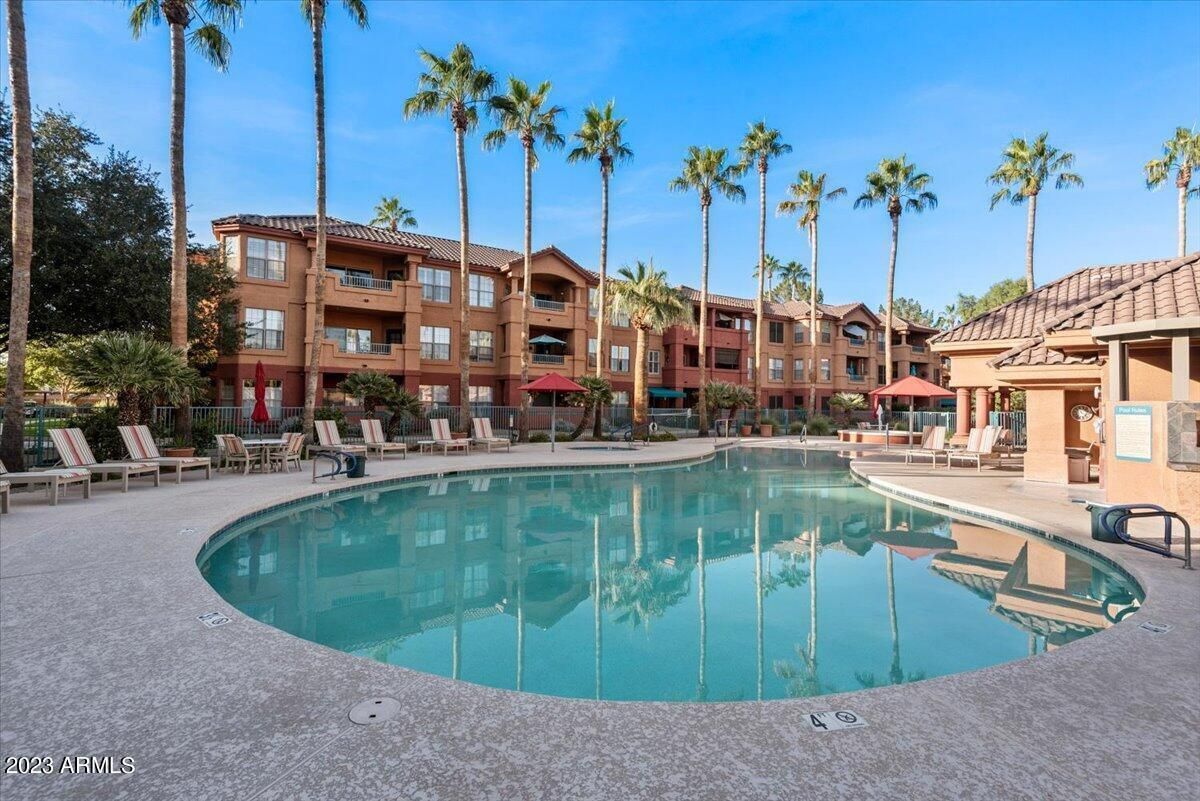
La Solana Condominiums
Year Built: 1998
Client: City Property Management
Size: 7 Buildings
Scope:
- Exterior surfaces designated for painting were pressure washed to remove dirt, dust, efflorescence, loose paint, and other contaminants. The surfaces were then allowed to dry fully before applying any patching, primer, or finish coats
- Repairs and upgrades were completed on various parts of the Clubhouse, including the stucco, utility doors, entry French doors, patio cover, fascia, window mullions, and parapet caps to improve overall condition and appearance
Request a Balcony Repair Quote Today!
ROC 202664 (Class CR34)
ROC 269463 (Class KB-2)