





360+ 5-Star Google Reviews
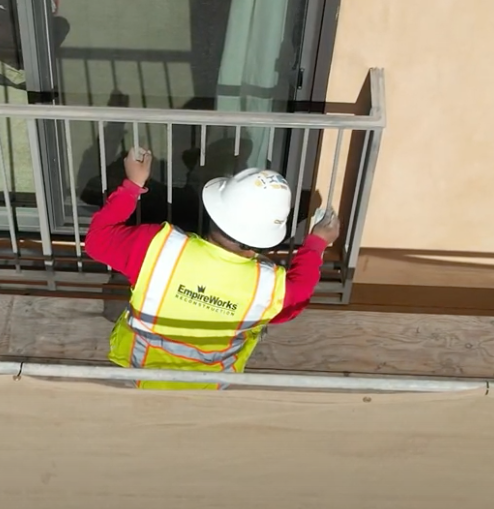
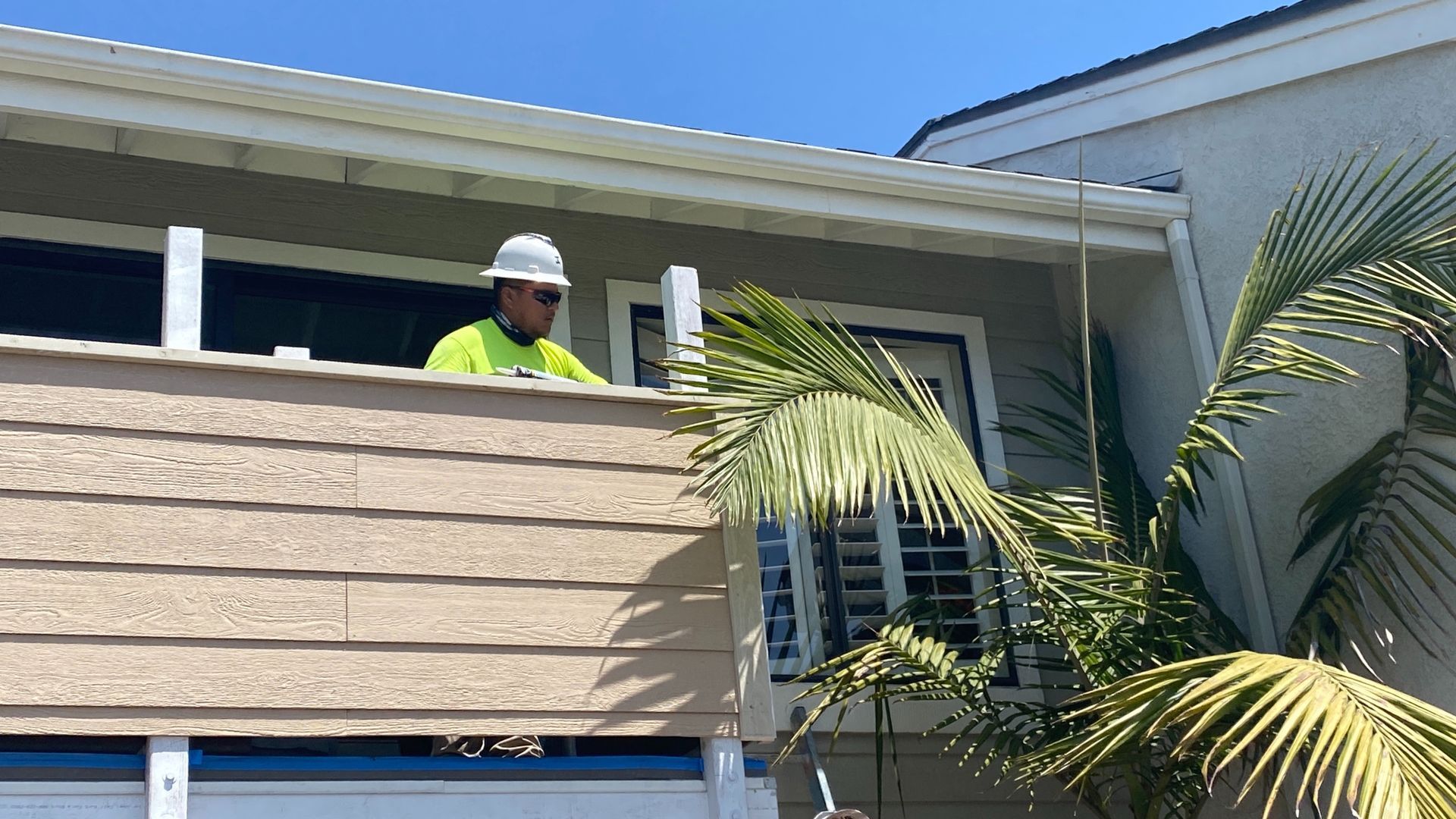
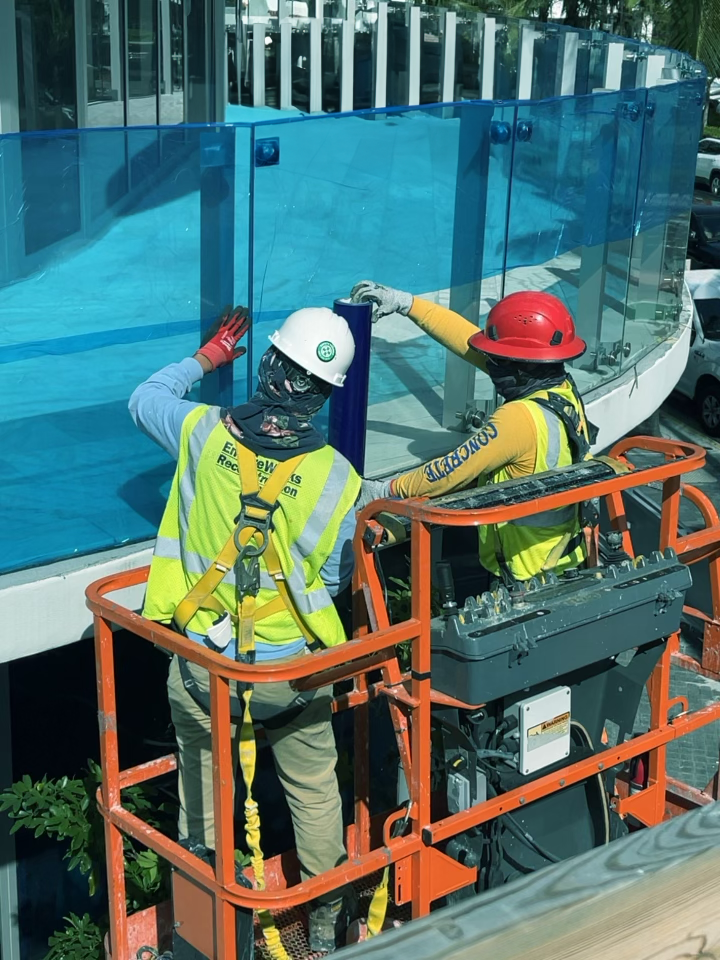
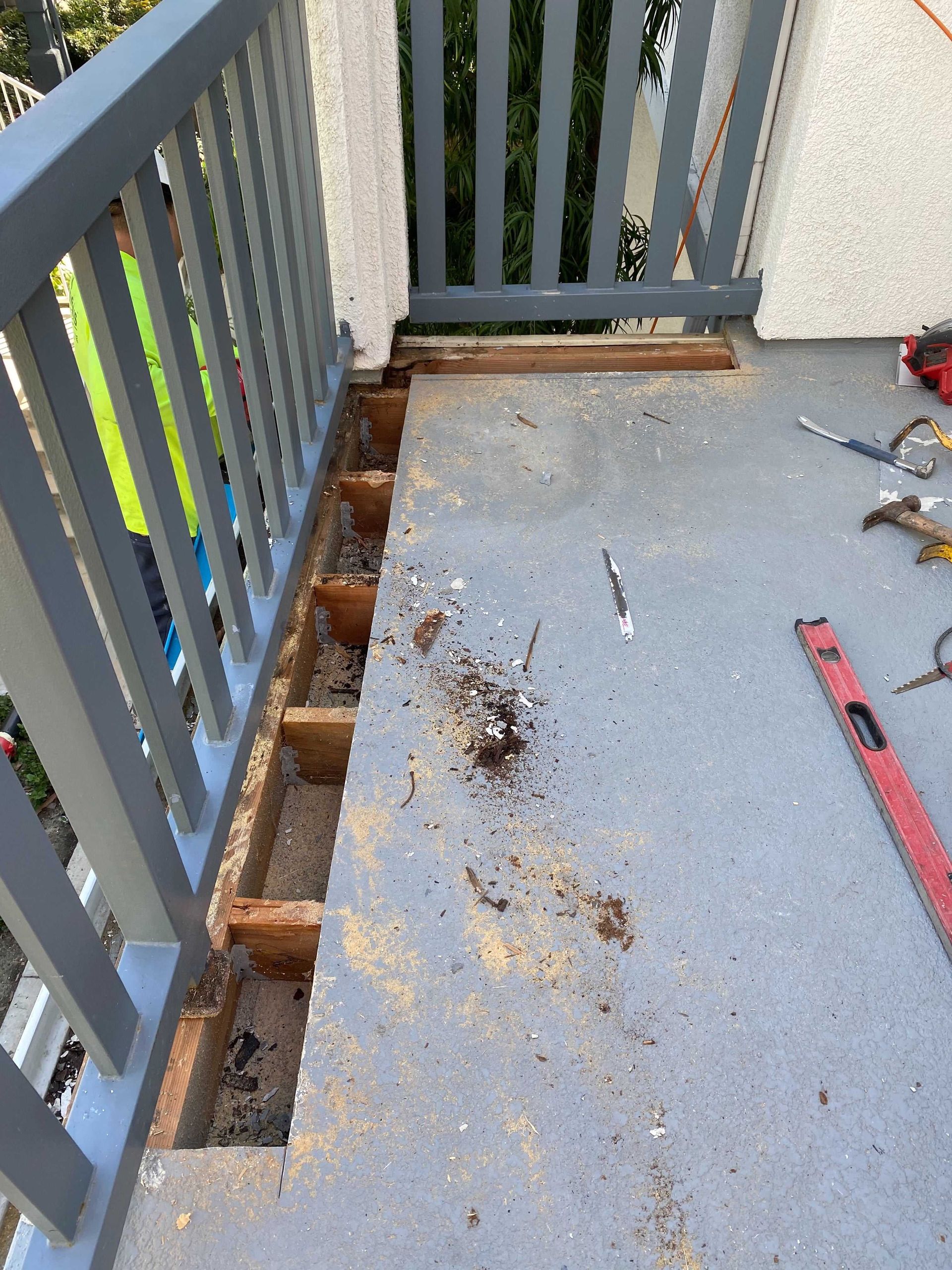
Railing and Fence Replacement in Phoenix, Arizona
Expert installation and replacement services for Arizona properties
Safety-First Railing Solutions Built for Arizona's Desert Conditions
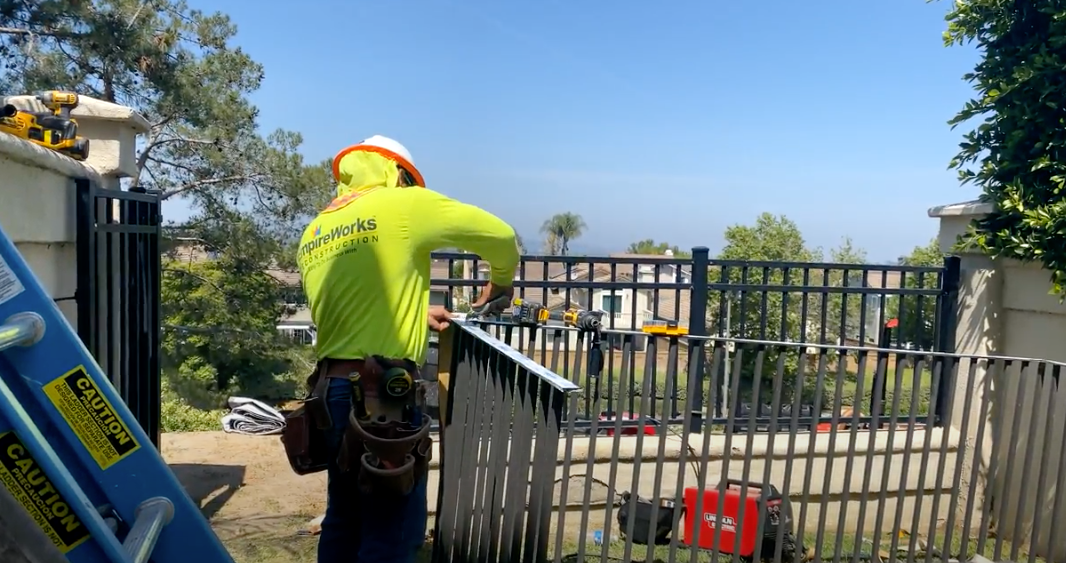
Railing and fence replacement in Phoenix is driven by a combination of UV degradation, thermal expansion stress, and the caliche soil conditions that make post installation and anchoring more technically demanding than in most other markets. Phoenix's summer sun breaks down powder coat finishes, oxidizes aluminum, and causes PVC and composite materials to warp and discolor within a few years on south- and west-facing exposures. Our Phoenix railing and fence replacement work uses materials and fastener systems rated specifically for the Phoenix climate, not generic desert-market specifications.
We work across the full range of Phoenix property types, from HOA communities throughout Ahwatukee Foothills, the South Mountain area, and Laveen where perimeter fencing and interior courtyard railings serve large numbers of residential units, to commercial properties along Phoenix's major arterials where code-compliant barrier systems are required for parking structures, elevated walkways, and building perimeters. Phoenix's significant volume of multifamily construction along the light rail corridor — from Downtown through Midtown and into the Camelback East Village — has created demand for railing systems that meet both City of Phoenix building code requirements and the design standards of urban mixed-use developments. Our team's experience across all of these contexts ensures we deliver installations that perform, comply, and hold up to the Phoenix environment long-term.

Phoenix's Caliche Hardpan and What It Means for Railings
Phoenix's railing and fence installation environment is complicated by the city's widespread caliche hardpan, which varies in depth and hardness across different parts of the city. In areas like Northeast Phoenix, Deer Valley, and portions of the West Valley, caliche layers begin within a few inches of the surface and require pneumatic equipment and specialized anchoring systems to install posts to proper depth. Our Phoenix crews carry the equipment and use the techniques necessary to achieve secure installations in caliche conditions, something less experienced contractors often underestimate.
The City of Phoenix enforces building code requirements for railing heights, load ratings, and baluster spacing that align with IBC standards but include local enforcement priorities around pool barrier compliance and commercial building perimeter safety. Phoenix's HOA communities — particularly the large master-planned developments in Ahwatukee, Desert Ridge, and North Phoenix — also impose architectural review requirements for fence and railing materials, colors, and styles that must be satisfied before installation can proceed. Our team is familiar with these HOA processes and works proactively with boards and property managers to move approvals forward without delaying project timelines.
What Phoenix's Sun and Soil Do to Railings and Fences
Extreme UV exposure causing material degradation
Thermal expansion and contraction affecting connections
Caliche soil creating installation challenges
What Phoenix Properties Gain From Climate-Rated Railing Systems
UV-resistant materials and finishes
Arizona building code compliance
Caliche soil installation expertise
Specialized in desert climate railing and fence systems
Expert knowledge of Arizona building codes and HOA requirements
Proven track record with challenging soil conditions
Our Installation Process for Phoenix Railing and Fence Projects
We keep the process simple and transparent from the first call to the final walkthrough.
01
Site assessment and building code review
02
Material selection for Arizona climate conditions
03
Specialized installation for caliche soil conditions
04
Quality inspection and compliance verification
Railing and Fence Replacement Questions From Phoenix Owners
Why does caliche depth matter so much for fence post installation in Phoenix?
In areas like Northeast Phoenix, Deer Valley, and portions of the West Valley, caliche layers begin within a few inches of the surface and require pneumatic equipment and specialized anchoring systems to install posts to proper depth, which less experienced contractors often underestimate.
Does the City of Phoenix have specific code requirements beyond general IBC standards?
Yes, the city enforces requirements for railing heights, load ratings, and baluster spacing that align with IBC standards but include local enforcement priorities around pool barrier compliance and commercial building perimeter safety specifically.
Will HOAs in Ahwatukee or Desert Ridge require design approval before replacing fencing?
Yes, those large master-planned developments impose architectural review requirements for fence and railing materials, colors, and styles, and we work proactively with boards and property managers to move approvals forward without delaying the project timeline.
Featured Projects
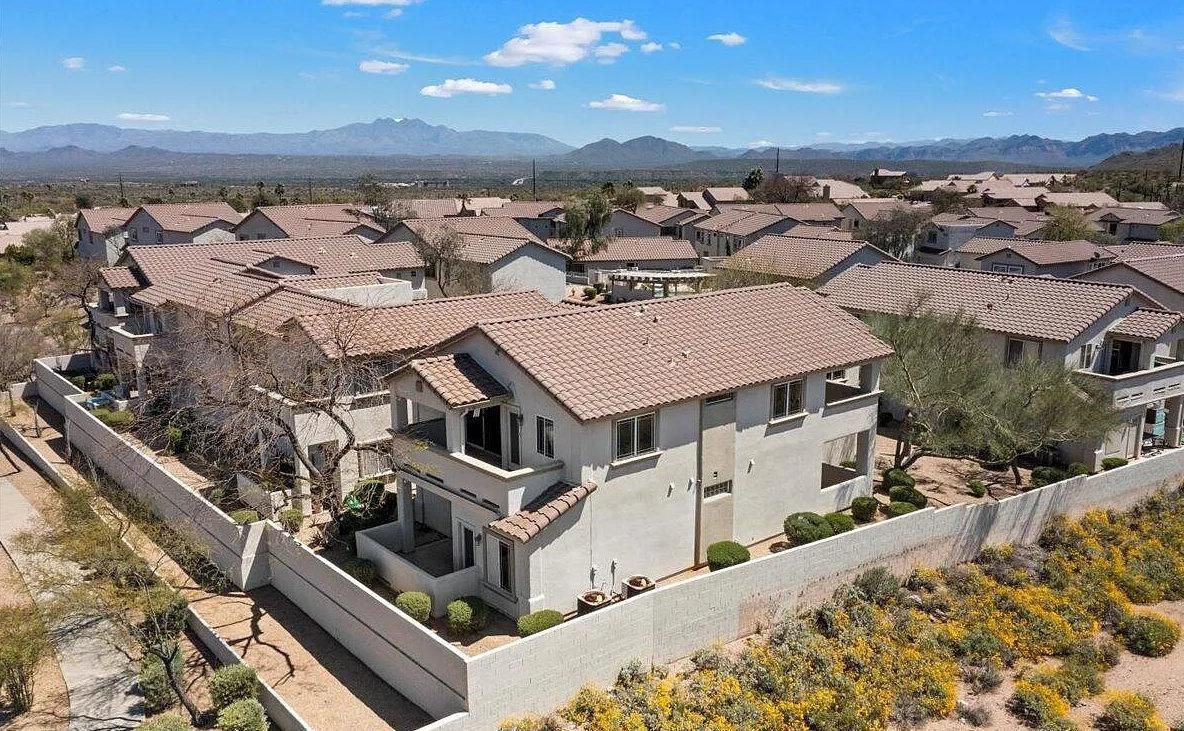
Monterra Ranch
Year Built: 1998
Client: AER Community Management
Size: 41 Buildings
Scope:
- Exterior surfaces were power washed, prepped, spot-primed, and painted to clean and refresh the building's appearance
- Stucco was repaired and replace at areas where it was visibly cracking or coming loose from the building
- A texture coat of stucco was applied to blend with the existing finish as closely as possible, and newly exposed sections received a brown coat to establish a smooth base for further stucco work
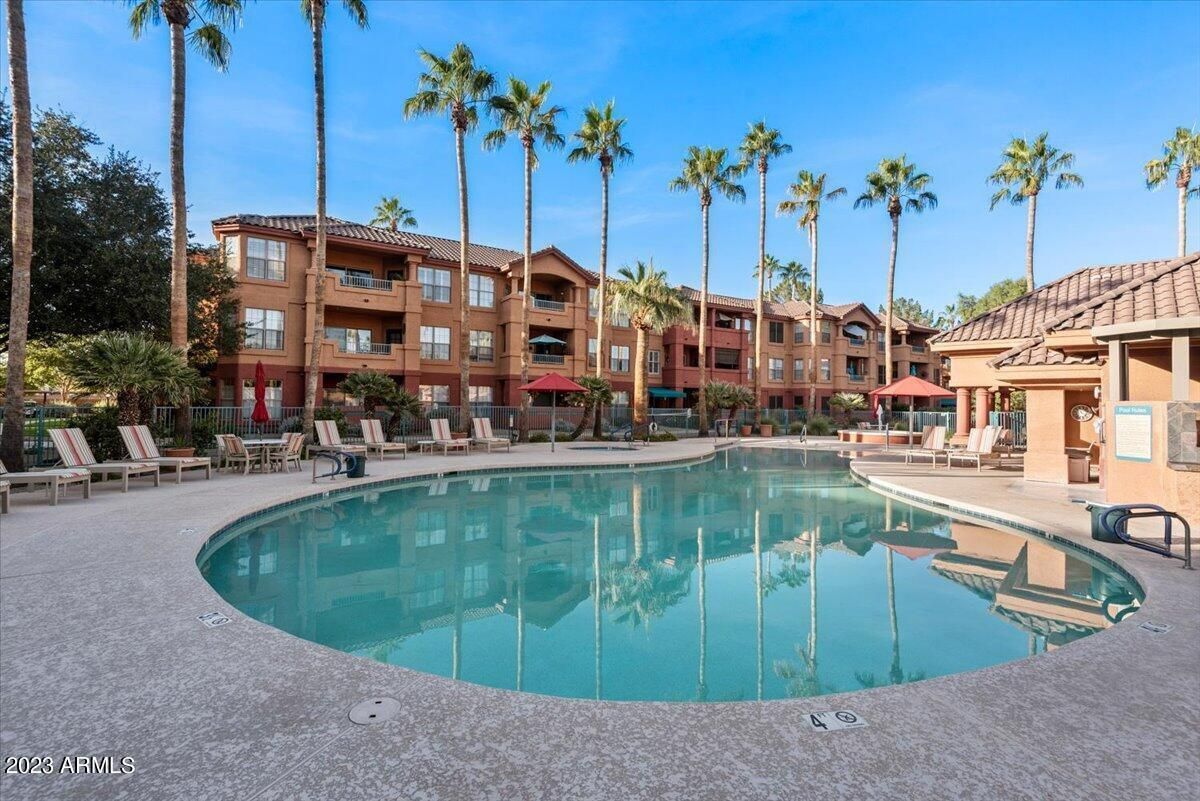
La Solana Condominiums
Year Built: 1998
Client: City Property Management
Size: 7 Buildings
Scope:
- Exterior surfaces designated for painting were pressure washed to remove dirt, dust, efflorescence, loose paint, and other contaminants. The surfaces were then allowed to dry fully before applying any patching, primer, or finish coats
- Repairs and upgrades were completed on various parts of the Clubhouse, including the stucco, utility doors, entry French doors, patio cover, fascia, window mullions, and parapet caps to improve overall condition and appearance
Request a Railing and Fence Replacement Quote Today!
ROC 202664 (Class CR34)
ROC 269463 (Class KB-2)