





360+ 5-Star Google Reviews
Stucco and Masonry Repairs in Phoenix, Arizona
Expert stucco restoration services for Arizona's extreme desert climate
Thermal Expansion Stucco Repairs for Phoenix Desert Climate
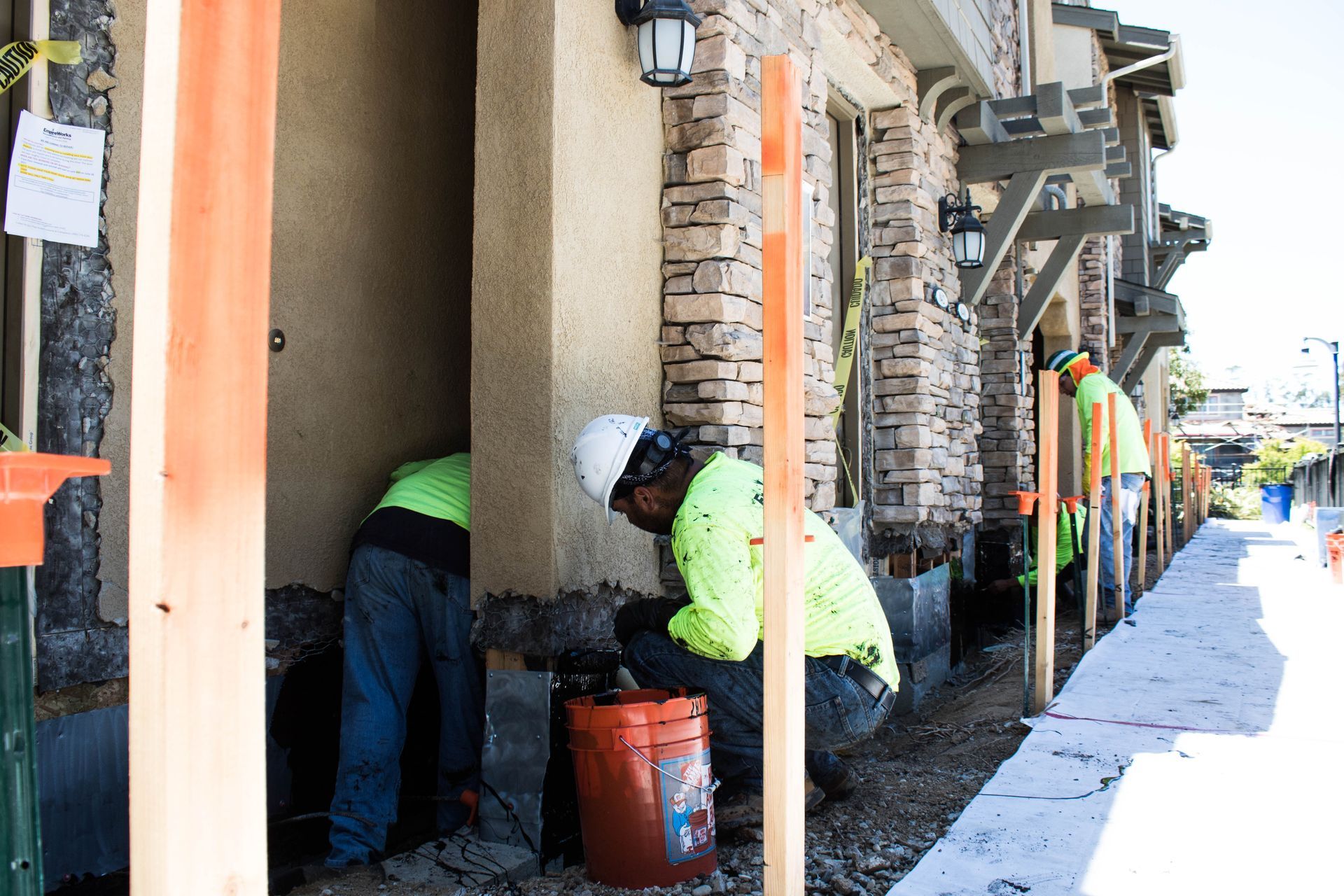
Phoenix's stucco and masonry repair requirements are shaped by a building environment where exterior cladding systems are under constant stress. The city's extreme thermal cycling — surface temperatures swinging from below 40°F on winter nights to over 160°F on summer afternoons — places stucco expansion joints, control joints, and substrate connections under relentless load. When those joints are poorly placed, improperly sealed, or simply reach the end of their service life, water intrusion during Phoenix's concentrated monsoon season follows quickly. Our Phoenix stucco and masonry repair services address both the immediate damage and the underlying conditions driving it.
We work throughout Phoenix's diverse property landscape, from the dense multifamily corridors along Camelback Road and Scottsdale Road in Northeast Phoenix to the expansive HOA communities in Ahwatukee Foothills, Laveen, and the Desert View Village. Phoenix's large commercial property sector — retail centers, office parks, and industrial facilities — also represents a significant portion of our Phoenix masonry repair work, where concrete masonry unit construction and tilt-up panels require specialized repair approaches distinct from residential stucco systems. Our crews are experienced with the full range of stucco and masonry systems in active use across Phoenix, and we carry the materials and equipment specific to each.

Phoenix Runs on Stucco, and Stucco Runs on a Schedule
Phoenix's stucco and masonry repair market reflects the city's position as one of the largest stucco-construction markets in the country. The vast majority of Phoenix's multifamily and commercial building stock uses stucco as the primary exterior cladding, making stucco system performance a central maintenance concern across the city's HOA and property management communities. The City of Phoenix enforces specific stucco application standards under its local building code amendments, and our team stays current with these requirements across both traditional three-coat systems and modern one-coat and EIFS applications.
Phoenix's stucco failure patterns follow predictable geographic and age-based trends our team has mapped closely over years of work in the market. Communities built during the 1990s boom in areas like North Phoenix, Desert Ridge, and portions of the West Valley frequently present systemic expansion joint failures and substrate delamination that require programmatic repair approaches rather than spot patching. Newer construction in areas like Laveen and South Phoenix increasingly uses EIFS systems that require different diagnostic and repair protocols than traditional hard-coat stucco. Our Phoenix team's breadth of experience across system types ensures the right repair approach is applied for each property's specific construction.
What Phoenix's Thermal Swings Do to Exterior Cladding
Extreme temperature fluctuations causing expansion and contraction
Intense UV exposure leading to surface degradation
Monsoon moisture penetration and subsequent cracking
What You Get From Phoenix-Specific Stucco and Masonry Repair
Desert climate specialized techniques
Traditional and modern stucco systems
UV-resistant materials and finishes
Over 20 years of Arizona stucco expertise
Specialized in thermal expansion repair solutions
High-quality materials designed for desert conditions
Our Repair Process for Phoenix Stucco and Masonry
We keep the process simple and transparent from the first call to the final walkthrough.
01
Comprehensive stucco condition assessment
02
Crack repair and surface preparation
03
Application of climate-appropriate materials
04
Protective coating and weatherproofing application
Phoenix Stucco and Masonry: Frequently Asked Questions
Is a repeated crack in the same spot on my stucco a sign of a bigger problem?
Often, yes. A crack that keeps reopening in the same location usually means an expansion joint has failed or was placed incorrectly, which is common in communities built during the 1990s boom in areas like North Phoenix and Desert Ridge. Spot-patching that same crack repeatedly without addressing the joint just delays the real fix.
What's the difference in how you repair EIFS versus traditional hard-coat stucco?
They require different diagnostic and repair protocols entirely. Newer construction in areas like Laveen and South Phoenix increasingly uses EIFS systems, which trap moisture differently than traditional three-coat stucco, so our crews carry materials and techniques specific to each system rather than treating all cladding the same way.
Does Phoenix have specific code requirements for stucco repair?
Yes, the City of Phoenix enforces application standards under its local building code amendments that apply to both traditional systems and one-coat or EIFS applications, and we stay current on those requirements so repairs pass inspection the first time.
Featured Projects
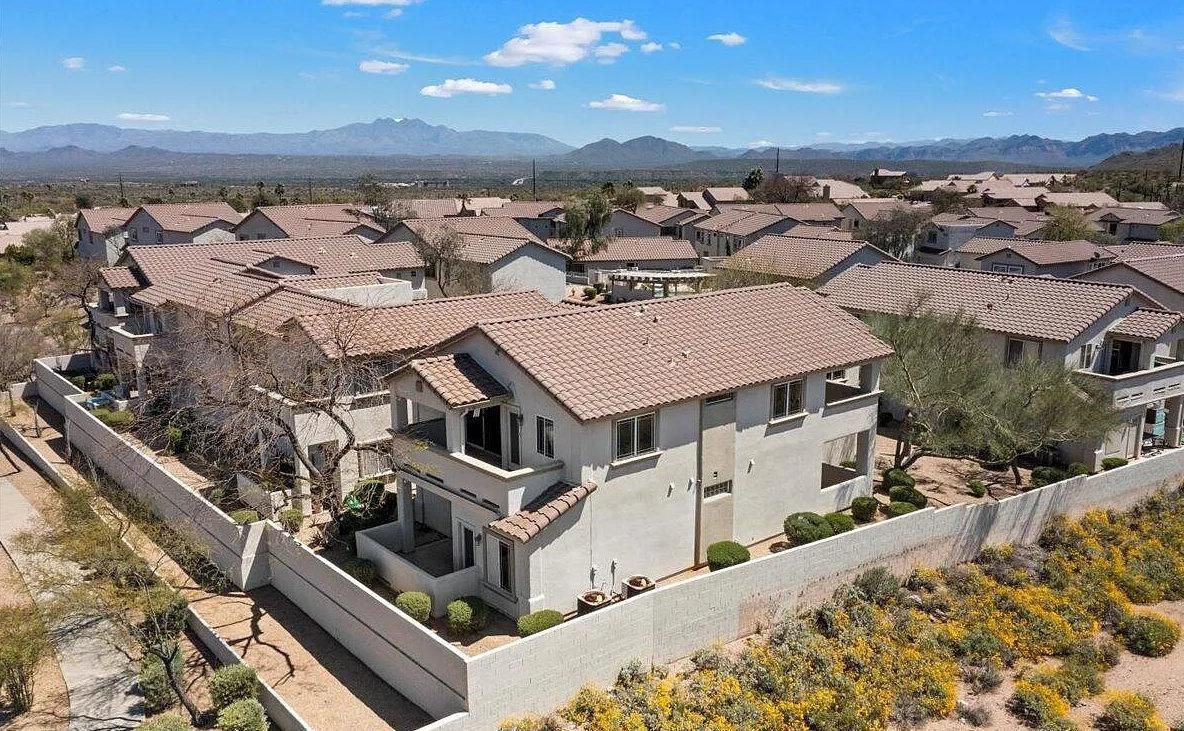
Monterra Ranch
Year Built: 1998
Client: AER Community Management
Size: 41 Buildings
Scope:
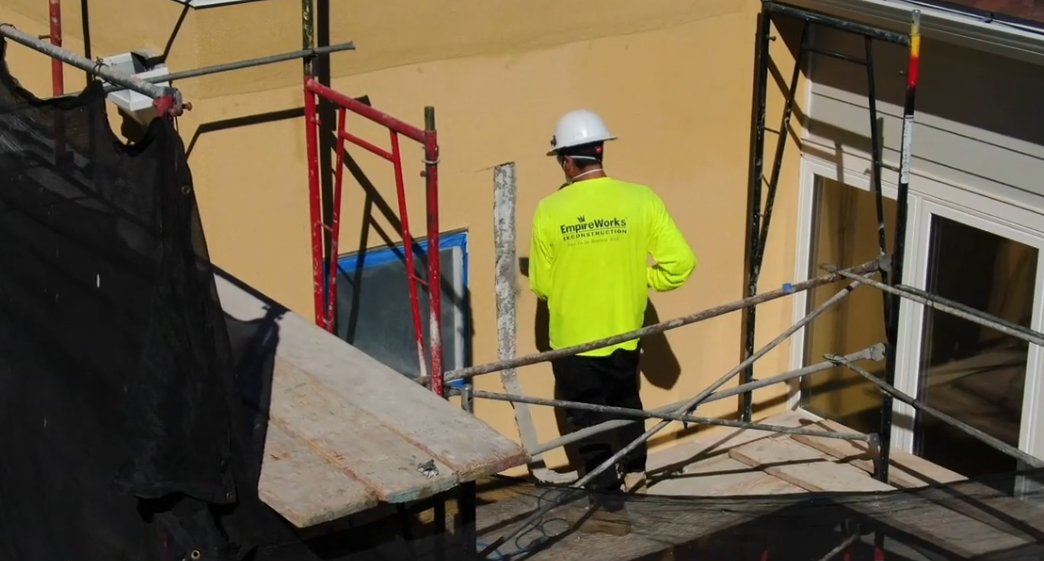
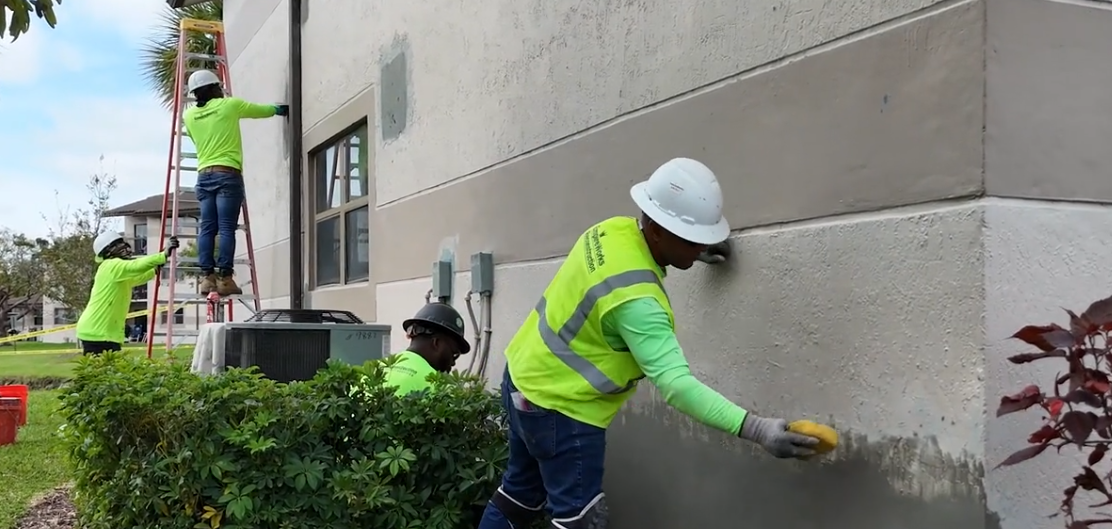
- Exterior surfaces were power washed, prepped, spot-primed, and painted to clean and refresh the building's appearance
- Stucco was repaired and replace at areas where it was visibly cracking or coming loose from the building
- A texture coat of stucco was applied to blend with the existing finish as closely as possible, and newly exposed sections received a brown coat to establish a smooth base for further stucco work
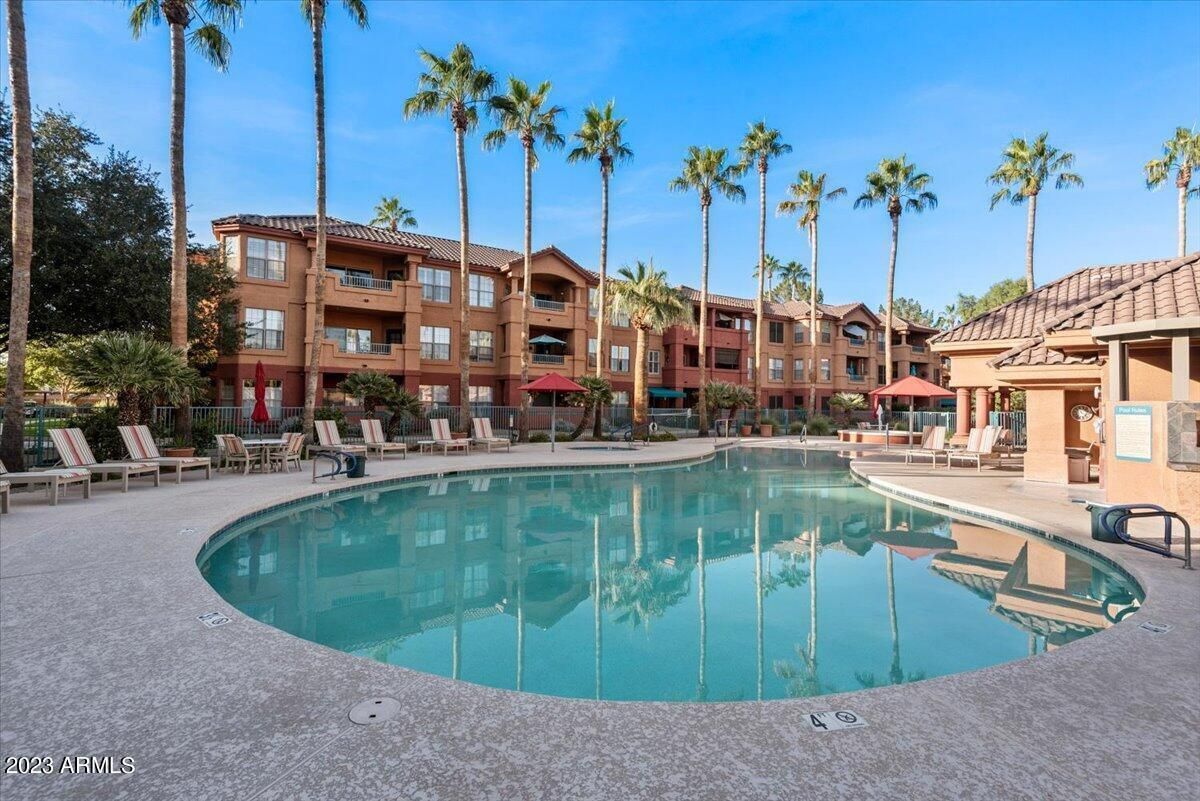
La Solana Condominiums
Year Built: 1998
Client: City Property Management
Size: 7 Buildings
Scope:
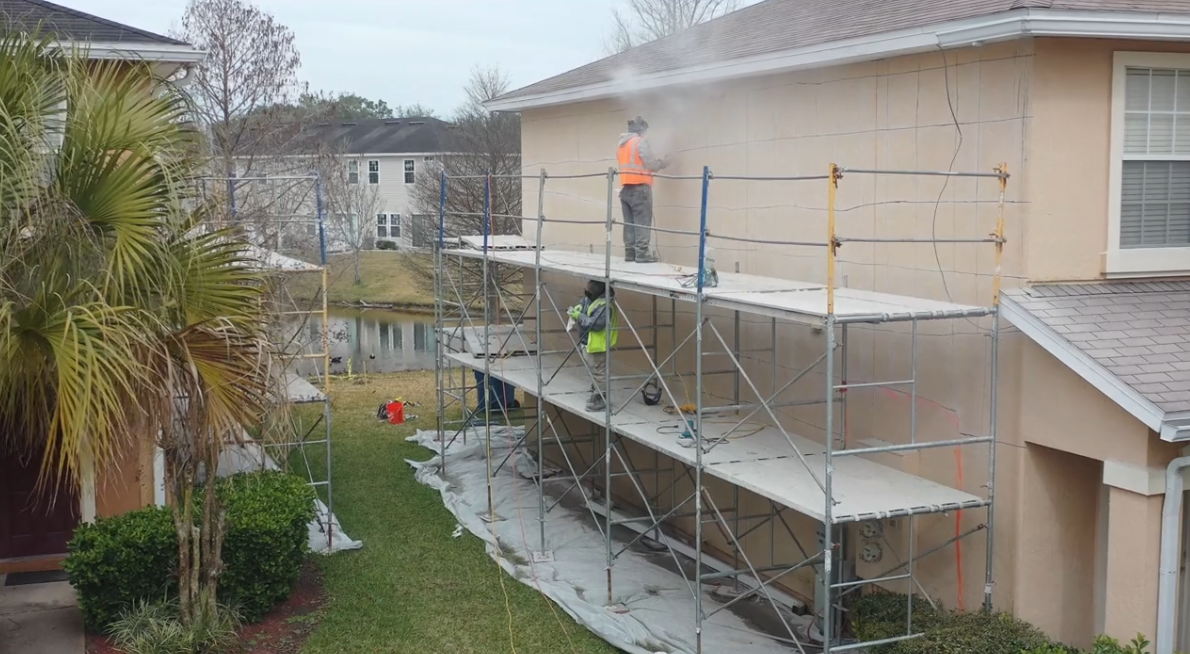
- Exterior surfaces designated for painting were pressure washed to remove dirt, dust, efflorescence, loose paint, and other contaminants. The surfaces were then allowed to dry fully before applying any patching, primer, or finish coats
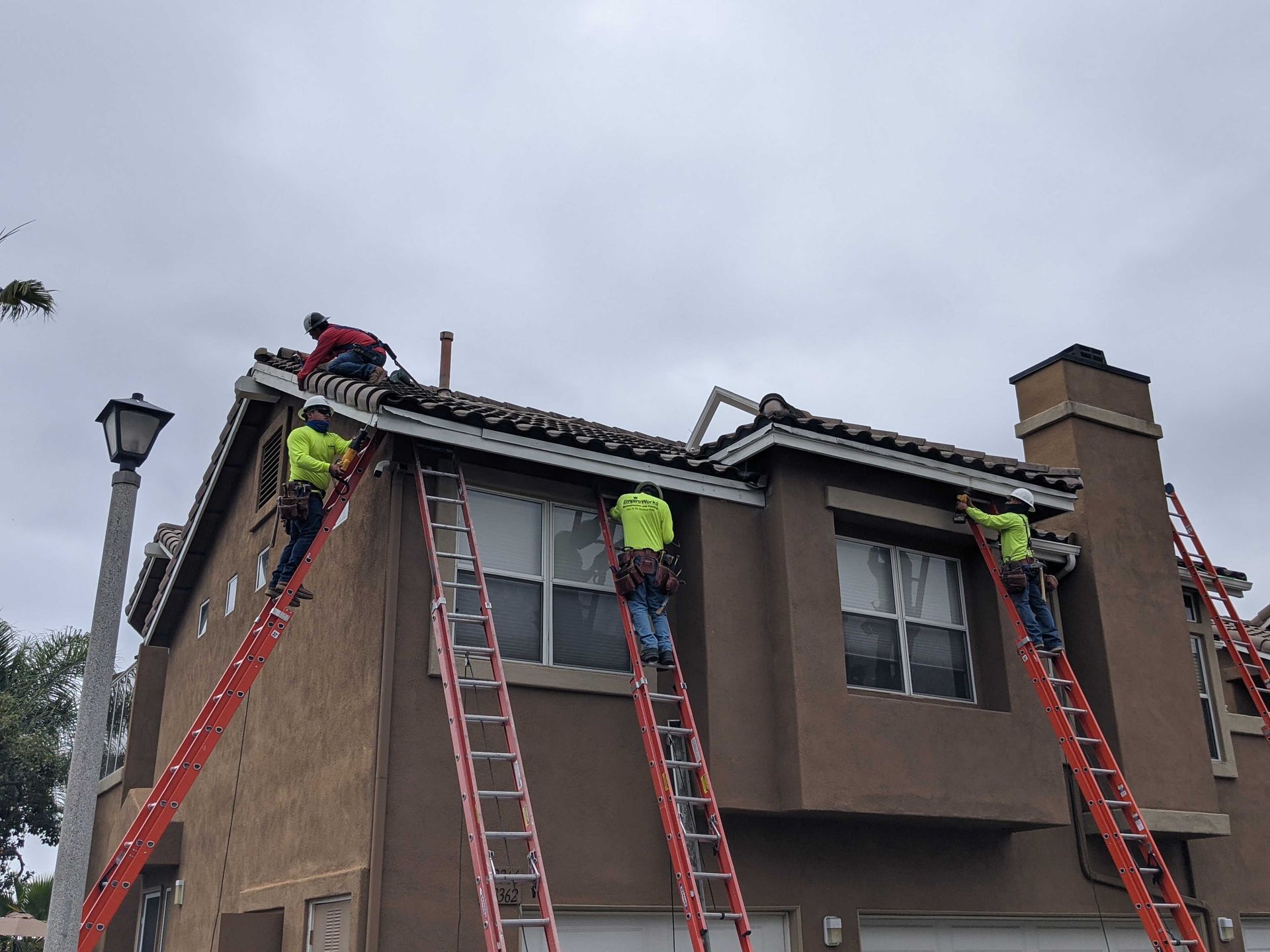
- Repairs and upgrades were completed on various parts of the Clubhouse, including the stucco, utility doors, entry French doors, patio cover, fascia, window mullions, and parapet caps to improve overall condition and appearance
Request a Stucco and Masonry Repairs Quote Today!
ROC 202664 (Class CR34)
ROC 269463 (Class KB-2)