





360+ 5-Star Google Reviews
Waterproofing Services in Phoenix, Arizona
Expert protection from desert climate and monsoon conditions
Protect Your Phoenix Property from Desert Climate and Monsoon Damage
Phoenix's multi-family and commercial properties face waterproofing challenges that go beyond what most Arizona cities experience. The urban heat island effect pushes Phoenix surface temperatures well above ambient air temperature, causing building envelopes to expand and contract more aggressively than in surrounding communities. This constant thermal movement opens micro-gaps in stucco, concrete, and membrane systems that allow monsoon moisture to penetrate — often invisibly until significant damage has accumulated. Our Phoenix waterproofing services are designed around this cycle, targeting the specific failure points most common in Phoenix construction.
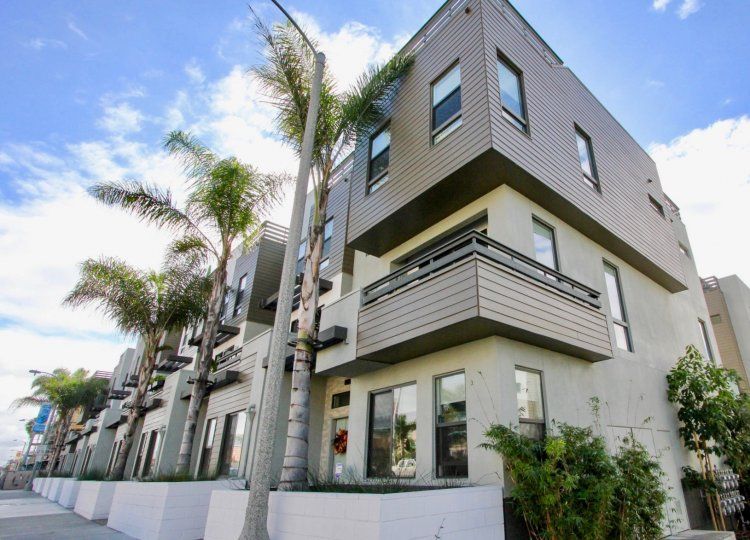
We work across Phoenix's full range of property types, from mid-rise multifamily buildings in the Biltmore and Arcadia corridors to large HOA communities throughout Ahwatukee Foothills, South Mountain, and the Desert Sky area. Phoenix's flat-roof commercial construction and podium-style residential buildings are particularly vulnerable to waterproofing failures, and our teams have extensive experience with the deck coating, below-grade, and building envelope systems these structures require. Many Phoenix properties built during the growth surges of the 1990s and early 2000s are now seeing original waterproofing systems reach end of life, and we regularly help property managers plan phased remediation programs across large portfolios.

Why Phoenix's Urban Heat Island Creates a Different Waterproofing Problem
Phoenix's construction environment is governed by the City of Phoenix Development Services Department, which enforces building codes with specific provisions for waterproofing in high-temperature climates, including requirements for membrane systems on low-slope roofs and below-grade applications in areas with expansive soils. The city's clay-heavy soils in areas like Laveen and South Phoenix create significant hydrostatic pressure during monsoon events, a condition our team accounts for in every foundation and below-grade waterproofing scope.
Phoenix's monsoon season — officially running from June 15 through September 30 — delivers the majority of the city's annual rainfall in short, intense events that overwhelm drainage systems and expose waterproofing failures quickly. Our familiarity with Phoenix's drainage infrastructure, flood zone designations along the Salt River and Cave Creek corridors, and the city's grading and drainage requirements allows us to develop waterproofing scopes that address both immediate repairs and long-term moisture management for properties throughout the Phoenix metro area.
How Monsoon Season Exposes Waterproofing Failures in Phoenix
Extreme temperature fluctuations causing thermal expansion and contraction
Monsoon season flooding and inadequate drainage systems
Caliche soil conditions and foundation settlement issues
What Professional Waterproofing Protects on Phoenix Properties
Fast turnaround times
Licensed and insured professionals
Comprehensive warranty coverage
Licensed experts in Arizona's unique desert climate challenges
Proven track record with major HOAs and commercial properties
Specialized in monsoon and thermal expansion protection
Our Waterproofing Process for Phoenix Properties
We keep the process simple and transparent from the first call to the final walkthrough.
01
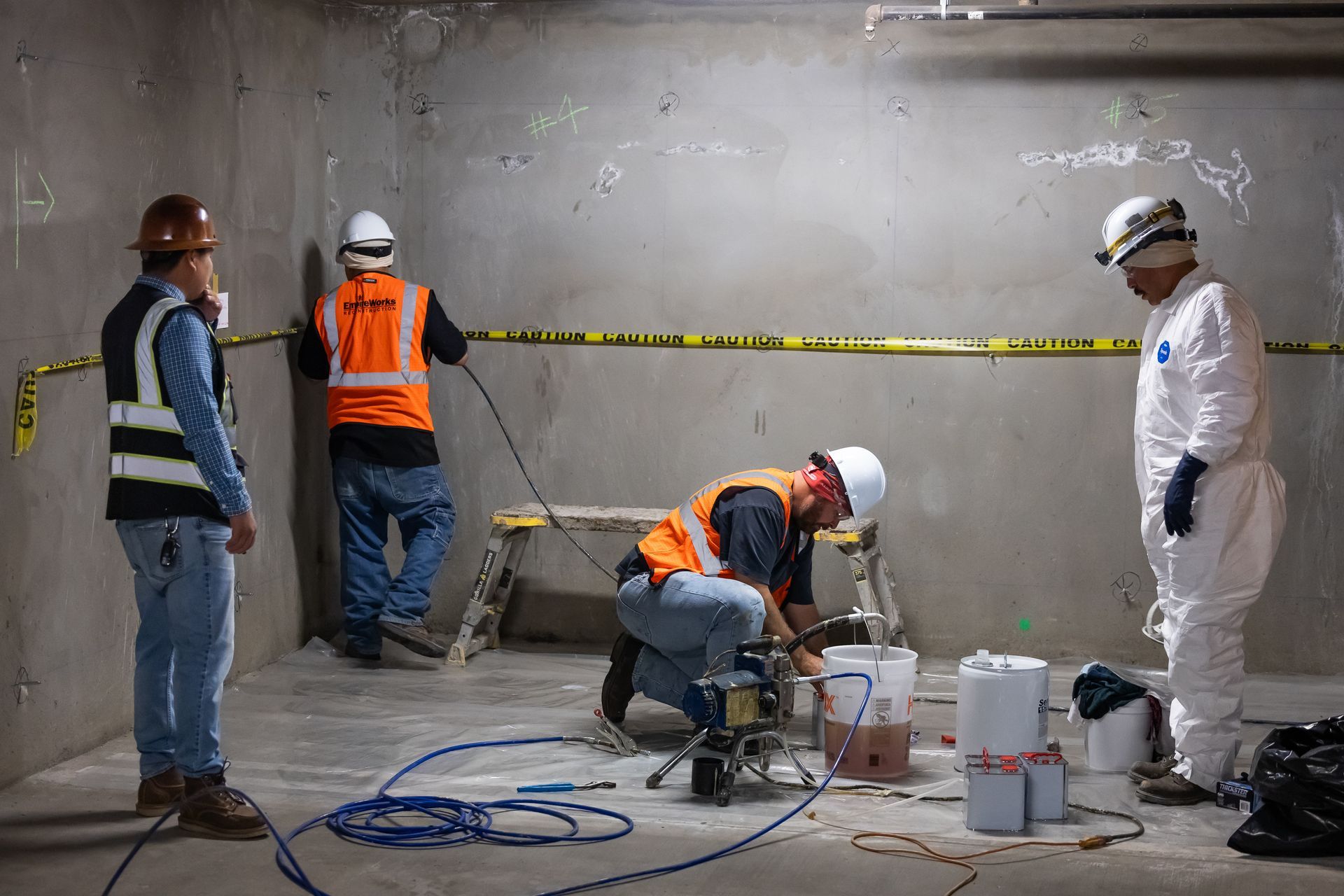
Comprehensive site inspection and moisture testing
02
Identify leak sources and assess structural impact
03
Apply specialized coatings and drainage solutions
04
Quality testing and preventive maintenance planning
Waterproofing FAQs for Phoenix Property Owners
Why does Phoenix's urban heat island affect waterproofing specifically?
The urban heat island effect pushes Phoenix surface temperatures well above ambient air temperature, causing building envelopes to expand and contract more aggressively than in surrounding communities. That constant thermal movement opens micro-gaps in stucco, concrete, and membrane systems that let monsoon moisture penetrate, often invisibly until significant damage has already accumulated.
We target those specific failure points in flat-roof commercial construction and podium-style residential buildings, which are particularly vulnerable throughout the Biltmore, Arcadia, and Ahwatukee Foothills areas.
Why does monsoon season expose waterproofing problems so quickly in Phoenix?
Phoenix's monsoon season, officially running from June 15 through September 30, delivers most of the city's annual rainfall in short, intense events that overwhelm drainage systems and expose waterproofing failures fast. Clay-heavy soils in areas like Laveen and South Phoenix create significant hydrostatic pressure during those events, which we account for in every foundation and below-grade scope.
We're also familiar with flood zone designations along the Salt River and Cave Creek corridors, which affects how we approach drainage and grading in a waterproofing plan.
Why are so many Phoenix properties dealing with waterproofing failures now?
Many Phoenix properties built during the growth surges of the 1990s and early 2000s are now seeing original waterproofing systems reach end of life at the same time, and we regularly help property managers plan phased remediation programs across large portfolios facing that exact timing. Rather than reacting building by building, we help sequence the work strategically.
We navigate the City of Phoenix Development Services Department's requirements for membrane systems on low-slope roofs and below-grade applications in areas with expansive soils as part of every project.
Featured Projects
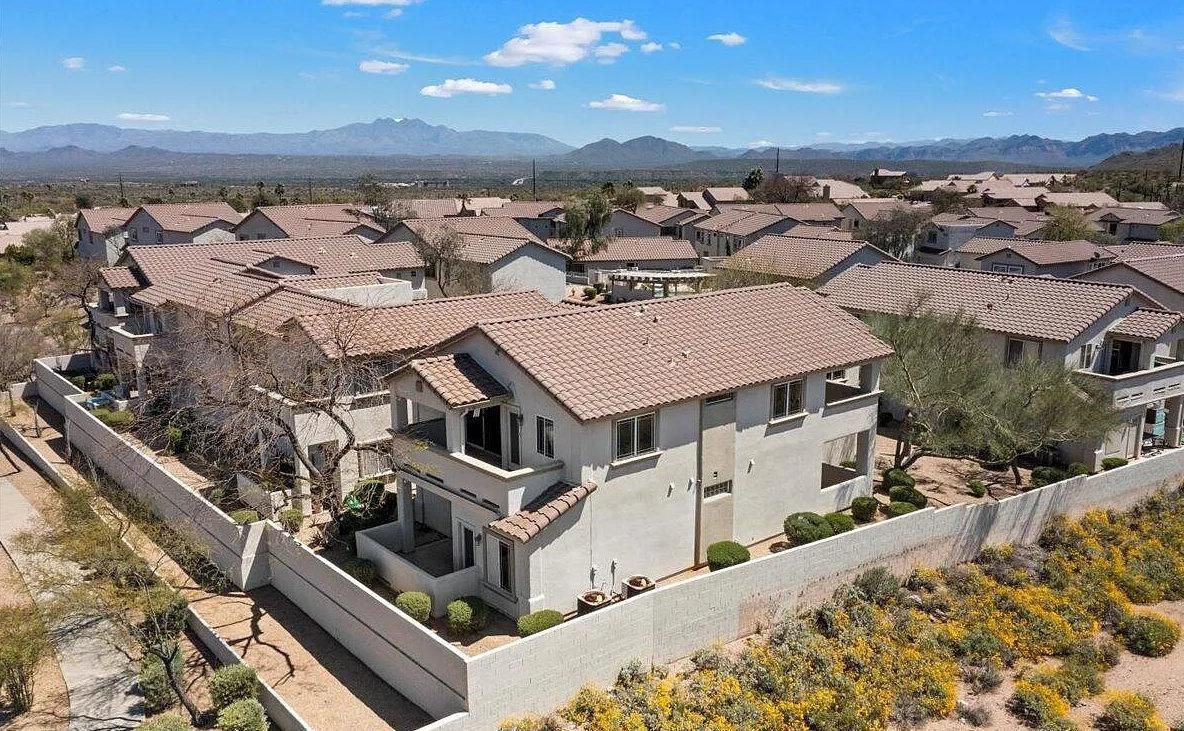
Monterra Ranch
Year Built: 1998
Client: AER Community Management
Size: 41 Buildings
Scope:
- Exterior surfaces were power washed, prepped, spot-primed, and painted to clean and refresh the building's appearance
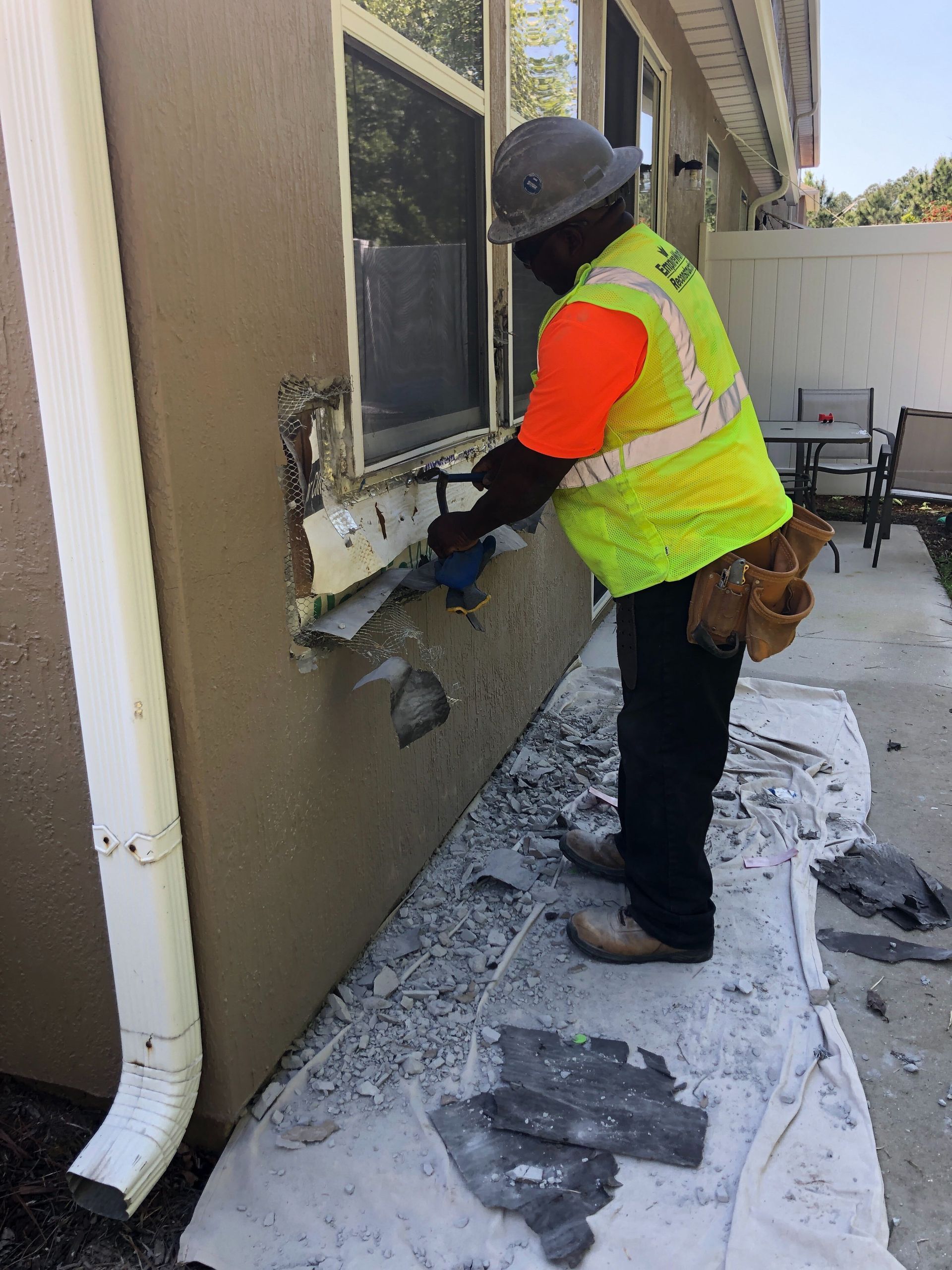
- Stucco was repaired and replace at areas where it was visibly cracking or coming loose from the building
- A texture coat of stucco was applied to blend with the existing finish as closely as possible, and newly exposed sections received a brown coat to establish a smooth base for further stucco work
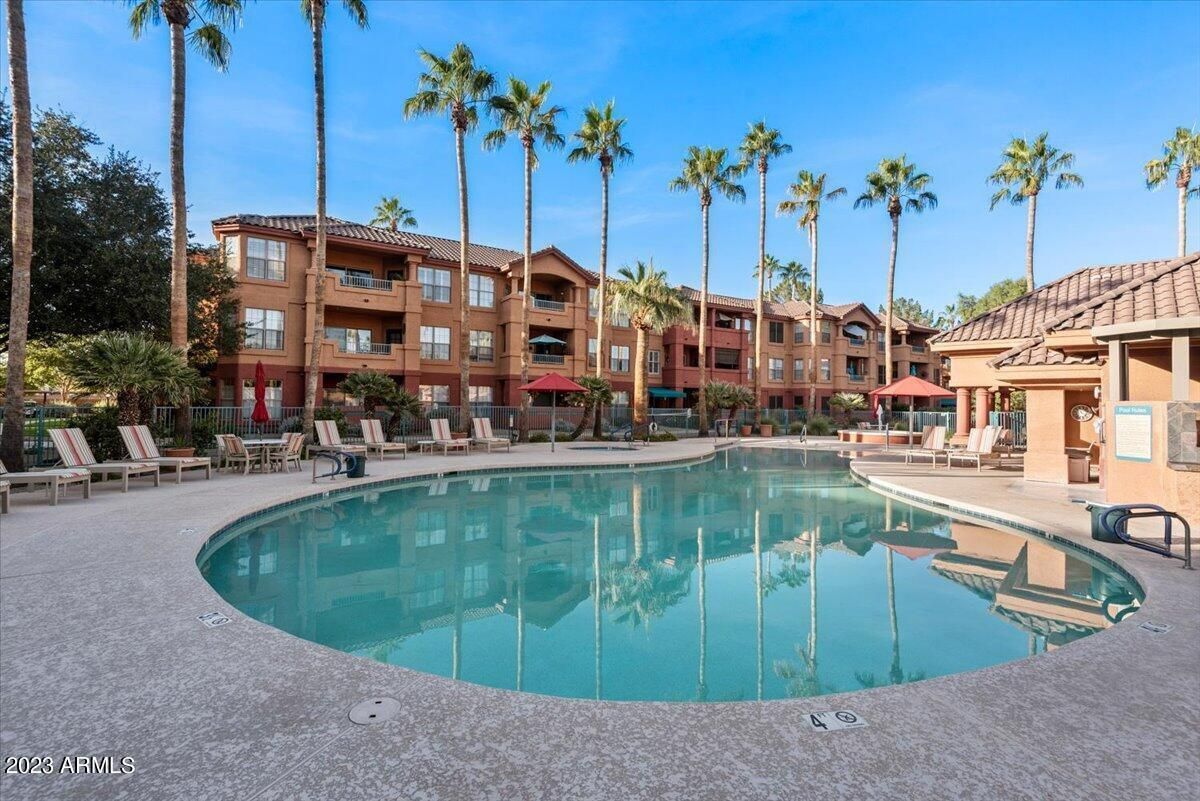
La Solana Condominiums
Year Built: 1998
Client: City Property Management
Size: 7 Buildings
Scope:
- Exterior surfaces designated for painting were pressure washed to remove dirt, dust, efflorescence, loose paint, and other contaminants. The surfaces were then allowed to dry fully before applying any patching, primer, or finish coats
- Repairs and upgrades were completed on various parts of the Clubhouse, including the stucco, utility doors, entry French doors, patio cover, fascia, window mullions, and parapet caps to improve overall condition and appearance
Request a Waterproofing Quote Today!
ROC 202664 (Class CR34)
ROC 269463 (Class KB-2)