





360+ 5-Star Google Reviews
Wood Repairs and Replacement in Phoenix, Arizona
Expert wood restoration and replacement for Arizona's extreme heat and dry climate
Heat-Resistant Wood Solutions for Phoenix's Extreme Climate
Phoenix's wood repair and replacement market is driven by a building stock that was largely framed in wood during the city's rapid growth from the 1970s through the 2000s — and that wood has been exposed to some of the most extreme conditions any framed construction faces anywhere in the country. Phoenix summer temperatures regularly exceed 115°F, and the combination of intense UV radiation, low ambient humidity, and extreme diurnal temperature swings causes wood to dry, crack, split, and lose structural integrity faster than virtually any other climate. Our Phoenix wood repair team works specifically within this environment, selecting materials and application methods designed for these conditions.
We serve properties across Phoenix's full spectrum, from HOA communities in Ahwatukee Foothills and the Deer Valley area where wood siding, fascia, and trim on 1980s and 1990s-era construction are reaching systemic replacement age, to commercial and multifamily properties in the Camelback Corridor and North Phoenix where wood-framed balcony assemblies and structural connections require ongoing maintenance and periodic replacement. Phoenix's termite pressure — the city sits in one of the highest subterranean termite activity zones in the U.S. — adds a biological deterioration factor to the standard climate-driven wood damage our team routinely addresses. Every Phoenix wood repair scope we develop accounts for both the environmental and pest-related conditions specific to the property's location within the city.



Phoenix's Wood-Framed Stock Fights Two Enemies: Heat and Termites
Arizona's extreme heat and low humidity create unique challenges for wood structures. Daily temperature swings can exceed 40 degrees, causing significant expansion and contraction. The intense UV exposure rapidly degrades untreated wood, while the dry climate can cause splitting and warping. Our Phoenix team understands these desert-specific challenges and selects materials that can withstand temperatures exceeding 120°F while maintaining structural integrity.
What's Really Behind Wood Failure in Phoenix
Extreme heat causing wood splitting and warping
Intense UV exposure leading to rapid degradation
Low humidity causing excessive drying and cracking
What You Get From Wood Repairs Built for Phoenix's Conditions
Desert-rated wood materials
Heat and UV damage prevention
Long-lasting structural solutions
Specialized expertise in extreme heat wood repair
Materials specifically rated for 120°F+ temperatures
Proven techniques for Arizona's dry climate challenges
Our Wood Repair Process for Phoenix Properties
We keep the process simple and transparent from the first call to the final walkthrough.
01
Comprehensive wood condition assessment
02
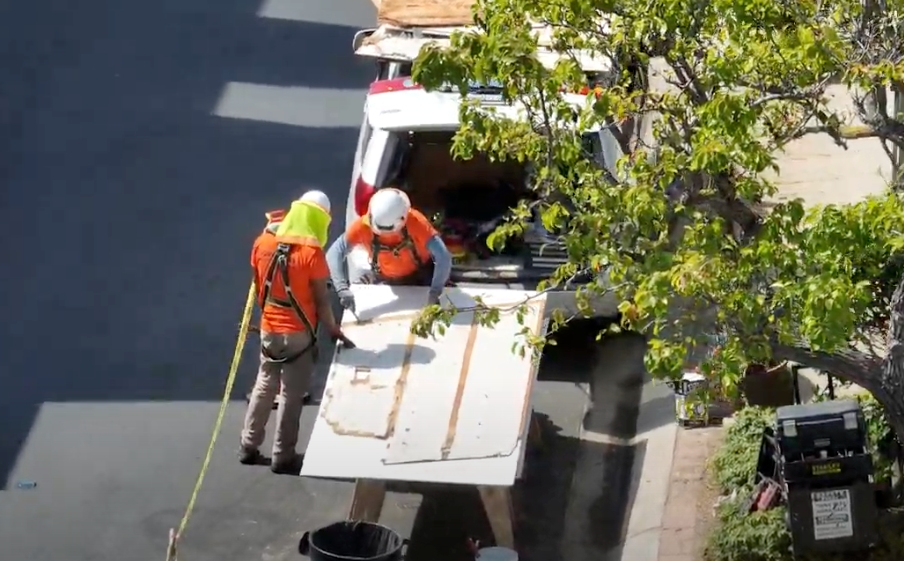
Removal of damaged wood and structural evaluation
03
Installation of desert-rated replacement materials
04
Protective coating and heat-resistant sealing
Wood Repair Questions From Phoenix Property Owners
Our wood trim is from the 1980s or 1990s. Is it time to replace it all?
A lot of Phoenix's HOA communities in areas like Ahwatukee Foothills and Deer Valley have wood siding, fascia, and trim from 1980s and 1990s construction that's now reaching the point of systemic replacement, not isolated repair. We assess whether your property has hit that age-driven tipping point before recommending a spot fix versus a broader replacement plan.
Could termites be contributing to our wood damage, not just the heat?
Phoenix sits in one of the highest subterranean termite activity zones in the country, and that adds a biological deterioration factor on top of the climate damage most people expect. We check for termite activity as a standard part of every wood assessment, since treating heat damage alone misses half the problem in a lot of cases.
Are wood-framed balconies a bigger concern than decorative trim?
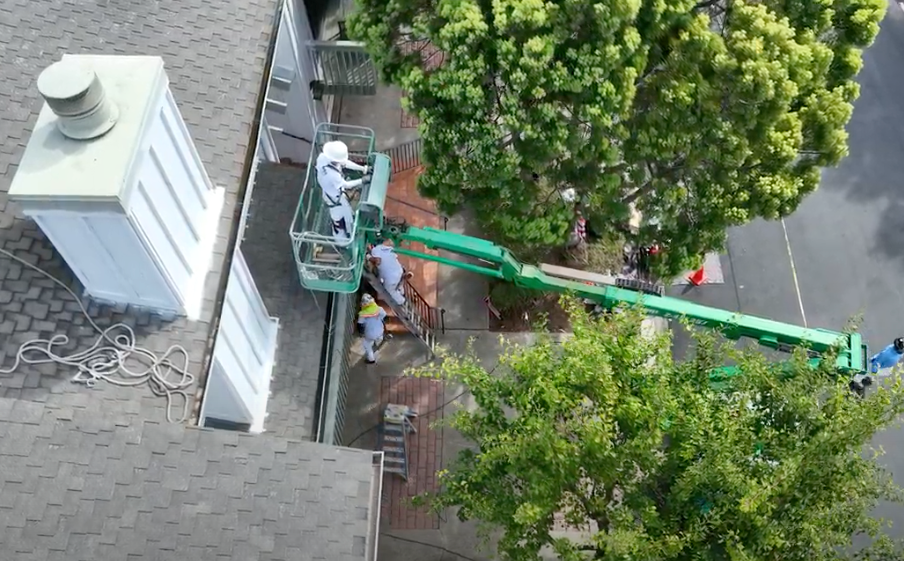
Wood-framed balcony assemblies in properties along the Camelback Corridor and North Phoenix take on structural loading that decorative trim doesn't, and a failure there is a safety issue, not just a cosmetic one. We evaluate those structural connections separately from decorative wood elements, since the stakes and repair approach are different.
Featured Projects
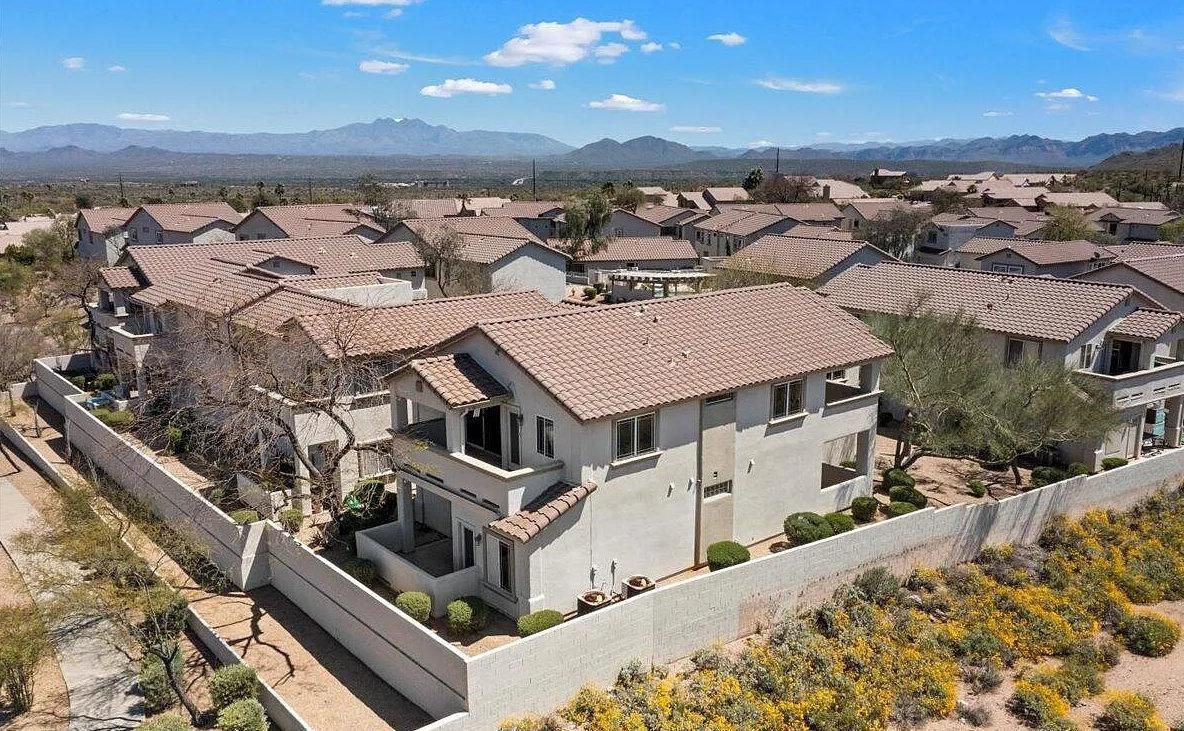
Monterra Ranch
Year Built: 1998
Client: AER Community Management
Size: 41 Buildings
Scope:
- Exterior surfaces were power washed, prepped, spot-primed, and painted to clean and refresh the building's appearance
- Stucco was repaired and replace at areas where it was visibly cracking or coming loose from the building
- A texture coat of stucco was applied to blend with the existing finish as closely as possible, and newly exposed sections received a brown coat to establish a smooth base for further stucco work
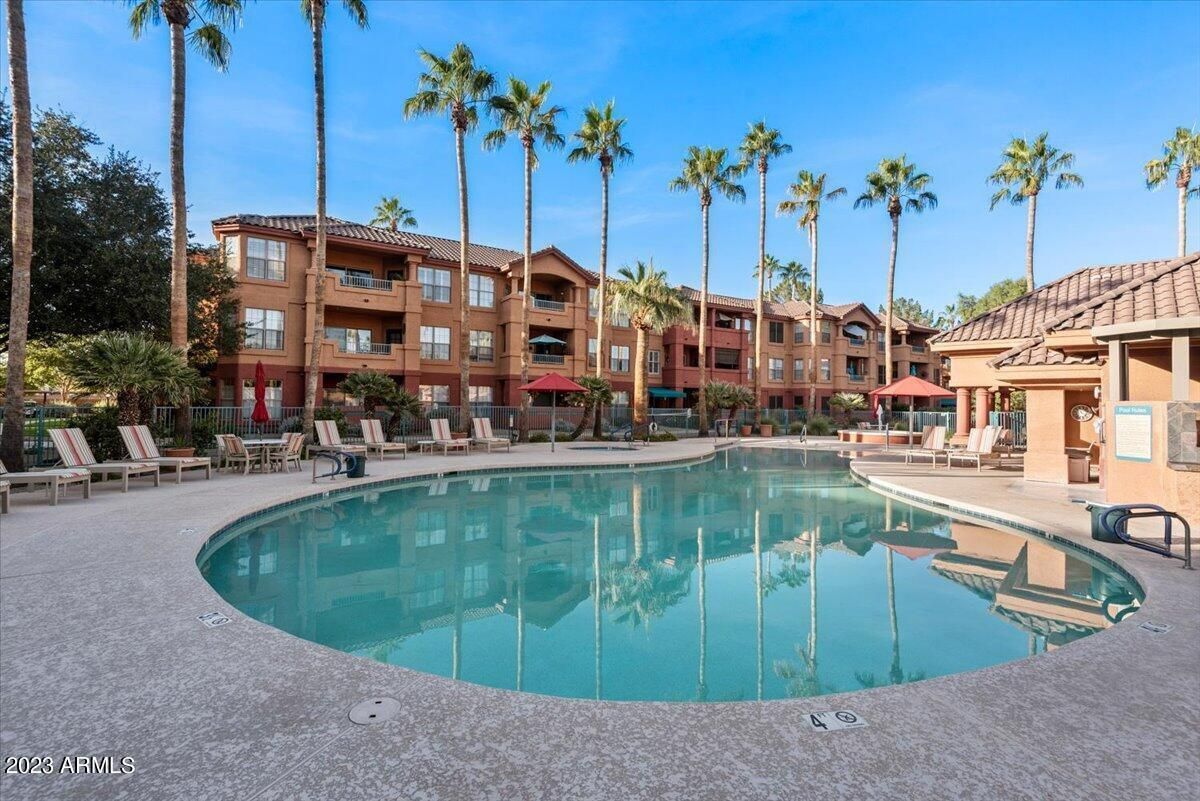
La Solana Condominiums
Year Built: 1998
Client: City Property Management
Size: 7 Buildings
Scope:
- Exterior surfaces designated for painting were pressure washed to remove dirt, dust, efflorescence, loose paint, and other contaminants. The surfaces were then allowed to dry fully before applying any patching, primer, or finish coats
- Repairs and upgrades were completed on various parts of the Clubhouse, including the stucco, utility doors, entry French doors, patio cover, fascia, window mullions, and parapet caps to improve overall condition and appearance
Request a Wood Repairs and Replacement Quote Today!
ROC 202664 (Class CR34)
ROC 269463 (Class KB-2)