





360+ 5-Star Google Reviews
Balcony Repair Services in Prescott, Arizona
Professional balcony restoration for high-altitude freeze-thaw damage and mountain weather conditions.
Mountain Climate Balcony Solutions for Prescott Properties
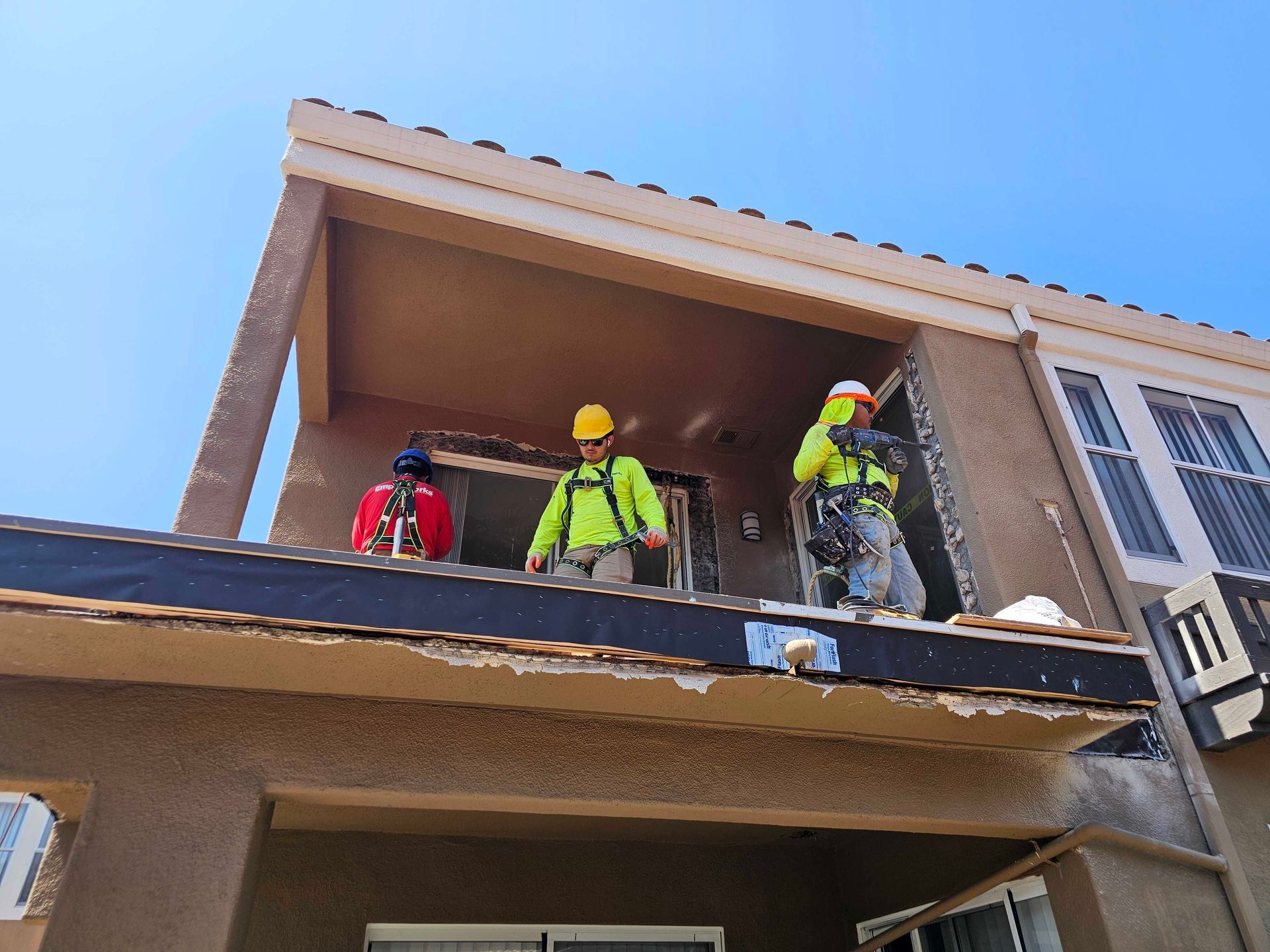
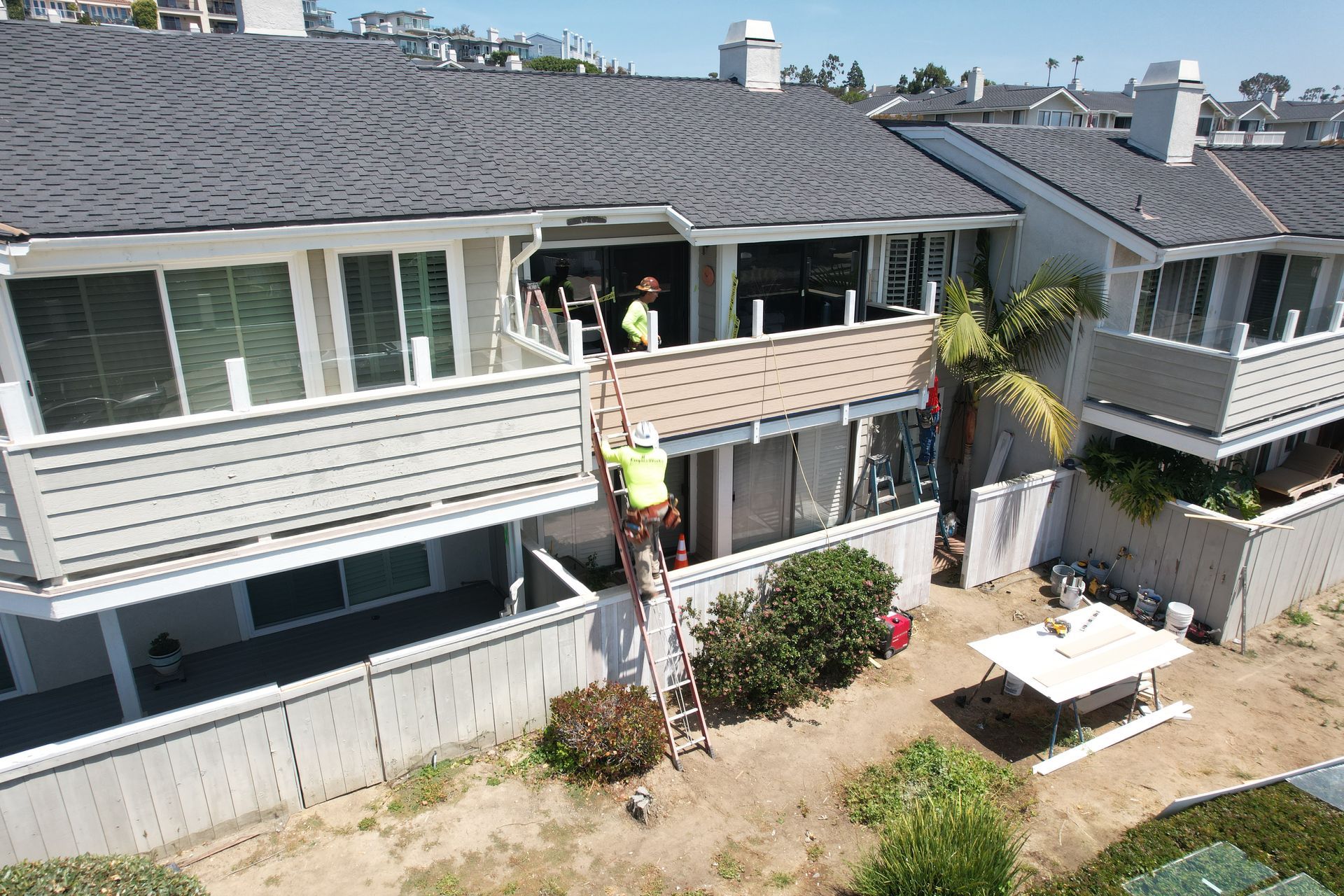
Prescott's unique high-desert mountain environment at 5,400 feet elevation creates specific challenges for balcony systems that require specialized repair expertise. Our balcony restoration services address the freeze-thaw cycles, intense UV exposure, and dramatic temperature swings that characterize this region's climate. From historic downtown condominiums to newer developments in Prescott Lakes and Granville, we've helped property managers and HOAs maintain safe, functional outdoor spaces. The combination of winter snow loads, spring snowmelt, summer monsoons, and year-round UV intensity demands materials and techniques specifically engineered for Central Arizona's mountain conditions. Our team understands how Prescott's granite bedrock, seasonal weather patterns, and building settlement issues affect balcony structural integrity over time.



Balcony Repair at Prescott's 5,400-Foot Elevation
Prescott's elevation and mountain climate create unique structural stresses on multifamily balcony systems. Winter temperatures regularly drop below freezing while summer highs exceed 90°F, causing continuous expansion and contraction in concrete and steel components. The City of Prescott building codes require enhanced structural considerations for snow loads and seismic activity due to the region's geological characteristics. Properties in neighborhoods like Hassayampa Village, Prescott Country Club, and the Miller Valley area face additional challenges from seasonal drainage patterns and slope stability issues. HOA communities throughout Yavapai County must navigate both city regulations and county building standards, particularly for older properties built before current weatherproofing requirements. The area's rapid growth has created a mix of construction vintages, from 1980s wood-frame buildings to modern concrete structures, each requiring different repair approaches for balcony systems.
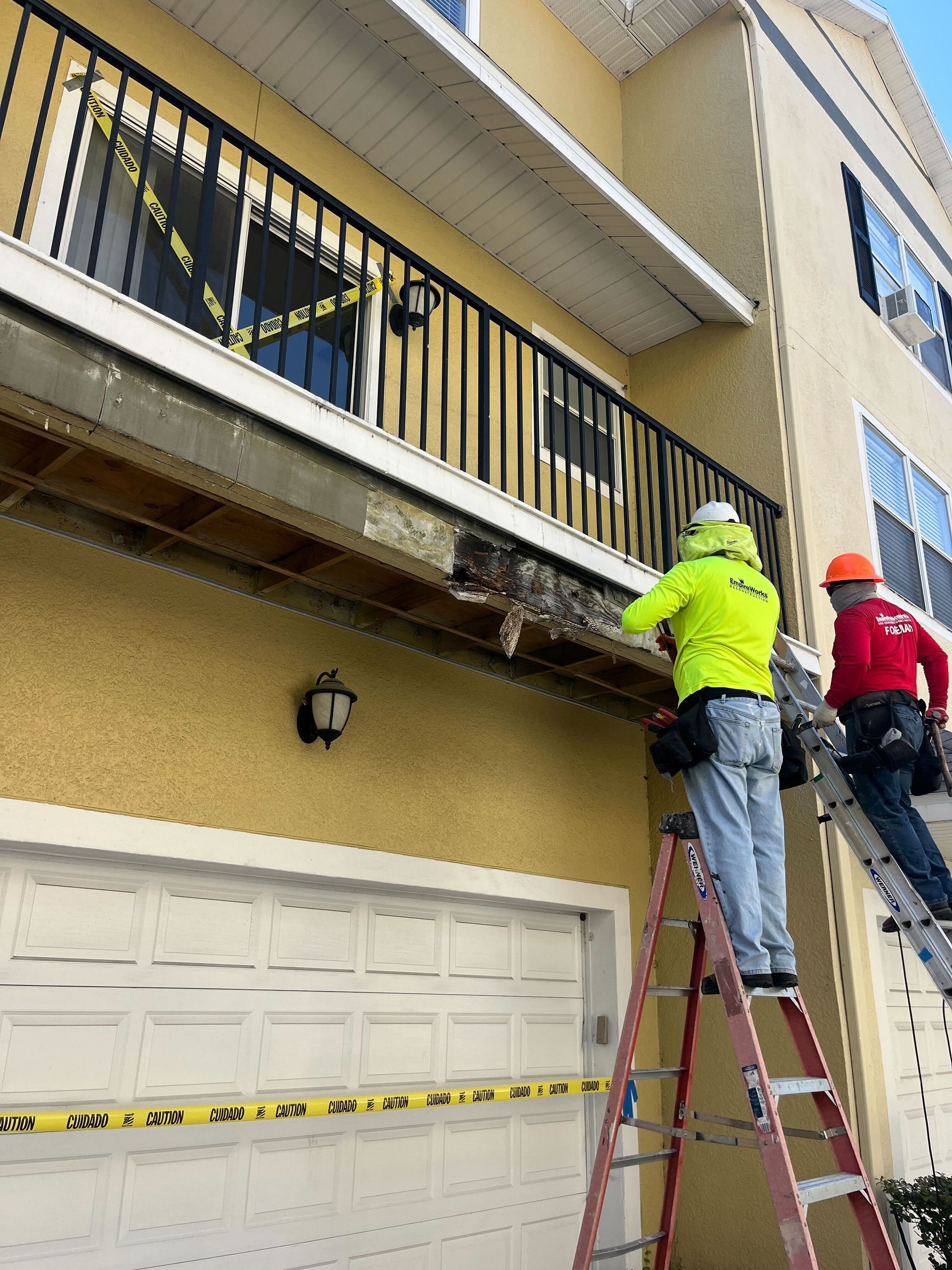
What Prescott's Freeze-Thaw Cycles Do to Balcony Structures
Freeze-thaw concrete cracking and spalling
Seasonal moisture infiltration and drainage
High-altitude UV degradation of materials
What Prescott Properties Gain From Mountain-Rated Balcony Repair
Freeze-thaw resistant repair systems
High-altitude weatherproofing expertise
Snow load structural reinforcement
Mountain climate construction specialists
Yavapai County building code expertise
Local HOA and multifamily experience
Our Balcony Repair Process in Prescott
We keep the process simple and transparent from the first call to the final walkthrough.
01
Elevation-specific structural assessment
02
Freeze-thaw damage evaluation
03
Mountain-rated material installation
04
Weather-resistant sealing and protection
Balcony Repair Questions From Prescott Property Owners
Why does concrete cracking happen more on Prescott balconies than in Phoenix?
Winter temperatures regularly drop below freezing while summer highs exceed 90 degrees, causing continuous expansion and contraction in concrete and steel balcony components, which is a freeze-thaw stress pattern that Phoenix-area properties simply don't experience.
Does a 1980s wood-frame building need a different balcony repair approach than a modern concrete structure?
Yes, Prescott's rapid growth created a mix of construction vintages, and each requires different repair approaches for balcony systems, so we assess the actual structural type before specifying materials rather than applying one method regardless of build era.
Do Yavapai County building standards differ from City of Prescott requirements for balcony repairs?
Yes, HOA communities throughout Yavapai County must navigate both city regulations and county building standards, particularly for older properties built before current weatherproofing requirements, and we confirm which standard applies before finalizing the repair plan.
Featured Projects
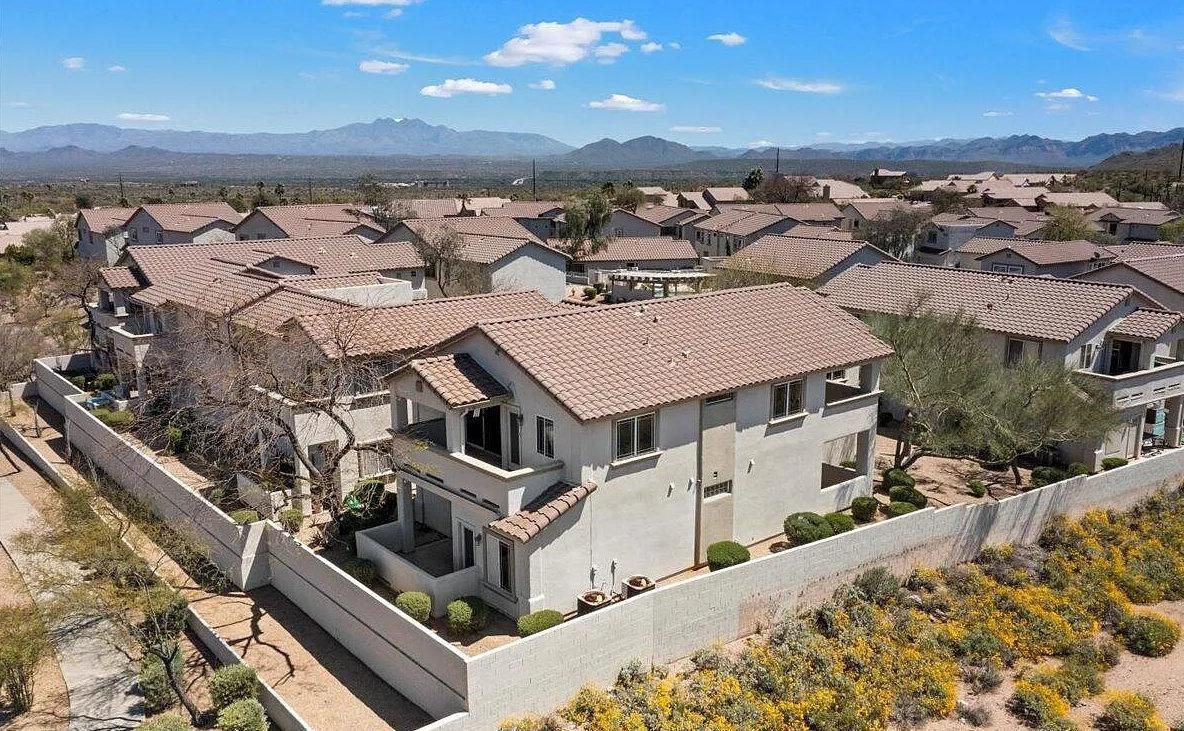
Monterra Ranch
Year Built: 1998
Client: AER Community Management
Size: 41 Buildings
Scope:
- Exterior surfaces were power washed, prepped, spot-primed, and painted to clean and refresh the building's appearance
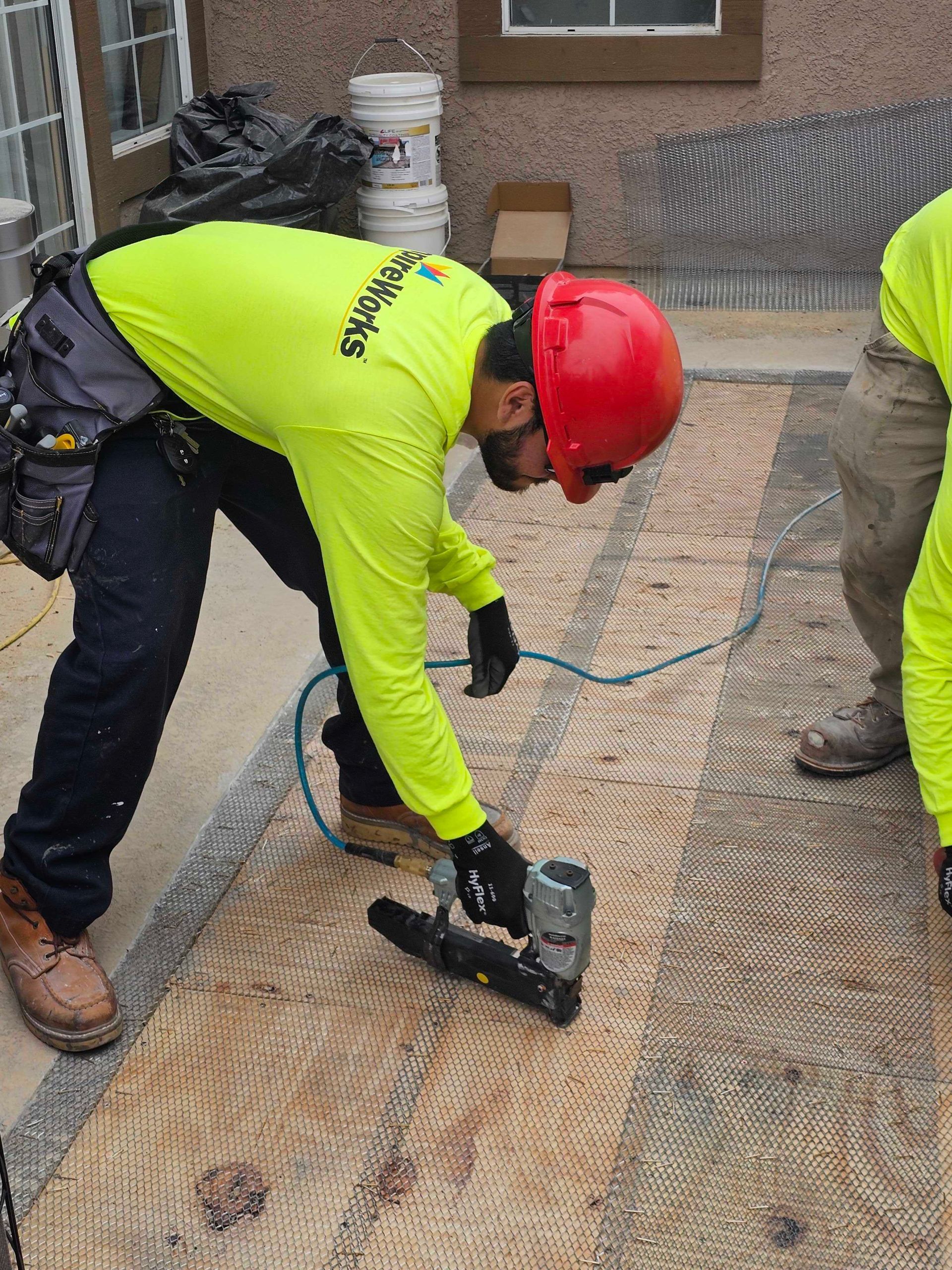
- Stucco was repaired and replace at areas where it was visibly cracking or coming loose from the building
- A texture coat of stucco was applied to blend with the existing finish as closely as possible, and newly exposed sections received a brown coat to establish a smooth base for further stucco work
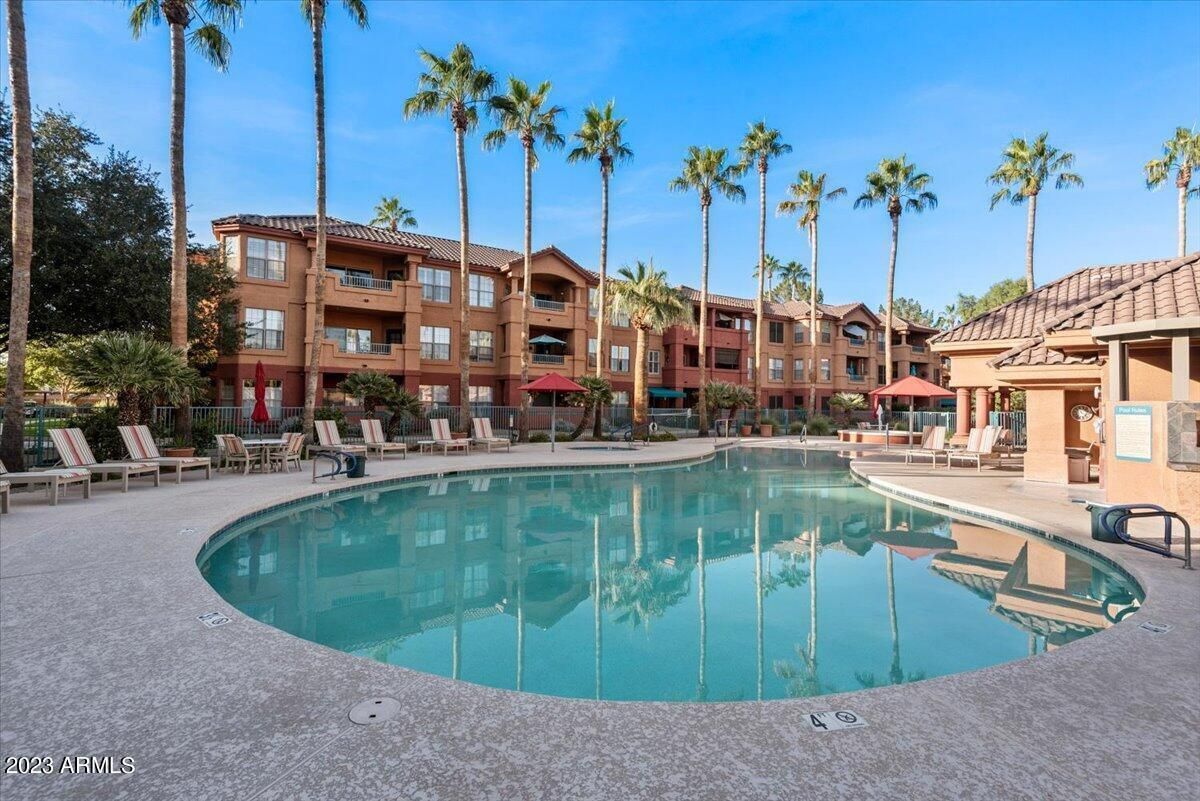
La Solana Condominiums
Year Built: 1998
Client: City Property Management
Size: 7 Buildings
Scope:
- Exterior surfaces designated for painting were pressure washed to remove dirt, dust, efflorescence, loose paint, and other contaminants. The surfaces were then allowed to dry fully before applying any patching, primer, or finish coats
- Repairs and upgrades were completed on various parts of the Clubhouse, including the stucco, utility doors, entry French doors, patio cover, fascia, window mullions, and parapet caps to improve overall condition and appearance
Request a Balcony Repair Quote Today!
ROC 202664 (Class CR34)
ROC 269463 (Class KB-2)