





360+ 5-Star Google Reviews
Wood Repairs & Replacement Prescott, Arizona
Professional wood restoration services designed for Prescott's mountain climate and high-country conditions.
Comprehensive Wood Restoration for Prescott's Mountain Properties
Prescott's unique high-country environment at 5,400 feet elevation presents distinct challenges for wood structures across the city's diverse neighborhoods, from historic homes in the Courthouse Plaza district to modern developments in Talking Rock Ranch and Granville. The combination of intense high-altitude UV radiation, dramatic temperature swings, and seasonal monsoon moisture creates accelerated wood deterioration that requires specialized repair techniques and materials suited for mountain conditions.
Our wood restoration specialists understand how Prescott's four-season climate affects different wood species commonly found in local construction, including ponderosa pine trim, Douglas fir framing, and decorative cedar elements. From Victorian-era cottages near Thumb Butte to contemporary condominiums in Prescott Lakes, we provide comprehensive wood repair and replacement services that preserve structural integrity while maintaining the authentic character that defines Prescott's architectural landscape.



Wood Restoration for Prescott's High-Country Architecture
Prescott's construction standards reflect both its historic preservation requirements and modern building codes adapted for high-elevation conditions. Properties in established neighborhoods like Forest Trails and Williamson Valley Ranch often feature exposed wood beams, cedar siding, and log accents that require specialized maintenance due to the area's 300+ days of sunshine and seasonal freeze-thaw cycles. The City of Prescott's building department requires permits for structural wood repairs, and historic district properties must comply with additional preservation guidelines.
Local HOAs and condo associations throughout areas like Prescott Country Club and Hassayampa Village frequently address wood maintenance issues caused by the region's low humidity levels and significant diurnal temperature variations. Our team stays current with Yavapai County building requirements and understands how Prescott's granite-based soils and monsoon drainage patterns affect foundation-level wood elements, ensuring all repairs meet local standards while addressing the specific environmental stressors unique to Arizona's high country.
What Prescott's Elevation Does to Different Wood Species
High-altitude UV wood degradation
Seasonal freeze-thaw wood movement
Historic district preservation requirements
What Prescott Property Owners Gain From Mountain-Specific Wood Care
High-altitude climate wood expertise
Historic district compliance knowledge
Mountain-grade lumber selection
Prescott high-country construction specialists
Local building code and HOA compliance
Proven mountain climate wood solutions
Our Wood Repair Process for Prescott Properties
We keep the process simple and transparent from the first call to the final walkthrough.
01
Elevation-specific damage assessment
02
Mountain-grade material sourcing
03
Climate-appropriate installation techniques
04
High-altitude protective finishing
Wood Repairs and Replacement in Prescott: FAQs
Does Prescott's 300+ days of sunshine really matter if the climate isn't as hot as Phoenix?
It matters quite a bit, actually, because UV intensity at Prescott's 5,400-foot elevation is significantly stronger than at sea level, and that intensity doesn't depend on air temperature. Even on a cool day, wood surfaces exposed to Prescott's abundant sunshine take substantial UV damage, which is why wood elements here can show as much or more sun-related deterioration as wood in Arizona's hotter, lower-elevation cities, just through a different mechanism.
Our building is in the historic district near Courthouse Plaza — are there special rules for wood repairs?
Yes. Properties within Prescott's historic districts, including buildings near Courthouse Plaza, fall under additional preservation guidelines beyond the standard building department permit requirements for structural wood repairs. We confirm a property's historic district status and the specific preservation standards that apply before sourcing materials or beginning work, since using an incorrect material or method on a historic property can create compliance problems even for a well-executed repair.
Why does our cedar siding look different from the Douglas fir trim on the same building?
That's a normal outcome of using two different wood species that age differently under the same conditions. Cedar and Douglas fir have distinct grain structures, natural oil content, and weathering characteristics, so even with identical sun exposure and identical finish products, they'll develop a different appearance over time. We identify each wood species present on a property before recommending repair materials, since matching character means understanding how that specific species is supposed to look as it ages, not assuming uniform weathering across different woods.
Featured Projects
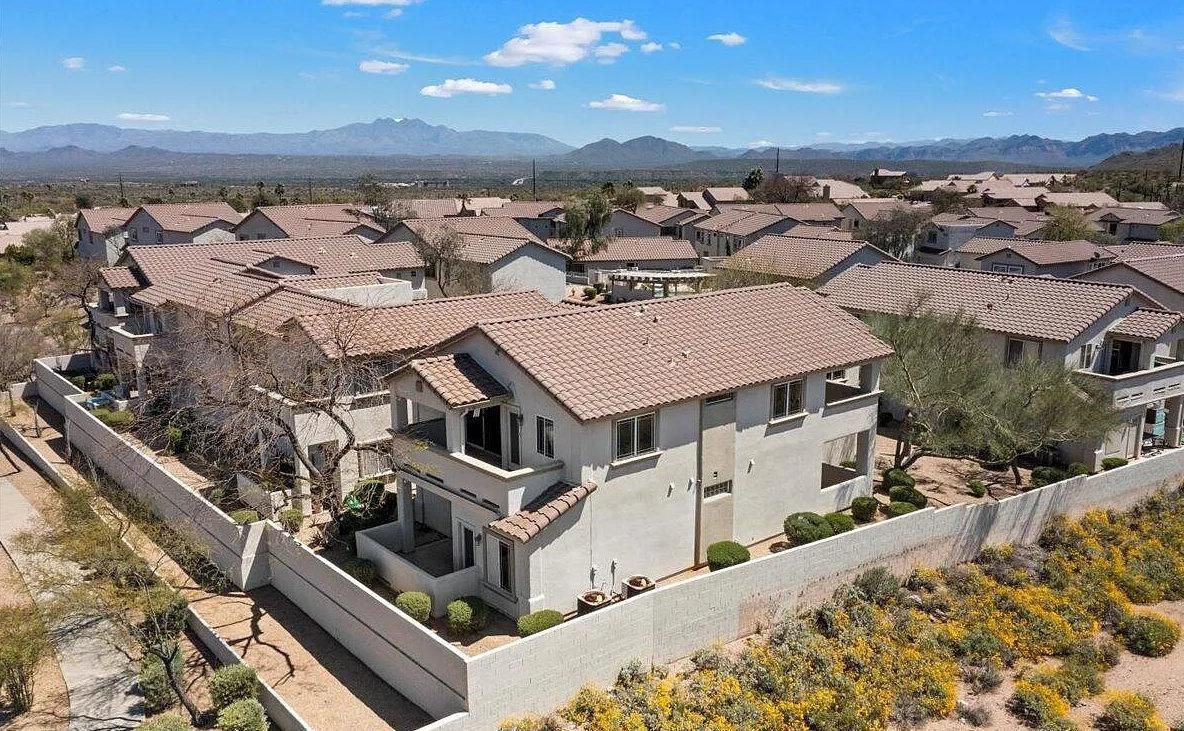
Monterra Ranch
Year Built: 1998
Client: AER Community Management
Size: 41 Buildings
Scope:
- Exterior surfaces were power washed, prepped, spot-primed, and painted to clean and refresh the building's appearance
- Stucco was repaired and replace at areas where it was visibly cracking or coming loose from the building
- A texture coat of stucco was applied to blend with the existing finish as closely as possible, and newly exposed sections received a brown coat to establish a smooth base for further stucco work
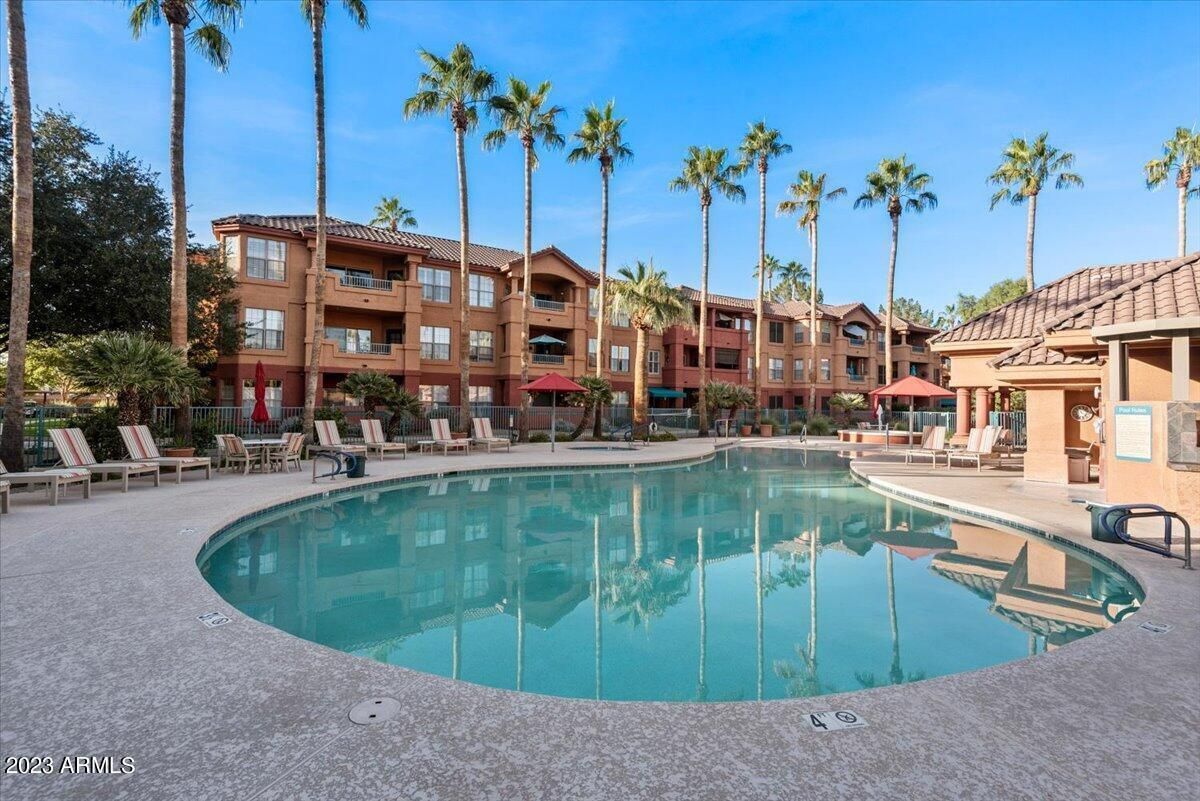
La Solana Condominiums
Year Built: 1998
Client: City Property Management
Size: 7 Buildings
Scope:
- Exterior surfaces designated for painting were pressure washed to remove dirt, dust, efflorescence, loose paint, and other contaminants. The surfaces were then allowed to dry fully before applying any patching, primer, or finish coats
- Repairs and upgrades were completed on various parts of the Clubhouse, including the stucco, utility doors, entry French doors, patio cover, fascia, window mullions, and parapet caps to improve overall condition and appearance
Request a Wood Repairs and Replacement Quote Today!
ROC 202664 (Class CR34)
ROC 269463 (Class KB-2)