





360+ 5-Star Google Reviews
Construction Defect Litigation Services in Tempe, AZ
Professional litigation support and remediation for Tempe's diverse residential and commercial properties.
Litigation Support Specialists for Tempe Properties
Construction defect litigation in Tempe demands expertise in the city's unique building landscape, from historic mill town structures to modern high-rise developments near ASU. Our specialized team collaborates with legal counsel, insurance companies, and property owners to execute court-mandated repairs and compliance measures. We understand Tempe's challenging desert climate conditions, including extreme heat cycles and flash flood potential from the Salt River corridor.
Our litigation support services encompass everything from initial damage assessment to final remediation work on multi-family complexes, student housing developments, and commercial properties throughout Tempe. We maintain detailed documentation protocols required by Arizona courts and work seamlessly with construction defect attorneys to ensure all repair work meets legal standards and timelines established in settlement agreements.

Tempe's Growth From College Town to Metro Center Shapes Every Case
Tempe's construction landscape reflects rapid growth from a small college town to a major metropolitan center, creating unique challenges in defect litigation cases. The city's proximity to Arizona State University has driven extensive student housing development, while established neighborhoods like Optimist Park and McClintock Ranch feature varied construction methods and materials spanning several decades. Local soil conditions, including expansive clay deposits and caliche layers, contribute to foundation settlement issues commonly seen in litigation cases.
The city's compliance with Arizona Revised Statutes Title 12 and Tempe's specific building codes requires thorough understanding of both state construction defect law and local ordinances. Properties built during Tempe's major growth periods often exhibit issues related to inadequate waterproofing systems, given the area's intense monsoon seasons and urban heat island effects. Our team maintains current knowledge of Tempe's development regulations and works closely with city inspectors to ensure all remediation work meets current code requirements while addressing litigation-identified defects.
The Defect Patterns We See Most in Tempe Construction
Salt River flood zone complications
Expansive clay soil movement
Extreme heat building stress
What Property Owners and Attorneys Gain From Our Tempe Litigation Support
ASU-area housing expertise
Arizona legal compliance specialists
Desert climate remediation knowledge
Extensive Tempe market experience
Attorney-preferred litigation partner
Multi-family construction specialists
How a Tempe Defect Case Moves From Consultation to Closeout
We keep the process simple and transparent from the first call to the final walkthrough.
01
Attorney consultation and case review
02
Detailed defect assessment and documentation
03
Court-compliant repair implementation
04
Legal certification and project closeout
Tempe Construction Defect Litigation: Common Questions
How do you tell the difference between normal settling and an actual construction defect in a Tempe property?
Not every crack or settlement mark in a Tempe property is a construction defect, but the patterns matter. Optimist Park and McClintock Ranch have properties built across several decades on soil that includes both expansive clay deposits and caliche layers, and when a building was engineered without accounting for that combination, you see specific signatures: diagonal cracking radiating from corners, doors and windows binding out of square, and slab settlement that follows a predictable pattern rather than isolated random spots. Our assessment team documents these patterns against original construction drawings and soil reports to determine whether the issue traces back to a design or construction failure rather than normal aging.
Why do so many Tempe litigation cases involve waterproofing failures?
Tempe's intense monsoon seasons combine with urban heat island effects from the city's dense multifamily and student housing development to expose waterproofing systems that weren't detailed correctly the first time. Properties built during Tempe's fastest growth periods near ASU often used waterproofing details that worked fine in mild weather but fail once repeated monsoon downpours find every gap in flashing, membrane laps, or deck coatings. In litigation, we trace water intrusion back to its origin point and document whether it stems from a specific installation defect covered by the settlement agreement or ordinary wear.
What documentation does Arizona's construction defect law require before remediation can begin?
Arizona Revised Statutes Title 12 governs construction defect claims and sets specific notice and documentation requirements before repair work can begin, and Tempe's own building code adds another layer for properties within city limits. We maintain detailed photo, moisture-testing, and destructive-investigation records at every stage, coordinate with city inspectors on required permits, and structure our reporting so it holds up to scrutiny from opposing counsel, insurers, and the court. That documentation trail is often what determines whether a settlement holds without further dispute.
Featured Projects
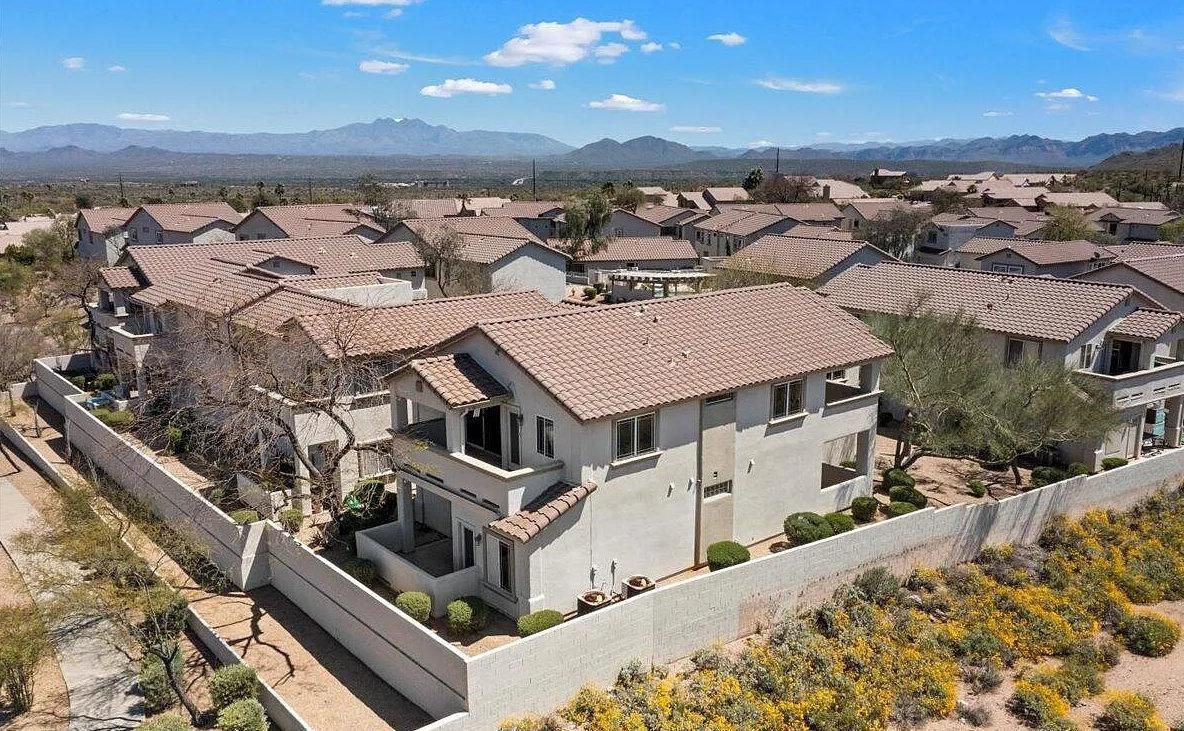
Monterra Ranch
Year Built: 1998
Client: AER Community Management
Size: 41 Buildings
Scope:
- Exterior surfaces were power washed, prepped, spot-primed, and painted to clean and refresh the building's appearance
- Stucco was repaired and replace at areas where it was visibly cracking or coming loose from the building
- A texture coat of stucco was applied to blend with the existing finish as closely as possible, and newly exposed sections received a brown coat to establish a smooth base for further stucco work
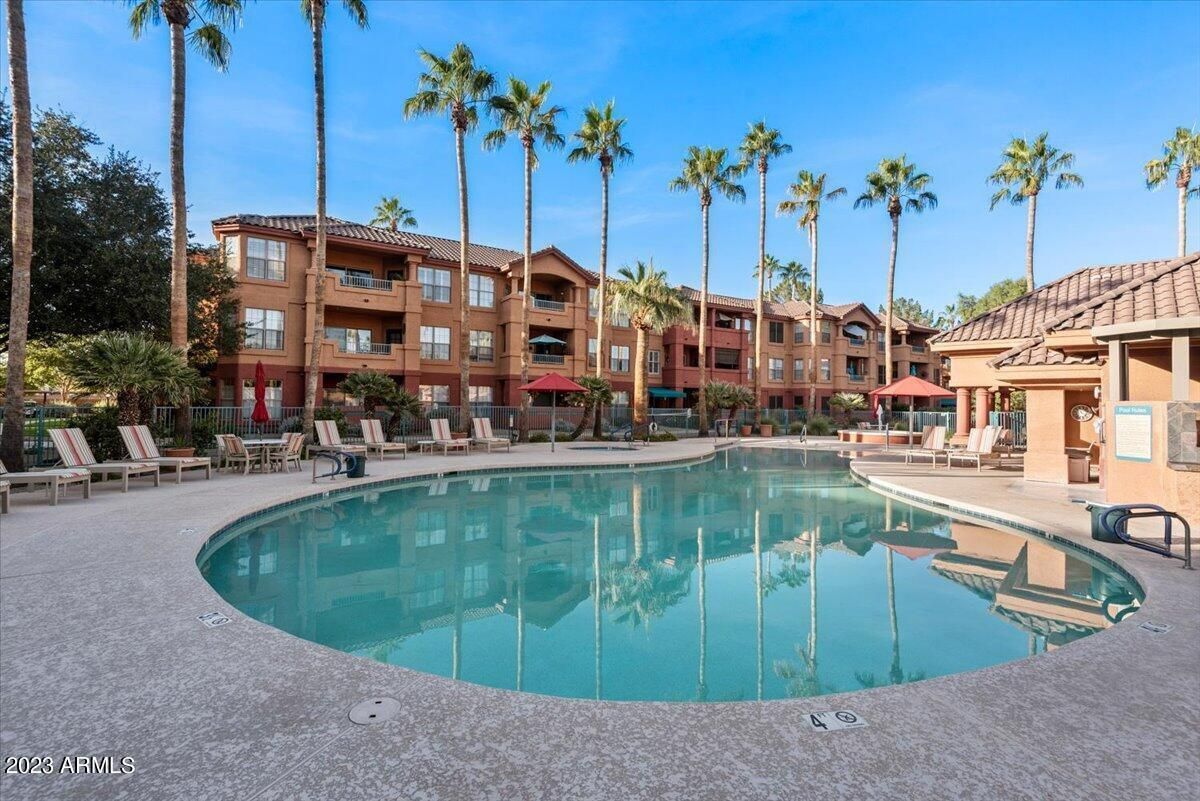
La Solana Condominiums
Year Built: 1998
Client: City Property Management
Size: 7 Buildings
Scope:
- Exterior surfaces designated for painting were pressure washed to remove dirt, dust, efflorescence, loose paint, and other contaminants. The surfaces were then allowed to dry fully before applying any patching, primer, or finish coats
- Repairs and upgrades were completed on various parts of the Clubhouse, including the stucco, utility doors, entry French doors, patio cover, fascia, window mullions, and parapet caps to improve overall condition and appearance
Request a Construction Defect Litigation Quote Today!
ROC 202664 (Class CR34)
ROC 269463 (Class KB-2)