





360+ 5-Star Google Reviews
Professional Waterproofing Services in Tempe, Arizona
Advanced moisture protection for Tempe's university district and residential communities.
Comprehensive Waterproofing Solutions for Tempe's Diverse Architecture
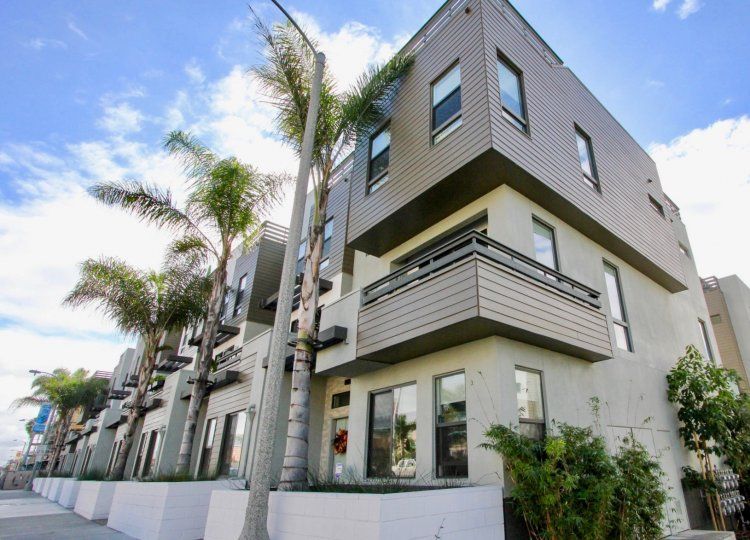
Tempe's dynamic landscape includes everything from historic adobe structures near Mill Avenue to modern high-rise condominiums around Tempe Town Lake. Our waterproofing expertise protects these diverse building types from the Salt River Valley's challenging weather patterns, including intense summer heat reaching 115°F and sudden monsoon downpours that can overwhelm inadequate building envelope systems. We specialize in waterproofing multi-story student housing complexes near ASU, luxury condos in the Centerpoint area, and commercial properties throughout the Rio Salado corridor.
The unique microclimate around Tempe Town Lake creates additional humidity challenges that many contractors overlook. Combined with Tempe's expansive clay soil conditions and the urban heat island effect from surrounding concrete surfaces, buildings face constant stress from moisture infiltration and thermal movement. Our team addresses these specific environmental factors with targeted waterproofing systems designed for Arizona's Sonoran Desert conditions and Tempe's urbanized landscape.

Waterproofing Tempe's Buildings Against Town Lake Humidity
Tempe's building landscape is governed by stringent city codes that require enhanced moisture protection for structures over three stories, particularly relevant for the numerous student housing developments and mixed-use projects throughout the city. The proximity to Tempe Town Lake and the Salt River creates microclimatic conditions with higher humidity levels than surrounding desert areas, requiring specialized waterproofing approaches for buildings in neighborhoods like Pier 202 and the Hayden Ferry Lakeside district.
Our extensive experience with Tempe's major HOA communities, including properties along Rural Road and in the Ahwatukee Foothills transition zone, has given us deep insight into the area's unique challenges. The combination of caliche hardpan soil layers and seasonal water table fluctuations creates foundation movement issues that standard waterproofing methods cannot address. We understand how the Valley's notorious dust storms can compromise building seals and how rapid temperature changes between air-conditioned interiors and extreme exterior heat create condensation problems in high-rise structures.
What Tempe's Microclimate Does to Waterproofing
Expansive clay soils causing foundation movement
Town Lake humidity and condensation issues
High-density student housing moisture problems
What a Tempe-Specific Waterproofing System Delivers
ASU area specialized expertise
Town Lake microclimate protection
Clay soil foundation solutions
Proven experience with Tempe's diverse building types
Specialized in Salt River Valley environmental challenges
Expert knowledge of local soil and drainage conditions
Our Waterproofing Process for Tempe Properties
We keep the process simple and transparent from the first call to the final walkthrough.
01
Detailed moisture assessment and soil analysis
02
Identify vulnerable areas and drainage deficiencies
03
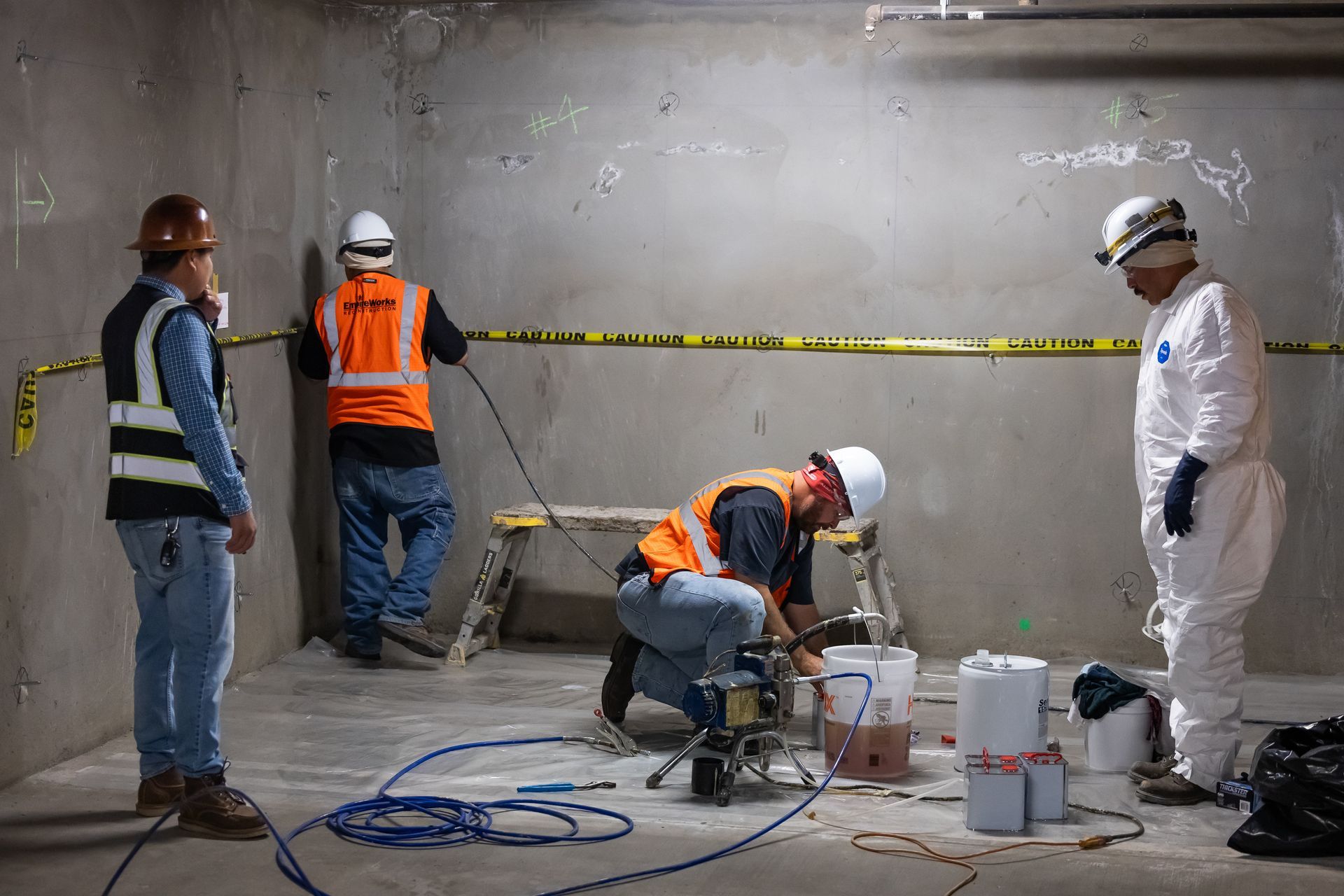
Install climate-specific waterproofing systems
04
Performance verification and maintenance scheduling
Waterproofing Questions From Tempe Property Owners
Does being near Tempe Town Lake actually change waterproofing needs?
Yes, the proximity to Tempe Town Lake and the Salt River creates microclimatic conditions with higher humidity levels than surrounding desert areas, which requires specialized waterproofing approaches for buildings in neighborhoods like Pier 202 and the Hayden Ferry Lakeside district that a standard desert system wouldn't address.
Why do high-rise buildings near ASU need enhanced moisture protection specifically?
Tempe's city codes require enhanced moisture protection for structures over three stories, which is particularly relevant for the numerous student housing developments and mixed-use projects throughout the city, so we build that code requirement directly into the waterproofing specification.
Does condensation from air-conditioned interiors meeting extreme exterior heat cause waterproofing problems?
It can, especially in high-rise structures. Rapid temperature changes between air-conditioned interiors and extreme exterior heat create condensation problems that standard waterproofing methods don't always address, so we factor that thermal differential into the system design.
Featured Projects
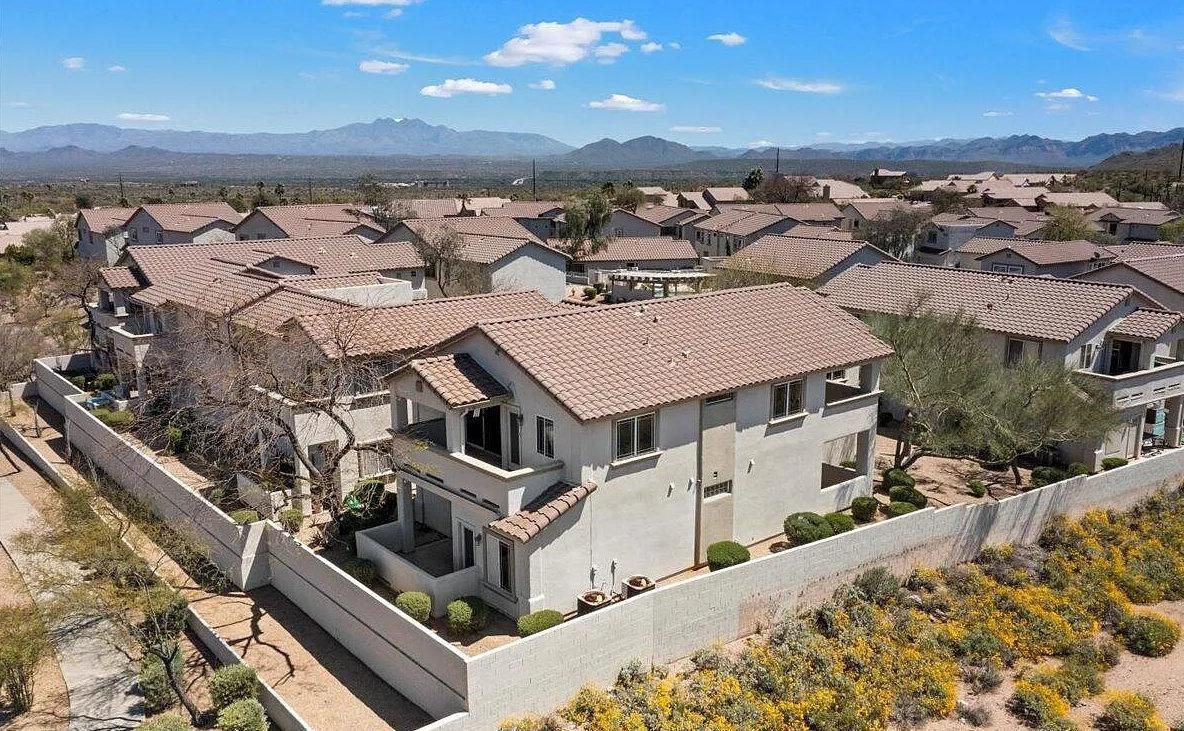
Monterra Ranch
Year Built: 1998
Client: AER Community Management
Size: 41 Buildings
Scope:
- Exterior surfaces were power washed, prepped, spot-primed, and painted to clean and refresh the building's appearance
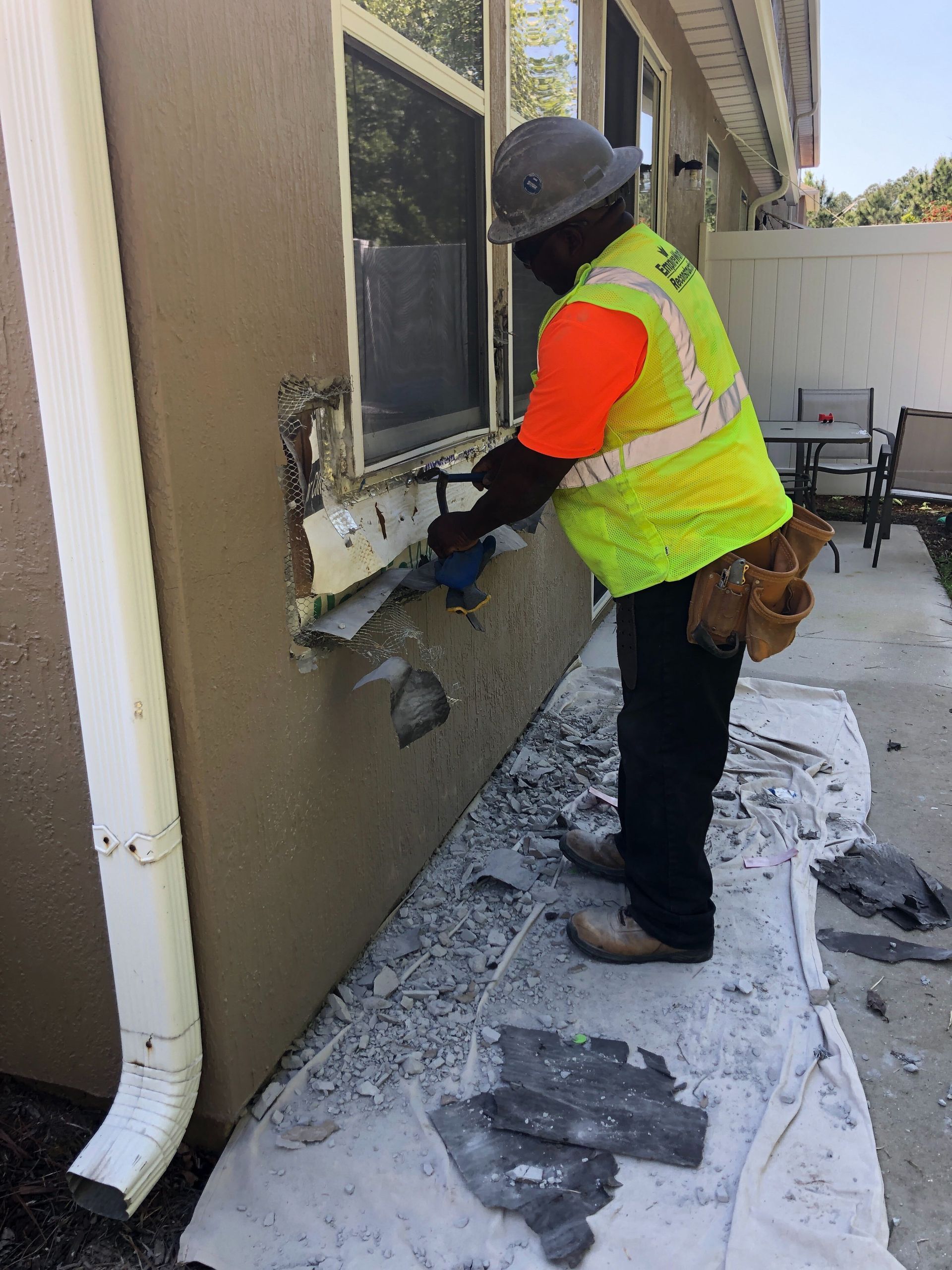
- Stucco was repaired and replace at areas where it was visibly cracking or coming loose from the building
- A texture coat of stucco was applied to blend with the existing finish as closely as possible, and newly exposed sections received a brown coat to establish a smooth base for further stucco work
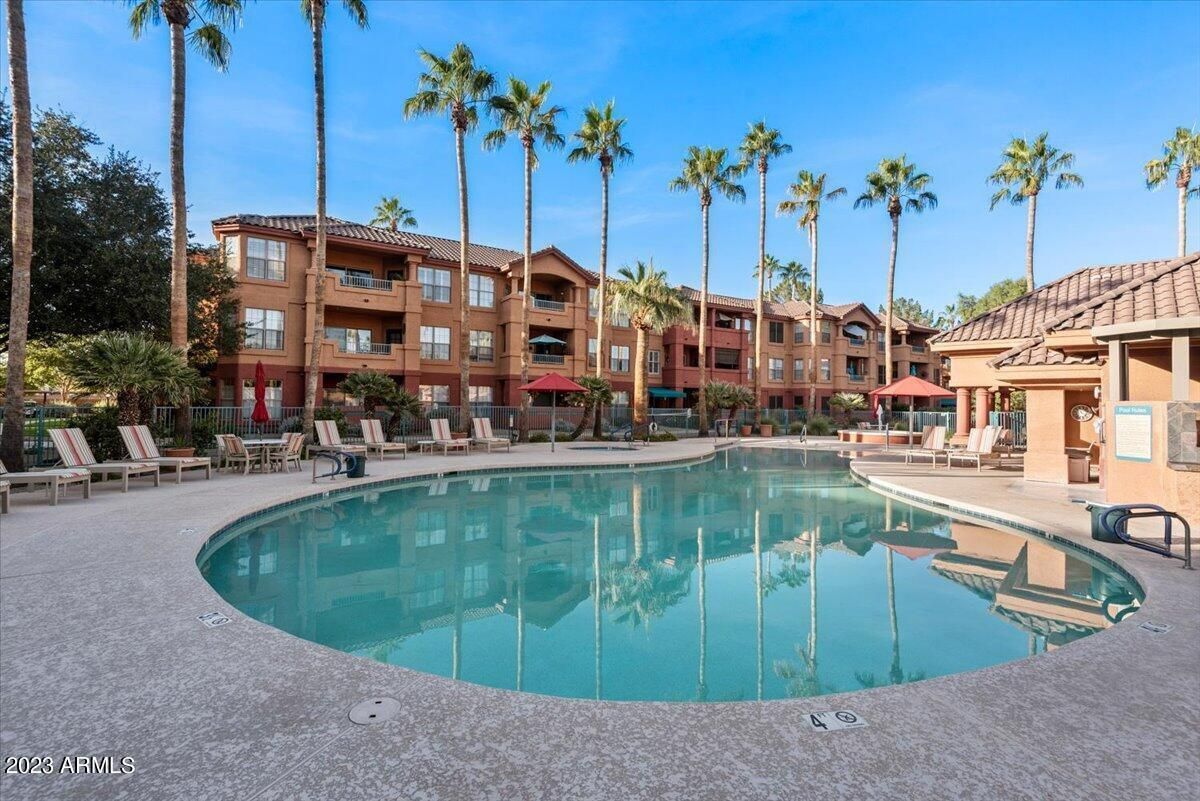
La Solana Condominiums
Year Built: 1998
Client: City Property Management
Size: 7 Buildings
Scope:
- Exterior surfaces designated for painting were pressure washed to remove dirt, dust, efflorescence, loose paint, and other contaminants. The surfaces were then allowed to dry fully before applying any patching, primer, or finish coats
- Repairs and upgrades were completed on various parts of the Clubhouse, including the stucco, utility doors, entry French doors, patio cover, fascia, window mullions, and parapet caps to improve overall condition and appearance
Request a Waterproofing Quote Today!
ROC 202664 (Class CR34)
ROC 269463 (Class KB-2)