Balcony Inspection Checklist for Property Managers
July 15, 2024
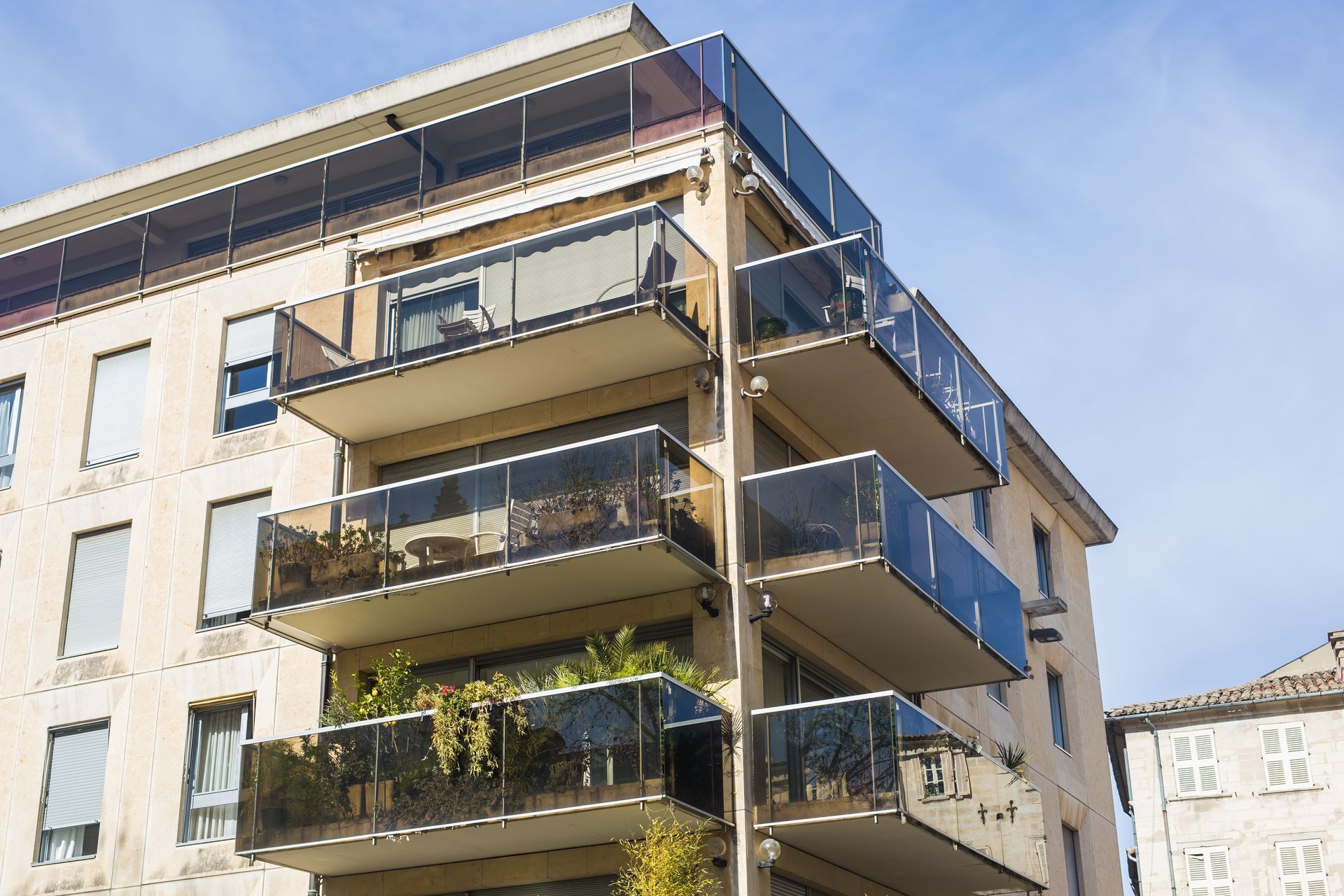
For community managers, ensuring the safety and integrity of the buildings they oversee is a top priority. Balconies are an essential part of many properties, offering residents outdoor space to enjoy. However, without proper maintenance, balconies can become safety hazards, posing risks of falls or structural failure. That's why regular balcony inspections are crucial. They help identify potential problems before they escalate, ensuring the safety of residents and the long-term health of the property.
If you are on-site at one of your communities and you notice rotted wood or discoloration of the stucco on the underside of a balcony, that is your first sign to contact EmpireWorks for a balcony inspection. Conducting these inspections not only protects against accidents but also saves on costly repairs down the line. In this blog post, we'll dive into a comprehensive checklist for balcony inspections, covering everything from structural integrity to legal compliance. By staying proactive with balcony maintenance, property managers can provide a safer living environment and peace of mind for everyone involved.
If you are on-site at one of your communities and you notice rotted wood or discoloration of the stucco on the underside of a balcony, that is your first sign to contact EmpireWorks for a balcony inspection. Conducting these inspections not only protects against accidents but also saves on costly repairs down the line. In this blog post, we'll dive into a comprehensive checklist for balcony inspections, covering everything from structural integrity to legal compliance. By staying proactive with balcony maintenance, property managers can provide a safer living environment and peace of mind for everyone involved.
The Basics of Balcony Inspections
Before we dive into the checklist, let's first understand what a balcony inspection involves and why it's so important. A balcony inspection is a detailed review of a balcony's condition, focusing on its safety, structure, and durability. The main goal is to ensure that the balcony is safe for residents to use, without any risk of accidents or structural damage.
Inspections are not just about finding problems; they're also about preventing them. By checking balconies regularly, community managers can spot early signs of wear and tear, corrosion, or other issues that could lead to bigger problems if left unattended. This proactive approach is key to maintaining the property in good condition and ensuring the safety of those who live there.
Balcony inspections are also an opportunity to ensure that all aspects of the balcony comply with local building codes and safety standards. This is essential for avoiding legal issues and ensuring that the property meets all required safety regulations. In summary, balcony inspections are a crucial part of property management, aimed at preserving the property's value and ensuring a safe living environment for residents.
Pre-Inspection Preparations
Before jumping into the balcony inspection itself, there are some important steps community managers need to take to prepare. These initial steps are key to ensuring the inspection process goes smoothly and effectively.
Review Previous Inspection Reports: Any previous inspection reports for your property and learn if repairs were made to resolve the damages found. These reports can highlight recurring issues or areas that need special attention.
Hire a qualified Inspector: Though community managers are expected to wear many hats, they should not be expected to perform balcony inspections. A qualified inspection company, like EmpireWorks should have years of experience in the construction industry and extensive knowledge of structural integrity, water intrusion, slope, drainage and should be able to provide recommendations and solutions for the community. Our qualified inspectors may use a variety of tools and equipment, such as moisture meters and probes, to test the integrity of the materials and structure. Notify Residents: It's important to let residents know about the upcoming inspection in advance. As your inspection company, EmpireWorks will take care of all resident notifications for you but proivding a general notice well in advance and a 48-24 hour notice prior to our arrival. This gives residents time to prepare their balconies for inspection and ensures they're not caught off guard. Clear communication can also help alleviate any concerns they might have.
By taking these pre-inspection steps, community managers set the stage for a thorough and efficient balcony inspection process!
What to look for: EmpireWorks Balcony Inspectors Checklist
When it's time to inspect the balconies, having a detailed checklist can make the process more thorough and efficient. Here’s what we look for :
Structural Integrity
- Check the base and floor of the balcony for any signs of sagging, cracks, or unevenness.
- Examine the walls and ceiling (if applicable) for stability and signs of damage or wear.
Railings and Barriers
- Make sure railings are securely attached and not wobbly or loose.
- Railings should be high enough (42 inches) to prevent falls, and the space between bars should not allow small children to pass through.
Drainage and Waterproofing
- Inspect the balcony for proper drainage to prevent water accumulation.
- Look for signs of water damage or leaks that could affect the balcony's structure or the building.
Materials and Surfaces
- Check for rust on metal parts, rot in wood, or cracks in concrete that could compromise safety.
- Ensure that all surfaces are in good condition, without sharp edges or hazardous materials.
Connectors and Fasteners
- Inspect all connectors and fasteners to ensure they are not corroded, loose, or missing.
- Ensure that the balcony is securely attached to the building with no signs of detachment or movement.
This checklist covers the key areas that we focus on during a balcony inspection. By systematically examining each aspect, our inspectors identify potential issues early on and take steps to address them, ensuring the balconies remain safe and enjoyable for residents to use.
Post-Inspection Procedures
After completing the balcony inspection, there are important steps you should expect your Inspection company to follow to ensure any identified issues are addressed properly:
Document Findings: The inspector should write down everything they observed during the inspection, including any signs of damage, wear, or safety concerns. Photos of specific issues to have a visual record should also be provided to management. Report Issues: Damages and concerns should be reported to the community managers as well as the owners or board of directors to take corrective action.
Communicate with Residents: Community Managers should let residents know the outcome of the inspection, especially if any issues were found on their balconies. Be clear about any actions they need to take or if there will be follow-up inspections.
Repair Scope: Unlike most inspection companies, EmpireWorks will provide you with a repair scope of work. This gives the community an action plan to organize repairs for any identified problems. We understand many communities have budget restrictions so we prioritize issues based on their severity and the risk they pose to residents' safety to get those concerns resolved first.
Update Maintenance Records: Upon completion, it is recommended for community managers to record the inspection date, findings, and any repair actions taken in the property's maintenance records. This helps track the condition of the balconies over time and ensures compliance with local regulations.
We hope that this guide helps community managers know what to look for in a qualified inspection company and aid their communities address any issues efficiently and maintain the safety and integrity of the balconies. Keeping residents informed throughout the process also fosters trust and demonstrates a commitment to maintaining a safe living environment.
Contractor services that combine repairs and painting under one contract cut down on delays and scope gaps. This listicle shows HOA boards and property managers seven reasons a single-contractor model reduces total project friction. Trusted by HOA boards nationwide.
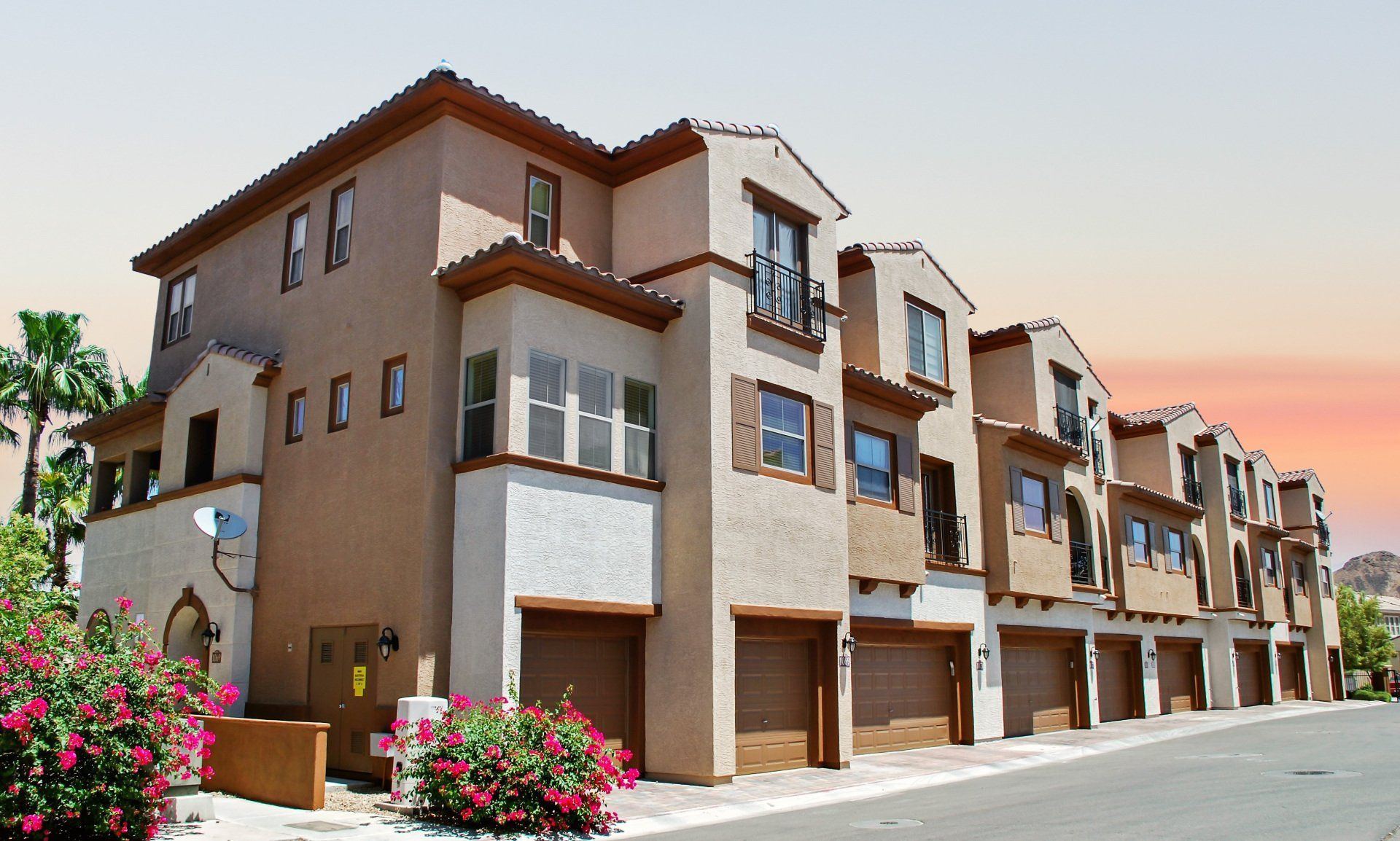
Arizona HOA bidding requirements explained: what state law does and doesn't require, conflict rules, open meetings, records access and ROC contractor licensing.
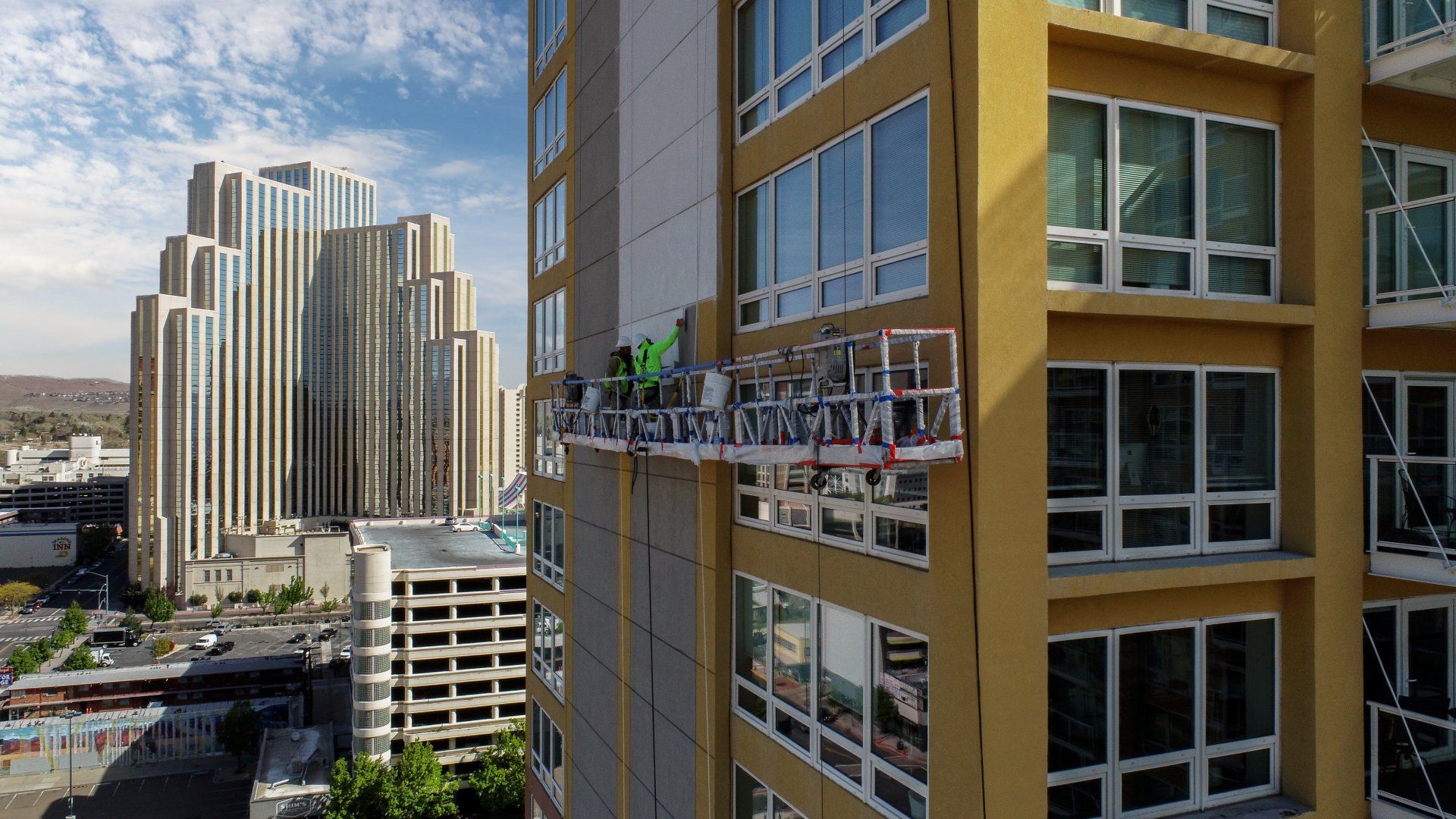
Multifamily exterior reconstruction projects run long for predictable reasons. This guide explains why delays happen and how better scoping, scheduling, and resident coordination prevent them. Trusted by HOA boards nationwide.
Florida HOA painting requirements under Chapter 720: who sets color rules, fine and hearing steps, reserves, 10% bid rule and notice for special assessments.
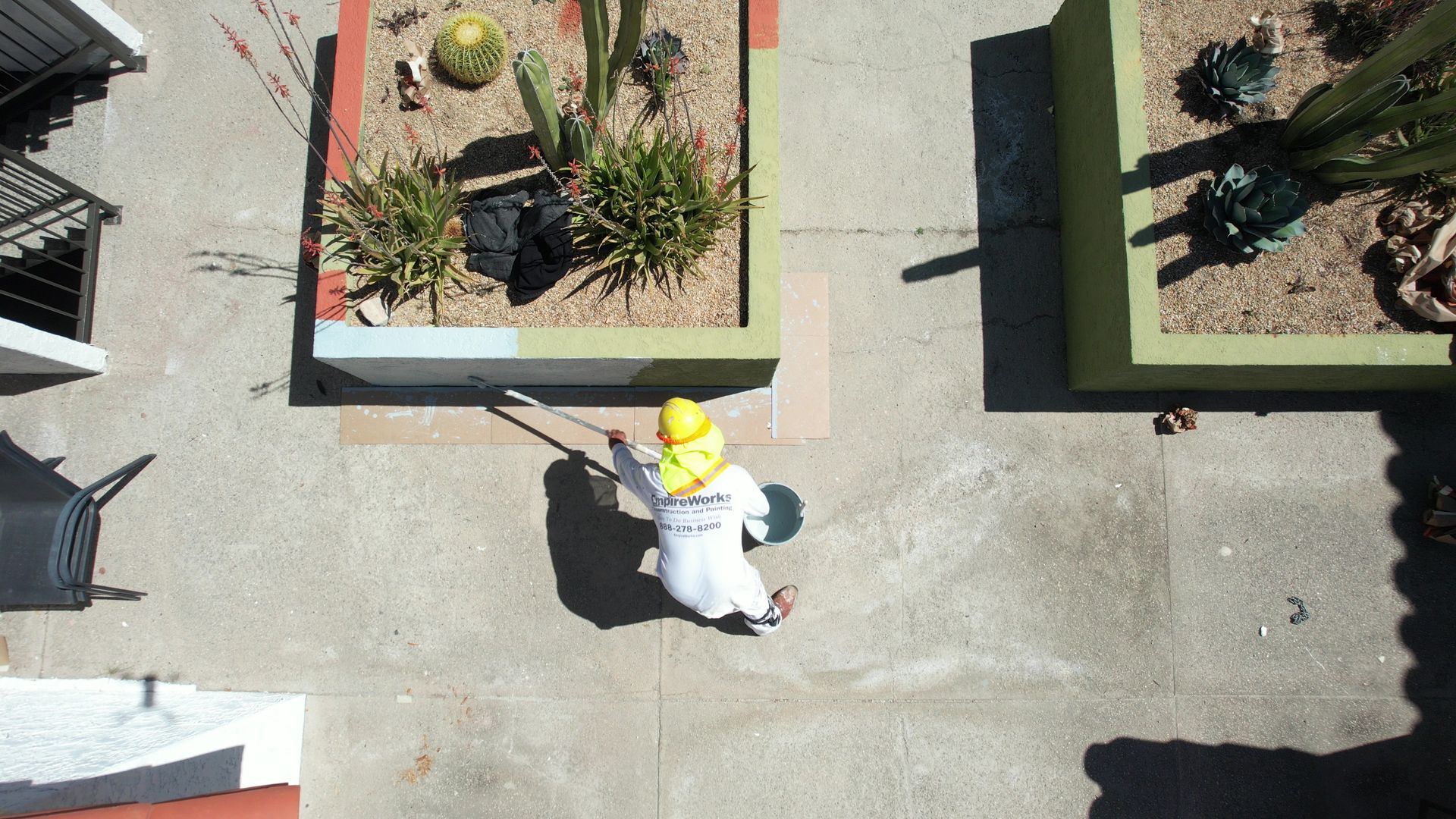
Easing HOA reconstruction stress starts with clarifying roles and planning communication before the project begins. This step-by-step playbook helps board members reduce the burden during construction. Trusted by HOA boards nationwide.
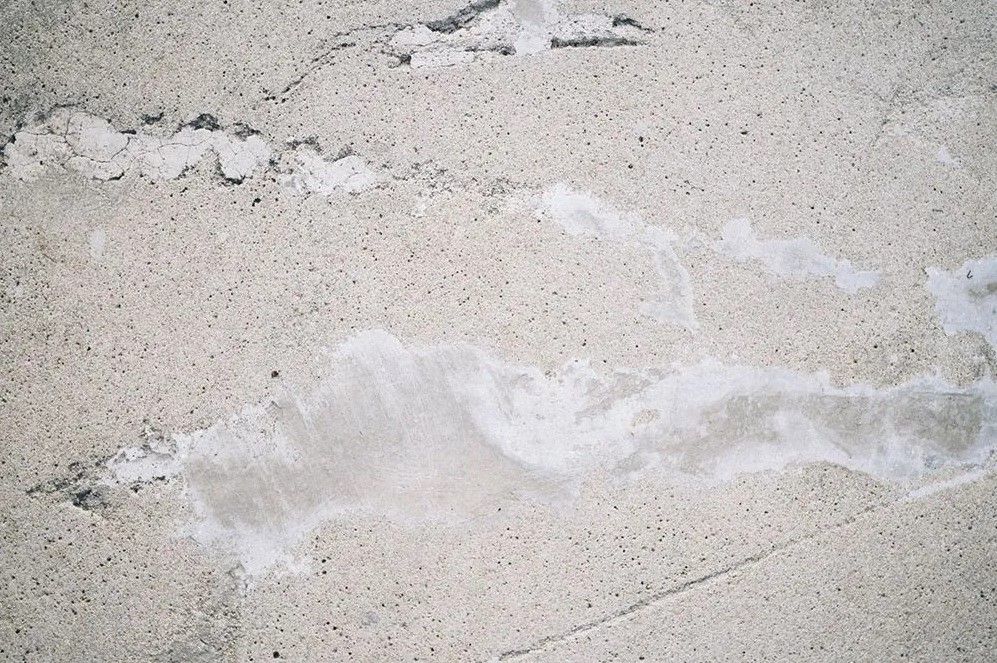
Fannie Mae and Freddie Mac raise the condo reserve test to 15% on January 4, 2027. See what HOA boards need to do about reserves and critical repairs.

Dallas multifamily inspection requirements under Chapter 27: who must register, current fees, how graded inspections work, and exterior fixes to make first.
HOA renovation budget overruns usually trace back to a handful of preventable causes, vague scoping, underfunded reserves, and unclear bid comparisons. This guide shows property managers how to control costs. Trusted by HOA boards nationwide.

Texas condo association maintenance responsibility under Chapter 82: who repairs balconies, windows and walls, how reserves work, and what boards must disclose.
Checking an HOA contractor's references properly means going beyond a directory listing or a five-star average. This listicle covers seven practical screening steps HOA boards can use. Trusted by HOA boards nationwide.