
Destructive and Intrusive Testing in Denver, Colorado
Comprehensive building diagnostics for Colorado's freeze-thaw and weather damage





360+ 5-Star Google Reviews
Advanced Building Diagnostics for Colorado's Hidden Weather Damage
Destructive and intrusive testing in Denver serves the city's active construction defect litigation community and its insurance claim restoration market — two ecosystems that together generate more forensic building investigation work than most Mountain West cities combined. Denver's dense multifamily building stock, concentrated construction defect activity in HOA communities across Capitol Hill, Congress Park, and the Central Park neighborhood, and the city's status as one of the nation's top hail damage markets all drive consistent demand for the precise diagnostic capabilities our team provides.
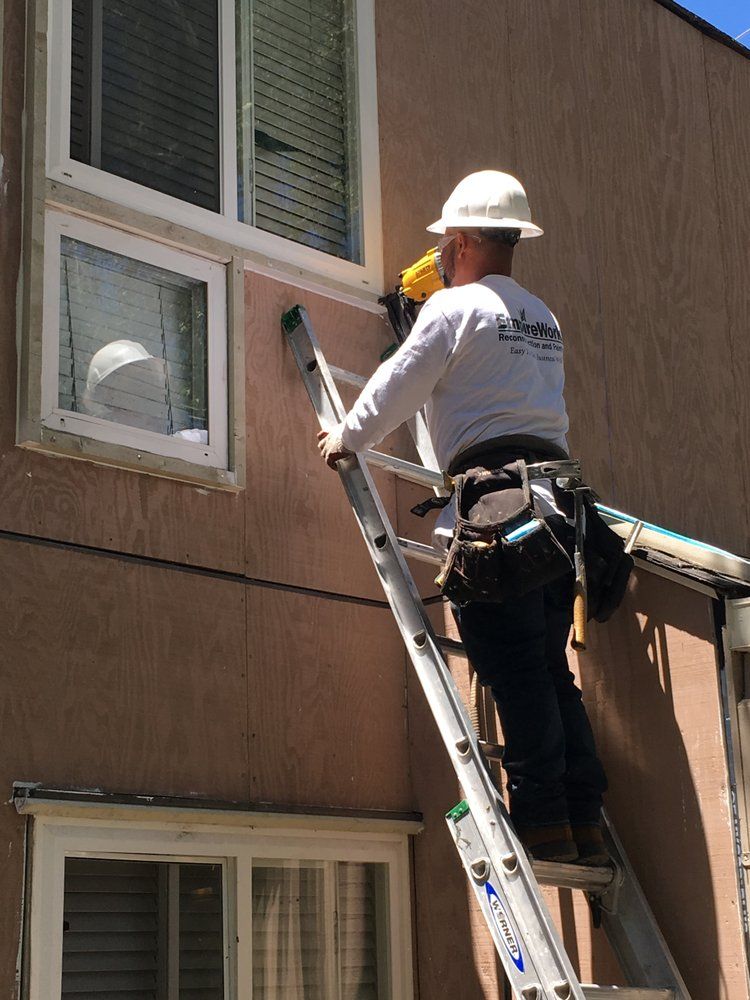
We conduct destructive and intrusive testing across Denver's full range of building types and investigation contexts, from moisture probe testing and stucco delamination mapping on 1990s condominium buildings throughout the Highlands and Wash Park, to core sampling and rebar condition assessment on Denver's aging parking structures in LoDo and the Central Business District, to envelope investigation and thermal imaging on newer commercial construction along the South Platte corridor. Denver's construction defect attorneys and insurance claim adjusters who engage our team do so because our Denver-specific knowledge of building systems, failure patterns, and local code history produces findings that hold up under the scrutiny of litigation and claim review.

Industry-Leading Destructive and Intrusive Testing Knowledge in Denver CO
Denver's destructive and intrusive testing practice is anchored in the city's construction defect and insurance claim ecosystems, both of which generate significant demand for forensic investigation of building assemblies that have failed or are alleged to have failed. The City and County of Denver's permitting records and inspection documentation are primary reference sources in these investigations, and our team's familiarity with Denver's building history across neighborhoods and construction eras supports the contextual analysis that makes testing results actionable.
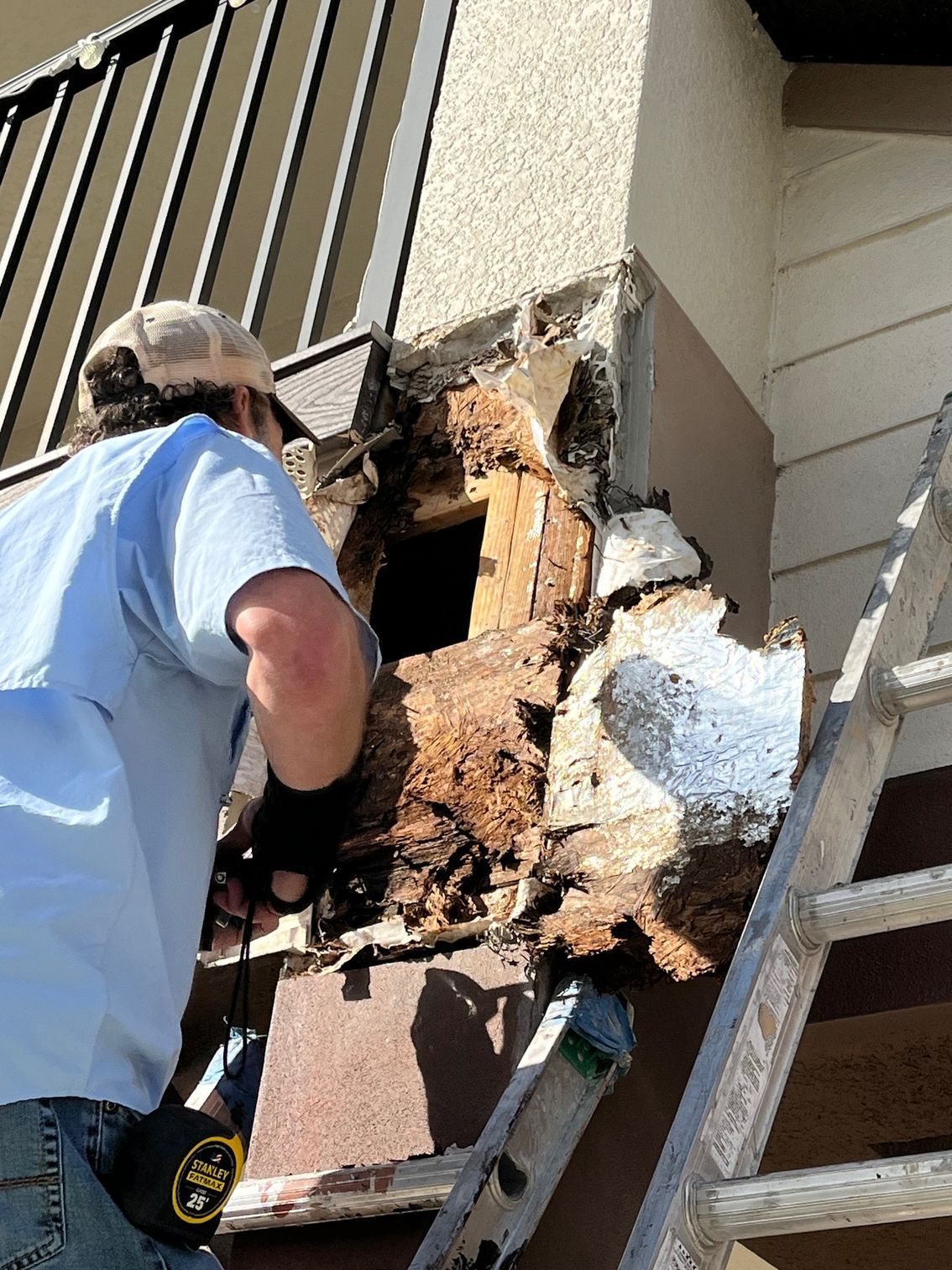
Denver's specific building failure patterns guide how our testing programs are structured. In Capitol Hill and Congress Park condominium buildings from the 1990s, stucco system delamination and moisture intrusion behind building envelopes are the dominant failure modes requiring intrusive investigation. In Denver's newer RiNo and LoHi developments, waterproofing failures in podium decks and at transition details are the primary investigation targets. In Denver's commercial properties along the I-25 corridor and in Cherry Creek, concrete carbonation, rebar corrosion, and construction joint failures in parking structures and building foundations are the issues driving testing requests. Our Denver testing teams understand which failure modes are most probable in each building type and era, allowing us to target investigations efficiently.
Why Destructive and Intrusive Testing is Important in Denver CO
Hidden freeze-thaw damage behind building envelopes
Moisture intrusion in extreme temperature cycling conditions
High-altitude construction failures requiring specialized diagnostics
Featured Projects
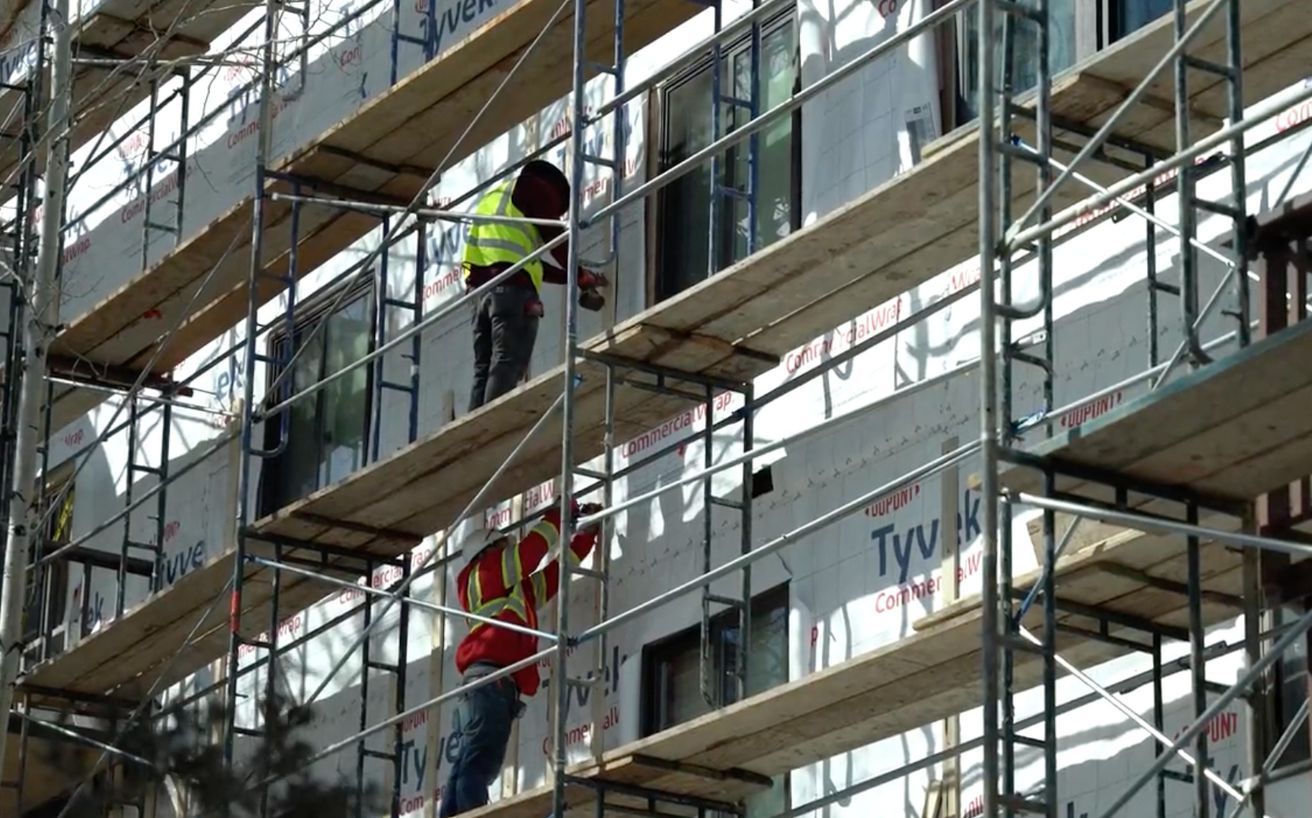
Meadow View Condominiums
Year Built: 1982
Client: Meadowview Homes Condominium Association
Size: 48 residential units
Scope:
- Siding and wood Replacement
- Retaining Wall Replacement
- Stair and Hand Rail Replacement
- Drainage Repair
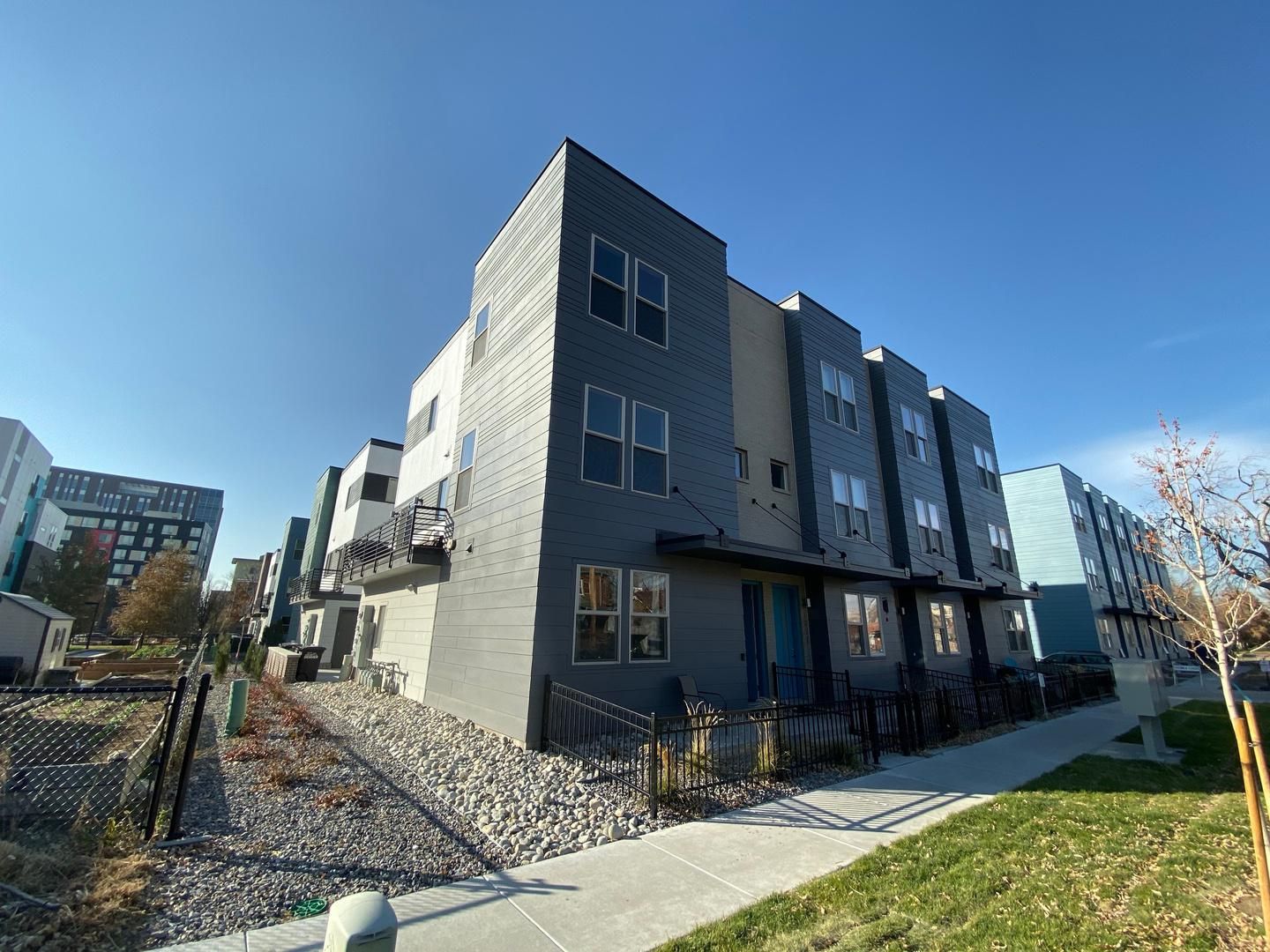
City Homes at Lincoln Park
Year Built: 2019
Client: MSI Inc.
Size: 800 housing units
Scope:
- Emergency roof patch/repairs
- Repair and patch roof leak/tears in membrane
- Repair drywall - Paint to match Units
- EPDM Patches and roof repairs
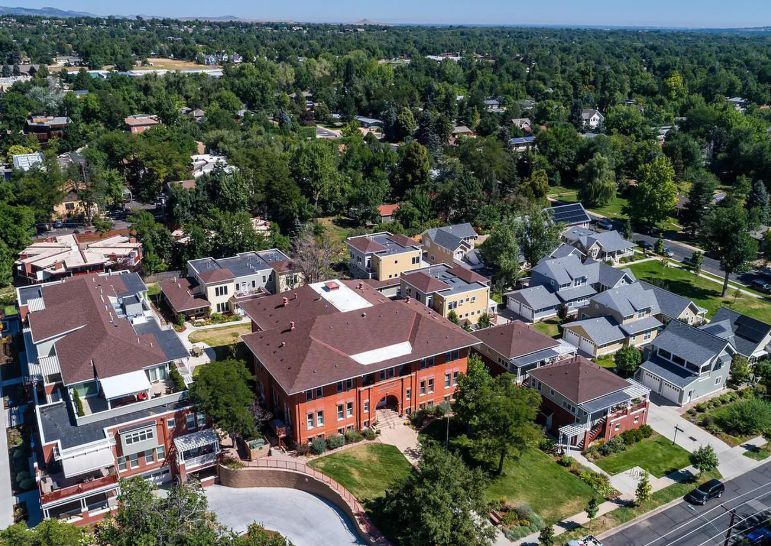
Washington Village HOA
Year Built: 1920
Client: PMI Flatirons Group
Size: 36 Units
Scope:
- Step flashing integration on all buildings
- EPDM repair on all buildings
- Door adjustment and reinstallation of decking
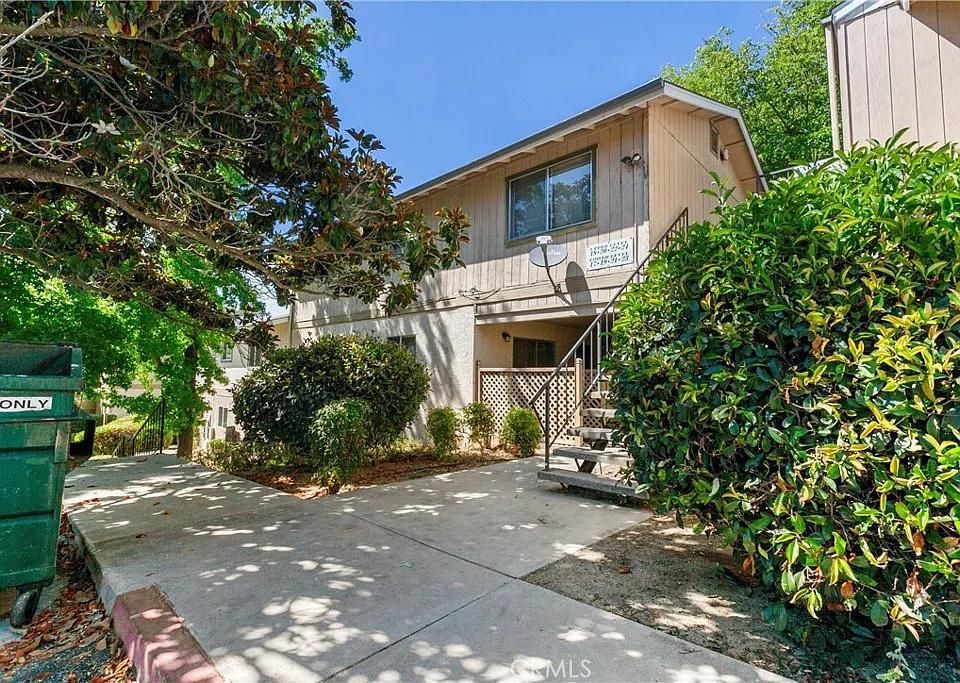
Oak Glen
Year Built: 1990
Client: Oak Glen Community Association
Size: 140 Units
Scope:
- Exterior painting
- Deck replacement
- Siding repairs
- Concrete work
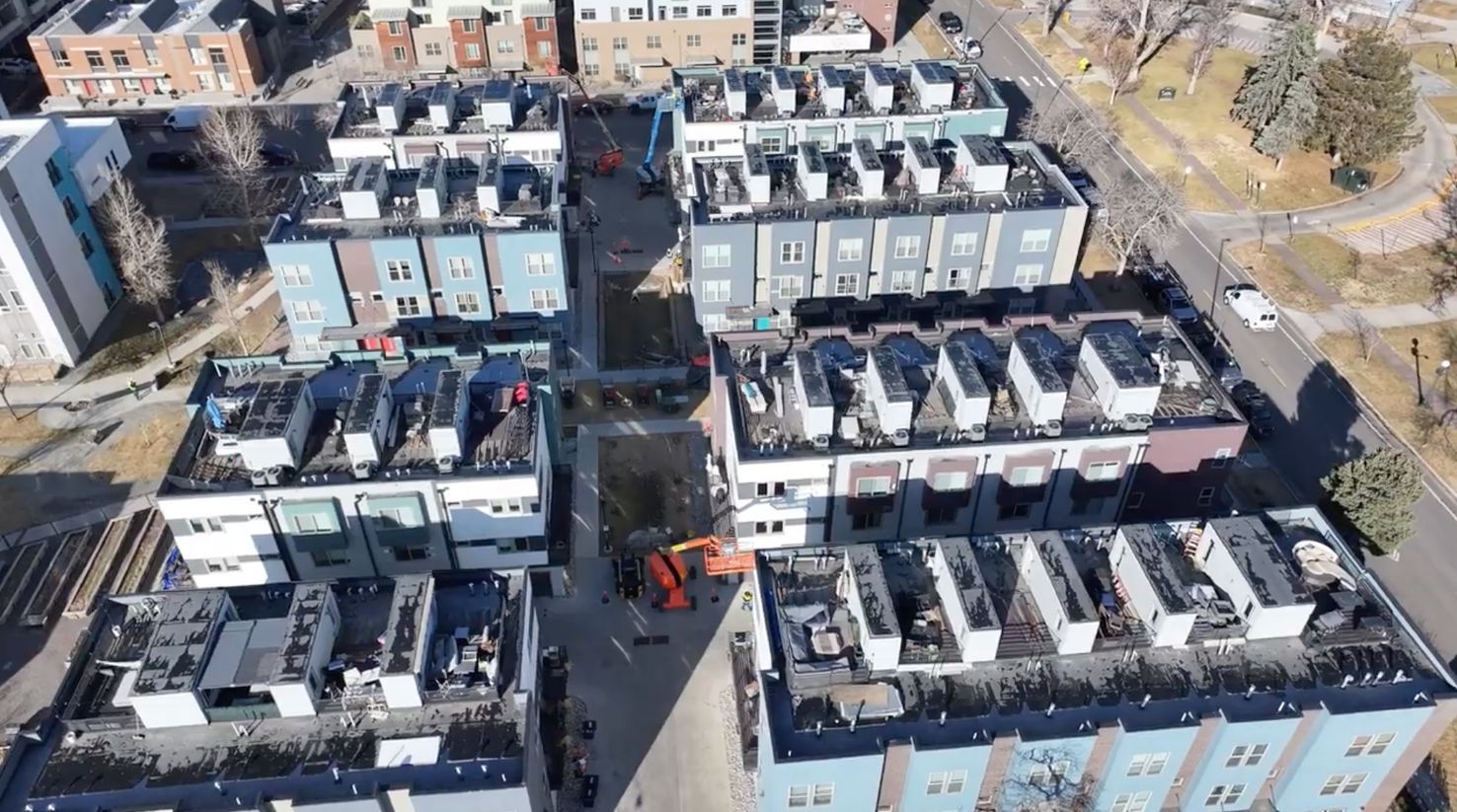
Cityhomes at Lincoln Park North
Year Built: 2019
Client: MSI Inc.
Size: 800 housing units
Scope:
- Emergency roof patch/repairs
- Repair and patch roof leak/tears in membrane
- Repair drywall - paint to match units
- EPDM patches and roof repairs
Our Destructive and Intrusive Testing Process
Step 1
Non-destructive preliminary assessment and damage mapping
Step 2
Strategic intrusive testing for freeze-thaw and moisture analysis
Step 3
Laboratory analysis of materials and weather impact assessment
Step 4
Comprehensive reporting with Colorado climate-specific recommendations
Request a Destructive and Intrusive Testing Quote Today!
ROC 202664 (Class CR34)
ROC 269463 (Class KB-2)