
Scope of Work Development Boulder City Nevada
Detailed project planning for Boulder City's desert climate and historic district requirements.





360+ 5-Star Google Reviews
EmpireWorks delivers thorough scope of work development services tailored to Boulder City Nevada's distinctive construction environment. Our planning expertise addresses the Mojave Desert's extreme heat conditions, monsoon season impacts, and the city's strict architectural guidelines within historic districts. We understand the unique challenges facing condominium complexes near Lake Las Vegas, apartment buildings along Nevada Way, and commercial properties throughout the Boulder City Parkway corridor.
Our scope development process incorporates Boulder City's specific material requirements for desert durability, including UV-resistant coatings, thermal expansion considerations, and moisture management systems essential for properties facing Lake Mead's humidity variations. We account for the city's elevation at 2,500 feet and its position within the Las Vegas Valley, ensuring all project specifications meet both Nevada state codes and Boulder City's municipal standards for multi-family and commercial construction projects.

Understanding Boulder City's Climate and Its Impact on Facility Assessments
Boulder City operates under Nevada's stringent building codes while maintaining additional local ordinances that preserve its historic character and planned community aesthetic. Properties within the Historic District face heightened scrutiny for exterior modifications, requiring detailed documentation and approval processes through the city's Historic Preservation Committee. The city's unique position as a non-gaming municipality attracts specific development patterns, with numerous HOA communities and age-restricted developments requiring specialized construction approaches.
The Mojave Desert location creates challenging conditions with summer temperatures exceeding 115°F and intense solar radiation that degrades standard building materials rapidly. Boulder City's proximity to Lake Mead introduces unique humidity fluctuations and occasional flooding concerns, particularly for properties in lower elevations near the Colorado River. Local soil conditions include expansive clay deposits and caliche hardpan layers that impact foundation work and utility installations. The city's strict water conservation ordinances also influence landscaping and exterior design specifications for multi-family developments.
Addressing Extreme Desert Sun Challenges for Scope of Work in Boulder City
Extreme heat and UV exposure limitations
Historic district approval and compliance requirements
Desert soil conditions and caliche excavation
Mojave Desert climate-specific planning expertise
Boulder City historic district compliance knowledge
Lake Mead area environmental factor integration
Deep understanding of Boulder City municipal codes
Proven experience with desert construction challenges
Specialized knowledge of Nevada Valley conditions
Our Scope of Work Process
We keep the process simple and transparent from the first call to the final walkthrough.
01
Property assessment and Boulder City code review
02
Desert climate impact analysis and material selection
03
Historic district compliance verification and documentation
04
Final specifications review and municipal approval preparation
Scope of Work FAQs for Boulder City Property Owners
What does scope of work development actually include for a Boulder City property?
It means translating Boulder City's material and code requirements into a documented plan before any construction contract is signed, covering UV-resistant coatings, thermal expansion considerations, and moisture management systems suited to the desert climate. We tailor that plan to condominiums near Lake Las Vegas, apartments along Nevada Way, or commercial buildings on the Parkway corridor.
Specifications account for the city's 2,500-foot elevation and its position in the Las Vegas Valley, ensuring the finished document meets both Nevada state codes and Boulder City's municipal standards for multi-family and commercial projects before work begins.
How do historic district rules affect scope development in Boulder City?
Properties within the Historic District face heightened scrutiny for exterior modifications, requiring detailed documentation and approval through the city's Historic Preservation Committee before work can proceed. We build that review process into the scope timeline rather than treating it as an afterthought.
Boulder City's status as a non-gaming municipality with a planned-community aesthetic also draws numerous HOA and age-restricted developments that require specialized construction approaches. Our scopes document those community-specific requirements alongside the historic approvals so nothing gets discovered mid-project.
Why does Boulder City's soil and climate matter for scope planning?
Summer temperatures exceeding 115 degrees and intense solar radiation degrade standard building materials rapidly, so scopes need to specify UV-resistant products rather than generic ones. Expansive clay deposits and caliche hardpan layers in the local soil also affect foundation work and utility installation planning.
Proximity to Lake Mead introduces humidity fluctuations and occasional flooding concerns for lower-elevation properties near the Colorado River, and the city's water conservation ordinances shape landscaping and exterior design specifications too. We fold all of that into the scope document up front so bids come back comparable.
Featured Projects
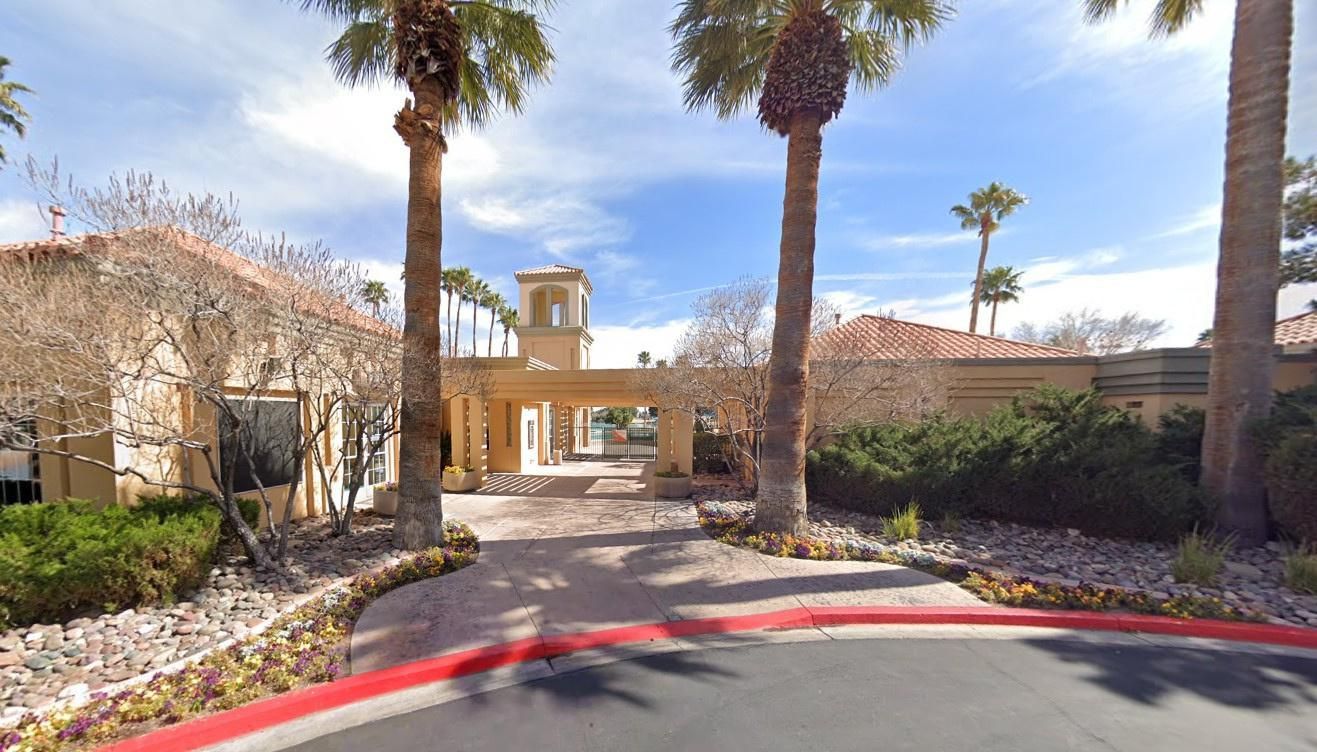
Desert Shores Master
Year Built: 2000
Client: Desert Shores Master Association
Size: 180 Units
Scope:
- Exterior painting
- Balcony repairs
- Stucco work
- Concrete repairs
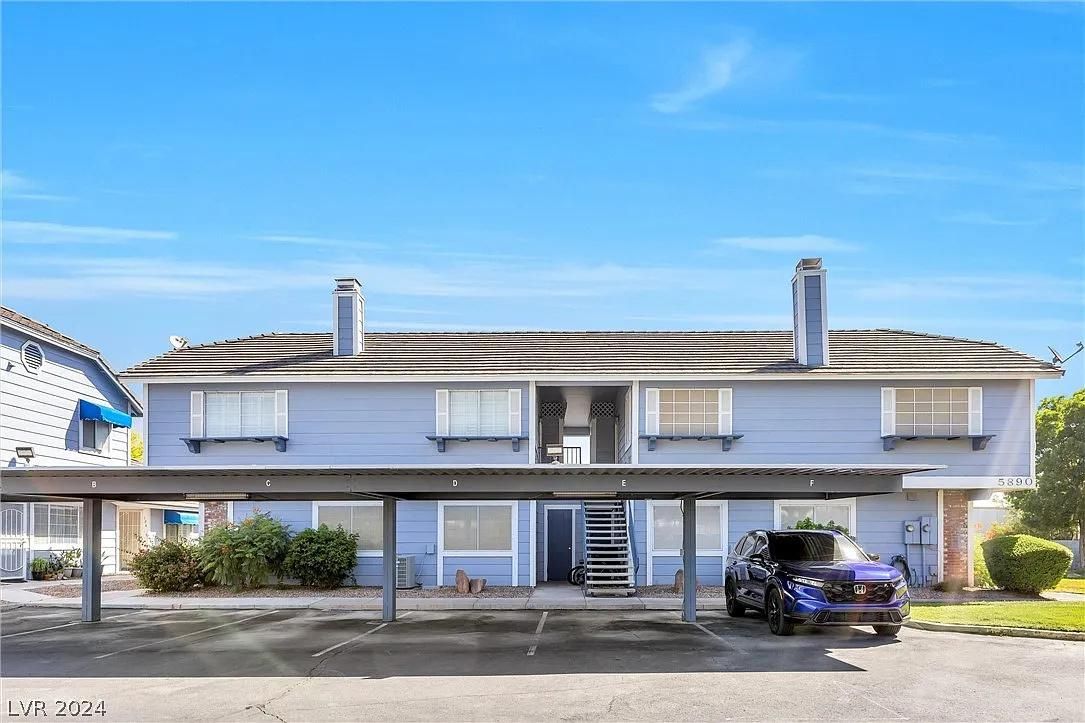
Duck Creek Village
Year Built: 1987
Client: Epic Association Management
Size: 22 Buildings
Scope:
- All exterior areas—including stucco surfaces, siding, trim, and architectural details—were thoroughly pressure-washed to eliminate dirt, dust, efflorescence, peeling paint, and other surface contaminants
- Following the cleaning process, surfaces were allowed to dry completely before any repair, priming, or finish work commenced
- Loose paint, rust, and scale were carefully removed using wire brushes, scrapers, and sanding equipment to ensure proper surface preparation and adhesion of new coatings
Request a Scope of Work Quote Today!
ROC 202664 (Class CR34)
ROC 269463 (Class KB-2)