
Professional Welding Services in Reno
Precision welding and fabrication for Reno's extreme weather





360+ 5-Star Google Reviews
EmpireWorks provides comprehensive welding services specifically designed for Reno NV properties facing Nevada's challenging high desert climate. Our certified welding professionals deliver precision fabrication and repair services using advanced techniques designed for extreme temperature variations, UV exposure, and harsh desert conditions. We specialize in structural welding, custom fabrication, and emergency repairs that handle freeze-thaw cycling and temperature stress.

Reno Market Expertise in Welding
Reno's high desert elevation and Sierra Nevada proximity creates extreme temperature variations and challenging weather, creating unique challenges for welded structures. Reno's elevation of 4,505 feet creates colder winters with snow and ice, combined with hot, dry summers, affecting welded joint integrity. Our team has extensive experience with welding requirements for high desert construction throughout downtown Reno to Midtown and South Reno, including proper material selection for temperature extremes and techniques accounting for thermal expansion.
How High-Desert Winter Impacts Metal Structures in Reno
Extreme temperature variations affecting welded joint integrity
High desert conditions requiring specialized techniques
Freeze-thaw cycles and UV exposure stressing materials
High desert temperature-resistant welding techniques
Certified welders with extreme weather expertise
Custom fabrication for desert climate durability
Specialized welding techniques for Reno NV's temperature variations
Expert fabrication and repair for high desert conditions
Premium materials and techniques rated for Reno NV weather
Our Welding Process
We keep the process simple and transparent from the first call to the final walkthrough.
01
Material assessment and high desert welding specification
02
Precision welding with temperature-resistant techniques
03
Quality inspection and thermal stress testing
04
Protective coating and weather resistance application
Welding FAQs for Reno Property Owners
How does Reno's climate affect welded structures over time?
Reno's climate is hard on welded joints because of how much the temperature swings across a year, and even within a single day. Welded connections expand and contract with each thermal cycle, and after years of that stress, joints can develop fatigue cracks or weakened points well before they show visible signs of failure.
At 4,505 feet with Sierra Nevada proximity, Reno experiences colder winters with snow and ice alongside hot, dry summers, so structural welds throughout downtown Reno, Midtown, and South Reno face a wider range of thermal stress than welds in milder climates. Regular inspection catches fatigue before it becomes a structural or safety issue.
What welding materials work best for Reno's high desert conditions?
Material selection is the biggest factor in getting welded structures to last in Reno's high desert environment. We select filler metals and base materials rated for the temperature extremes Reno sees, since a material well-suited to hot, dry summers alone won't necessarily hold up through winter freeze cycles as well.
Our welding techniques also account for thermal expansion during fabrication itself, positioning and sequencing welds so the finished structure isn't fighting internal stress the moment it experiences its first hard freeze or heat wave. This approach applies to structural welding and custom fabrication alike.
Do you handle emergency welding repairs across different Reno neighborhoods?
Yes, we handle both scheduled fabrication work and emergency structural repairs throughout the Reno area, from downtown to Midtown and South Reno. Emergency welding repairs most often follow winter freeze-thaw damage, when a joint that was already stressed finally gives way.
Because we work regularly across Reno's different neighborhoods, we're familiar with how site conditions and building age vary from one area to the next, which helps us diagnose the root cause of a failure rather than just re-welding the visible break. That matters for preventing the same failure from recurring after the next thermal cycle.
Featured Projects
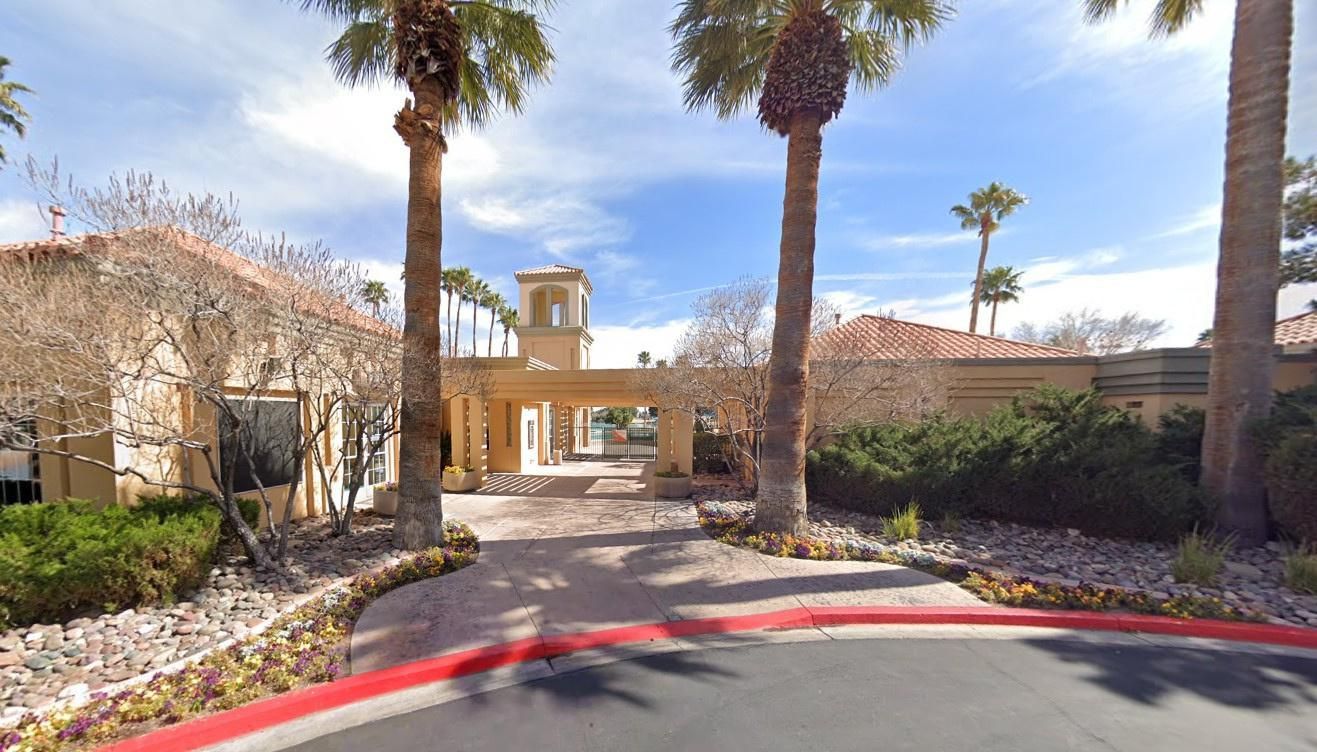
Desert Shores Master
Year Built: 2000
Client: Desert Shores Master Association
Size: 180 Units
Scope:
- Exterior painting
- Balcony repairs
- Stucco work
- Concrete repairs
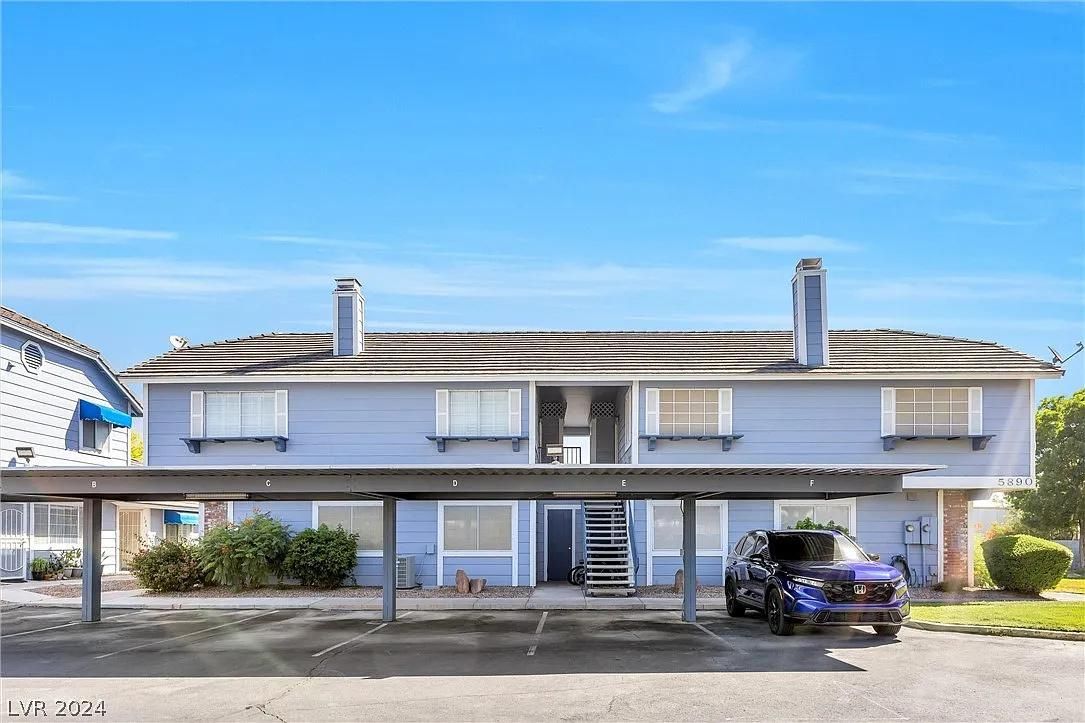
Duck Creek Village
Year Built: 1987
Client: Epic Association Management
Size: 22 Buildings
Scope:
- All exterior areas—including stucco surfaces, siding, trim, and architectural details—were thoroughly pressure-washed to eliminate dirt, dust, efflorescence, peeling paint, and other surface contaminants
- Following the cleaning process, surfaces were allowed to dry completely before any repair, priming, or finish work commenced
- Loose paint, rust, and scale were carefully removed using wire brushes, scrapers, and sanding equipment to ensure proper surface preparation and adhesion of new coatings
Request a Welding Quote Today!
ROC 202664 (Class CR34)
ROC 269463 (Class KB-2)