
Professional Concrete Restoration Dripping Springs TX
Expert concrete repair services designed for Hill Country limestone terrain and seasonal weather patterns.





360+ 5-Star Google Reviews
EmpireWorks provides comprehensive concrete restoration services throughout Dripping Springs' growing residential and commercial landscape. From luxury condominium developments in Headwaters to established apartment communities along Highway 290, our certified technicians address the unique challenges posed by the area's limestone bedrock and karst geology. We specialize in restoring concrete structures affected by the region's underground water movement and natural settling patterns common throughout the Texas Hill Country.
Our restoration expertise extends to the diverse property types that define modern Dripping Springs, including mixed-use developments near Dripping Springs Elementary, multi-story residential complexes in the Salt Traders area, and commercial buildings serving the rapidly expanding population. Each project receives customized treatment protocols that account for the area's specific environmental factors, including flash flood exposure from Barton Creek tributaries and the thermal expansion cycles characteristic of Central Texas limestone formations.



Concrete Restoration Across Dripping Springs Growing Neighborhoods and Corridors
Dripping Springs sits within Hays County's ETJ regulations and follows the International Building Code with Texas amendments, requiring specific concrete specifications for seismic zone considerations and flood plain compliance. The area's unique geological profile features Cretaceous limestone formations with natural fissures and underground springs that create ongoing hydrostatic pressure challenges for concrete foundations. Property owners in developments like Belterra and Caliterra frequently encounter concrete issues related to the area's natural water table fluctuations and limestone dissolution processes.
The city's location in the Hill Country creates distinct weather patterns that impact concrete longevity, including intense summer heat reaching 100°F+ and rapid temperature drops during blue norther events. Local HOAs in communities such as Headwaters at Barton Creek and Sweetwater maintain strict architectural standards that require professional-grade concrete restoration to preserve property values. Additionally, Dripping Springs' proximity to the Edwards Aquifer recharge zone means concrete work must comply with groundwater protection ordinances and impervious cover limitations established by the Texas Commission on Environmental Quality.
The Realities of Restoring Concrete on Dripping Springs Limestone
Limestone bedrock settlement and natural fissuring
Flash flood exposure from Hill Country drainage
Underground spring pressure affecting foundations
Limestone terrain stabilization and water management
Hill Country weather-resistant restoration materials
Edwards Aquifer compliant repair techniques
Specialized Hill Country limestone geology expertise
Proven success with Dripping Springs developments
Central Texas environmental compliance knowledge
Our Concrete Restoration Process for Dripping Springs Properties
We keep the process simple and transparent from the first call to the final walkthrough.
01
Geological assessment and limestone stability analysis
02
Crack mapping and hydrostatic pressure evaluation
03
Limestone-compatible restoration material application
04
Drainage optimization and aquifer-safe sealing
Concrete Restoration in Dripping Springs: FAQs
Our condo building near Headwaters has cracks that keep coming back after patching. Why does this keep happening?
Repeat cracking is common on properties built over Dripping Springs' limestone bedrock, where natural fissures, underground springs, and ongoing settling create movement that a simple surface patch cannot address. If the crack pattern lines up with a fissure or a low spot prone to hydrostatic pressure, cosmetic repairs will keep failing in the same location.
We start with a geological assessment and crack mapping before proposing repairs, evaluating hydrostatic pressure and settlement patterns specific to your site so the restoration addresses the underlying cause rather than just the surface symptom.
Does flash flooding from Barton Creek tributaries actually damage concrete around here, or is that just a drainage issue?
It does both. Flash flood exposure common to Hill Country drainage pushes water against foundations and slabs faster than normal rainfall, and combined with the area's intense summer heat and occasional hard freezes, that cycle of saturation and thermal expansion accelerates cracking and surface deterioration in ways a purely inland Texas property would not experience.
We factor drainage optimization into every restoration plan, evaluating how water moves across your property during storm events so repairs hold up under the next flash flood rather than needing rework within a season or two.
Our property sits near the Edwards Aquifer recharge zone. Does that limit what concrete repairs we're allowed to do?
It can. Properties within the recharge zone fall under groundwater protection ordinances and impervious cover limitations, and Hays County's ETJ regulations layer additional requirements on top of the International Building Code with Texas amendments, so not every restoration method or sealing product is appropriate for every site.
We confirm aquifer-safe sealing and drainage approaches before finalizing a proposal, so your board or ownership group is reviewing a plan that already accounts for these compliance requirements instead of discovering a conflict mid-project.
Featured Projects
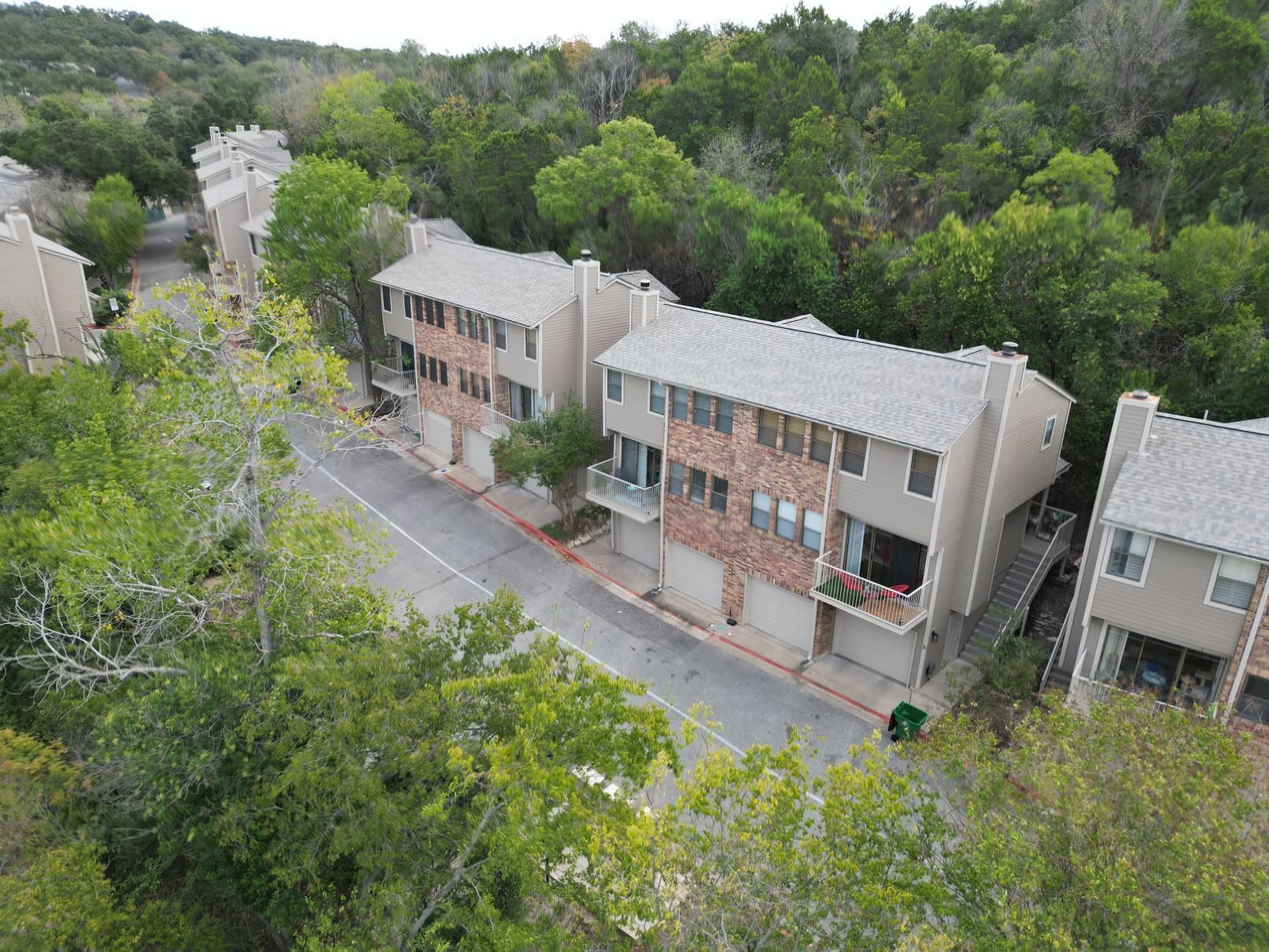
Terrace Condos
Year Built: 1984
Client: Community Association Management
Size: 20 Buildings
Scope:
- The siding was removed and replaced to improve durability and refresh the exterior appearance of the building
- The asphalt shingle roof was fully removed and disposed of, including all layers down to the underlying sheathing to prepare for the new installation
- Pipe boots were replaced and painted to blend in with the new roof surface, while all vents and flashing across the property were removed and replaced to ensure proper function and a clean finish
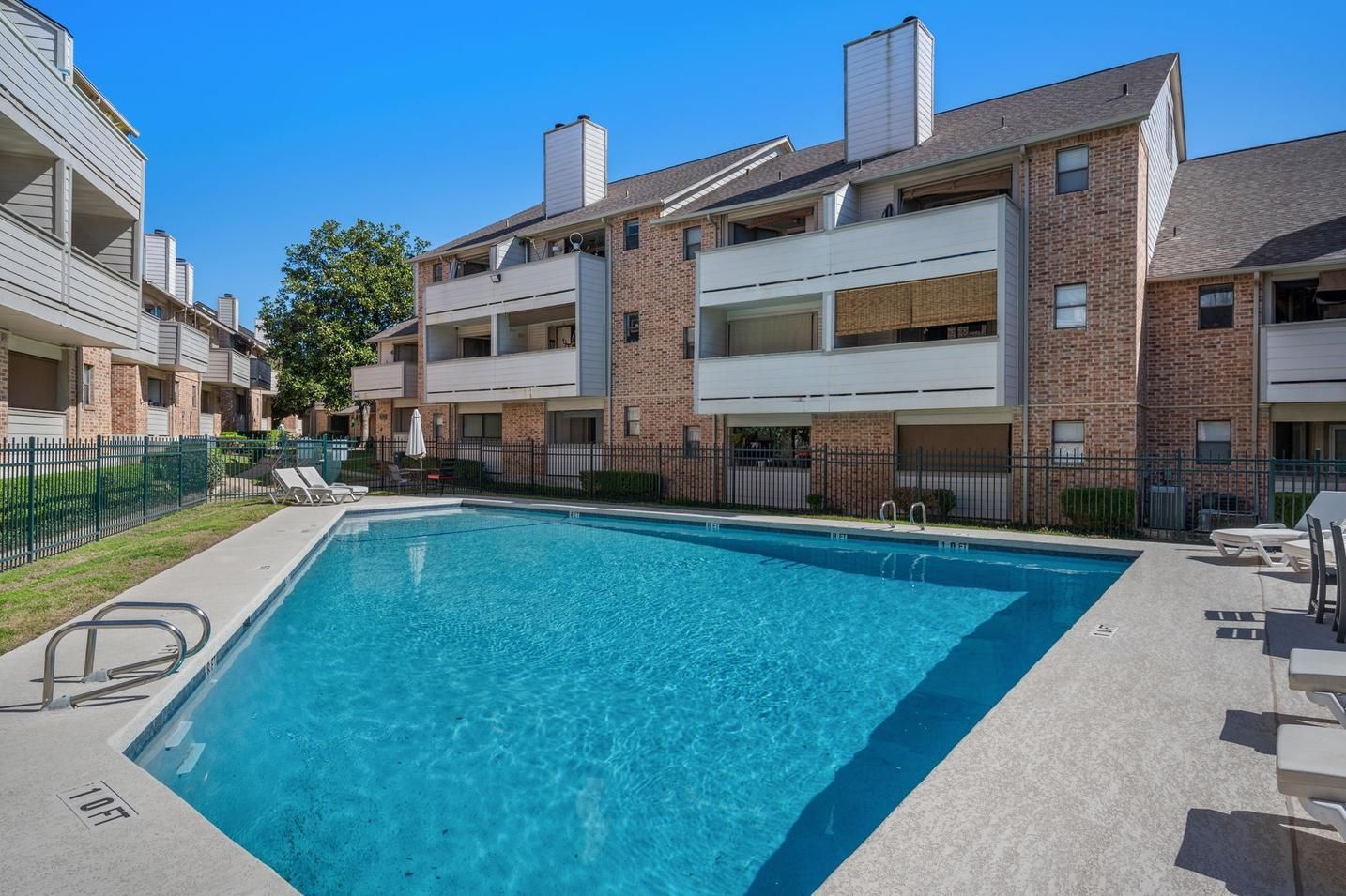
The Woodlands II
Year Built: 1983
Client: RowCal
Size: 7 Buildings
Scope:
- The existing siding was replaced and then painted to refresh the building's exterior and improve durability
- All previously painted surfaces—including siding, trim, eaves, fascia, gutters, downspouts, and entry doors—were repainted to restore their appearance and ensure a consistent finish across the property
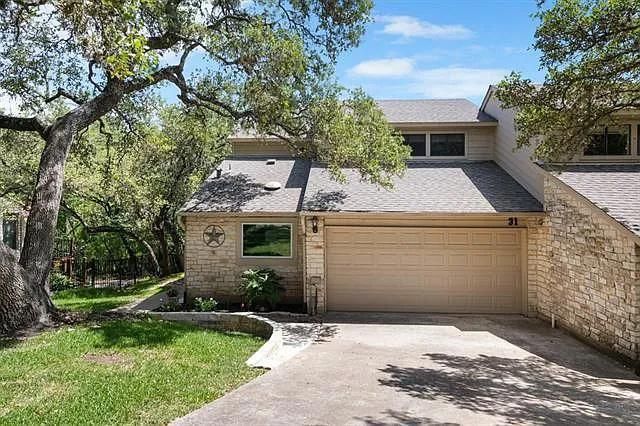
Balcones Place
Year Built: 1979
Client: Associa Hill Country
Size: All Units
Scope:
- Existing wood paneling, corner and base trim, and house wrap were fully removed down to the sheathing to prepare for new installation
- The gutter and downspout were removed and replaced with new components to improve drainage and appearance
- Damaged fascia boards were taken out and replaced to restore proper structure and maintain a clean exterior look
Request a Concrete Restoration Quote Today!
ROC 202664 (Class CR34)
ROC 269463 (Class KB-2)
1823 Fort View Rd Suite 201 Austin TX 78704