
Expert Concrete Restoration Flower Mound TX
Specialized concrete repair for North Texas clay soil and storm damage conditions.





360+ 5-Star Google Reviews
EmpireWorks delivers expert concrete restoration services tailored to Flower Mound's unique environmental demands. Our restoration specialists understand how North Texas clay soil expansion and severe weather patterns affect concrete structures throughout the community's master-planned neighborhoods and commercial districts. We employ proven restoration methodologies that address foundation settling, surface deterioration, and structural integrity issues common in Flower Mound's diverse property portfolio.
Our concrete restoration approach combines industry-leading repair techniques with materials specifically chosen for North Texas conditions. From lakefront condominiums along Grapevine Lake to multi-story apartment complexes in established neighborhoods, we restore concrete surfaces to optimal performance standards. Each project receives customized treatment based on soil conditions, drainage patterns, and the specific weathering challenges that affect Flower Mound's built environment.



Concrete Restoration for Flower Mound's Master-Planned Communities
Flower Mound's location in Denton County presents distinct challenges for concrete structures, particularly the expansive clay soils that characterize the North Texas region. The town's proximity to Grapevine Lake creates additional moisture variables that influence concrete performance, while the area's rapid development has resulted in varying construction standards across different building phases. Local building codes emphasize proper drainage and foundation design to address soil movement concerns.
The community's numerous HOAs maintain strict standards for concrete appearance and structural integrity, particularly in master-planned developments like Bridlewood and Canyon Falls. Flower Mound's commitment to maintaining property values through comprehensive maintenance standards creates demand for professional-grade restoration services. Our team works closely with property management companies and HOA boards to ensure all restoration work meets community guidelines while addressing underlying structural concerns that could affect long-term property integrity.
What Flower Mound's Clay Soil and Storms Do to Concrete
Expansive clay soil causing foundation movement
Severe storms creating surface and structural damage
Lake proximity moisture affecting concrete integrity
Clay soil movement resistance and repair solutions
Storm damage restoration with enhanced durability
HOA-compliant restoration maintaining property values
Deep knowledge of Flower Mound clay soil challenges
Proven expertise in lakefront property concrete issues
HOA-approved restoration methods and materials
Our Concrete Restoration Process for Flower Mound Properties
We keep the process simple and transparent from the first call to the final walkthrough.
01
Detailed structural assessment and soil impact evaluation
02
Foundation stabilization and crack remediation
03
Surface restoration using clay-resistant materials
04
Moisture barrier installation and final protection
Concrete Restoration in Flower Mound: FAQs
Our property has cracking near expansion joints that keeps coming back after patching. Why does this happen so often in Flower Mound?
Recurring cracks near expansion joints are common across Flower Mound's varied construction phases, especially where original joint placement or patch materials did not account for ongoing soil movement. Surface-level patching without addressing the underlying cause typically fails within a season or two, particularly in developments built during periods of rapid growth.
We start with a structural assessment to identify whether soil movement, poor original joint design, or drainage issues are driving the recurrence, then repair using clay-resistant materials designed to flex with ground movement rather than simply filling the visible crack.
How much does Denton County's clay soil actually affect concrete compared to other repair issues we see?
It is usually the primary driver. Denton County's expansive clay soils shrink during dry periods and swell when saturated, and that constant cycling puts uneven pressure on slabs and foundations, leading to settling, cracking, and joint separation that reappears if the soil movement itself is not accounted for in the repair. Properties near Grapevine Lake face an added moisture variable that can accelerate the cycle.
We evaluate soil and drainage conditions alongside the visible damage and use restoration methods and materials selected specifically for clay soil movement rather than standard concrete repair techniques.
Our HOA board wants this fixed quickly but needs to approve the plan first. How long does concrete restoration typically take?
Timelines depend on the scope, but most Flower Mound HOA and commercial projects move through assessment, board review, and repair within a few weeks once materials are confirmed. Master-planned communities like Bridlewood and Canyon Falls often have specific appearance standards that need to be factored into material and finish selection before work begins.
We provide detailed assessments and documentation suited for HOA board review, then schedule restoration work to minimize disruption to residents and coordinate closely with property management throughout the project.
Featured Projects
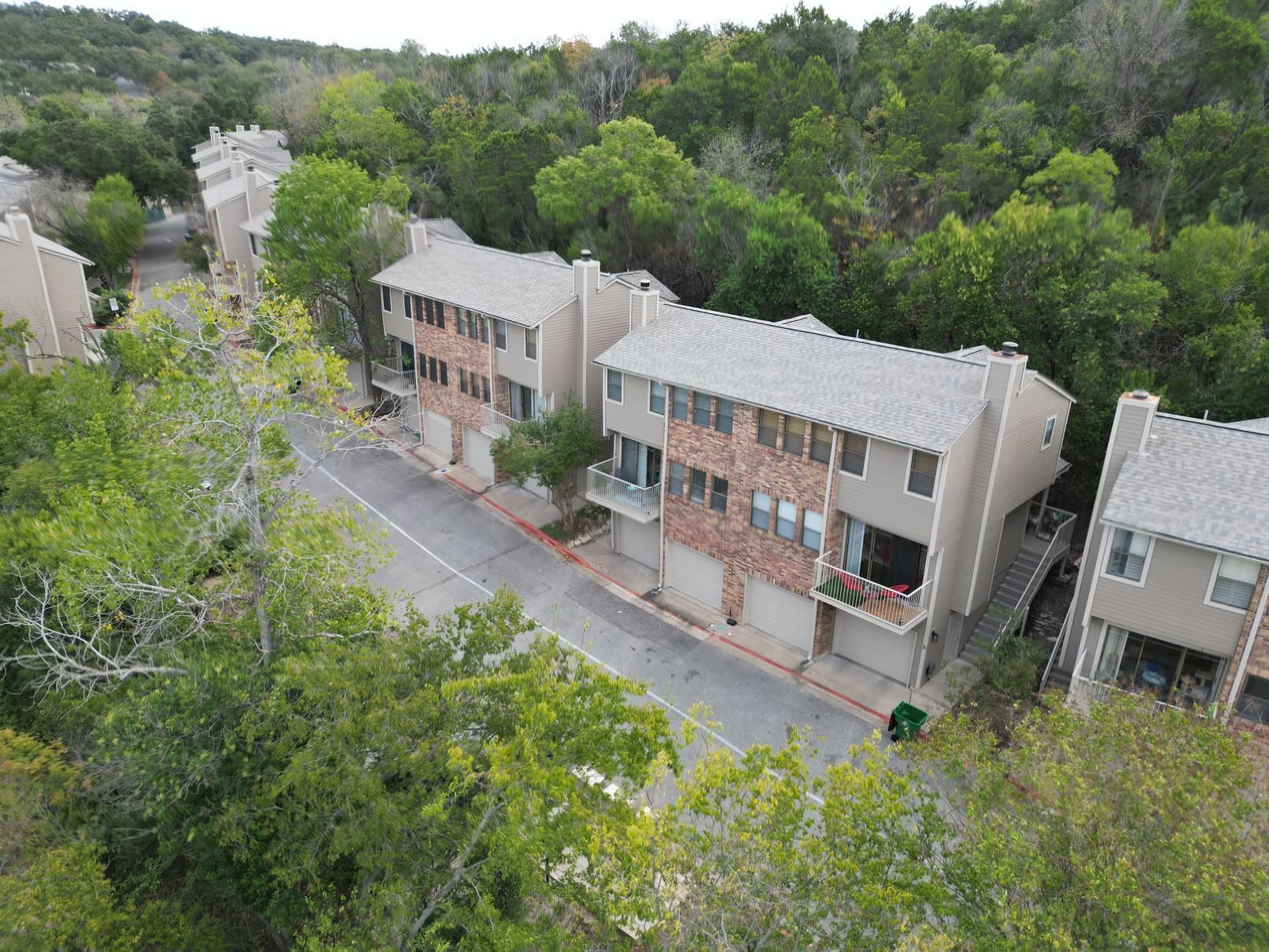
Terrace Condos
Year Built: 1984
Client: Community Association Management
Size: 20 Buildings
Scope:
- The siding was removed and replaced to improve durability and refresh the exterior appearance of the building
- The asphalt shingle roof was fully removed and disposed of, including all layers down to the underlying sheathing to prepare for the new installation
- Pipe boots were replaced and painted to blend in with the new roof surface, while all vents and flashing across the property were removed and replaced to ensure proper function and a clean finish
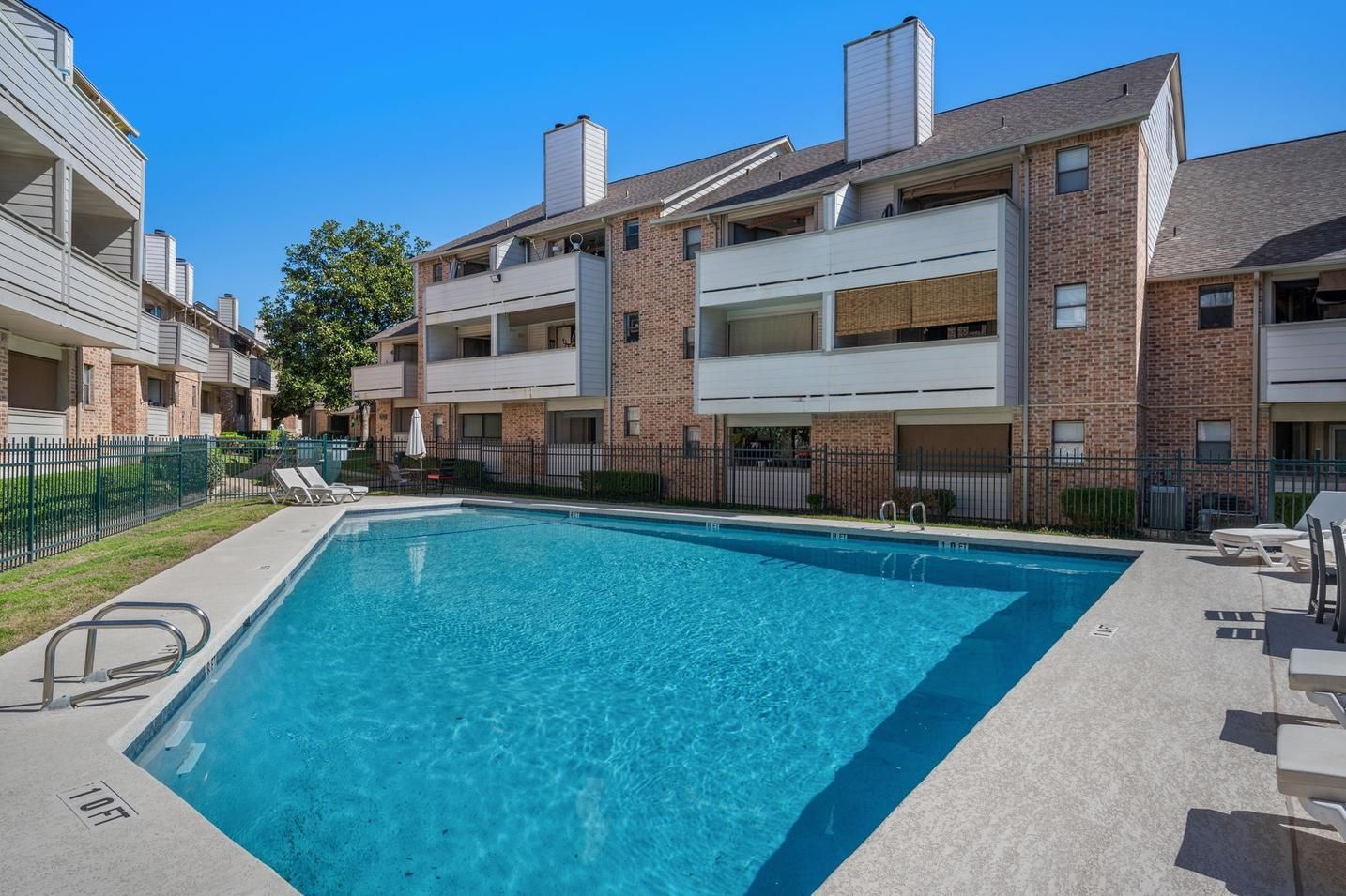
The Woodlands II
Year Built: 1983
Client: RowCal
Size: 7 Buildings
Scope:
- The existing siding was replaced and then painted to refresh the building's exterior and improve durability
- All previously painted surfaces—including siding, trim, eaves, fascia, gutters, downspouts, and entry doors—were repainted to restore their appearance and ensure a consistent finish across the property
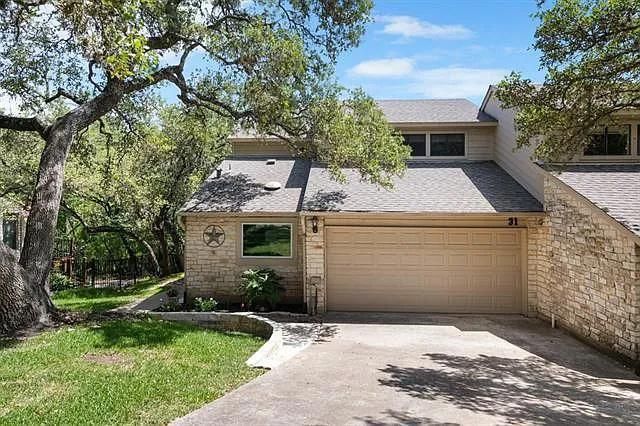
Balcones Place
Year Built: 1979
Client: Associa Hill Country
Size: All Units
Scope:
- Existing wood paneling, corner and base trim, and house wrap were fully removed down to the sheathing to prepare for new installation
- The gutter and downspout were removed and replaced with new components to improve drainage and appearance
- Damaged fascia boards were taken out and replaced to restore proper structure and maintain a clean exterior look
Request a Concrete Restoration Quote Today!
ROC 202664 (Class CR34)
ROC 269463 (Class KB-2)
1823 Fort View Rd Suite 201 Austin TX 78704