
Civil Reconstruction Services Garland TX | EmpireWorks
Infrastructure restoration expertise for Garland's challenging soil conditions and severe weather impacts.





360+ 5-Star Google Reviews
EmpireWorks delivers specialized civil reconstruction services across Garland, Texas, addressing the unique infrastructure challenges facing this dynamic city east of Dallas. Our expertise spans from the historic downtown district to newer developments like Firewheel and Spring Park, where shifting clay soils and intense weather patterns regularly impact roadways, parking areas, and site infrastructure.
Garland's diverse property portfolio, including established apartment complexes along Belt Line Road, mixed-use developments near Lake Ray Hubbard, and extensive HOA communities throughout Duck Creek and Sachse Road corridors, requires reconstruction solutions that withstand the region's extreme temperature swings and unpredictable precipitation patterns. We engineer durable infrastructure improvements that protect property values and ensure long-term structural integrity.



Reconstructing Garland's Infrastructure Against Black Clay Soil Movement
Garland's position in Dallas County subjects properties to the notorious black clay soil conditions that expand dramatically during wet periods and contract severely during drought cycles. This geological reality, combined with the city's compliance requirements under Dallas County drainage ordinances and Texas Department of Transportation standards, demands specialized reconstruction approaches that many general contractors cannot provide.
The city's rapid growth along Interstate 635 and Highway 190 corridors has created unique challenges for older properties that must upgrade infrastructure to meet current City of Garland building codes and ADA compliance standards. Properties near White Rock Creek and Duck Creek face additional complexities with FEMA floodplain regulations and Trinity River Authority guidelines. Our team understands these interconnected regulatory requirements and designs reconstruction projects that satisfy all applicable municipal, county, and federal standards while addressing Garland's specific environmental stressors.
What Garland's Soil and Storms Do to Infrastructure
Black clay soil expansion causing foundation shifting
Flash flooding overwhelming inadequate drainage systems
Aging infrastructure requiring code compliance upgrades
Black clay soil-resistant infrastructure design
FEMA floodplain compliant reconstruction
Highway corridor drainage management systems
Deep knowledge of Garland's soil and drainage challenges
Proven experience with Dallas County regulations
Specialized solutions for Lake Ray Hubbard area properties
Our Civil Reconstruction Process for Garland Properties
We keep the process simple and transparent from the first call to the final walkthrough.
01
Detailed geotechnical assessment and drainage analysis
02
Custom engineering for local soil conditions
03
Phased reconstruction with weather-resistant systems
04
Final inspection and performance monitoring
Civil Reconstruction Questions From Garland Property Owners
What typically goes wrong with parking lots and site infrastructure at older Garland properties?
Older properties near the historic downtown district and along Belt Line Road commonly show cracked and heaving asphalt, uneven curbs, and shifted flatwork caused by years of black clay soil movement beneath the surface. Once expansion joints fail and drainage patterns change, the damage tends to accelerate quickly during the next wet cycle.
We start with a geotechnical assessment to understand how the soil beneath a specific site has moved over time, then design reconstruction that accounts for continued expansion and contraction rather than just patching the visible surface damage.
How does Garland's clay soil and weather actually affect civil reconstruction work?
Dallas County's black clay soil expands significantly during wet periods and contracts hard during drought, which puts continuous stress on slabs, curbs, and underground utilities. Add Garland's large-hail storms, heavy rain events that overwhelm drainage, and occasional hard freezes like the February 2021 statewide event, and infrastructure faces near constant seasonal stress.
We engineer every project around this cycle, using soil-resistant base preparation and drainage systems sized for flash flooding so the work holds up through both the summer heat and winter freeze conditions.
What permitting and compliance steps apply to civil reconstruction projects in Garland?
Projects in Garland often need to satisfy City of Garland building codes, Dallas County drainage ordinances, and in some cases FEMA floodplain regulations for properties near White Rock Creek or Duck Creek. Older properties along the Interstate 635 and Highway 190 corridors frequently need ADA upgrades folded into the same scope.
We manage these overlapping municipal, county, and federal requirements directly, coordinating inspections and paperwork so property managers do not have to navigate each agency separately.
Featured Projects
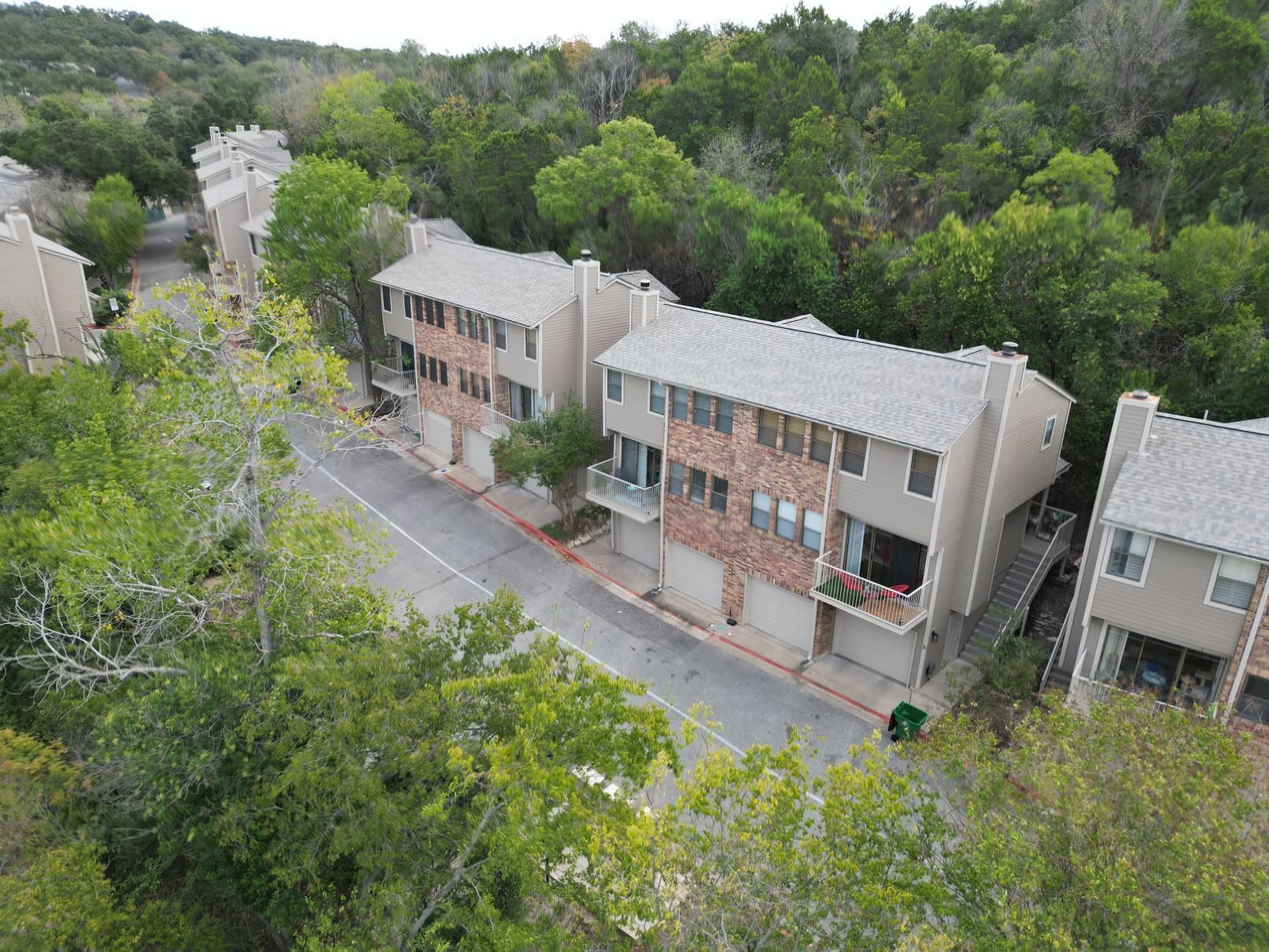
Terrace Condos
Year Built: 1984
Client: Community Association Management
Size: 20 Buildings
Scope:
- The siding was removed and replaced to improve durability and refresh the exterior appearance of the building
- The asphalt shingle roof was fully removed and disposed of, including all layers down to the underlying sheathing to prepare for the new installation
- Pipe boots were replaced and painted to blend in with the new roof surface, while all vents and flashing across the property were removed and replaced to ensure proper function and a clean finish
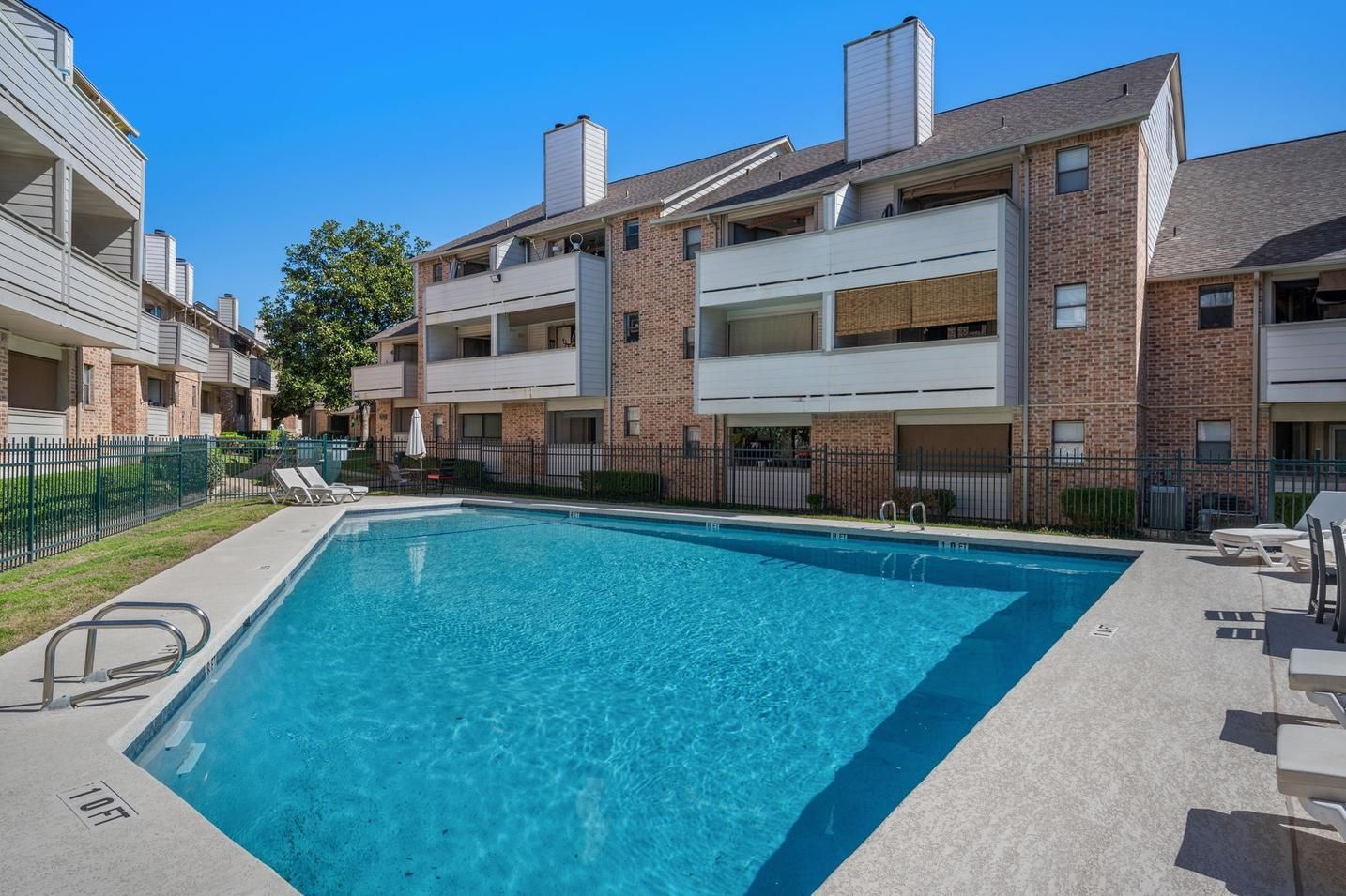
The Woodlands II
Year Built: 1983
Client: RowCal
Size: 7 Buildings
Scope:
- The existing siding was replaced and then painted to refresh the building's exterior and improve durability
- All previously painted surfaces—including siding, trim, eaves, fascia, gutters, downspouts, and entry doors—were repainted to restore their appearance and ensure a consistent finish across the property
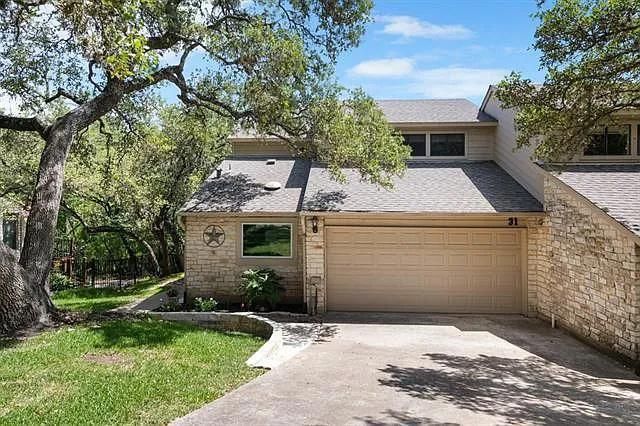
Balcones Place
Year Built: 1979
Client: Associa Hill Country
Size: All Units
Scope:
- Existing wood paneling, corner and base trim, and house wrap were fully removed down to the sheathing to prepare for new installation
- The gutter and downspout were removed and replaced with new components to improve drainage and appearance
- Damaged fascia boards were taken out and replaced to restore proper structure and maintain a clean exterior look
Request a Civil Reconstruction Quote Today!
ROC 202664 (Class CR34)
ROC 269463 (Class KB-2)
1823 Fort View Rd Suite 201 Austin TX 78704