
Expert Concrete Restoration in Garland, Texas
Specialized concrete repair solutions for Garland's challenging clay soil and severe weather conditions.





360+ 5-Star Google Reviews
EmpireWorks delivers expert concrete restoration services throughout Garland, Texas, addressing the unique challenges faced by multi-family and commercial properties in this dynamic Dallas suburb. Our specialized restoration techniques tackle concrete deterioration caused by Garland's expansive clay soils, intense summer heat, and severe storm activity that regularly impacts the area. From the established neighborhoods near Lake Ray Hubbard to the growing commercial districts along Belt Line Road, we understand how local environmental factors accelerate concrete degradation.
Our restoration process focuses on repairing spalling, cracking, and structural damage commonly found in Garland's apartment complexes, HOA communities, and commercial buildings. We utilize advanced polymer-modified repair materials and reinforcement systems specifically selected to perform in North Texas conditions. Whether addressing pool deck deterioration at lakeside condominiums or repairing damaged walkways at shopping centers along Jupiter Road, our team ensures long-lasting results that protect your property investment while meeting local building standards.


Concrete Restoration Built for Garland's Clay Soil and Storms
Garland's location in the Blackland Prairie region creates particularly challenging conditions for concrete structures, with highly expansive Eagle Ford clay soils that undergo significant volume changes during wet and dry cycles. The city's proximity to Lake Ray Hubbard and White Rock Creek adds moisture variability that compounds soil movement issues, while Garland's position in Tornado Alley subjects properties to severe hail, wind, and flooding events that can cause immediate concrete damage.
The city's building standards, enforced through Dallas County regulations and Garland's municipal codes, require concrete repairs to meet specific structural and safety requirements, particularly for multi-family properties in established areas like Sachse and newer developments near Firewheel. Many of Garland's older apartment complexes and commercial properties, built during the city's rapid growth periods in the 1970s and 1980s, now require comprehensive concrete restoration as original materials reach the end of their service life. HOA communities throughout areas like Lake Highlands and Eastern Hills face ongoing concrete maintenance challenges due to the combination of aging infrastructure and aggressive local environmental conditions.
What Garland's Soil and Weather Do to Concrete Structures
Expansive clay soil causing foundation and slab movement
Severe storm damage from hail and flooding events
Rapid freeze-thaw cycles creating surface deterioration
Clay soil-resistant repair systems and reinforcement
Storm damage restoration and waterproofing solutions
Long-term durability in North Texas climate conditions
Deep expertise in Garland's clay soil concrete challenges
Proven track record with local HOAs and property managers
Advanced materials designed for Texas weather extremes
Our Concrete Restoration Process in Garland
We keep the process simple and transparent from the first call to the final walkthrough.
01
Detailed structural assessment and soil impact evaluation
02
Crack sealing and damaged concrete removal
03
Application of polymer-modified restoration materials
04
Protective sealing and drainage improvement installation
Concrete Restoration Questions From Garland Property Owners
Why do so many older apartment complexes in Garland develop cracked slabs and spalling concrete?
Many of Garland's apartment complexes and commercial buildings were constructed during the rapid growth of the 1970s and 1980s, and their original concrete is now reaching the end of its service life while sitting on expansive Eagle Ford clay that shifts with every wet and dry cycle. That combination produces spalling, cracking, and uneven slabs that only worsen without intervention.
We start with a structural assessment that evaluates soil impact alongside surface damage, so the repair addresses the actual cause of movement rather than just patching visible cracks.
How does Garland's clay soil and storm activity actually affect concrete repairs compared to other cities?
Garland sits in the Blackland Prairie region, where highly expansive clay soils swell and shrink with moisture changes from nearby Lake Ray Hubbard and White Rock Creek, putting constant stress on slabs and foundations. Add in Tornado Alley hail, wind, and flooding, and concrete here takes damage from both the ground up and the sky down.
We use polymer-modified repair materials and reinforcement systems selected specifically for these conditions, so repairs hold up against soil movement and severe North Texas weather alike.
Can concrete restoration work be scheduled around an occupied property without disrupting residents or tenants?
Property managers and HOA boards in areas like Sachse and Firewheel need repairs completed without shutting down walkways, pool decks, or parking areas that residents depend on daily, and most restoration work can be phased to keep the property functional throughout the project.
We coordinate scheduling around occupancy and local building code requirements enforced through Dallas County and Garland's municipal standards, so the work moves efficiently without unnecessary disruption to residents or tenants.
Featured Projects
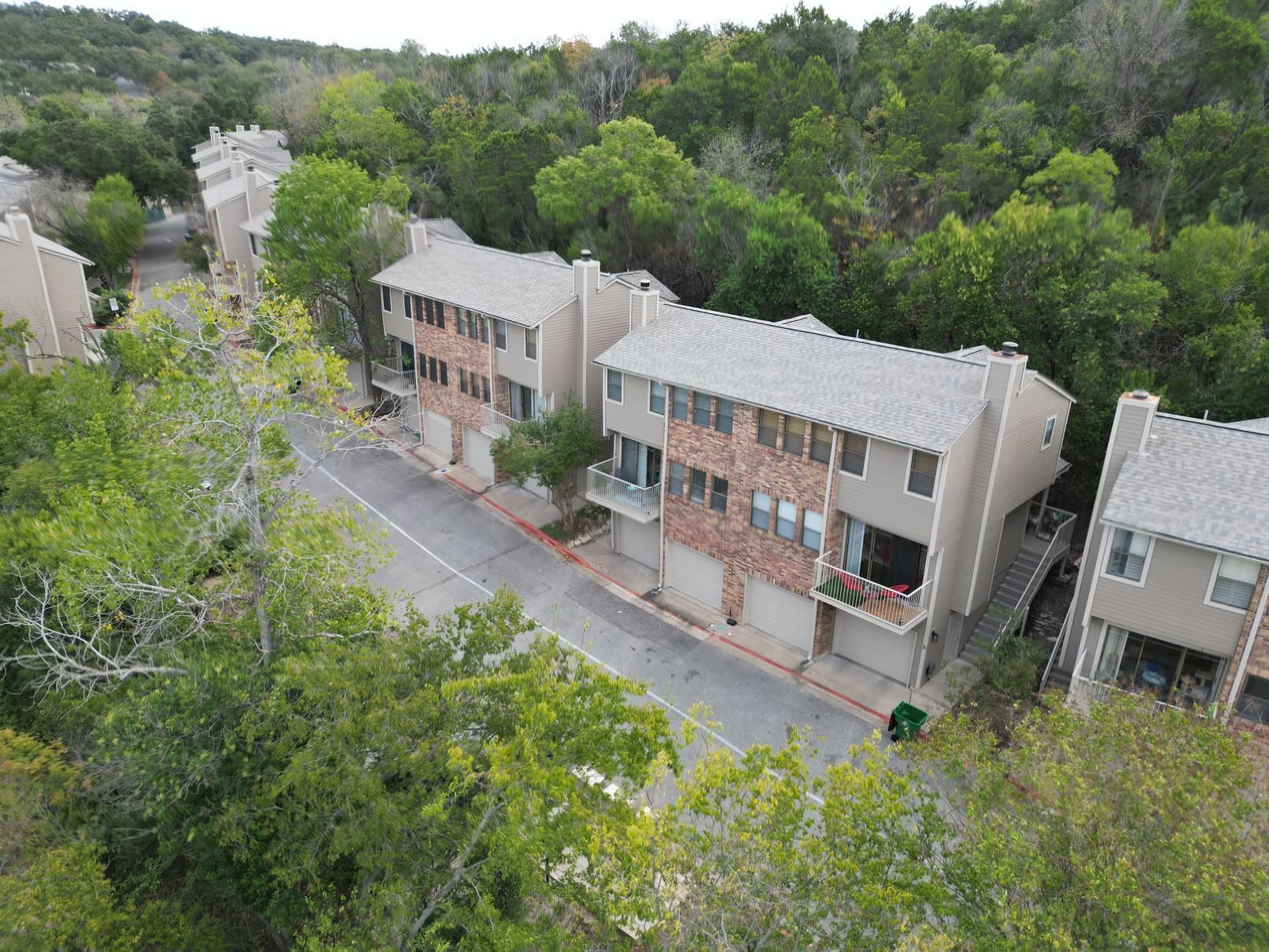
Terrace Condos
Year Built: 1984
Client: Community Association Management
Size: 20 Buildings
Scope:
- The siding was removed and replaced to improve durability and refresh the exterior appearance of the building
- The asphalt shingle roof was fully removed and disposed of, including all layers down to the underlying sheathing to prepare for the new installation
- Pipe boots were replaced and painted to blend in with the new roof surface, while all vents and flashing across the property were removed and replaced to ensure proper function and a clean finish
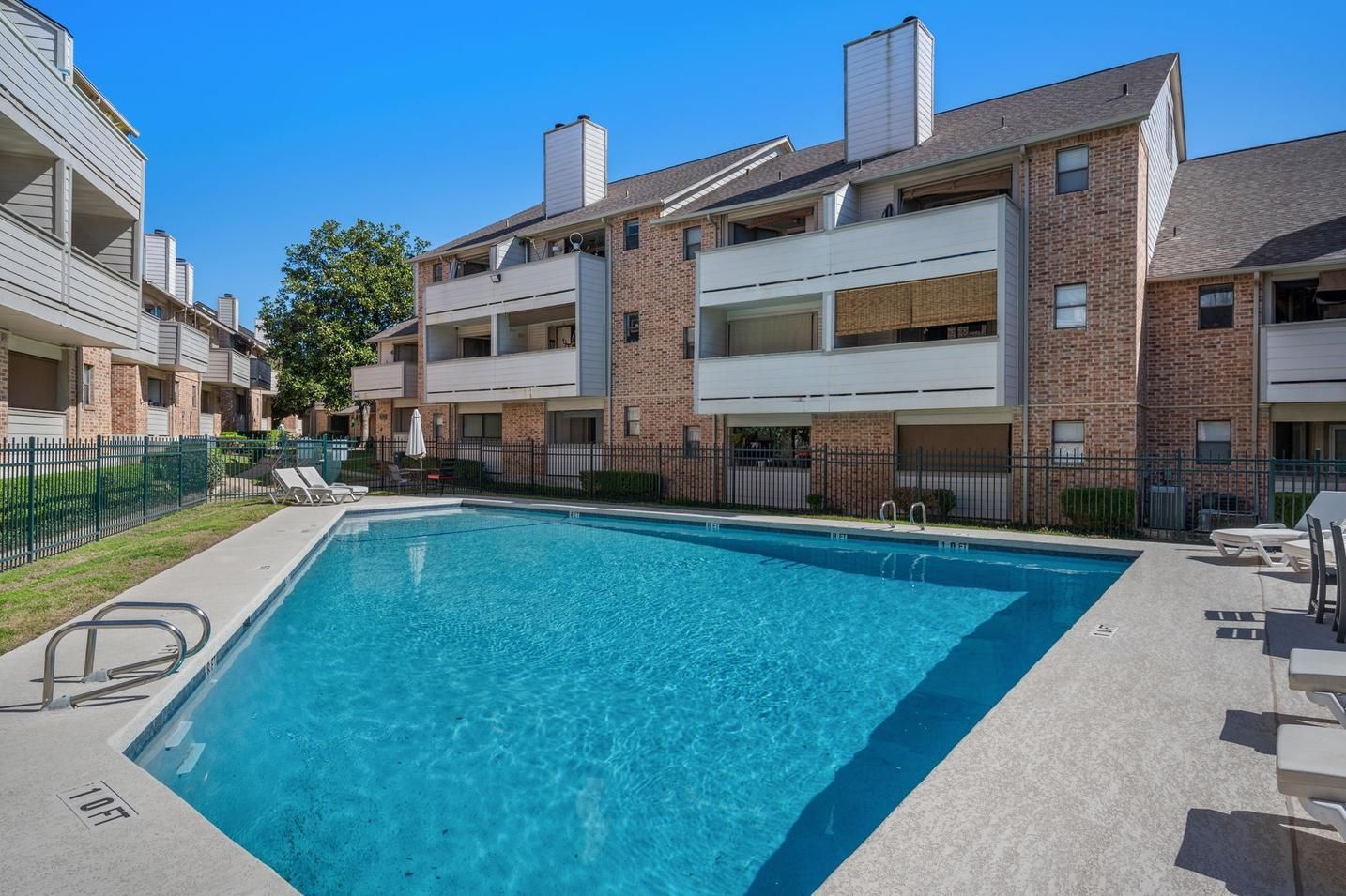
The Woodlands II
Year Built: 1983
Client: RowCal
Size: 7 Buildings
Scope:
- The existing siding was replaced and then painted to refresh the building's exterior and improve durability
- All previously painted surfaces—including siding, trim, eaves, fascia, gutters, downspouts, and entry doors—were repainted to restore their appearance and ensure a consistent finish across the property
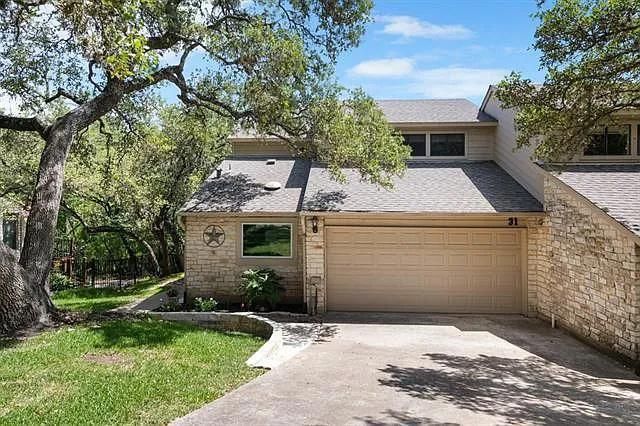
Balcones Place
Year Built: 1979
Client: Associa Hill Country
Size: All Units
Scope:
- Existing wood paneling, corner and base trim, and house wrap were fully removed down to the sheathing to prepare for new installation
- The gutter and downspout were removed and replaced with new components to improve drainage and appearance
- Damaged fascia boards were taken out and replaced to restore proper structure and maintain a clean exterior look
Request a Concrete Restoration Quote Today!
ROC 202664 (Class CR34)
ROC 269463 (Class KB-2)
1823 Fort View Rd Suite 201 Austin TX 78704