
Retaining Wall Construction & Repair in Garland, TX
Engineered retaining wall solutions for Garland's unique soil and weather challenges.





360+ 5-Star Google Reviews
EmpireWorks delivers professional retaining wall construction and repair services throughout Garland, Texas, serving the city's diverse mix of residential communities and commercial developments. From the established neighborhoods near Lake Ray Hubbard to newer multi-family developments along I-635, our team understands the unique soil composition and drainage requirements that make Garland properties challenging for retaining wall systems. We work with apartment complexes, condominiums, and HOA communities to create durable solutions that withstand North Texas weather extremes.
Our retaining wall expertise extends across Garland's varied topography, from the relatively flat central areas to the more elevated terrain near Duck Creek and Rowlett Creek. We specialize in addressing the specific challenges posed by Garland's clay-heavy soil composition, which expands dramatically during wet periods and contracts during drought conditions. Our engineering approach accounts for the city's average annual rainfall of 37 inches and temperature swings that can exceed 100°F in summer and drop below freezing in winter.



Retaining Wall Construction Across Garland's Creek and Clay Soil Areas
Garland's position in Dallas County subjects properties to the region's notorious black clay soil, which presents significant challenges for retaining wall stability. The city's proximity to multiple creek systems, including Duck Creek and Rowlett Creek, creates varying soil moisture conditions that can cause foundation movement and wall failure if not properly addressed. Many of Garland's older apartment complexes and condominiums, particularly those built in the 1980s and 1990s near Downtown Garland and the DART rail corridors, require retaining wall updates to meet current engineering standards.
The City of Garland requires permits for retaining walls exceeding four feet in height, and structures must comply with Dallas County soil engineering requirements due to the area's expansive clay conditions. Local HOAs, particularly in master-planned communities like Firewheel and areas near Lake Ray Hubbard, maintain strict architectural guidelines for retaining wall materials and design. Our team stays current with Garland's building codes and works closely with the city's development services department to ensure all retaining wall projects meet or exceed local requirements while addressing the specific drainage and soil stabilization needs of East Dallas County properties.
What Garland's Clay Soil and Weather Mean for Retaining Wall Construction
Black clay soil expansion and contraction cycles
Creek proximity creating complex drainage needs
Extreme temperature fluctuations causing material stress
Black clay soil stabilization expertise
Creek-area drainage management solutions
Garland building code compliance assurance
Deep knowledge of Garland soil and drainage patterns
Proven success with local HOA and city requirements
Specialized experience in East Dallas County construction
Our Retaining Wall Construction Process in Garland
We keep the process simple and transparent from the first call to the final walkthrough.
01
Detailed site survey and soil composition testing
02
Custom engineering for local soil and code compliance
03
Installation using climate-appropriate materials and techniques
04
Final inspection and warranty protection documentation
Retaining Walls in Garland: FAQs for Property Managers and Boards
We manage an older apartment complex near Downtown Garland. Are aging retaining walls from the 1980s and 1990s prone to specific problems?
Yes. Many retaining walls built in that era near Downtown Garland and the DART rail corridors were not engineered for the region's black clay soil movement, and decades of expansion and contraction cycles often leave them bowing, cracking, or separating from adjacent grading. Drainage was also frequently undersized by today's standards, which accelerates deterioration once water pools behind the wall.
We inspect these older structures for soil-related displacement and outdated drainage design, then recommend whether repair or full replacement better protects the property, factoring in current engineering standards and the building's age.
How do Garland's clay soil and heavy rain events affect the way you design a retaining wall?
Garland sits on notorious black clay soil that expands significantly when saturated and contracts during dry stretches, and with average annual rainfall around 37 inches plus periodic heavy storms, that cycle puts real pressure on wall structures over time. Properties near Duck Creek and Rowlett Creek see additional moisture variation that can accelerate soil movement if drainage is not designed correctly.
We test soil composition on site and engineer drainage and backfill specifically for these conditions, rather than applying a generic design that ignores Garland's clay behavior.
Our HOA board needs to approve a new retaining wall. What should we know about permitting and timeline in Garland?
The City of Garland requires permits for retaining walls over four feet, and the design must meet Dallas County soil engineering requirements given the area's expansive clay conditions. Communities such as those near Firewheel and Lake Ray Hubbard also enforce their own architectural guidelines, so board approval often needs to happen alongside city permitting rather than after it.
We handle the engineering documentation and coordinate with Garland's development services department, and we can present materials and design details in a format your board can review before construction begins.
Featured Projects
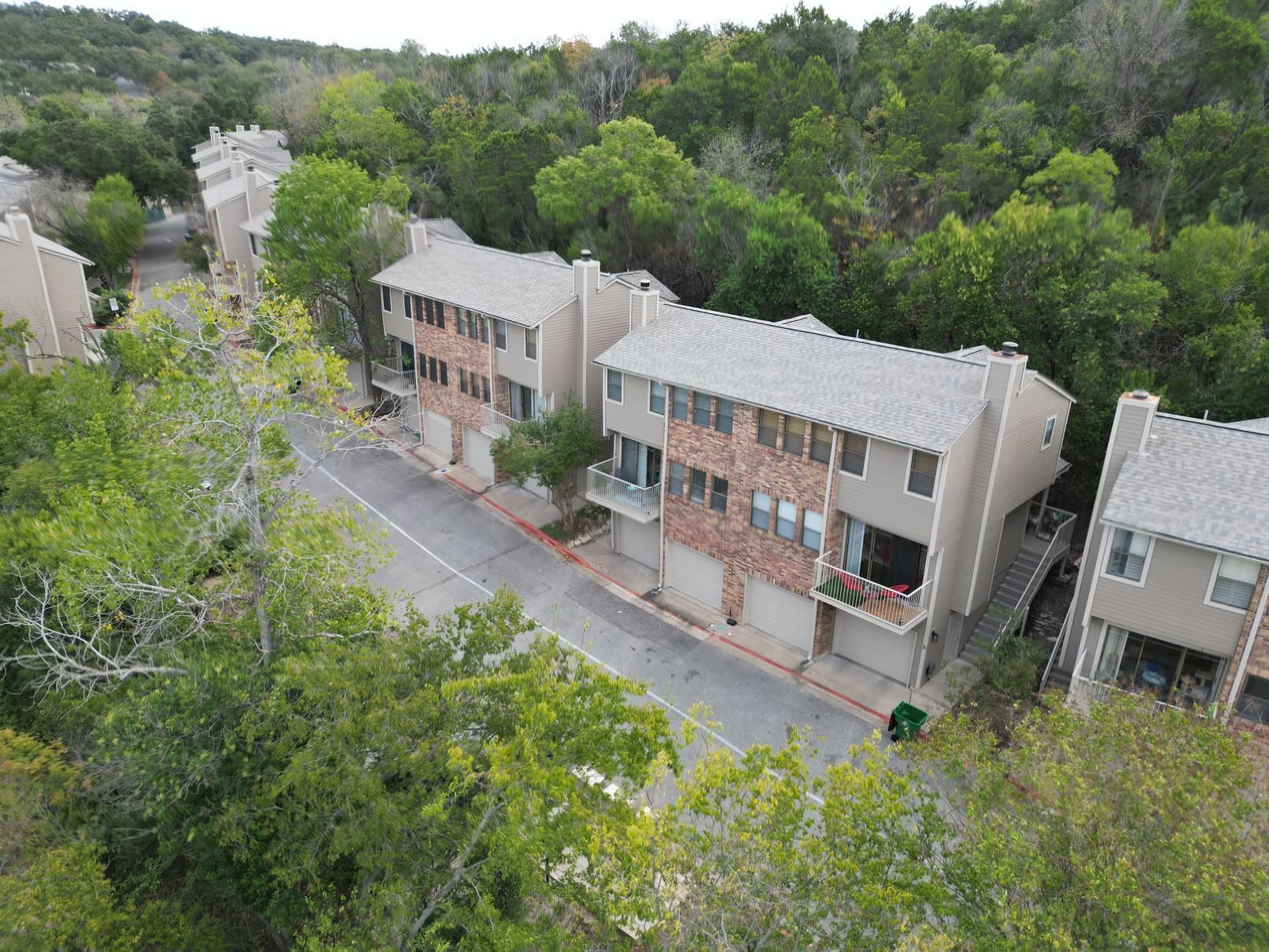
Terrace Condos
Year Built: 1984
Client: Community Association Management
Size: 20 Buildings
Scope:
- The siding was removed and replaced to improve durability and refresh the exterior appearance of the building
- The asphalt shingle roof was fully removed and disposed of, including all layers down to the underlying sheathing to prepare for the new installation
- Pipe boots were replaced and painted to blend in with the new roof surface, while all vents and flashing across the property were removed and replaced to ensure proper function and a clean finish
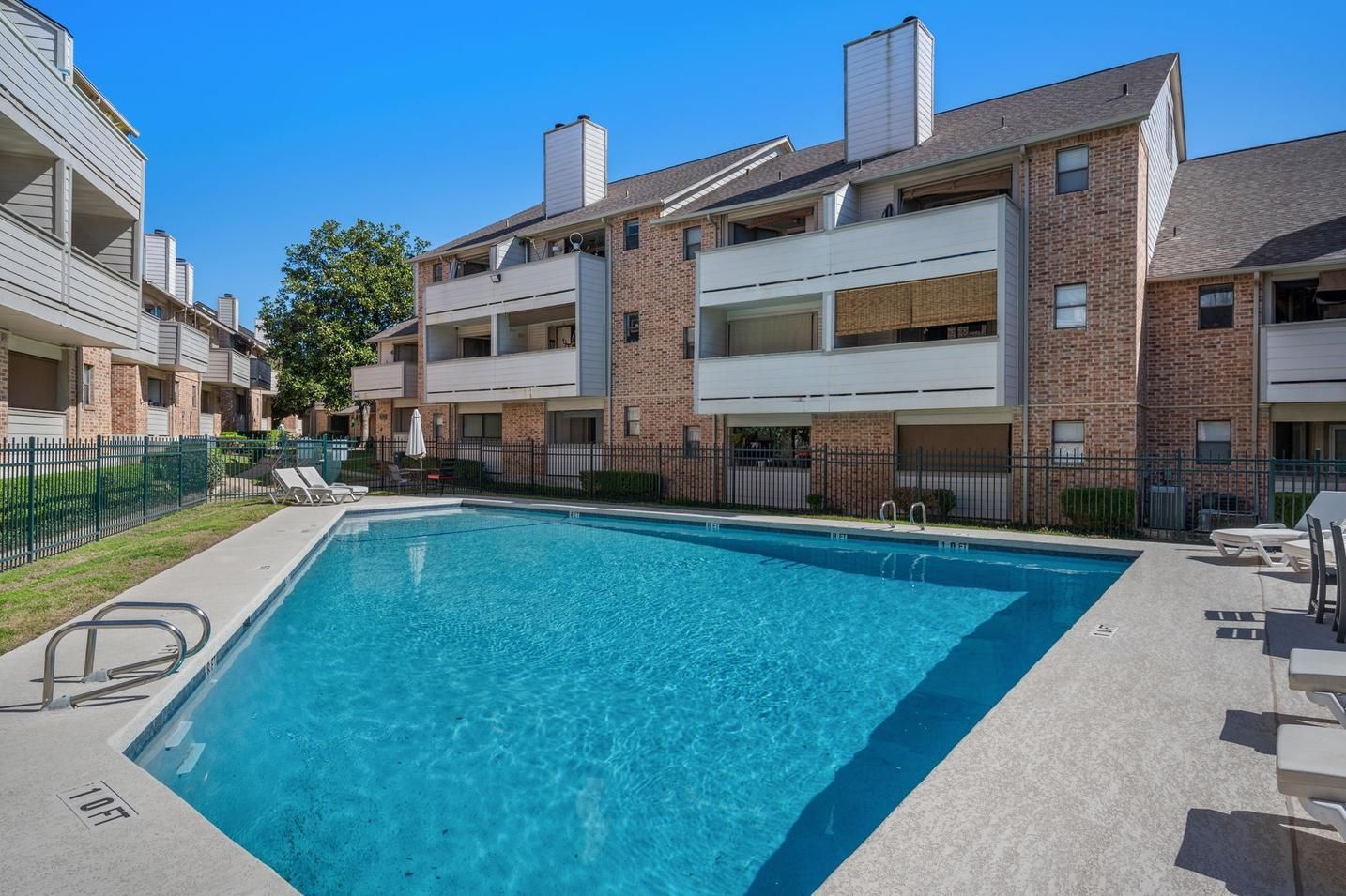
The Woodlands II
Year Built: 1983
Client: RowCal
Size: 7 Buildings
Scope:
- The existing siding was replaced and then painted to refresh the building's exterior and improve durability
- All previously painted surfaces—including siding, trim, eaves, fascia, gutters, downspouts, and entry doors—were repainted to restore their appearance and ensure a consistent finish across the property
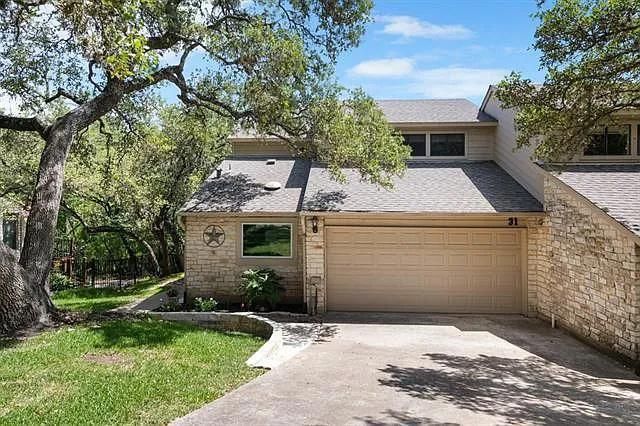
Balcones Place
Year Built: 1979
Client: Associa Hill Country
Size: All Units
Scope:
- Existing wood paneling, corner and base trim, and house wrap were fully removed down to the sheathing to prepare for new installation
- The gutter and downspout were removed and replaced with new components to improve drainage and appearance
- Damaged fascia boards were taken out and replaced to restore proper structure and maintain a clean exterior look
Request a Retaining Walls Quote Today!
ROC 202664 (Class CR34)
ROC 269463 (Class KB-2)
1823 Fort View Rd Suite 201 Austin TX 78704