
Expert Concrete Restoration Grand Prairie TX
Specialized concrete repair solutions for Grand Prairie's expansive clay soil and temperature fluctuations.





360+ 5-Star Google Reviews
EmpireWorks delivers expert concrete restoration services across Grand Prairie's diverse commercial and multi-family properties. From the high-rise condominiums near Lone Star Park to sprawling apartment complexes along Belt Line Road, our restoration specialists understand how Grand Prairie's unique combination of expansive Eagle Ford clay soils and dramatic temperature swings creates specific concrete deterioration patterns. We address structural damage, surface spalling, and foundation settlement issues that plague commercial buildings throughout the city.
Our comprehensive restoration approach tackles the root causes of concrete failure in Grand Prairie's challenging environment. Whether restoring parking structures at The Forum shopping center or repairing walkways at lakeside condominiums near Joe Pool Lake, we utilize advanced polymer-modified repair compounds and fiber-reinforced materials specifically engineered for North Central Texas conditions. Our team has successfully restored concrete infrastructure across Grand Prairie's commercial districts, ensuring long-lasting repairs that withstand the city's volatile weather patterns and soil movement cycles.


Concrete Restoration Built for Grand Prairie's Clay Soil and Heat
Grand Prairie's location in the Dallas-Fort Worth metroplex subjects concrete structures to intense seasonal stress cycles. The city's notorious Eagle Ford clay soils expand dramatically during wet periods and contract severely during droughts, creating continuous foundation movement that stresses concrete slabs and walls. Summer temperatures regularly exceed 100°F while winter freezes can drop below 20°F, creating thermal expansion cycles that accelerate concrete deterioration. Properties along Grand Prairie's major corridors like Highway 360 and Interstate 30 face additional challenges from traffic vibration and road salt exposure.
The City of Grand Prairie follows Texas Building Code requirements with specific amendments addressing soil conditions and foundation design. Many of the city's older commercial properties, particularly those built during the 1980s construction boom near the former LTV Steel plant, require specialized restoration techniques due to original construction methods that didn't account for the area's expansive soils. HOA communities around Mountain Creek Lake and newer developments near the Dallas Premium Outlets must comply with strict architectural guidelines while addressing concrete maintenance needs. Our restoration work consistently meets Grand Prairie's building department standards and helps property managers maintain compliance with both city codes and HOA architectural requirements.
What Makes Concrete Restoration in Grand Prairie Complicated
Expansive Eagle Ford clay causing foundation movement
Extreme temperature swings creating thermal stress
Seasonal moisture cycles accelerating concrete deterioration
Clay soil movement resistance and stabilization
Temperature-resistant repair compounds for Texas climate
Long-term protection against Grand Prairie weather extremes
Proven experience with Grand Prairie's clay soil challenges
Specialized knowledge of DFW concrete failure patterns
Materials engineered for North Central Texas conditions
Our Process for Restoring Concrete on Grand Prairie Properties
We keep the process simple and transparent from the first call to the final walkthrough.
01
Detailed structural assessment and soil movement analysis
02
Surface preparation and crack stabilization
03
Application of polymer-modified restoration materials
04
Protective sealing and moisture barrier installation
Grand Prairie Property Managers and HOA Boards Ask Us About Concrete Restoration
Why does concrete keep cracking at our property even after past repairs?
Many Grand Prairie properties built during the 1980s construction boom, including those near the former LTV Steel plant area, were built without accounting for Eagle Ford clay movement, so patch repairs that ignore the soil beneath them tend to fail again within a year or two as the ground keeps shifting under slabs, walkways, and parking structures.
We start with a structural assessment and soil movement analysis before any repair, then use polymer-modified and fiber-reinforced materials designed to flex with clay soil cycles rather than crack against them, so the fix addresses the actual cause instead of just the surface.
How does Grand Prairie's weather actually affect concrete damage?
Grand Prairie sees summer temperatures over 100 degrees followed by hard freezes like the February 2021 event, and that swing puts concrete through repeated expansion and contraction while the Eagle Ford clay beneath it is simultaneously swelling with rain and shrinking during drought, which is why spalling and slab cracking show up along corridors like Highway 360 and Interstate 30.
We use temperature-resistant repair compounds and protective sealing designed for North Central Texas conditions, so restored concrete can handle both the summer heat load and the winter freeze cycles without breaking down again.
Will concrete restoration work require HOA approval or disrupt residents?
HOA communities around Mountain Creek Lake and newer developments near the Dallas Premium Outlets often have architectural guidelines that concrete repair work has to satisfy before crews can start, and boards want to know how long walkways, parking areas, or pool decks will be out of service during restoration.
We coordinate scheduling with property managers and HOA boards ahead of time and phase the work to keep occupied areas accessible, while making sure the finished restoration meets both city building code and the community's architectural standards.
Featured Projects
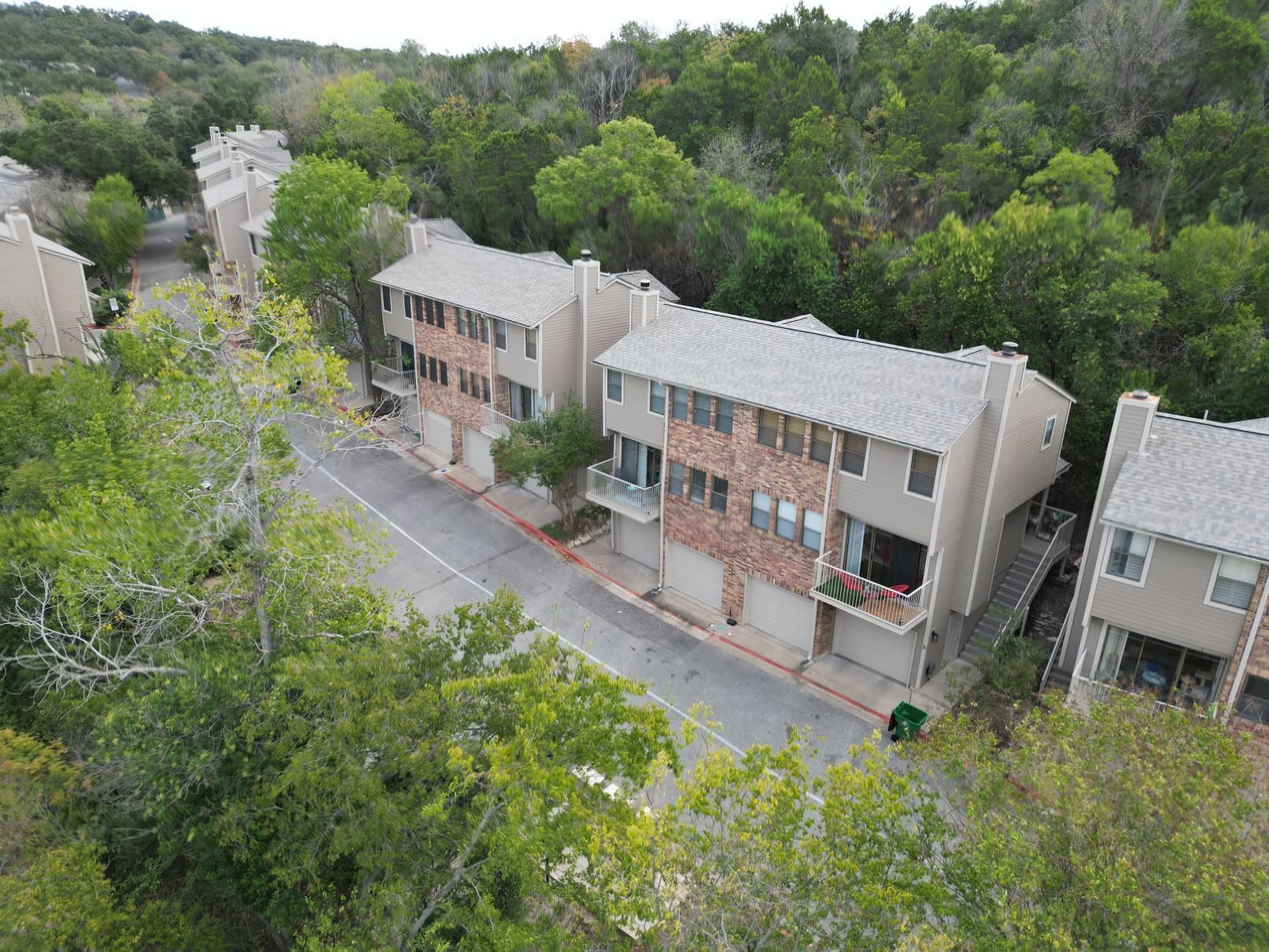
Terrace Condos
Year Built: 1984
Client: Community Association Management
Size: 20 Buildings
Scope:
- The siding was removed and replaced to improve durability and refresh the exterior appearance of the building
- The asphalt shingle roof was fully removed and disposed of, including all layers down to the underlying sheathing to prepare for the new installation
- Pipe boots were replaced and painted to blend in with the new roof surface, while all vents and flashing across the property were removed and replaced to ensure proper function and a clean finish
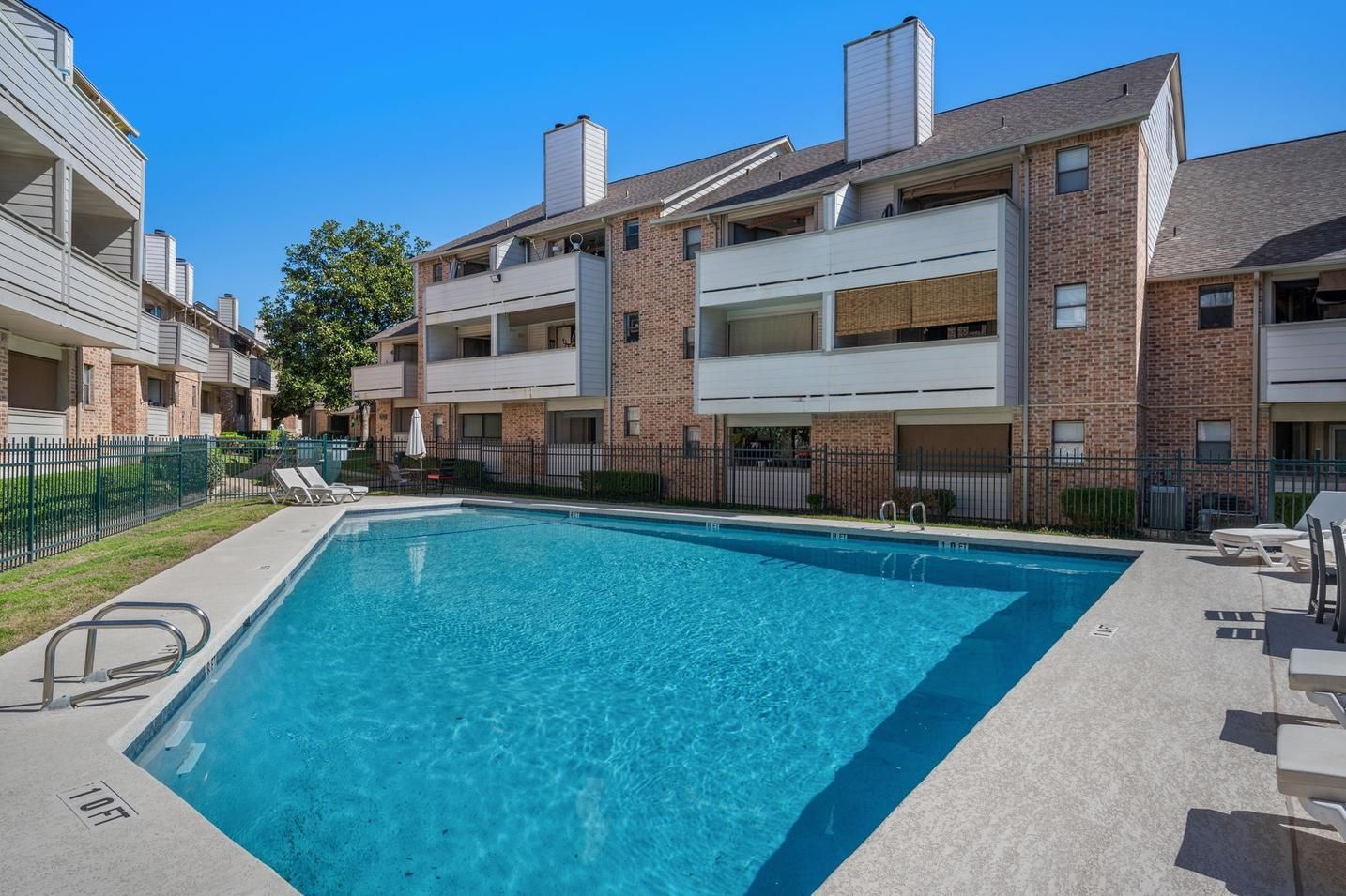
The Woodlands II
Year Built: 1983
Client: RowCal
Size: 7 Buildings
Scope:
- The existing siding was replaced and then painted to refresh the building's exterior and improve durability
- All previously painted surfaces—including siding, trim, eaves, fascia, gutters, downspouts, and entry doors—were repainted to restore their appearance and ensure a consistent finish across the property
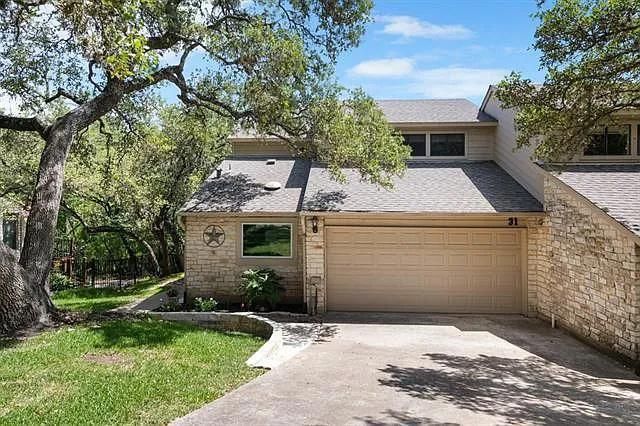
Balcones Place
Year Built: 1979
Client: Associa Hill Country
Size: All Units
Scope:
- Existing wood paneling, corner and base trim, and house wrap were fully removed down to the sheathing to prepare for new installation
- The gutter and downspout were removed and replaced with new components to improve drainage and appearance
- Damaged fascia boards were taken out and replaced to restore proper structure and maintain a clean exterior look
Request a Concrete Restoration Quote Today!
ROC 202664 (Class CR34)
ROC 269463 (Class KB-2)
1823 Fort View Rd Suite 201 Austin TX 78704