
Expert Waterproofing Services Grand Prairie TX
Safeguarding your property against Trinity River flooding and severe Texas storms.





360+ 5-Star Google Reviews
EmpireWorks delivers superior waterproofing solutions across Grand Prairie, protecting multi-family communities and commercial buildings from the region's challenging weather conditions. Our specialized services encompass basement waterproofing, exterior wall sealing, and comprehensive drainage systems tailored for properties near Joe Pool Lake and throughout the Prairie Center area.
From the high-rise condominiums along Belt Line Road to garden-style apartment complexes in Westchester, we understand how Grand Prairie's proximity to multiple water sources and flood zones creates distinct moisture management needs. Our team implements cutting-edge waterproofing technologies that withstand both flash flooding events and prolonged exposure to humid Gulf Coast air masses that frequently impact the Dallas-Fort Worth region.

Why Grand Prairie's Trinity River Location Creates Unique Waterproofing Demands
Grand Prairie's location within the Trinity River floodplain, combined with its position between Dallas and Arlington, creates complex water management challenges for property owners. The city's elevation changes from Joe Pool Lake to Lynn Creek Park mean that buildings face varying hydrostatic pressure conditions, while the area's mix of Eagle Ford clay and alluvial soils leads to unpredictable foundation settling patterns that compromise waterproofing integrity.
Local building codes require enhanced moisture barriers for structures within FEMA flood zones, particularly affecting properties near Mountain Creek Lake and the Trinity River corridor. Grand Prairie's rapid urban development, especially in mixed-use districts like Epic Central and The Summit, has increased stormwater runoff concerns. Our waterproofing strategies account for the city's strict drainage ordinances and the unique challenges posed by North Texas supercells that can dump several inches of rain within hours, overwhelming traditional water management systems in densely built areas.
How North Texas Storms Expose Waterproofing Failures in Grand Prairie
Trinity River proximity and flood zone requirements
Variable soil conditions from lake to creek areas
High-intensity storms overwhelming drainage systems
Trinity River flood zone protection systems
Multi-story building envelope sealing expertise
Emergency storm damage response capabilities
Certified flood mitigation specialists in Grand Prairie
Extensive portfolio across DFW apartment communities
Local expertise in Trinity watershed challenges
Our Waterproofing Process for Grand Prairie Properties
We keep the process simple and transparent from the first call to the final walkthrough.
01
Flood risk evaluation and soil analysis
02
Water penetration source identification
03
Install membrane systems and enhanced drainage
04
Performance verification and maintenance scheduling
Waterproofing FAQs for Grand Prairie Property Owners
What waterproofing problems are most common in Grand Prairie's building stock?
Many multi-family and commercial buildings around Belt Line Road and Westchester were built with waterproofing systems that never accounted for the region's rapid wet-dry soil cycles. As Eagle Ford clay and alluvial soils shift, foundations settle unevenly, opening cracks at slab edges and wall penetrations that let water intrude during heavy rain events.
We inspect building envelopes and foundations for these settlement-related gaps first, since sealing surface symptoms without addressing the underlying movement leads to repeat failures within a season or two.
How does Grand Prairie's climate and soil affect waterproofing work?
Grand Prairie sits between Dallas and Arlington in the Trinity River floodplain, where expansive clay soils swell after rain and shrink during triple-digit summer heat, stressing membranes and sealants year-round. North Texas supercells can drop several inches of rain in hours, and properties near Joe Pool Lake and Mountain Creek Lake face added hydrostatic pressure during those events.
We select membrane and drainage systems rated for this shrink-swell cycle and size drainage capacity for flash flooding rather than average rainfall alone.
Do we need special permits or approval for waterproofing work in FEMA flood zones?
Properties near the Trinity River corridor and Mountain Creek Lake often fall within FEMA-designated flood zones, where Grand Prairie's building codes require enhanced moisture barriers beyond standard specifications. Board approval and permitting timelines can add several weeks to a project, so scheduling around occupancy and association meetings matters as much as the technical scope.
We handle the permitting documentation and code compliance details for flood zone properties, and we coordinate scheduling with property managers and boards to minimize disruption to residents and tenants.
Featured Projects
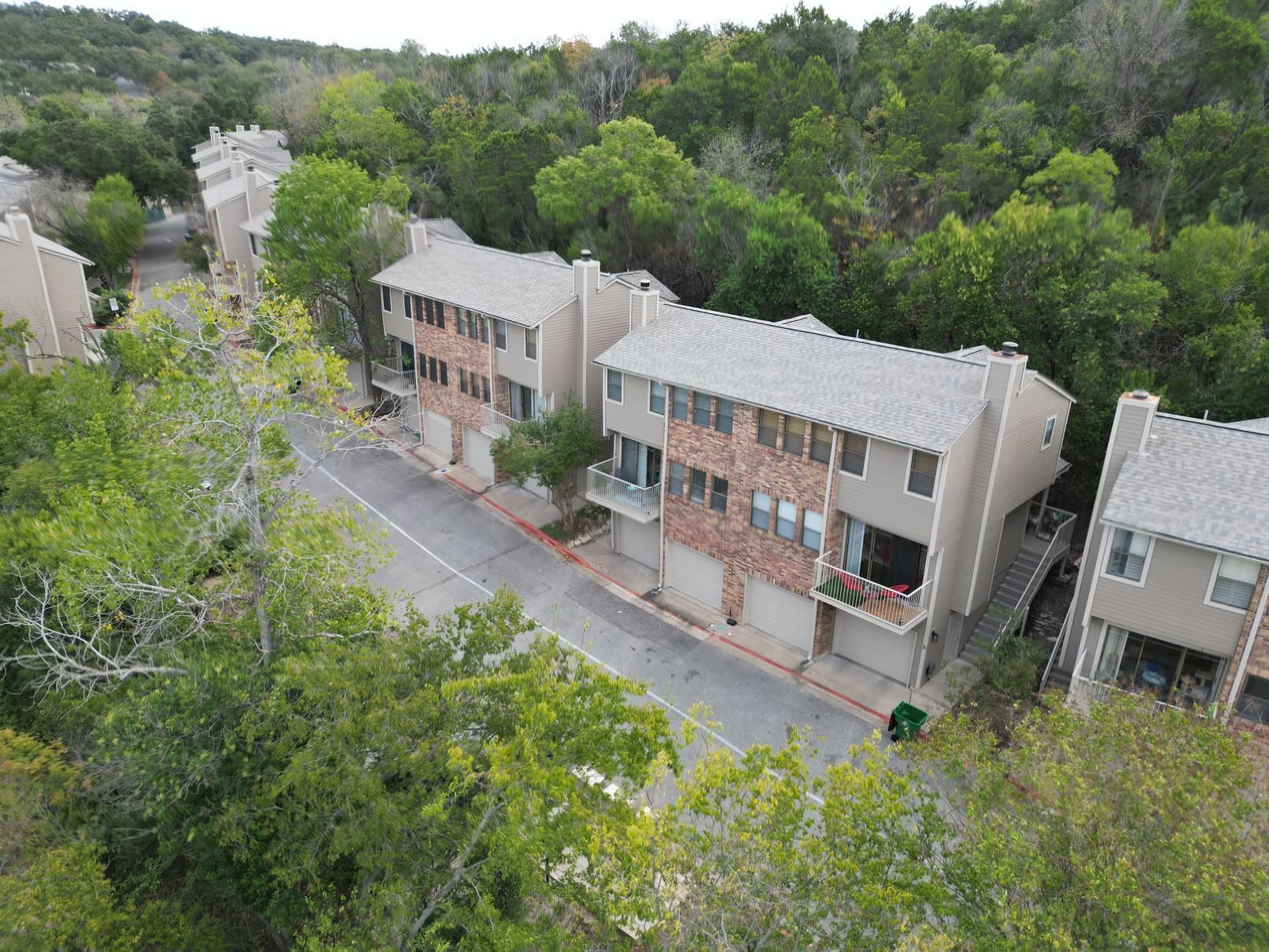
Terrace Condos
Year Built: 1984
Client: Community Association Management
Size: 20 Buildings
Scope:
- The siding was removed and replaced to improve durability and refresh the exterior appearance of the building
- The asphalt shingle roof was fully removed and disposed of, including all layers down to the underlying sheathing to prepare for the new installation
- Pipe boots were replaced and painted to blend in with the new roof surface, while all vents and flashing across the property were removed and replaced to ensure proper function and a clean finish
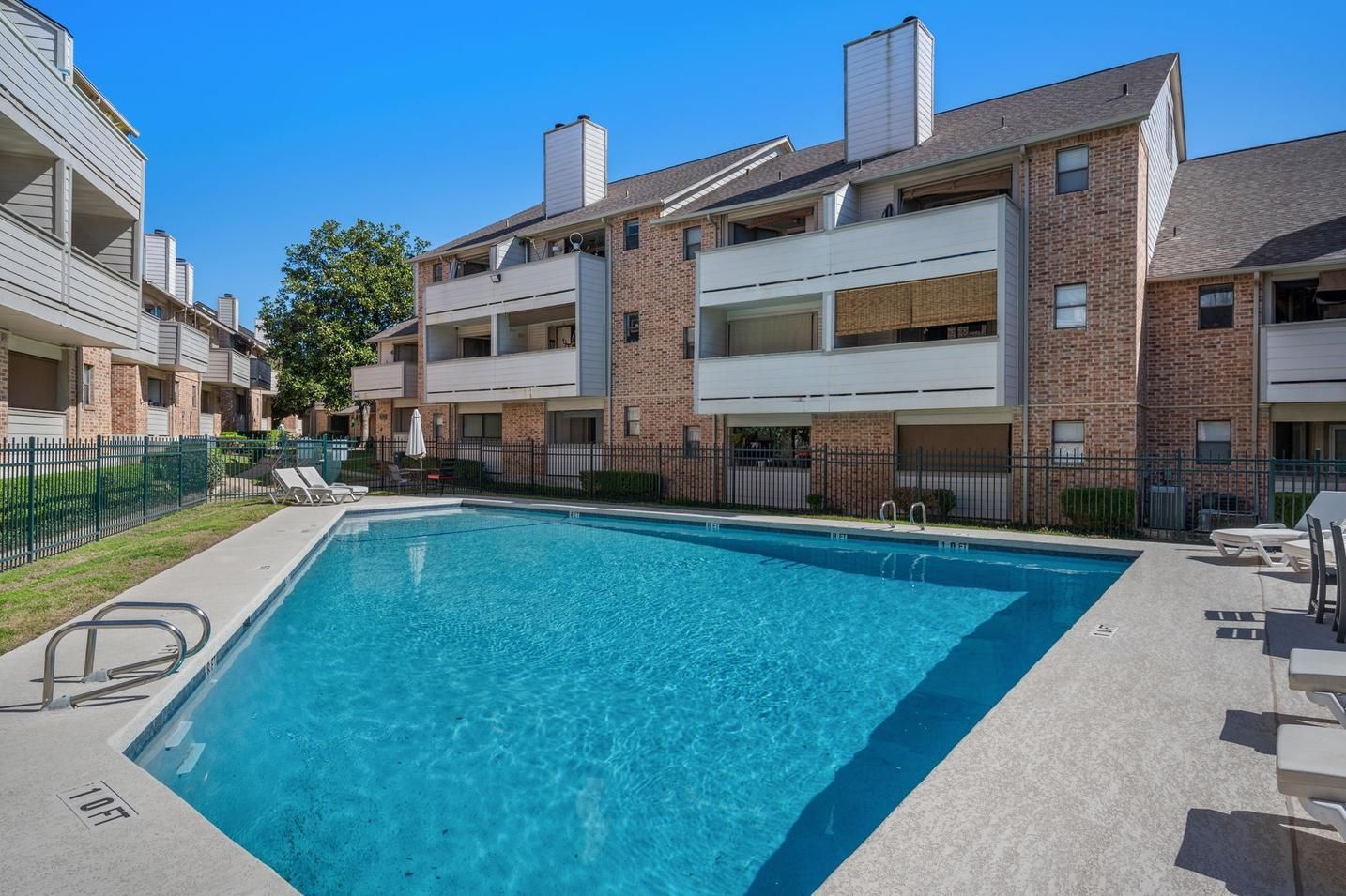
The Woodlands II
Year Built: 1983
Client: RowCal
Size: 7 Buildings
Scope:
- The existing siding was replaced and then painted to refresh the building's exterior and improve durability
- All previously painted surfaces—including siding, trim, eaves, fascia, gutters, downspouts, and entry doors—were repainted to restore their appearance and ensure a consistent finish across the property
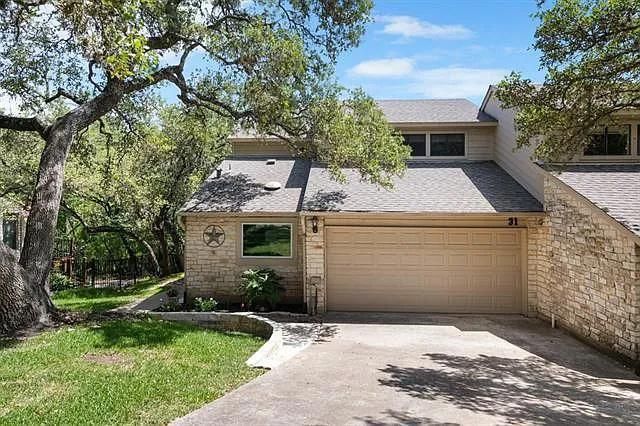
Balcones Place
Year Built: 1979
Client: Associa Hill Country
Size: All Units
Scope:
- Existing wood paneling, corner and base trim, and house wrap were fully removed down to the sheathing to prepare for new installation
- The gutter and downspout were removed and replaced with new components to improve drainage and appearance
- Damaged fascia boards were taken out and replaced to restore proper structure and maintain a clean exterior look
Request a Waterproofing Quote Today!
ROC 202664 (Class CR34)
ROC 269463 (Class KB-2)
1823 Fort View Rd Suite 201 Austin TX 78704