
Wood Repairs & Replacement Grand Prairie TX
Comprehensive wood restoration solutions for Grand Prairie's clay soil shifts and severe weather conditions.





360+ 5-Star Google Reviews
EmpireWorks delivers expert wood repair and replacement services across Grand Prairie, Texas, addressing the unique challenges faced by multi-family residential complexes and commercial buildings in this rapidly growing city. Our restoration work focuses on wood damage caused by Grand Prairie's notorious clay soil movement, intense summer heat exceeding 100°F, and severe thunderstorms that sweep through the DFW region. From apartment communities along Belt Line Road to HOA properties in Dalworth Park Gardens, we restore wood siding, trim, decking, and structural elements to withstand local environmental stresses.
Grand Prairie's position between Dallas and Fort Worth creates a unique microclimate where properties experience accelerated wood deterioration from both urban heat island effects and exposure to Prairie winds. Our specialized approach addresses wood rot, warping, and splitting common in developments throughout neighborhoods like Arkansas Lane, Westchester, and the newer constructions near The Summit shopping district. We work extensively with property managers of large residential complexes who need reliable wood restoration that meets both aesthetic standards and long-term durability requirements in North Texas conditions.



Wood Repair Built for Grand Prairie's Clay Soil and Storms
Grand Prairie's expansive clay soil conditions create significant foundation movement that directly impacts wood structures, requiring specialized repair techniques that accommodate ongoing settling and expansion cycles. The city's building department has implemented updated codes addressing moisture management in wood construction, particularly relevant for the numerous apartment complexes and condominiums built during the city's rapid growth phases in the 1980s and 2000s. Properties in established areas like Dalworth and Prairie Creek often feature original wood elements that require restoration using modern materials compatible with existing structures while meeting current Grand Prairie building standards.
The local climate presents distinct challenges with summer temperatures routinely exceeding 100°F and sudden severe weather events including hail storms and straight-line winds that can cause immediate wood damage. Grand Prairie's HOA communities, particularly in master-planned developments near Joe Pool Lake and along the Mountain Creek corridor, maintain strict architectural guidelines requiring wood repairs to match original specifications while incorporating weather-resistant upgrades. Our team works closely with Grand Prairie's inspection processes and understands the specific documentation requirements for multi-family properties seeking insurance claims for storm-related wood damage, ensuring compliance with both city regulations and property management standards.
Why Grand Prairie's Soil and Weather Make Wood Repair Different
Clay soil expansion causing wood structure stress
Severe thunderstorms and hail damage frequency
Urban heat island accelerating wood deterioration
Clay soil movement adaptation technology
Storm-resistant wood protection systems
HOA compliance and architectural matching
Specialized clay soil and foundation movement expertise
Proven track record with Grand Prairie HOAs
Local building code and inspection knowledge
The Steps Behind a Grand Prairie Wood Repair Project
We keep the process simple and transparent from the first call to the final walkthrough.
01
Foundation movement and soil impact assessment
02
Storm damage evaluation and structural analysis
03
Clay-adaptive wood preparation and installation
04
Weather-resistant sealing and HOA compliance finishing
Frequently Asked Questions About Wood Repair in Grand Prairie
What are the signs a Grand Prairie property needs wood repair or replacement?
Warped trim, gapping at siding joints, and doors or windows that stick after seasonal shifts are the most common signs we find on apartment communities and HOA properties around Belt Line Road and Dalworth. Buildings from the 1980s and 2000s growth boom often show stress at wood-to-foundation transitions as the structure settles unevenly.
We inspect fascia, decking, and structural wood elements together since clay soil movement rarely damages just one component, and we document findings clearly for property managers handling insurance or reserve fund decisions.
How does Grand Prairie's clay soil and weather affect wood repair timing?
Grand Prairie's expansive clay soil shrinks and swells with wet and dry cycles, shifting foundations and putting ongoing stress on attached wood framing, trim, and siding throughout the year. Add in spring hailstorms, summer heat past 100 degrees, and occasional hard freezes like February 2021, and wood on local properties faces near constant expansion and contraction.
We schedule inspections after major storms and during seasonal transitions, and we select materials rated to handle both the region's soil movement and its temperature extremes.
Do HOA approvals or building codes affect wood repair projects in Grand Prairie?
Yes. Grand Prairie's building department has updated codes addressing moisture management in wood construction, and master-planned communities near Joe Pool Lake and along the Mountain Creek corridor maintain architectural guidelines requiring repairs to match original wood specifications while allowing weather-resistant upgrades.
We coordinate directly with property managers and HOA boards on material and color approvals before work begins, and we prepare the documentation many communities require for insurance claims tied to storm-related wood damage.
Featured Projects
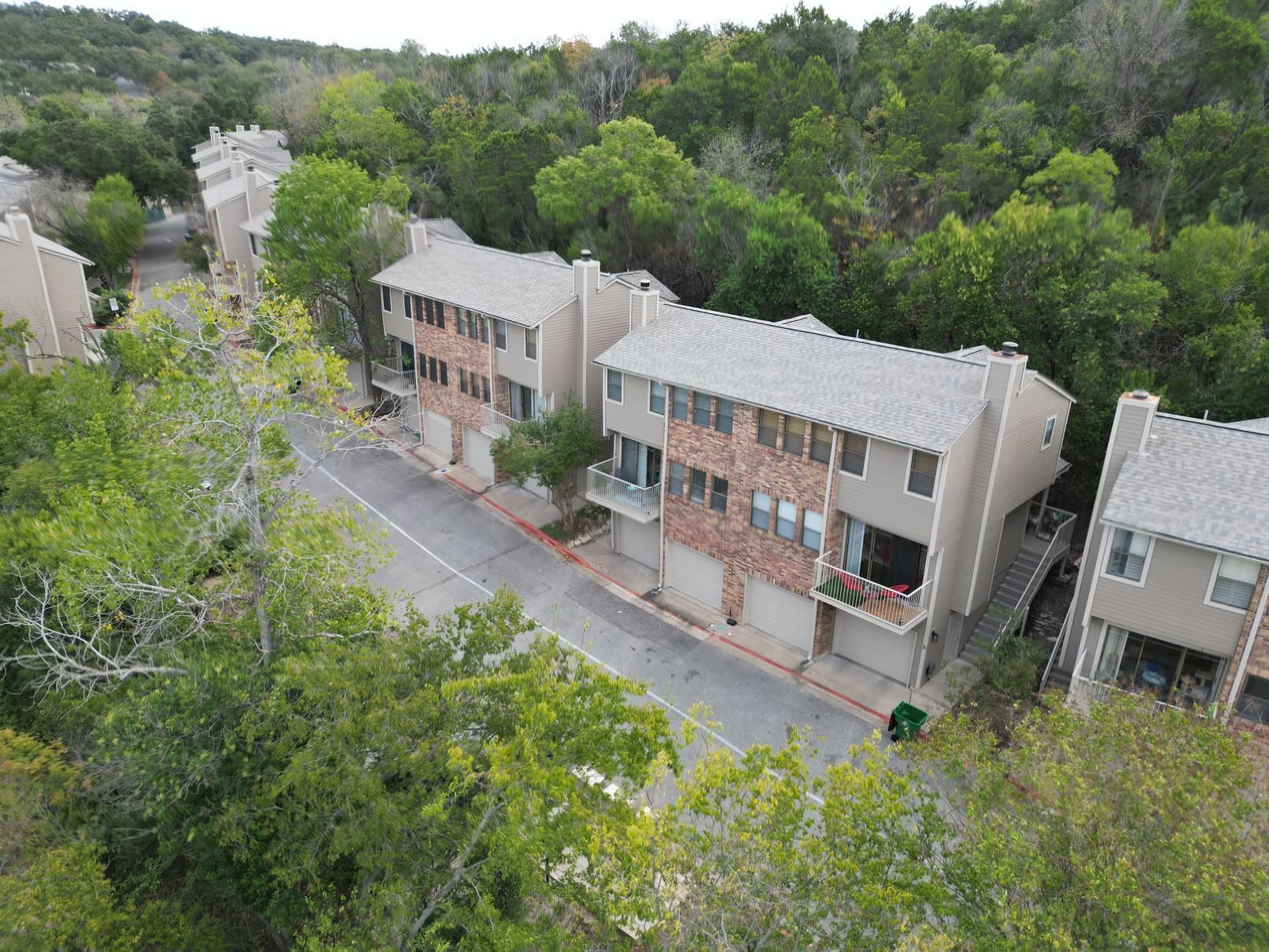
Terrace Condos
Year Built: 1984
Client: Community Association Management
Size: 20 Buildings
Scope:
- The siding was removed and replaced to improve durability and refresh the exterior appearance of the building
- The asphalt shingle roof was fully removed and disposed of, including all layers down to the underlying sheathing to prepare for the new installation
- Pipe boots were replaced and painted to blend in with the new roof surface, while all vents and flashing across the property were removed and replaced to ensure proper function and a clean finish
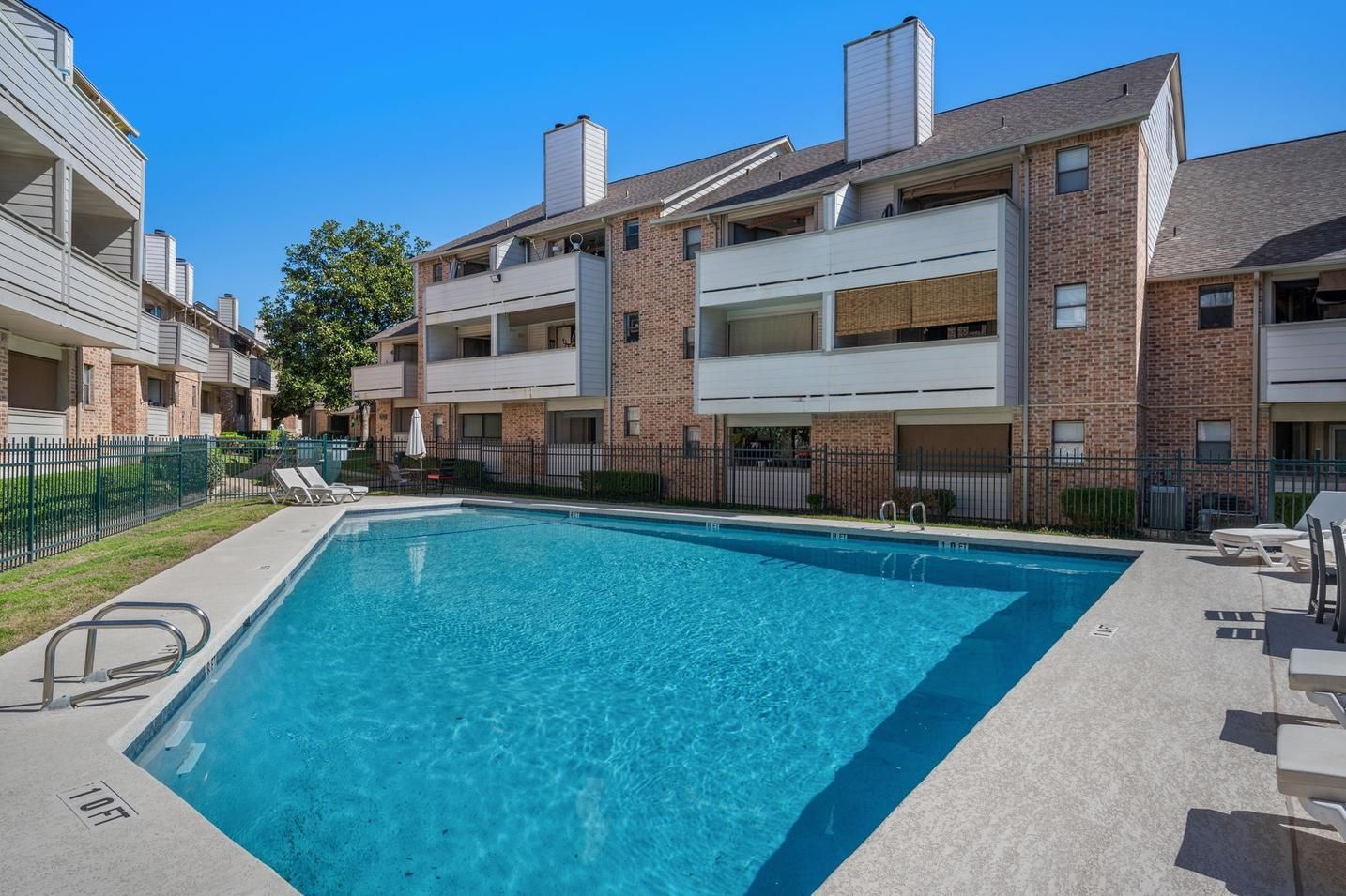
The Woodlands II
Year Built: 1983
Client: RowCal
Size: 7 Buildings
Scope:
- The existing siding was replaced and then painted to refresh the building's exterior and improve durability
- All previously painted surfaces—including siding, trim, eaves, fascia, gutters, downspouts, and entry doors—were repainted to restore their appearance and ensure a consistent finish across the property
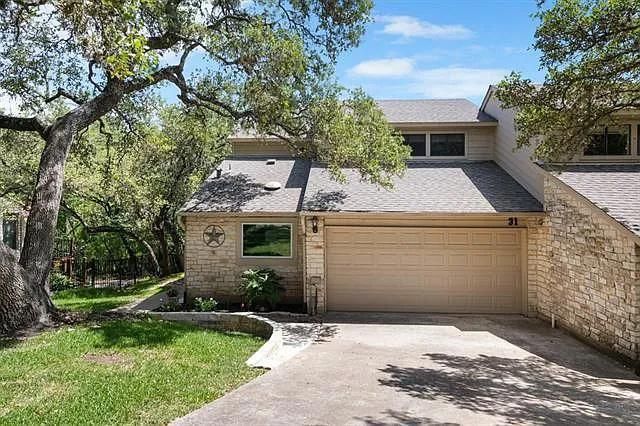
Balcones Place
Year Built: 1979
Client: Associa Hill Country
Size: All Units
Scope:
- Existing wood paneling, corner and base trim, and house wrap were fully removed down to the sheathing to prepare for new installation
- The gutter and downspout were removed and replaced with new components to improve drainage and appearance
- Damaged fascia boards were taken out and replaced to restore proper structure and maintain a clean exterior look
Request a Wood Repairs and Replacement Quote Today!
ROC 202664 (Class CR34)
ROC 269463 (Class KB-2)
1823 Fort View Rd Suite 201 Austin TX 78704