
Civil Reconstruction Round Rock TX | EmpireWorks
Restoring Round Rock's commercial infrastructure with Central Texas-engineered solutions.





360+ 5-Star Google Reviews
EmpireWorks provides comprehensive civil reconstruction services throughout Round Rock, Texas, specializing in infrastructure restoration for the city's expanding multi-family developments and commercial properties. From the established neighborhoods around Old Town to newer communities in the Teravista and University Boulevard corridors, we restore damaged parking lots, sidewalks, retaining walls, and site utilities that serve Round Rock's diverse property portfolio. Our reconstruction expertise addresses the specific challenges facing Central Texas developments, including expansive clay soil movement, intense summer heat cycles, and the infrastructure demands of one of the fastest-growing cities in America. We work extensively with HOA boards, property management companies, and commercial developers to rebuild critical infrastructure systems that support Round Rock's continued growth and development.



Round Rock's Expanding Infrastructure Demands Reconstruction Built for Blackland Prairie Clay
Round Rock sits on the challenging Blackland Prairie soil formation, characterized by expansive Taylor Clay that creates significant movement and settling issues for civil infrastructure throughout the city. The area's rapid population growth from 61,000 to over 135,000 residents in two decades has placed enormous stress on aging infrastructure systems, particularly in established areas near downtown and along major corridors like IH-35 and Highway 79. Round Rock's location in Central Texas subjects infrastructure to extreme temperature swings, with summer highs regularly exceeding 100°F creating thermal expansion stress on concrete and asphalt surfaces. The city's comprehensive development standards under the Unified Development Code require specific engineering approaches for stormwater management, particularly given the area's position within the Brushy Creek watershed. Many of Round Rock's newer master-planned communities feature complex civil infrastructure including private streets, extensive hardscaping, and integrated utility systems that require specialized reconstruction techniques when damaged by soil movement or weather events.
What Makes Civil Reconstruction Difficult in Round Rock
Taylor Clay soil expansion and contraction cycles
Extreme Central Texas heat and UV exposure
Rapid development strain on existing infrastructure
Blackland Prairie clay-resistant construction methods
Central Texas heat-resistant infrastructure design
Brushy Creek watershed compliant drainage systems
Extensive experience with Round Rock's expansive soils
Knowledge of city development code requirements
Proven success in Round Rock's diverse communities
Our Civil Reconstruction Process for Round Rock Properties
We keep the process simple and transparent from the first call to the final walkthrough.
01
Comprehensive site assessment and soil analysis
02
Clay-adapted engineering and material selection
03
Temperature-resistant construction implementation
04
Quality assurance and long-term performance testing
Civil Reconstruction Questions From Round Rock Property Managers
Why do our parking lots and sidewalks keep cracking even after repairs?
Many Round Rock properties, especially those built during the city's rapid expansion, sit on Taylor Clay that expands and contracts with moisture changes throughout the year. A quick patch job addresses the surface but not the soil movement underneath, so cracks and heaving return within a season or two.
We assess the subsurface conditions before recommending a repair method, so the reconstruction accounts for how the clay actually moves rather than just covering the damage temporarily.
How does Central Texas soil and weather affect civil reconstruction work in Round Rock?
West of I-35 you're often dealing with limestone and caliche, while properties to the east sit on Blackland Prairie clay, and each behaves differently during Central Texas's heat cycles and flash flooding along the Balcones Escarpment. Infrastructure designed without accounting for that variation is prone to drainage failures and settling after heavy storms.
We factor in the specific soil profile and drainage patterns of each site, including proximity to the Brushy Creek watershed, so the reconstruction holds up through summer heat and sudden downpours alike.
How long does civil reconstruction take and does it require HOA approval?
Civil reconstruction on active commercial or multi-family properties has to work around resident traffic, parking access, and in some cases HOA board approval before crews can mobilize. Projects that ignore occupancy patterns end up causing more disruption than the damage itself.
We coordinate scheduling with property management and board representatives up front, phasing work to keep access open and keeping the timeline realistic for the scope of the reconstruction.
Featured Projects
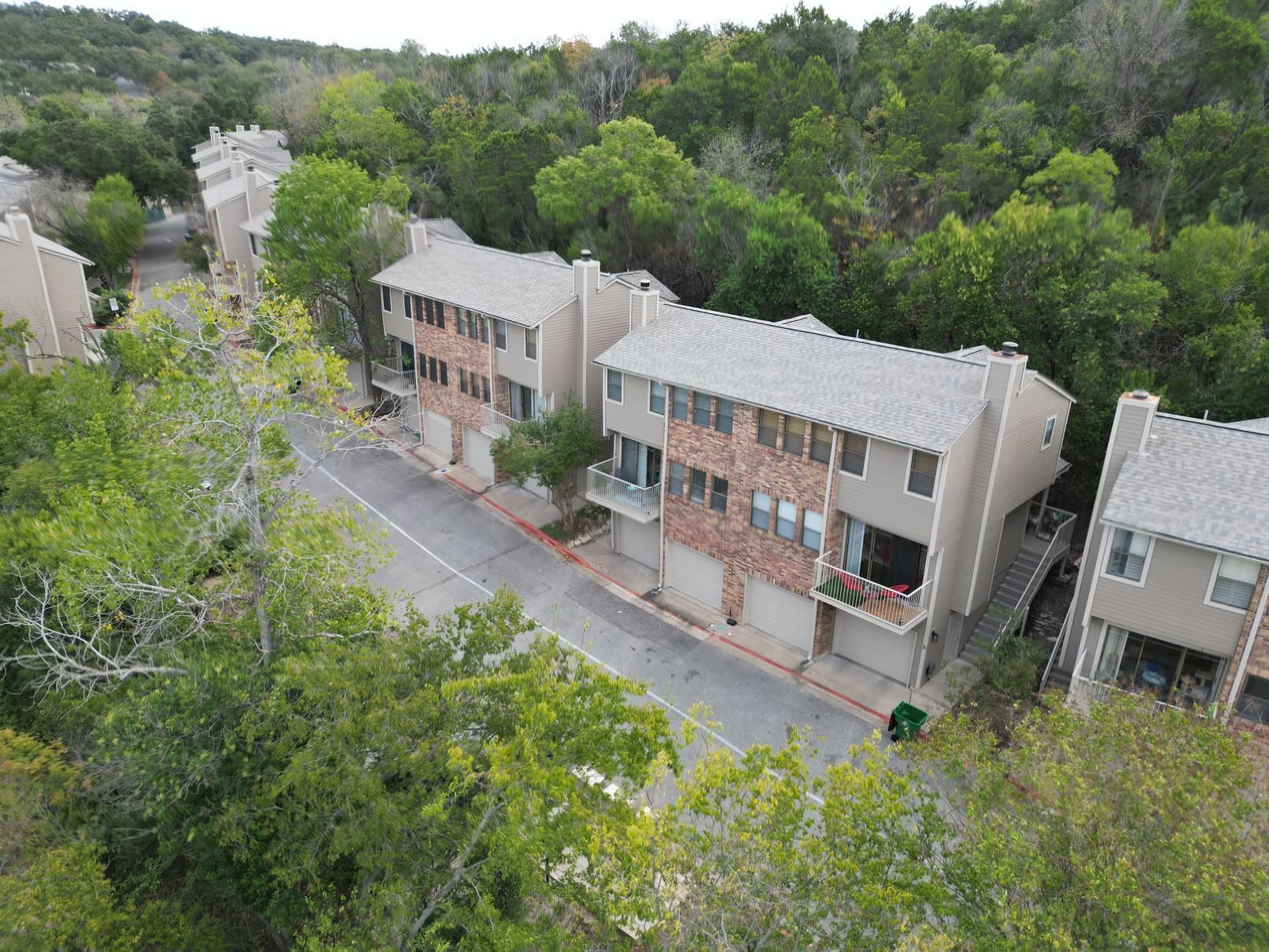
Terrace Condos
Year Built: 1984
Client: Community Association Management
Size: 20 Buildings
Scope:
- The siding was removed and replaced to improve durability and refresh the exterior appearance of the building
- The asphalt shingle roof was fully removed and disposed of, including all layers down to the underlying sheathing to prepare for the new installation
- Pipe boots were replaced and painted to blend in with the new roof surface, while all vents and flashing across the property were removed and replaced to ensure proper function and a clean finish
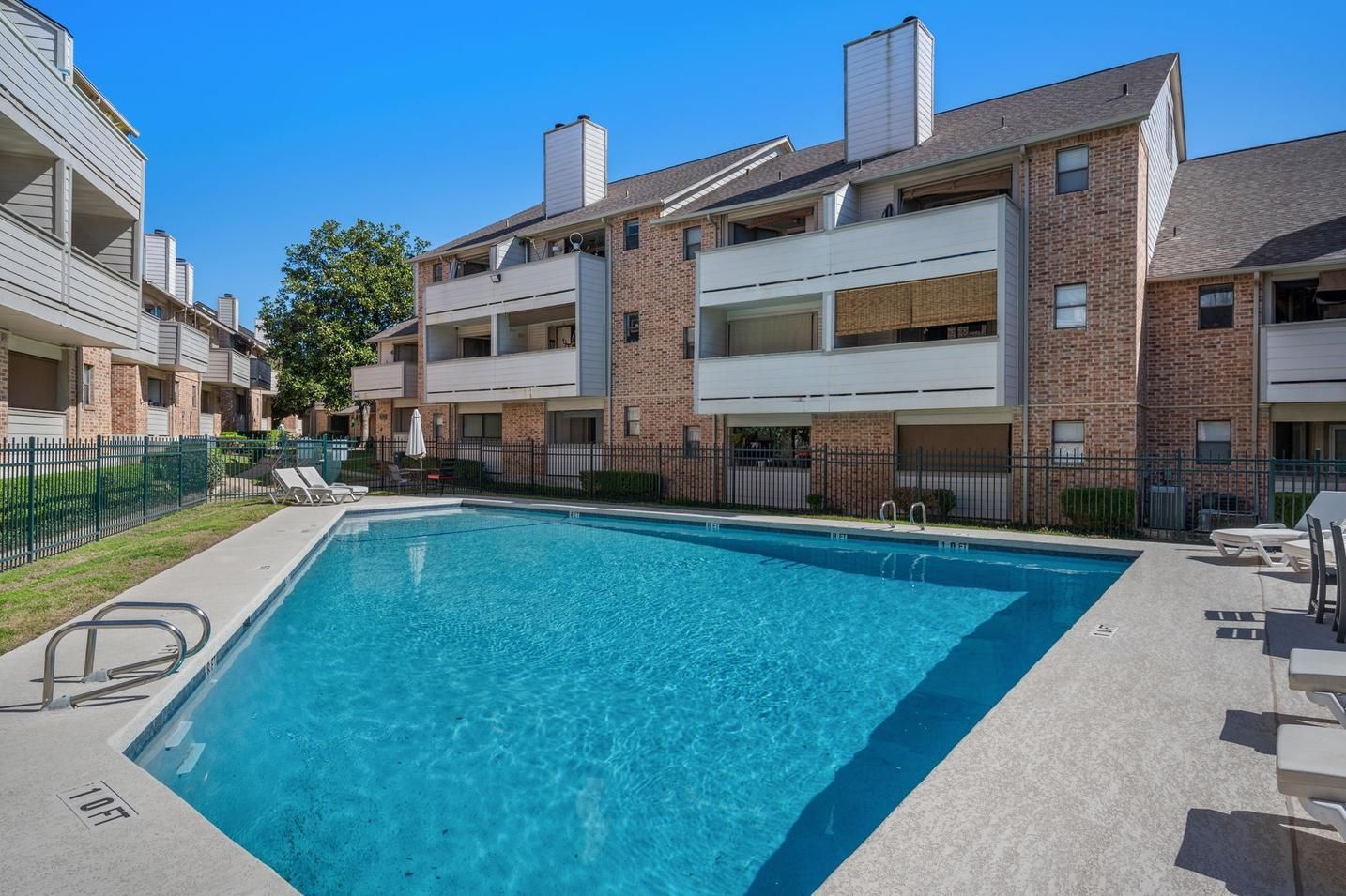
The Woodlands II
Year Built: 1983
Client: RowCal
Size: 7 Buildings
Scope:
- The existing siding was replaced and then painted to refresh the building's exterior and improve durability
- All previously painted surfaces—including siding, trim, eaves, fascia, gutters, downspouts, and entry doors—were repainted to restore their appearance and ensure a consistent finish across the property
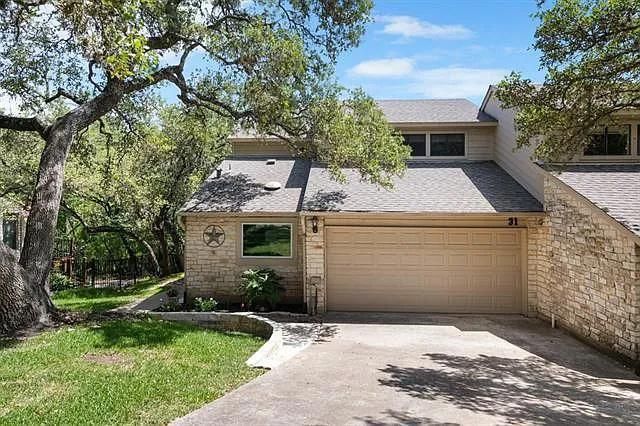
Balcones Place
Year Built: 1979
Client: Associa Hill Country
Size: All Units
Scope:
- Existing wood paneling, corner and base trim, and house wrap were fully removed down to the sheathing to prepare for new installation
- The gutter and downspout were removed and replaced with new components to improve drainage and appearance
- Damaged fascia boards were taken out and replaced to restore proper structure and maintain a clean exterior look
Request a Civil Reconstruction Quote Today!
ROC 202664 (Class CR34)
ROC 269463 (Class KB-2)
1823 Fort View Rd Suite 201 Austin TX 78704