The Importance of Waterproofing in Property Maintenance
September 21, 2022
As a property owner or manager, one of your top priorities is to maintain the value of your property. One of the most critical aspects of property maintenance is waterproofing. Waterproofing is the process of making a building or structure water-resistant, preventing water damage from occurring. In this blog post, we'll discuss the importance of waterproofing in property maintenance and why you should consider professional waterproofing services
Why is Waterproofing Important?
1) Protects Your Property from Water Damage
Water damage is one of the most common and costly problems that property owners face. Water intrusion can cause structural damage, mold growth, and other health hazards. Waterproofing your property can prevent water damage from occurring, saving you thousands of dollars in repair costs.
2) Increases the Longevity of Your Property
Water damage can compromise the structural integrity of your property, reducing its lifespan. Waterproofing helps to protect your property's foundation and structural components, increasing its longevity and preventing costly repairs down the line.
3) Improves Indoor Air Quality
Mold and mildew growth can occur when moisture is present in your property. These growths can contribute to poor indoor air quality, which can have adverse effects on the health of occupants. Waterproofing can prevent moisture from entering your property, preventing mold and mildew growth and improving indoor air quality.
4) Enhances Energy Efficiency
Water damage can also compromise your property's insulation and energy efficiency. When water enters your property, it can seep into walls, ceilings, and floors, reducing the effectiveness of insulation. Waterproofing can prevent water from entering your property and maintain its energy efficiency.
Why Hire Professional Waterproofing Services?
While some property owners may attempt to waterproof their properties themselves, it's highly recommended to hire professional waterproofing services . Here are some reasons why:
1) Expertise and Experience
Professional waterproofing contractors have the expertise and experience necessary to evaluate your property's specific needs and determine the best waterproofing solutions.
2) High-Quality Materials
Professional waterproofing services use high-quality materials that are designed to withstand extreme weather conditions and last for years to come.
3) Time and Cost Savings
Attempting to waterproof your property yourself can be time-consuming and costly. Professional waterproofing services have the necessary tools, equipment, and materials to get the job done quickly and efficiently.
4) Warranty
Professional waterproofing services often come with a warranty, giving you peace of mind knowing that your property is protected.
Conclusion
In conclusion, waterproofing is a critical aspect of property maintenance that should not be overlooked. It's essential to protect your property from water damage, increase its longevity, improve indoor air quality, and maintain energy efficiency. Professional waterproofing services can provide the expertise, high-quality materials, time and cost savings, and warranty necessary to ensure your property is adequately protected. Contact EmpireWorks today for your next waterproofing project!
Contractor services that combine repairs and painting under one contract cut down on delays and scope gaps. This listicle shows HOA boards and property managers seven reasons a single-contractor model reduces total project friction. Trusted by HOA boards nationwide.
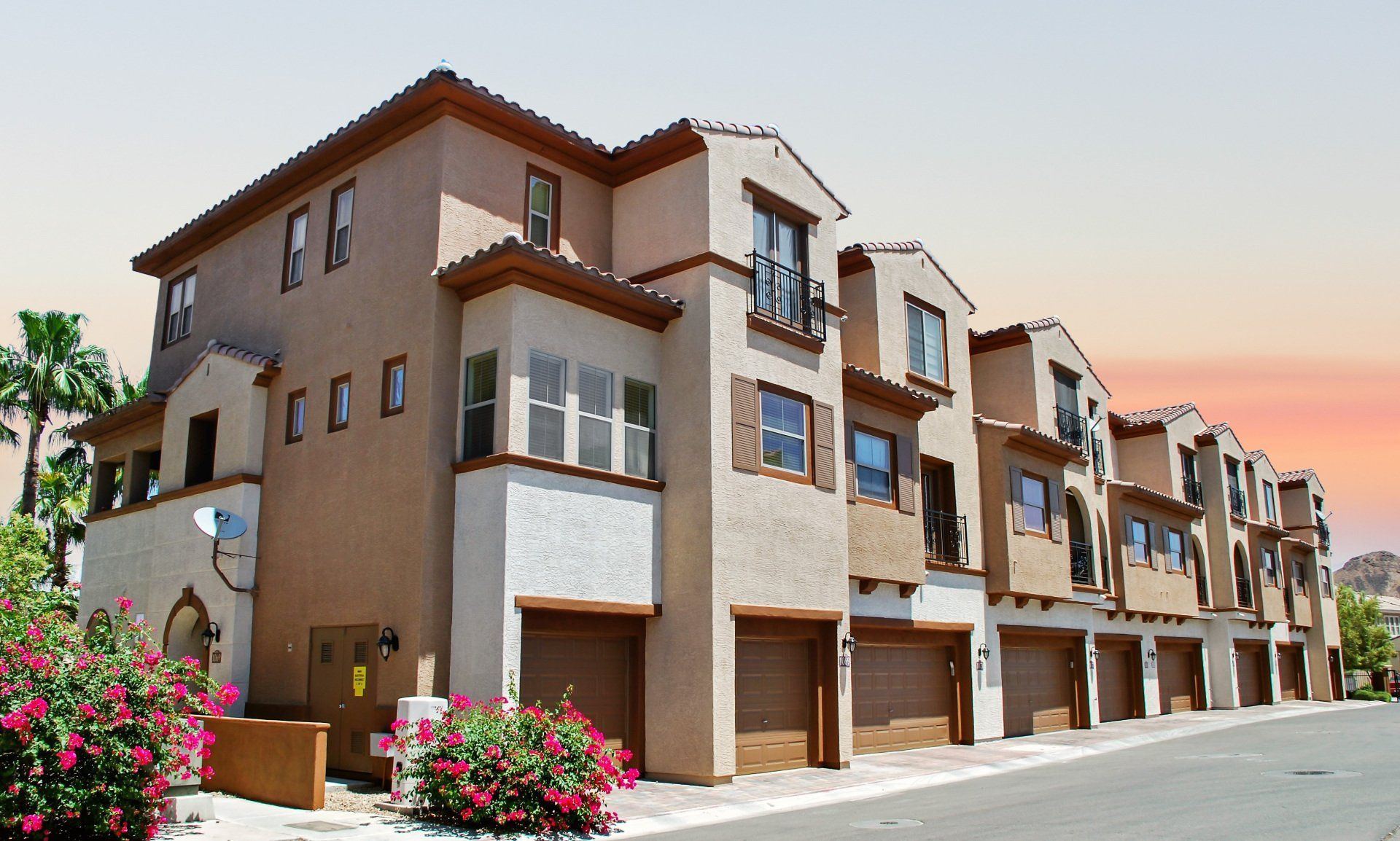
Arizona HOA bidding requirements explained: what state law does and doesn't require, conflict rules, open meetings, records access and ROC contractor licensing.
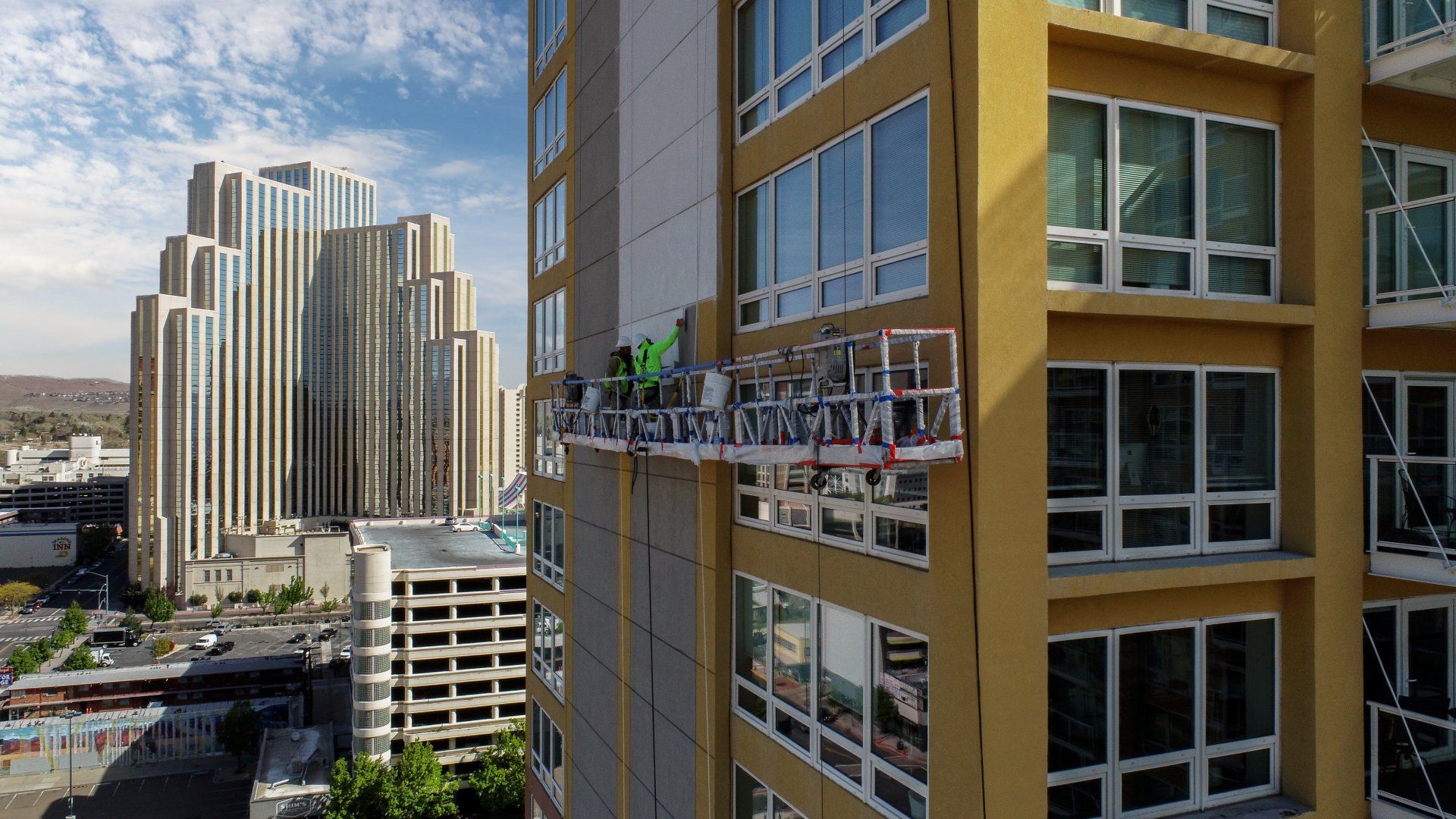
Multifamily exterior reconstruction projects run long for predictable reasons. This guide explains why delays happen and how better scoping, scheduling, and resident coordination prevent them. Trusted by HOA boards nationwide.
Florida HOA painting requirements under Chapter 720: who sets color rules, fine and hearing steps, reserves, 10% bid rule and notice for special assessments.
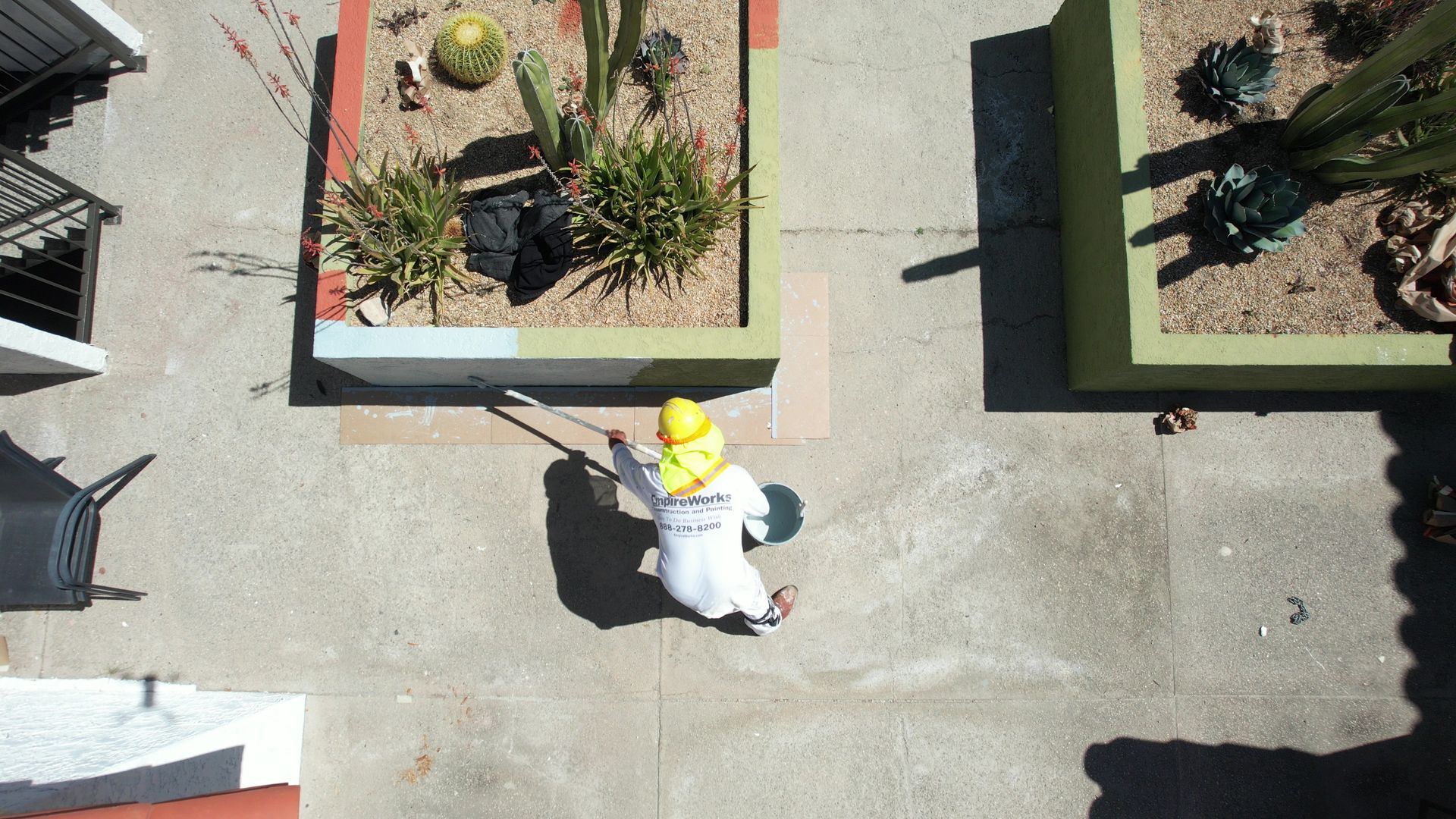
Easing HOA reconstruction stress starts with clarifying roles and planning communication before the project begins. This step-by-step playbook helps board members reduce the burden during construction. Trusted by HOA boards nationwide.
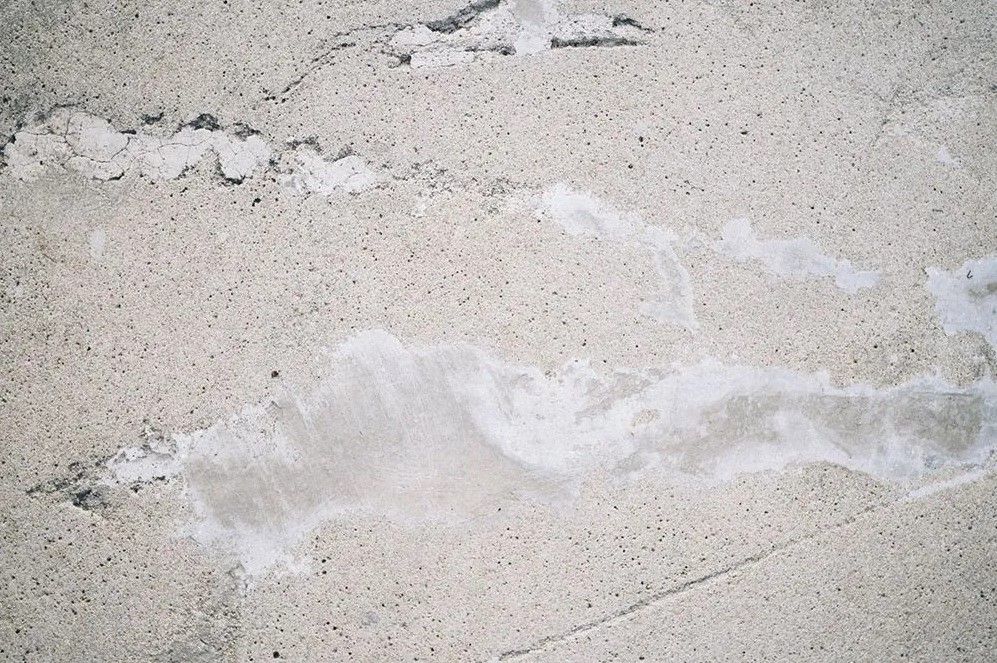
Fannie Mae and Freddie Mac raise the condo reserve test to 15% on January 4, 2027. See what HOA boards need to do about reserves and critical repairs.

Dallas multifamily inspection requirements under Chapter 27: who must register, current fees, how graded inspections work, and exterior fixes to make first.
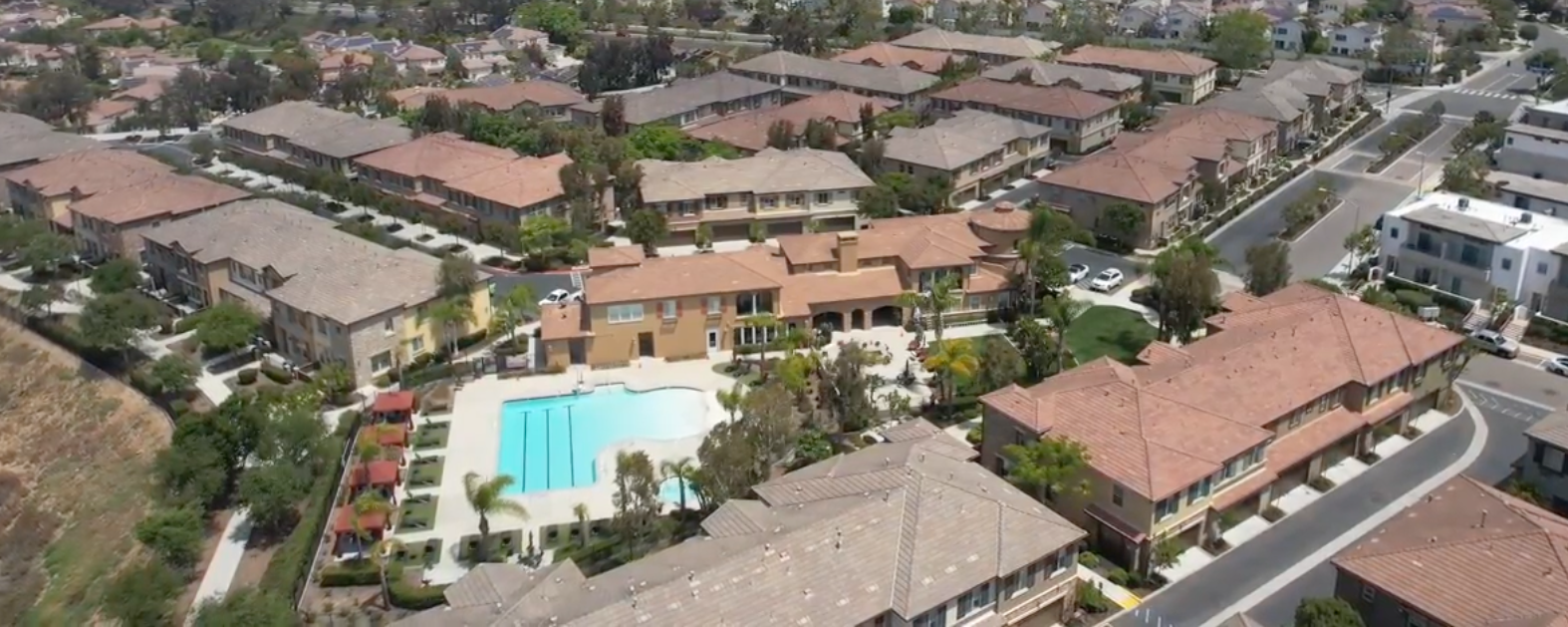
HOA renovation budget overruns usually trace back to a handful of preventable causes, vague scoping, underfunded reserves, and unclear bid comparisons. This guide shows property managers how to control costs. Trusted by HOA boards nationwide.

Texas condo association maintenance responsibility under Chapter 82: who repairs balconies, windows and walls, how reserves work, and what boards must disclose.
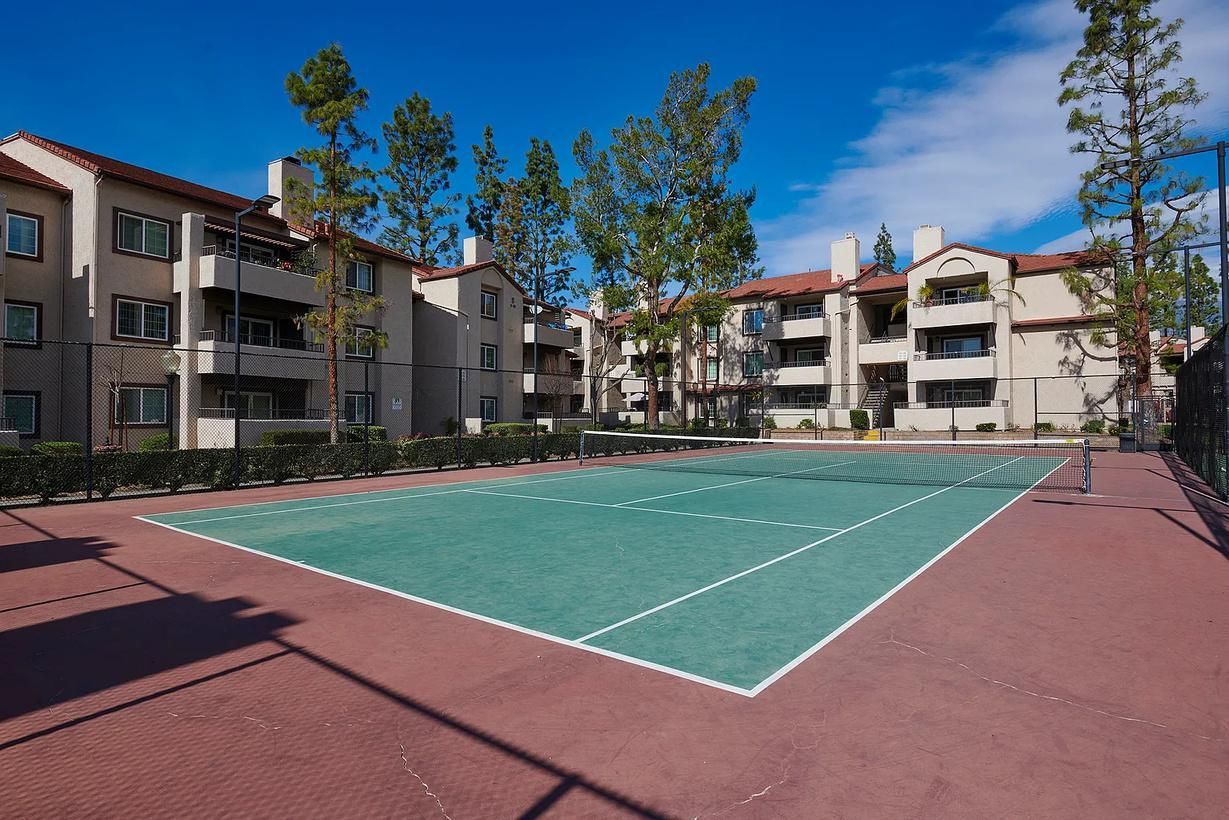
Checking an HOA contractor's references properly means going beyond a directory listing or a five-star average. This listicle covers seven practical screening steps HOA boards can use. Trusted by HOA boards nationwide.