Managing Multi-Building HOA Reconstruction in 2026
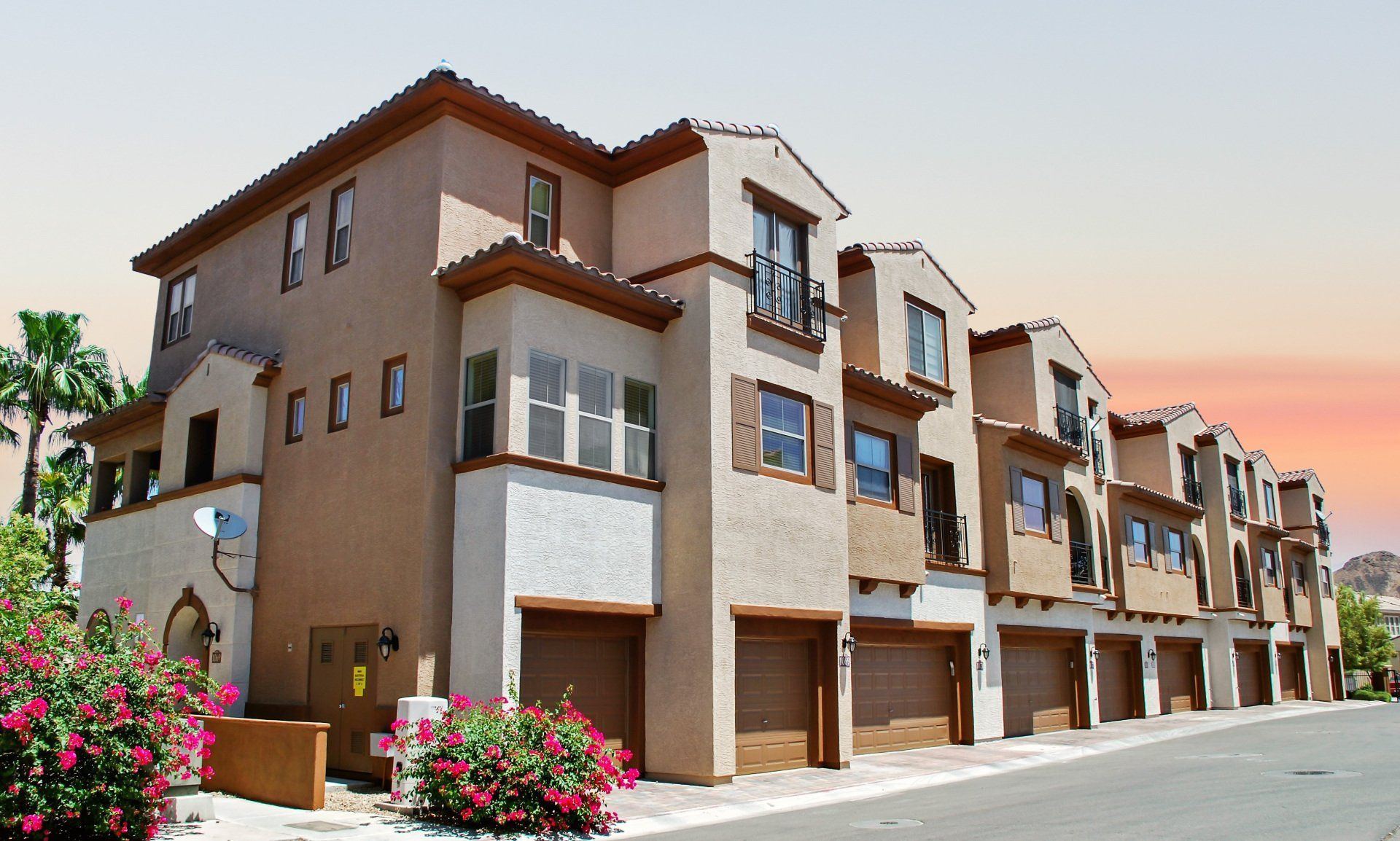
A single-building reconstruction project and a twelve-building community reconstruction aren't the same job at a different scale, they're different management problems. This guide focuses specifically on the scoping, phasing, communication, and governance decisions that multi-building execution requires, distinct from the question of whether your community needs reconstruction in the first place.
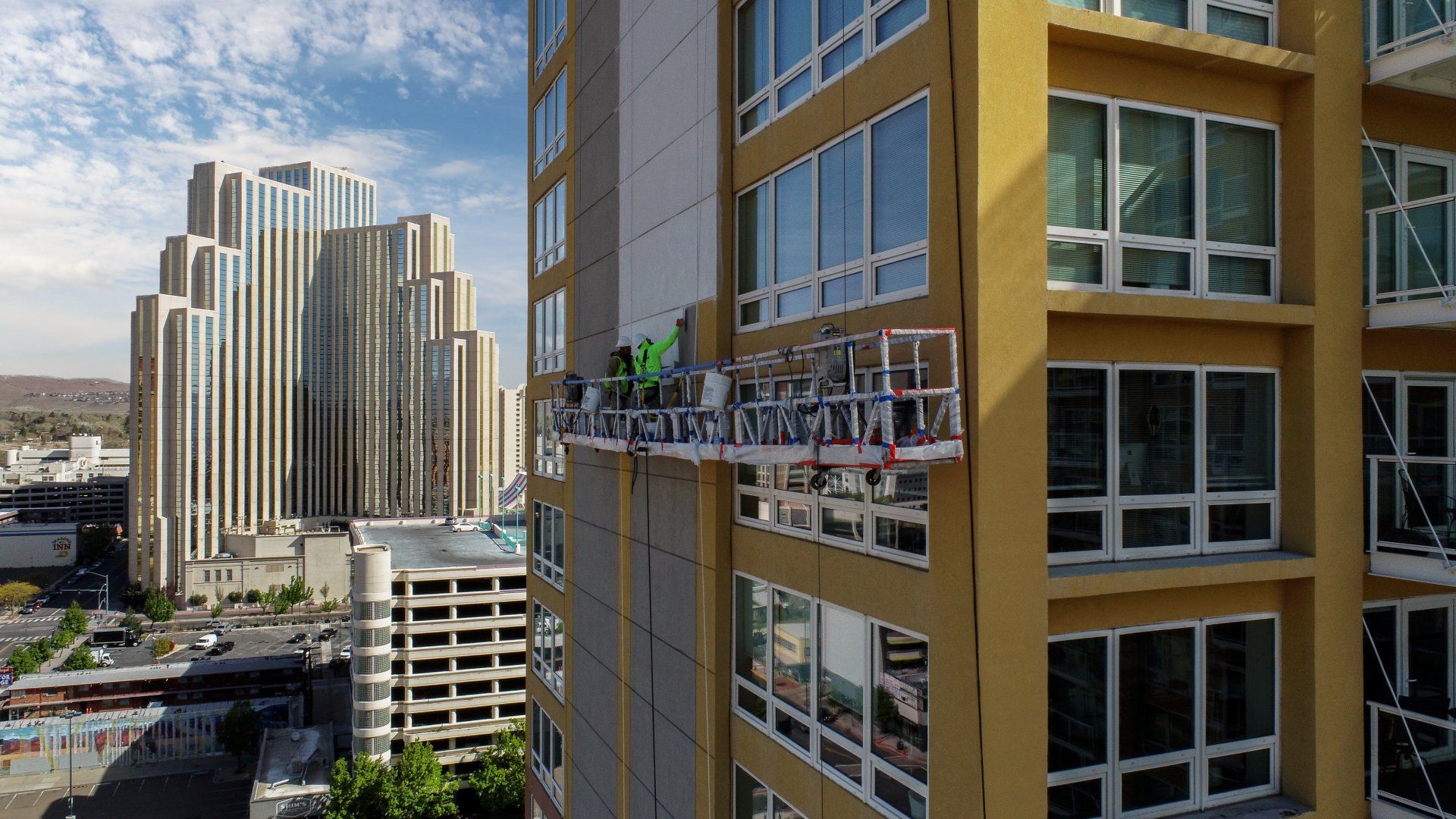
The core challenge of multi-building reconstruction is that the community never fully stops functioning while the project runs. Unlike a single-building project where residents might reasonably tolerate a defined disruption window, a twelve-building phased project means some part of the community is under construction for the entire duration, which changes how sequencing, governance, and communication all need to work.
Boards evaluating a contractor for this scale of project should pay particular attention to whether the proposal reflects genuine multi-building experience, or whether it's essentially a single-building plan repeated twelve times without accounting for the ways scale changes governance and communication needs.
Phase 1: Sequence Buildings Before Sequencing Trades
Before scheduling any trade work, decide the order buildings will be addressed in, typically starting with whichever buildings show the most active damage or the oldest systems. This sequencing decision, made once at the outset, is what everything else in the schedule builds from.
- Prioritize by condition, not convenience. The building easiest to access isn't necessarily the one that needs work first.
- Plan for findings from early buildings to inform later ones. If destructive testing on building one reveals worse-than-expected conditions, the scope for buildings two through twelve may need adjusting before those contracts are finalized.
- Build in a buffer between building phases. A short gap between finishing one building and starting the next gives the team time to apply lessons learned rather than rushing straight into the next phase with a schedule that assumes everything will go exactly as planned.
Document the sequencing rationale in writing and share it with residents early. A board that can explain why Building 3 goes before Building 9, based on documented condition, not perceived favoritism, heads off a common source of resident friction on phased projects.
Phase 2: Structure Governance for Multi-Building Decision-Making
A single project liaison who worked for a one-building project can become a bottleneck across twelve. For projects of this scale, define which decisions the liaison can make directly (day-to-day scheduling, minor scope clarifications) versus which require board approval (budget changes, timeline extensions affecting multiple buildings).
Consider whether one liaison can realistically manage the full project or whether the scale warrants splitting responsibility, one person for field coordination with the contractor, another for resident communication. On very large phased projects, a single liaison trying to hold both roles is often the first structural weak point to show under pressure.
HOA Board Management During Execution
The board's role shifts during a multi-building project from planning to oversight. Regular milestone reviews, building by building, keep the board informed without requiring involvement in daily field decisions. Board members hold a fiduciary duty of care that requires staying informed on major decisions throughout a project, not just at its outset [1], so document each building's completion with photos and sign-offs, which protects both the association and the contractor if questions arise later.
For projects spanning a year or more, consider whether board turnover during the project timeline could disrupt continuity. A board member elected mid-project should be able to review a clear record of decisions made to date, rather than relying on outgoing board members to explain the project's history verbally.
Phase 3: Coordinate Around Shared Amenities
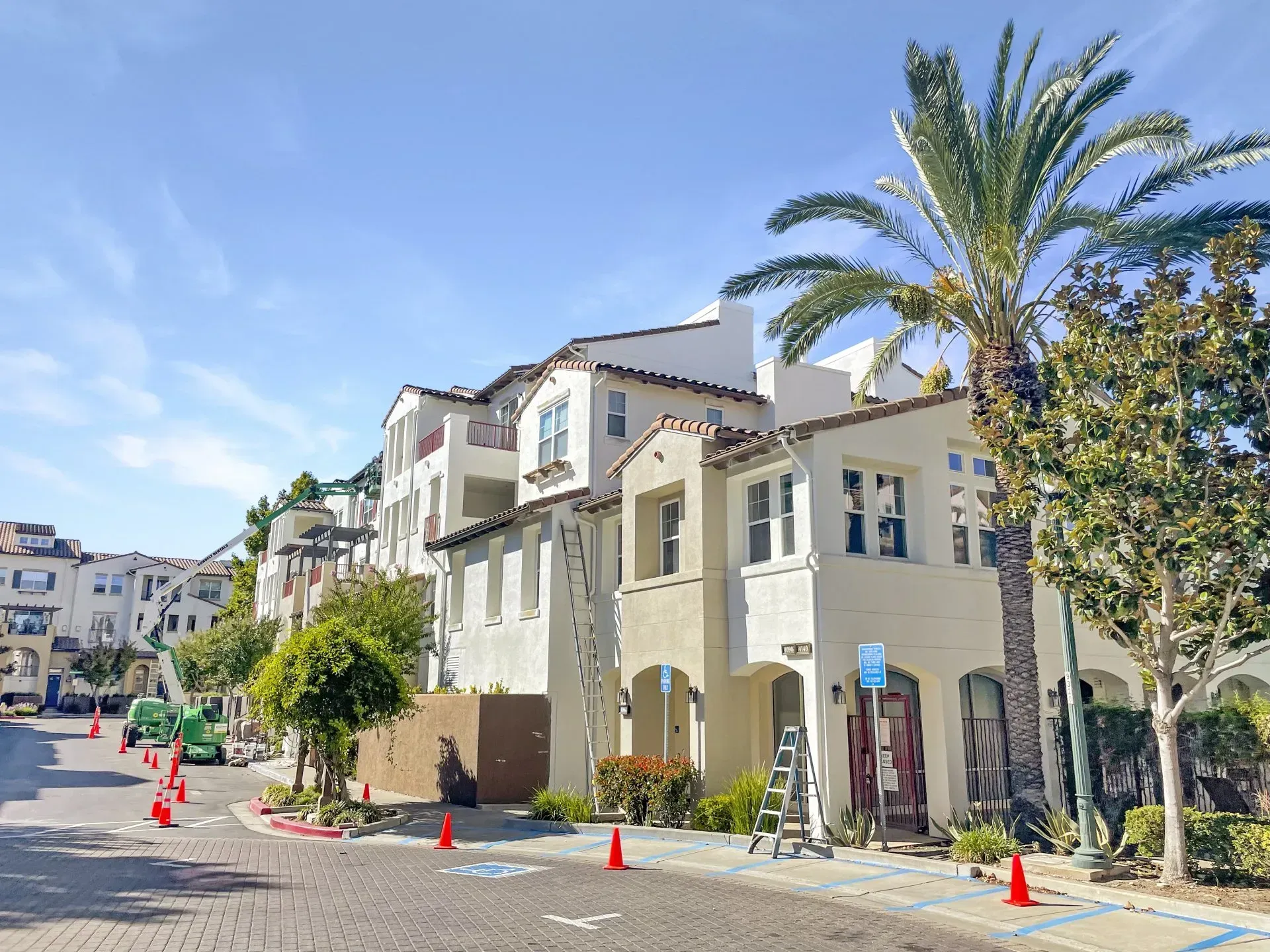
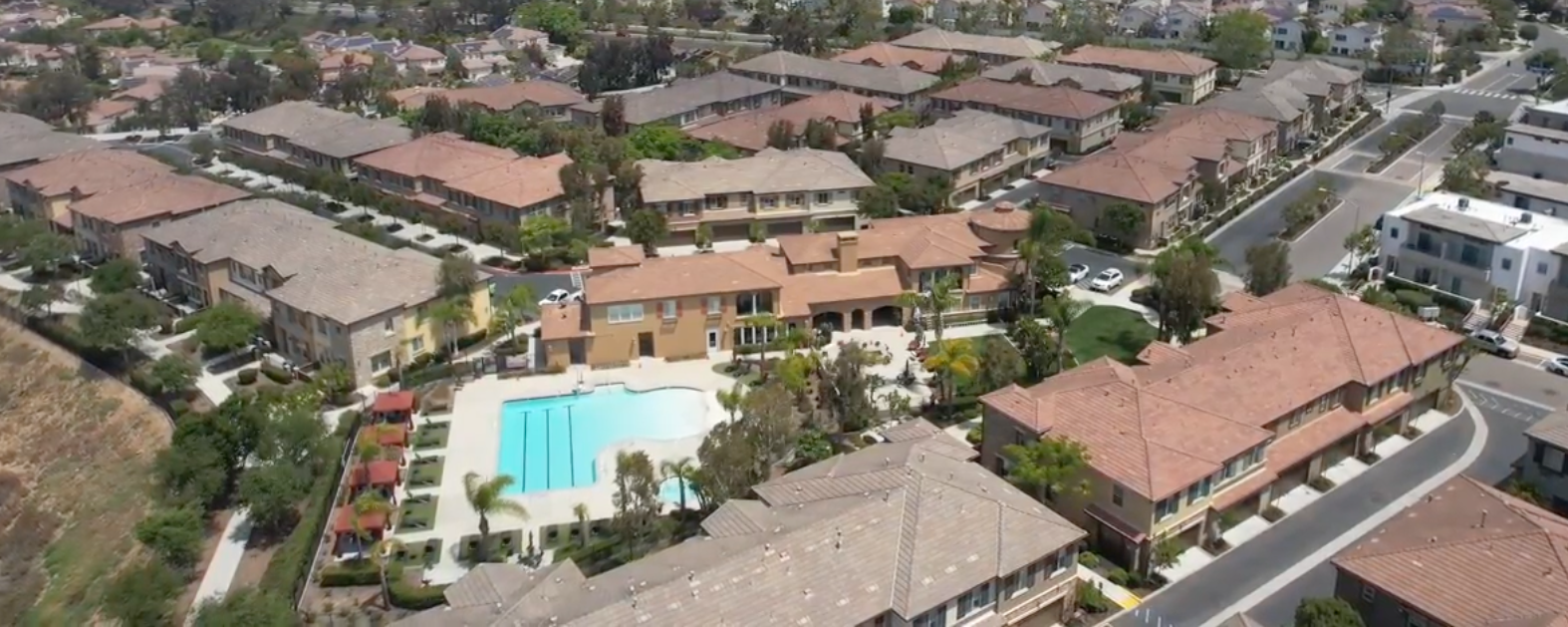
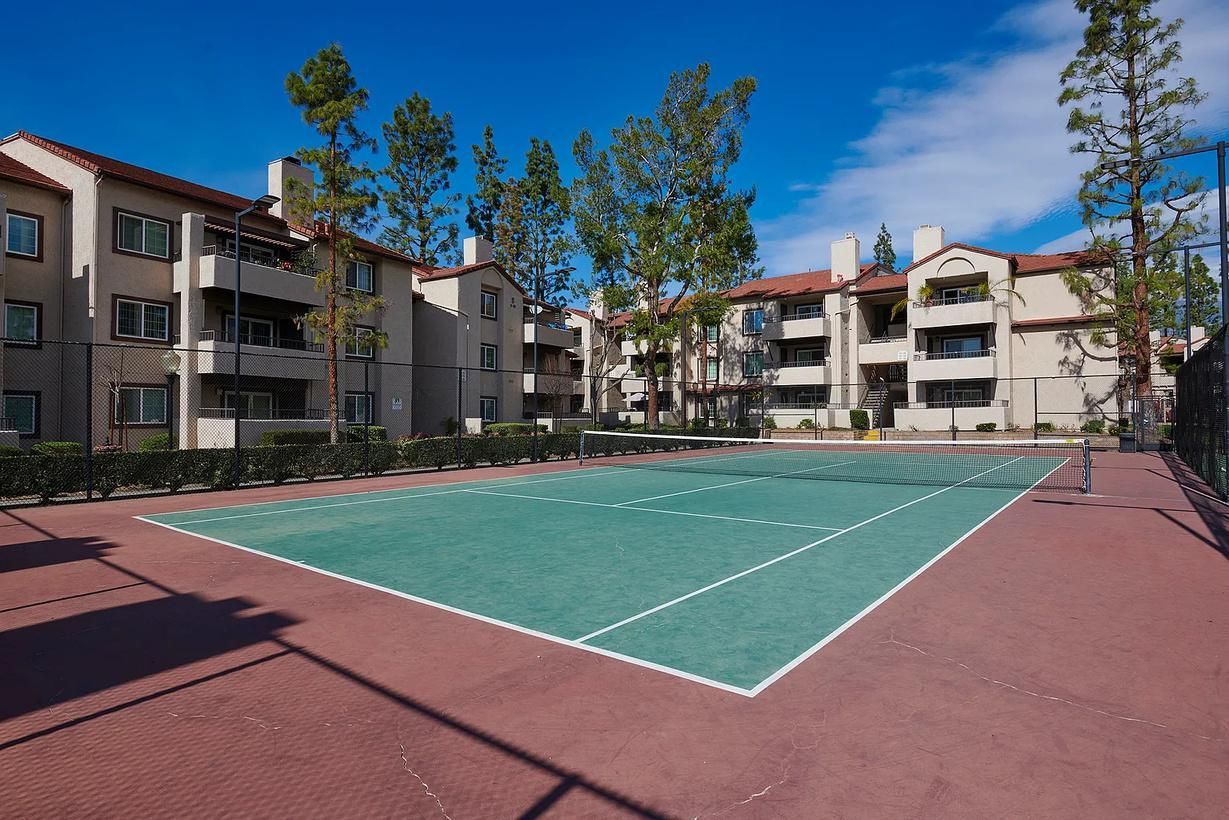
Multi-building communities often share amenities, pools, clubhouses, and parking structures that aren't tied to any single building's schedule but still get affected by the overall project. Map amenity closures separately from building-specific work, since residents in a building not currently under construction are still affected by a closed pool or blocked parking area.
Communicate amenity impacts on their own timeline, distinct from building-specific construction updates. A resident whose building isn't scheduled for months may still need to know the clubhouse parking lot will be a staging area next week, that information shouldn't be buried inside an update about a different building's progress.
Where possible, negotiate with the contractor to stage equipment and materials in a way that minimizes ongoing amenity disruption, even if it means a slightly less efficient staging setup. Residents tend to tolerate building-specific disruption more easily than the loss of a shared amenity they use regularly, regardless of which building is currently under construction.
Phase 4: Communicate Progress at the Building Level, Not Just Project Level
A resident in Building 7 doesn't need a detailed update on Building 2's progress, they need to know when work reaches their building specifically. Structure communication so residents can quickly find what's relevant to their building within a broader project update, rather than parsing a lengthy report for the section that applies to them.
A simple building-by-building status table, not started, in progress, complete, with an expected date for each, included in every project update lets any resident find their building's status in seconds rather than reading a narrative update in full.
Phase 5: Plan for Aging Infrastructure Beyond the Original Scope
Multi-building reconstruction on older communities often surfaces aging infrastructure issues beyond the original defect or damage, drainage, electrical, or plumbing systems reaching end of life around the same time as the building envelope, sometimes requiring destructive testing to confirm scope. Deciding in advance whether the current project will address adjacent infrastructure or defer it to a future phase prevents scope creep from derailing the current timeline, a pattern common on older communities tackling their first major envelope project.
Whichever decision the board makes, document the reasoning clearly. A board that consciously defers an infrastructure issue to a future phase, with the decision and rationale recorded, is in a much stronger position than one that simply didn't address it and can't later explain why.
Bringing the Phases Together
These five phases aren't strictly sequential, governance structure and communication planning should be in place before the first building starts, but they continue running in parallel with sequencing and amenity coordination throughout the project's full duration. Boards that treat this as a five-step checklist to complete once, rather than an ongoing operating framework for the length of the project, often find the structure breaking down by the third or fourth building.
A brief mid-project review, checking whether the original governance and communication structure from Phase 2 is still being followed as intended, is worth scheduling explicitly around the project's halfway point, rather than assuming everything set up at the start is still working exactly as planned.
Boards that complete this kind of mid-project check-in consistently report fewer surprises in the second half of a phased project than boards that only revisit the plan when something has already gone wrong.
Frequently Asked Questions About Multi-Building HOA Reconstruction
How far in advance should a multi-building project schedule be communicated to residents?
Present the full building-by-building sequence at the outset, even though dates for later buildings will likely shift somewhat. Residents in later-phase buildings benefit from knowing roughly when to expect work, even with the caveat that exact dates may adjust as earlier phases progress.
Should each building have its own budget line, or should the project run from one combined budget?
A combined budget with building-level tracking works well for most communities, it preserves overall financial oversight while still letting the board see whether any individual building is running over its expected share of the total cost.
What's the most common reason multi-building projects lose organizational momentum partway through?
Governance and communication structures that were followed carefully for the first building or two often get informally relaxed by the middle of a long project. Treating the five phases as an ongoing framework, not a one-time setup, is the most effective way to prevent this drift.
How should a board handle a building that reveals significantly worse conditions than the rest of the community?
Treat it as an isolated finding to investigate and communicate specifically, rather than assuming it changes the scope for every remaining building. Confirm through additional testing whether the condition is unique to that building or indicative of a pattern before revising the broader project scope.
Who should be responsible for keeping the five phases running consistently across a long project?
The board liaison typically owns day-to-day consistency, with the board reviewing adherence to the framework at each milestone check-in. Assigning this explicitly, rather than assuming it happens automatically, is what prevents the drift described above.
Setting the Foundation
For a board just beginning to plan a multi-building project, sequencing (Phase 1) and governance structure (Phase 2) need to be settled before the first building starts, every other phase in this guide assumes those two decisions are already in place. Get the building order and decision-making authority documented first, then build the communication and amenity coordination plans around that foundation.
References
[1] Davis-Stirling. Fiduciary Duties of HOA Board Members. Retrieved from https://www.davis-stirling.com/HOME/F/Fiduciary-Duties-of-California-HOA-Directors