HOA Reconstruction for Aging Condos in 2026
HOA reconstruction services for aging condos cover the comprehensive repair or rebuilding of building systems, structural, waterproofing, roofing, decking, that have reached the end of their service life across a multi-building community. Because residents remain in place throughout, the work has to be planned building by building, phased around occupancy, and often bundled with amenity upgrades to make the most of a single mobilization.
If your community is facing its first major reconstruction cycle in 2026, the challenge isn't finding a contractor who can do the physical repair work, it's finding one who can run that work across multiple buildings, over multiple phases, without disrupting the people who live there every day.
Signs Your Aging Condo Community Needs Reconstruction, Not Maintenance
Most communities don't wake up one day and decide to reconstruct. It's usually a pattern of smaller issues that, taken together, point to systems reaching end-of-life rather than needing another repair cycle. The signals below are worth tracking as a group rather than in isolation, since any one of them on its own could just as easily be normal wear.
- Water intrusion. An isolated, single-unit leak is typically a maintenance issue. Water intrusion recurring across multiple buildings or floors points toward a systemic building-envelope problem instead.
- Building age. Under 15–20 years with original systems intact is usually still within a normal maintenance window. Past 20 years with original waterproofing or roofing never replaced is the range where reconstruction becomes the more likely answer.
- Repair frequency. A repair that holds after being fixed once is a good sign. The same issue recurring annually despite repeated repairs means the underlying cause hasn't actually been addressed.
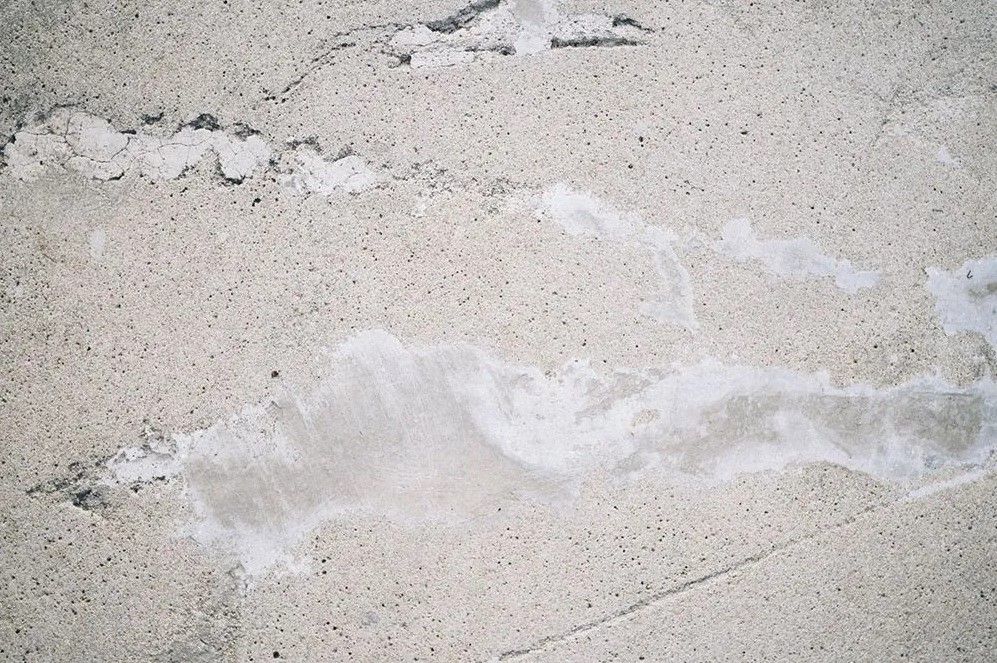
- Structural elements. Cosmetic wear on decks, balconies, and railings is routine. Visible cracking, rust staining, or noticeable deflection is not, and warrants a closer structural look.
- Reserve study findings. A reserve study tracking to its originally projected lifespan is a healthy sign. A study flagging multiple systems as already past their useful life [1] is a strong signal that reconstruction planning should start now rather than at the next funding cycle.
If your community is matching the second half of several of these signals across more than one building, that's the pattern that separates ongoing upkeep from a reconstruction project.
Planning Reconstruction Across Multiple Buildings
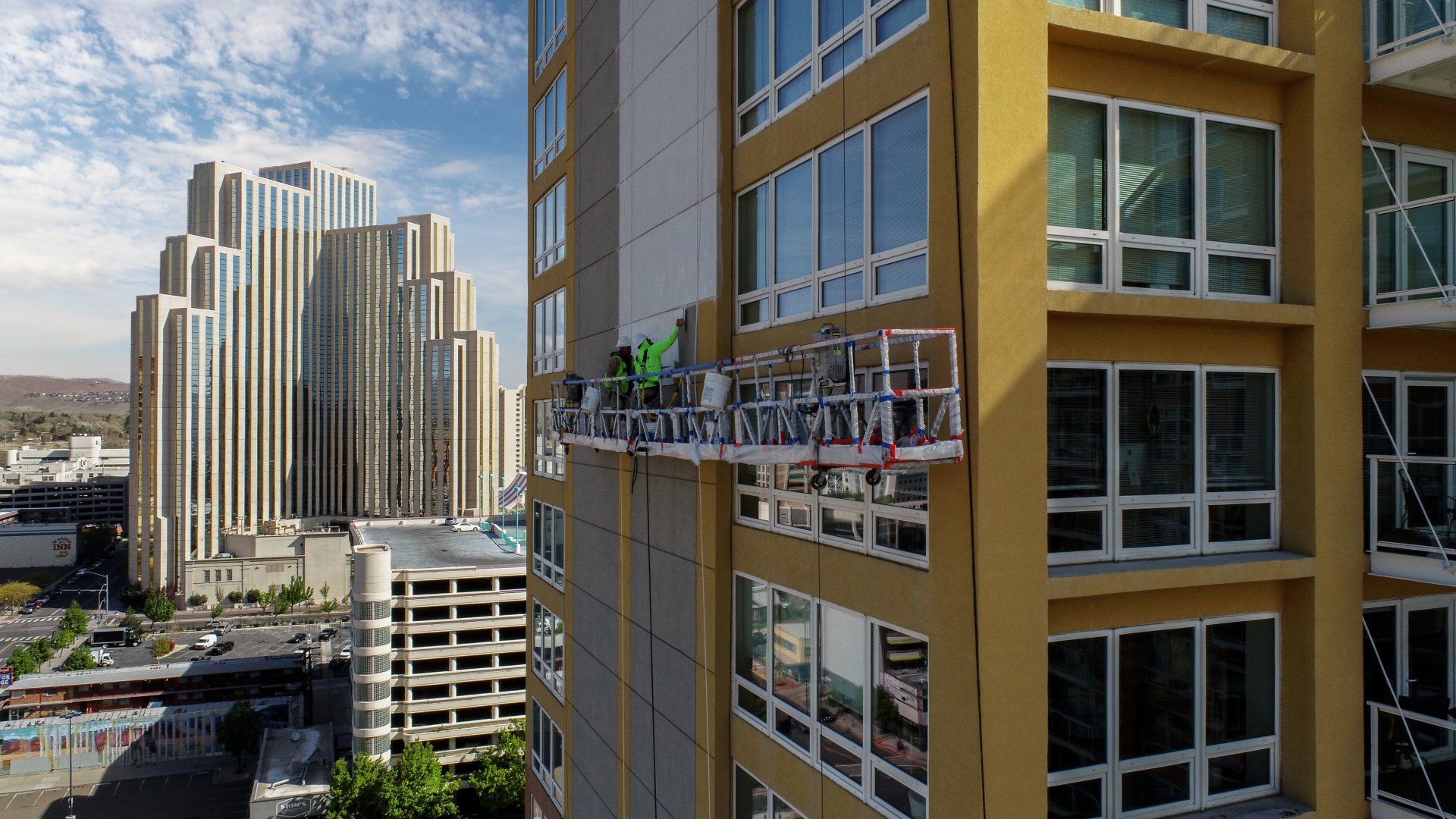
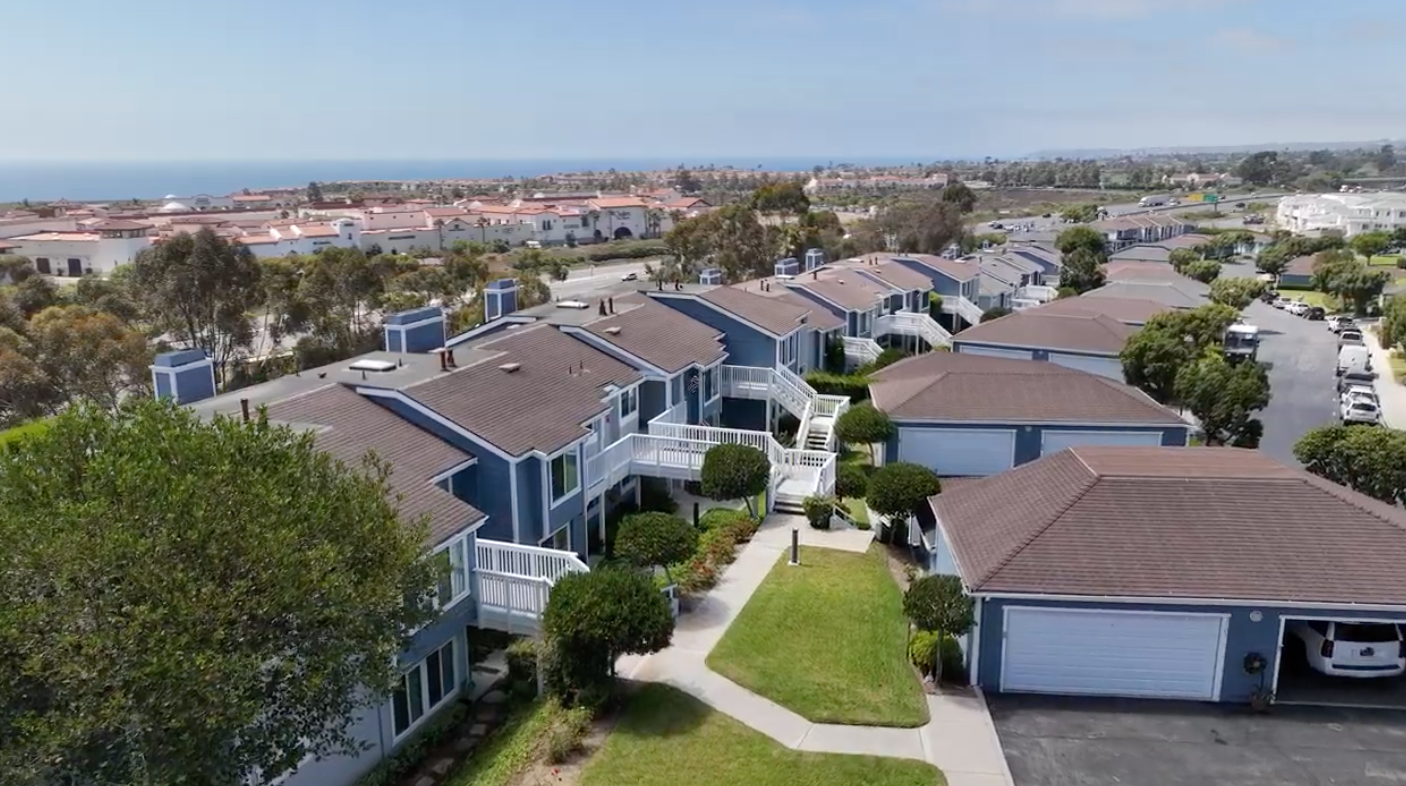
Multi-building HOA reconstruction should be sequenced building-by-building or wing-by-wing, not all at once, this keeps at least part of the community fully accessible at every stage and lets the contractor apply lessons from the first buildings to the rest of the schedule.
A single-building project and a 12-building community reconstruction are not the same job scaled up, they're different planning problems. A contractor experienced in multi-building projects should be able to walk your board through:
- Which buildings go first, and why (usually the ones with the most active water intrusion or the oldest systems)
- How crews and equipment move between buildings without idle time between phases
- How findings from destructive testing on building one inform the scope for buildings two through twelve
- What happens if a building reveals conditions worse than expected mid-project
That last point matters more than boards often realize. If destructive testing on the first building uncovers hidden rot or water damage beyond what was scoped, a good contractor adjusts the plan and communicates the cost and schedule impact immediately, not at the final walkthrough. Ask any contractor bidding a multi-building project for a specific example of this happening on a past project and how they handled the schedule and budget conversation that followed.
Coordinating Reconstruction in Occupied Community Management
Occupied community management during reconstruction means residents keep living, parking, and moving through the property while work is underway, which requires phased access plans, posted notices ahead of each phase, and a communication system that reaches residents before disruption happens, not after complaints start.
A reconstruction partner with real occupied-community experience should already have:
- A resident notification process (door notices, email templates, signage) ready before mobilization
- A named point of contact for your board separate from the field crew
- A plan for maintaining at least one accessible entrance/parking area per building at all times
- A protocol for handling resident complaints that doesn't route every issue back to your property manager
Boards evaluating reconstruction partners should ask for a sample of these materials during the bidding process, not a promise that they exist. A contractor who can produce an actual notice template or a sample weekly update is demonstrating a real, repeatable process; one who describes their communication approach only in general terms is likely building it for the first time on your project.
Bundling Amenity Upgrades With Reconstruction
Bundling community amenity upgrades, landscaping, hardscape, drainage, retaining walls, into a reconstruction project reduces total mobilization costs and disruption compared to running them as separate projects later.
Aging condo communities often have deferred amenity work sitting alongside deferred building reconstruction: eroding grading, failing retaining walls, outdated drainage that contributes to the same water intrusion driving the reconstruction need in the first place. If your community's civil site conditions are part of the problem, ask your contractor whether they handle both scopes, some reconstruction firms have expanded into civil contracting specifically to cover landscape grading, drainage, retaining walls, and paving alongside structural and building envelope work, which avoids hiring a second contractor and re-mobilizing equipment for a related project six months later.
Even where amenity work isn't urgent, it's worth asking the contractor to at least assess and price it alongside the reconstruction scope. Boards can always decide to defer the amenity portion to a later phase, but having current pricing in hand makes that a deliberate financial decision rather than a default driven by not having asked.
What to Look for in HOA Project Coordination
Beyond the reconstruction scope itself, a handful of coordination criteria separate contractors who can genuinely manage a multi-building, occupied project from ones who are better suited to a single, simpler job:
- Occupied-building references. Ask for at least three condo or HOA clients you can call directly, ideally board members rather than only property managers.
- A multi-building sequencing plan. Expect a phase-by-phase schedule specific to your property, not a generic template reused across every bid.
- Resident communication materials. Ask to see sample notices, email templates, and a named escalation contact before the contract is signed.
- Amenity and civil scope capability. Confirm whether the contractor can handle grading, drainage, and hardscape work if your community needs it addressed alongside reconstruction.
- Documentation practices. Look for phase inspection sign-offs and manufacturer-backed warranties, not just a verbal assurance that quality control happens.
A contractor who can't produce these on request during bidding is unlikely to produce them consistently once the project is underway.
Frequently Asked Questions About HOA Reconstruction for Aging Condos
How long does HOA reconstruction take for a multi-building community?
It depends on the number of buildings and the scope per building, but multi-building reconstruction is typically phased over multiple months to more than a year, with buildings sequenced rather than worked simultaneously.
What's the difference between condominium renovation and reconstruction?
Renovation usually refers to cosmetic or amenity focused updates, paint, common area refreshes, landscaping. Reconstruction addresses building systems that have failed or reached end-of-life. The two are often bundled into a single project when timing allows.
Can amenity upgrades be added to an existing reconstruction contract mid-project?
It's possible, but it's more efficient and usually less expensive to scope amenity and civil work into the original bid before mobilization.
What should a reserve study tell my board about reconstruction timing?
A current reserve study should flag which building systems are approaching or past their expected useful life. Roughly 74% of HOAs nationally are underfunded on reserves [1], which is part of why boards are frequently caught off guard by the scale of a reconstruction cycle. If your study is flagging multiple systems across multiple buildings in the same funding cycle, that's a signal to start the reconstruction bidding process rather than waiting for individual failures.
Next Steps for Your Board
Aging condo communities rarely need just one system repaired, they need a plan that sequences multiple buildings, keeps residents informed and safe throughout, and makes sense of the amenity work sitting alongside the structural work. If your board is starting to plan a reconstruction cycle, request a property assessment from EmpireWorks to see how a phased plan would apply to your specific buildings.
Boards that start this process early before a reserve study forces the issue or a resident complaint becomes a pattern generally end up with more contractor options, more time to compare bids properly, and less pressure to accept the first available start date. Waiting until the situation is urgent narrows all three of those advantages at once.
References
[1] ManageCasa. HOA Reserve Funds: Funding Levels, Studies and State Rules (citing Association Reserves' analysis of 100,000+ reserve studies, 1986–2025). Retrieved from https://managecasa.com/articles/hoa-reserve-funds