Top 7 Signs Your HOA Needs a Defect Assessment
Not every repair request is routine maintenance. Some are early signals of a construction defect, a deficiency in the original design, materials, or workmanship that will keep resurfacing until someone investigates its root cause [1]. The difficulty for most boards is that no single repair request looks alarming on its own. A cracked stucco panel here, a slow leak there, each one gets logged as a routine work order and handled individually, which is exactly how a systemic defect stays hidden for years while it quietly gets worse and more expensive to fix.
The seven signs below aren't proof of a construction defect by themselves. What they are is a pattern-recognition checklist, indicators that the underlying cause deserves an independent look before your association spends another maintenance dollar treating the symptom instead of the source.
1. The Same Repair Keeps Coming Back
If a leak, crack, or drainage issue has been "fixed" more than once in the same spot within a couple of years, that's not bad luck, it's a sign the repair addressed a symptom, not the underlying cause. Recurring issues in the same location are one of the clearest markers that an independent assessment is overdue.
Boards should keep a simple repair log by location, not just by work order number, so this pattern is visible. A property manager fielding twelve separate complaints about "a leak near unit 204" over eighteen months may not realize it's the same leak resurfacing until someone lines up the dates and locations side by side. Once a repair has failed twice in the same spot, the third attempt using the same method is unlikely to hold, that's the point to bring in an independent assessment rather than authorizing another patch.
2. Multiple Units or Buildings Show the Same Problem
A single unit with a water stain might be an isolated issue. The same water stain pattern showing up in units across multiple buildings, at the same elevation or orientation, points to a systemic issue in the original construction, a waterproofing detail, a flashing sequence, or a material specification that didn't perform as designed.
This is where cross-referencing matters. If maintenance requests are tracked per building rather than compared across the community, a board can miss a pattern that would be obvious on a single spreadsheet, five units on the north-facing side of five different buildings, all reporting similar staining within the same season, for example. That kind of geographic and directional clustering is a strong indicator of an original construction issue rather than five unrelated maintenance problems.
3. Your Reserve Study Flags Systems Failing Ahead of Schedule
Reserve studies project a useful life for major systems based on typical performance. When a roof, stucco system, or waterproofing membrane needs replacement significantly earlier than its projected lifespan, that gap is worth investigating before the next reserve cycle simply assumes the same shortened timeline. A current balcony inspection checklist review can help surface this kind of early-failure pattern for elevated structures specifically.
It's worth asking the reserve study preparer directly whether the shortened lifespan they're projecting is based on observed deterioration or simply extrapolated from the original estimate. A reserve analyst who says "the roof is failing faster than the 20-year estimate assumed" is often relying on visual inspection alone, they're not typically equipped to diagnose why. That diagnostic step is what a forensic assessment adds, and it changes the reserve conversation from "replace it early" to "replace it early and find out if the replacement will fail on the same timeline unless the underlying cause is addressed."
4. Your Insurance Carrier Is Asking Questions
Insurance inspections that flag deferred exterior maintenance, or carriers requesting documentation on prior repairs to the same components, are an external signal worth taking seriously. Carriers see patterns across many properties, and their flags are rarely random.
A carrier that specifically asks for repair history on a component, rather than a general condition photo, is often comparing your property against a known failure pattern in similar buildings from the same era or builder. Treating this as a paperwork exercise to satisfy the renewal, rather than a substantive signal, is a common mistake. If your carrier's underwriting team is asking pointed questions about a specific system, an independent assessment before your next renewal cycle can also strengthen your position in that conversation.
5. You're Approaching (or Past) Year 8 of the Building's Life
Most states impose a statute of repose an absolute deadline, typically 10 years from substantial completion after which an HOA loses the right to pursue a claim against the original builder for a latent defect, regardless of when it's discovered [2]. Boards in year eight or nine of a building's life should treat any suspicious pattern as urgent, since the pre-litigation notice process itself takes time.
This deadline catches boards off guard more often than any other item on this list, because it runs from substantial completion, not from when a problem is discovered. A board that first notices a pattern of water intrusion in year nine and spends six months deciding whether to investigate has already used up a meaningful fraction of whatever window remains. If your community is within two to three years of its tenth anniversary and hasn't had an independent assessment, that timeline alone is reason enough to move now rather than wait for a more dramatic failure to force the issue.
6. A Contractor's Estimate Doesn't Match the Damage
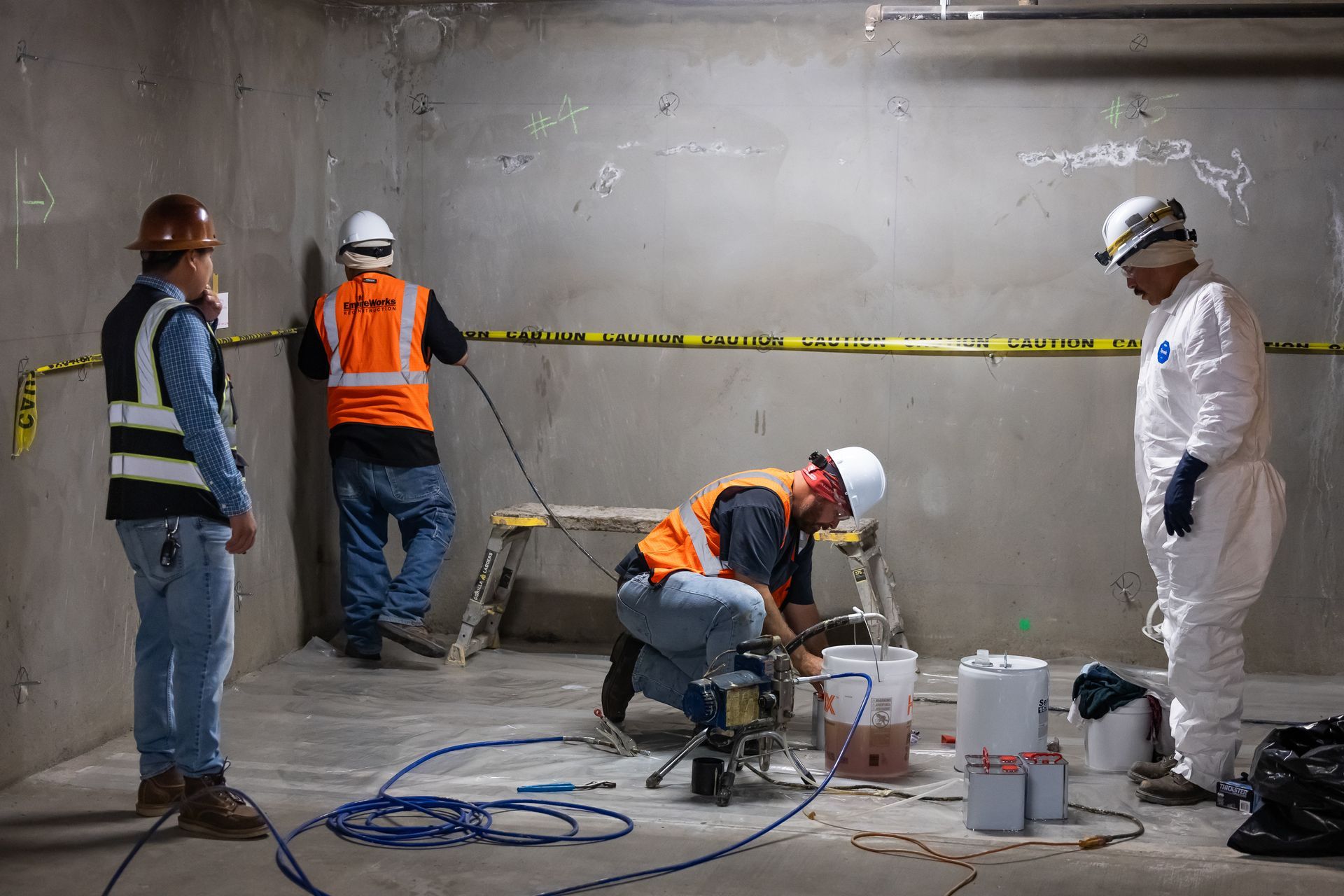
If a contractor's repair estimate seems disproportionate to what's visible on the surface either much higher or suspiciously low it's often because there's hidden damage the visual inspection didn't capture. This is exactly the situation destructive testing(selectively opening finished surfaces to inspect underlying conditions) is designed to resolve before a repair contract is signed.
A wide spread between bids on the same visible damage is itself informative. If one contractor quotes a straightforward stucco patch and another quotes a much larger scope citing suspected substrate rot, that disagreement usually means one of them looked closer, or is guessing. Either way, a board shouldn't be choosing between bids that are answering fundamentally different questions about what's actually wrong. Independent destructive testing settles the disagreement with evidence rather than asking the board to pick the contractor whose story sounds more convincing.
7. Residents Are Reporting Similar Complaints Independently
When residents from different units or buildings report similar issues without comparing notes, that independent corroboration is meaningful evidence, especially when it involves structural damage in balconies or recurring water intrusion. Boards have a fiduciary duty to investigate once they know or suspect a pattern like this exists [3] waiting for a single dramatic failure before acting can mean losing the window to document the defect's origin.
The key word is independently. Residents talking to each other and then filing a coordinated set of complaints is a different signal than five unrelated households noticing the same thing without any prompting. Property managers should note whether a complaint references a conversation with a neighbor ("my neighbor said theirs is doing the same thing") versus an original observation the latter is stronger evidence of a real pattern, and boards should treat it accordingly rather than assuming residents are simply piling on to an existing complaint.
What to Do If You're Seeing These Signs
None of these signs alone prove a construction defect, but two or more together are enough to justify an independent forensic assessment separate from any contractor you're considering for the repair itself. The assessment should be commissioned from an engineer or building consultant with no financial stake in the repair contract that follows, since a contractor scoping their own future work has an incentive to either overstate or understate what they find.
Frequently Asked Questions
How many of these seven signs need to be present before we act?
There's no fixed threshold, but two or more occurring together, especially recurring repairs combined with a pattern across multiple units is generally enough to justify commissioning an independent assessment rather than waiting for additional evidence to accumulate.
Who should perform the defect assessment?
An independent forensic engineer or building consultant with no financial interest in the repair contract that follows. This keeps the scoping objective and prevents the same party from both diagnosing the problem and pricing its own solution.
What does an assessment typically cost compared to a repair estimate?
Assessment costs vary by property size and suspected scope, but they're generally a small fraction of the eventual repair cost and far cheaper than repairing the wrong problem twice because the original diagnosis was incomplete.
References
[1] Clarkson McAlonis & O'Connor, P.C. (2023). What Can HOAs Do About Construction Defects? Retrieved from https://cmolawpc.com/what-can-hoas-do-about-construction-defects/
[2] Terrapin CG. (2026). Construction Defect Statute of Limitations and Statute of Repose by State. Retrieved from https://terrapincg.com/news/construction-defect-statute-of-limitations-by-state-2026
[3] Davis-Stirling. HOA's Duty to Investigate Construction Defect. Retrieved from https://www.davis-stirling.com/HOME/H/HOA-Defect-Duties