Lead-Safe Repaints in Arizona: How the EPA RRP Rule Applies to Pre-1978 Communities and Multifamily Buildings
Arizona feels like a young state, but its housing stock is not as young as its reputation. Central Phoenix, Tucson, Scottsdale, and Tempe are full of garden style apartment communities, townhome associations, and condominium buildings that went up in the 1950s, 60s, and 70s, which puts them on the wrong side of one very specific federal line: 1978, the year lead based paint was banned for residential use. If your community was built before 1978 and a contractor is about to disturb painted surfaces, a federal rule applies to that project, the EPA's Renovation, Repair and Painting Rule, and the board or manager who hires the crew has a real stake in whether it is followed. This article explains what the RRP Rule requires, when it triggers, and how Arizona communities verify a firm before work starts.
1. What the RRP Rule Is and Where It Comes From
The Renovation, Repair and Painting Rule is a federal regulation codified at 40 CFR Part 745. In the EPA's own summary of the Lead Renovation, Repair and Painting Program, anyone paid to perform work that disturbs paint in housing or child occupied facilities built before 1978 must be certified in lead safe work practices. The rule exists because disturbing old paint, sanding, scraping, cutting, demolition, is exactly how lead dust gets created and spread, and lead dust is hazardous at very small quantities, particularly to children. This is not a state program in Arizona. The EPA administers and enforces RRP directly here, so the requirements are federal, uniform, and not something a local jurisdiction can waive.
2. When the Rule Triggers on a Community Project
The RRP Rule applies to compensated renovation work in pre-1978 housing and child occupied facilities when the work disturbs more than minor amounts of painted surface. The commonly applied thresholds are more than six square feet of painted surface per room for interior work and more than twenty square feet for exterior work, with window replacement and demolition covered regardless of size. On a community exterior repaint of a pre-1978 building, surface preparation alone, the scraping and sanding that makes a repaint last, will typically clear the exterior threshold on the first elevation of the first building. In practical terms, if your community predates 1978 and the scope involves preparing painted surfaces, plan on the rule applying and hire accordingly. Testing is the one exception: a certified renovator or lead inspector can test the specific components, and if the paint is confirmed not to be lead based, the work practices are not required for those components. Document that testing if you rely on it.
3. What Certified Firms Actually Have to Do
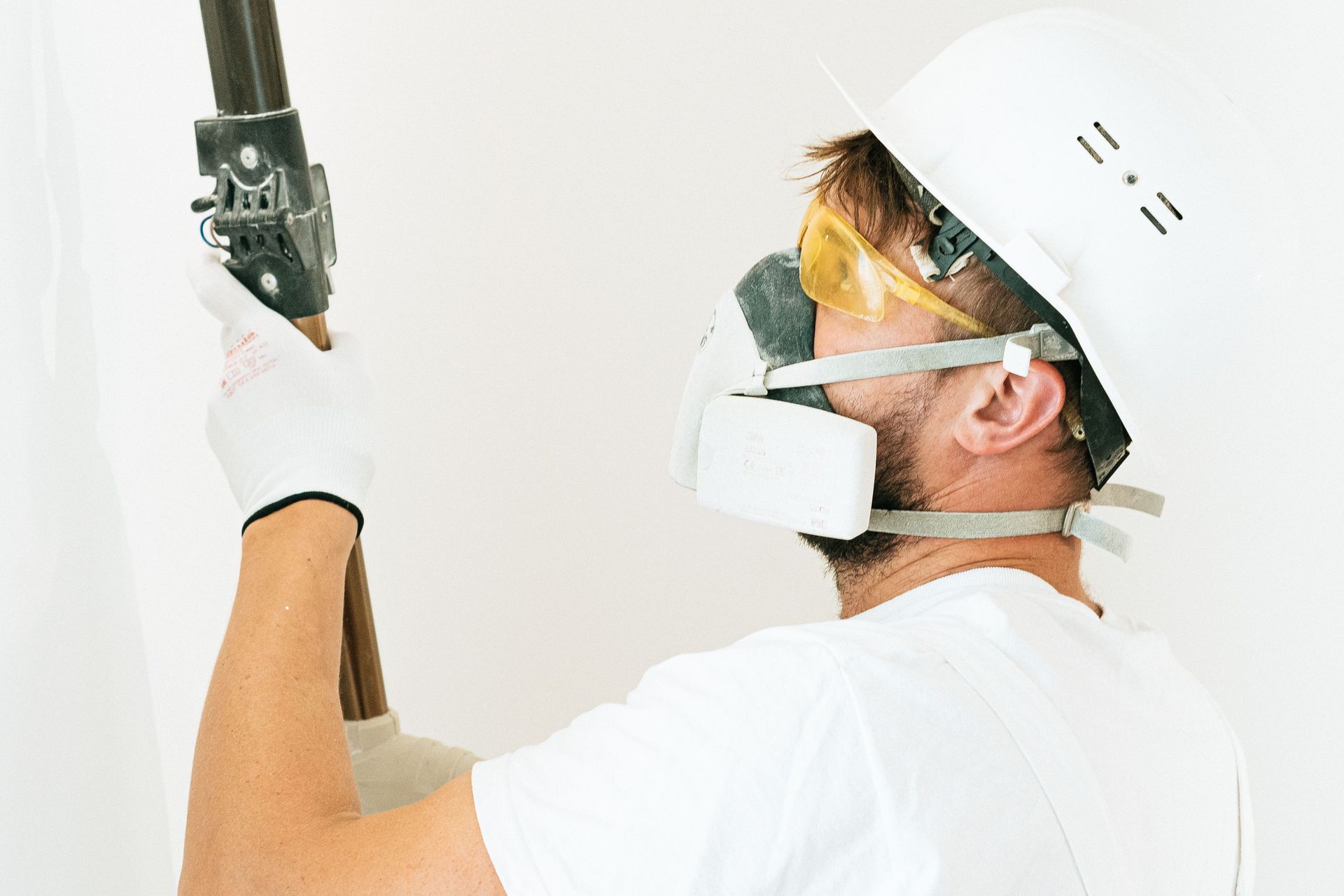
Compliance has two layers. First, the firm itself must hold an EPA firm certification, which is applied for through the EPA and renewed on a five year cycle. Second, every job must be directed by a certified renovator, an individual who completed an accredited training course in lead safe work practices. On site, the required practices include posting warning signs, containing the work area so dust and debris do not leave it, plastic sheeting on the ground for exterior work and sealed containment for interiors, avoiding prohibited high dust practices such as open flame burning and uncontrolled power sanding, thorough cleanup, a cleaning verification procedure at the end, and recordkeeping that documents the whole sequence, which the firm must retain. Occupied community work adds a distribution requirement: the EPA's Renovate Right pamphlet goes to owners and tenants before work begins. None of this is exotic for a firm that does it every week. All of it is a problem for a firm learning it on your property.
4. Why Boards and Managers Carry Risk Here
Enforcement of the RRP Rule lands primarily on the renovation firm, and the EPA does bring enforcement actions with civil penalties that accumulate per violation. But the association and its manager are not spectators. Hiring a firm that is not certified invites project shutdowns and creates an ugly fact pattern if a resident, particularly a family with young children, later alleges lead exposure from uncontained work the board procured. The board's fiduciary duty to the community includes procuring legally compliant work, and the paper trail is simple to build: the firm's EPA certification, the certified renovator's credential, the pre-work pamphlet distribution, and the post-job records. Verification is also easy. The EPA maintains a public search for certified renovation firms, and a compliant contractor will produce its certification number without being asked twice. If a bidder on a pre-1978 building has never mentioned RRP, that silence is the answer.
5. Folding RRP Into an Arizona Repaint the Smart Way
- Confirm the construction year for every building in the scope. Communities with phases can straddle 1978, and the rule follows the building, not the association.
- Decide early whether to test components or presume lead. Presuming lead and working lead safe is often simpler than testing hundreds of components.
- Require the firm's EPA certification number and the assigned certified renovator's credential in the bid, and verify both.
- Build containment, resident notification, and cleaning verification into the schedule. Lead safe work is modestly slower, and honest schedules account for it.
- Collect the compliance records at closeout and keep them with the project file. They protect the association for years.
Since surface preparation on a pre-1978 building is exactly where licensing and lead safety intersect, pair this with our guide to verifying an Arizona contractor through the ROC so both checks happen before award.
Conclusion
The RRP Rule is one of the few regulations on a community repaint that is purely federal, purely non-negotiable, and entirely predictable: if the building predates 1978 and the crew will disturb paint, the rule applies, and the firm doing the work must be certified and work lead safe. Arizona's midcentury communities deserve contractors who treat that as routine. EmpireWorks brings decades of HOA and multifamily repaint and reconstruction experience to older buildings across the Southwest, with the certifications and documented practices that pre-1978 work demands. If your Arizona community was built before 1978 and a repaint is coming, contact EmpireWorks and we will scope it lead safe from day one.
Sources
This article is for general information and is not legal advice. Confirm current RRP requirements and certification status directly with the EPA before starting work on a pre-1978 building.