Best Commercial Painting Contractors for HOAs in 2026
Naming a single "best" commercial painting contractor doesn't hold up across markets, the right choice depends on your community's scale, building type, and timeline. What does hold up across markets is a consistent set of criteria that separates contractors equipped for large HOA exterior projects from ones better suited to smaller residential jobs. Here's what to compare, and what to ask about each one during the bidding process.
1. Scale of Prior Projects
A contractor whose largest job was a single-family home portfolio isn't automatically equipped for a 12 building community repaint. Ask for the square footage or unit count of their three largest completed projects and compare that against your own scope.
It's also worth asking how many crews the contractor can run simultaneously. A contractor with the right project size on their resume but only one crew may still struggle to complete a multi-building project within a reasonable timeline if they're sequencing buildings one at a time rather than running parallel crews.
Request photos or a walkthrough of a recently completed project of comparable scale where possible. Seeing finished work in person or through detailed photos tells a board more about actual quality than a written project list alone.
2. Manufacturer Certification
Major paint manufacturers certify applicators for specific product lines and warranty programs. A certified applicator status means the manufacturer has reviewed the contractor's application practices, which matters because manufacturer-backed warranties typically require certified installation to remain valid.
Ask which specific product lines the contractor is certified for, not just whether they hold any certification. A contractor certified for one manufacturer's premium exterior line but proposing a different, uncertified product is a mismatch worth clarifying before the bid is accepted.
3. Occupied Community Project Management
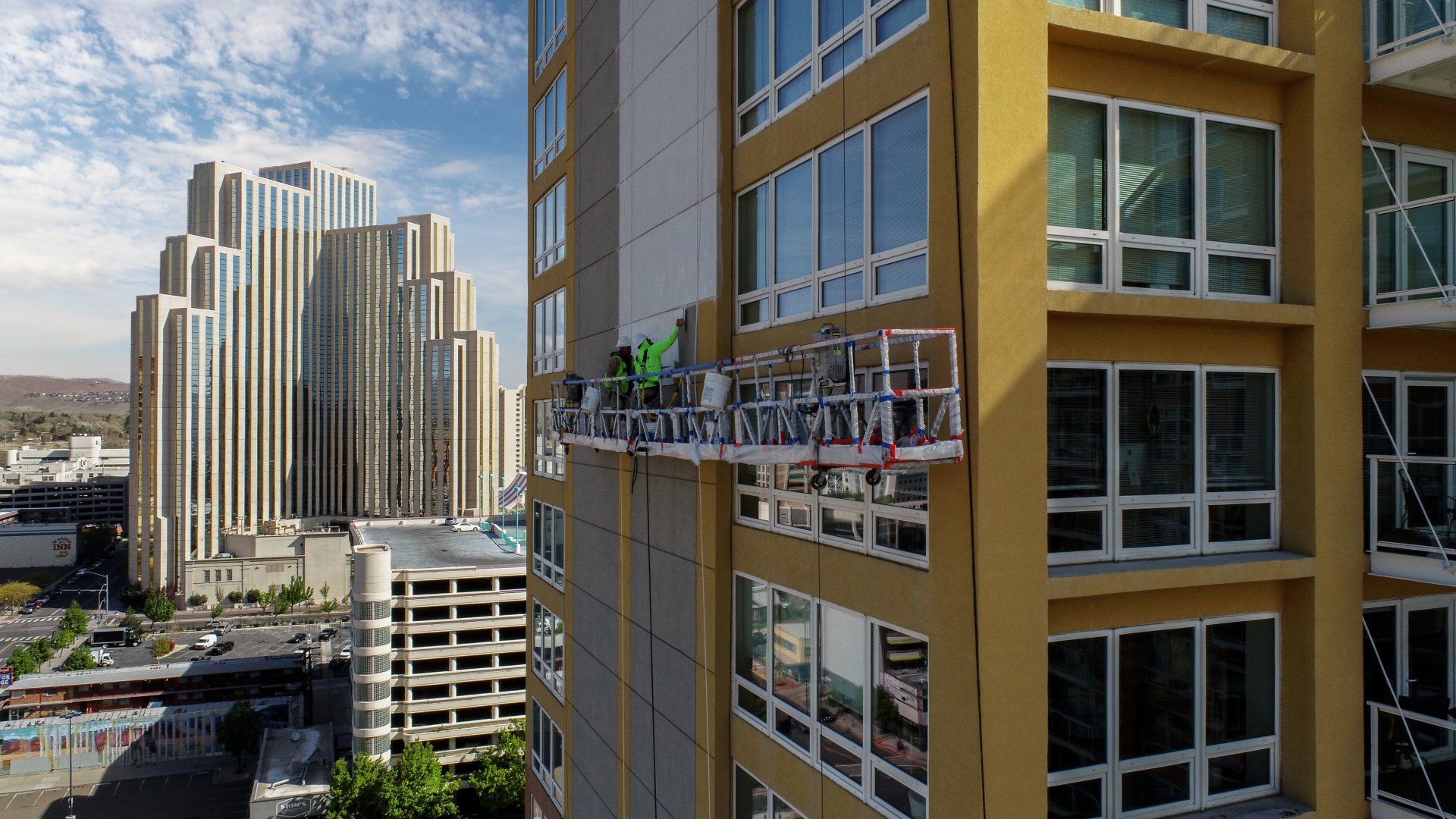
Exterior painting on an occupied property means managing overspray control, resident notifications for vehicle relocation, and scheduling around common-area access. Ask how the contractor handles this specifically, a vague answer here often means the contractor's experience skews toward vacant commercial or new-construction work.
Ask for a sample resident notification the contractor has used on a past occupied community project. Specifics like advance notice windows for vehicle relocation, containment methods to prevent overspray on parked cars, and a named on-site contact for resident questions are the details that separate genuine occupied community experience from a contractor adapting on the fly.
4. Bid Transparency
A clear bid itemizes surface preparation, primer, number of coats, and specific product lines, not just "exterior paint, per manufacturer spec." Vague bids create room for corners to be cut on prep work, which is where most premature paint failures actually originate, not the paint itself.
Ask specifically how the contractor handles surface preparation on substrates in poor condition, pressure washing, scraping, priming bare spots, since inadequate prep is the most common cause of early paint failure, well before the paint product itself is a factor.
5. Color and Architectural Guideline Compliance
For HOA projects, the contractor needs to work within your community's approved color palette and architectural guidelines, confirm they'll coordinate directly with your architectural review process rather than assuming the board will catch any deviations after the fact. A contractor experienced with HOA work will ask for your color guidelines and review board contact upfront, not after the first coat goes on.
6. Warranty Terms — Manufacturer and Workmanship, Separately
Ask for both the manufacturer's product warranty and the contractor's own workmanship warranty in writing, as separate documents. "Industry-standard warranty" language without specific terms attached isn't a warranty a board can act on if something fails.
Confirm exactly what triggers a warranty claim and what the contractor's response time commitment is. A workmanship warranty that requires the board to prove the failure was due to application error, rather than normal wear, is far less useful in practice than one that covers early failure regardless of cause within the warranty period.
7. References From Projects of Comparable Scale and Building Type
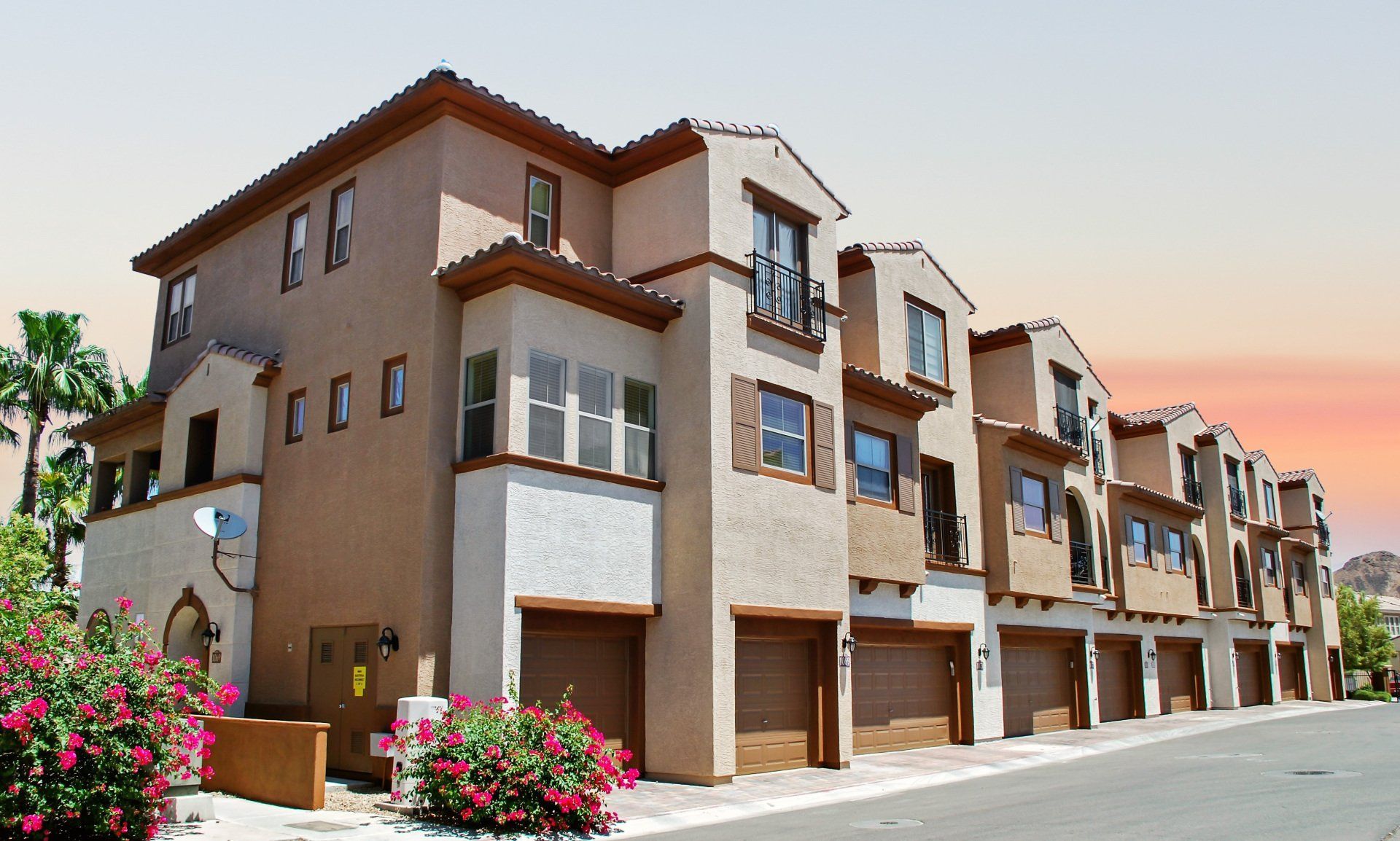
A contractor who does excellent work on single-story retail strips isn't necessarily equipped for multi-story residential exteriors with balconies, stucco transitions, and occupied-unit access constraints. Match references to your specific building type, not just "commercial painting" broadly, ask for at least two references from projects with a similar unit count, height, and occupancy status to yours, and follow up with those references directly rather than relying on the contractor's summary of how it went.
Putting the Criteria Together
No single criterion above should be a dealbreaker on its own, but a contractor who scores well on price and speed while falling short on several of these points is usually trading long term quality for short-term savings. Boards evaluating multiple bids should score each contractor against this list explicitly, rather than defaulting to the lowest number on the page.
How Regional Availability Affects This List
Contractor availability and specialization vary significantly by region, a market with several established HOA focused painting contractors gives boards more room to be selective on every criterion above, while a market with fewer options may require prioritizing which criteria matter most for a specific project rather than expecting a perfect match on all seven at once.
In markets with fewer specialized options, boards sometimes need to weigh a strong contractor on most criteria against a longer wait for their availability versus a less experienced but immediately available alternative. There's no universally correct answer here, but the tradeoff should be made deliberately rather than defaulting to whoever can start sooner.
Frequently Asked Questions About Commercial Painting Contractors for HOAs
How much more should HOA boards expect to pay for a certified applicator versus an uncertified one?
Pricing varies by market and project scope, but the premium for certification is generally modest relative to the value of an enforceable manufacturer warranty, a warranty that becomes void due to uncertified installation can cost far more than the certification premium would have.
Should boards get bids from both large regional painting companies and smaller local firms?
Yes, comparing both is worth the extra time. Large regional firms often have stronger certification and bonding capacity; smaller local firms sometimes offer more responsive project management. Evaluate both against the same criteria rather than assuming size alone determines quality.
Is it worth waiting longer for a highly qualified contractor versus hiring an available one sooner?
It depends on the urgency of the underlying issue. For cosmetic repainting with no time pressure, waiting for the stronger contractor is usually worthwhile. For work tied to a compliance deadline or active water intrusion, the calculus may shift toward availability.
References
[1] Kaloutas. The Benefits of Going With One Contractor For Multiple Projects. Retrieved from https://www.kaloutas.com/blog/the-benefits-of-going-with-one-contractor-for-multiple-projects