AB 356 and the 2027 Turf Deadline: What Southern Nevada Associations Must Budget Alongside Building Projects
AB 356 gives Southern Nevada associations a hard deadline to remove non-functional turf, and the smart boards are already sequencing it with their other exterior capital work. Here is what qualifies, what it costs, and how to plan it.
For Southern Nevada homeowners associations, AB 356 has quietly become one of the largest capital planning items on the horizon. It is easy to think of it as a landscaping rule. It is really a budgeting deadline, and the associations that treat it that way will spend far less stress and money than the ones that wait.
This guide breaks down the AB 356 Nevada HOA turf requirements, the non-functional turf removal deadline, the rebates still available, the reserve study implications, and, most importantly, how to sequence a turf conversion alongside the exterior projects your community already needs.
Verify before you budget. Rebate amounts, program tiers, and local top-up incentives change periodically, and agencies update guidance as the deadline approaches. Confirm current figures with the Southern Nevada Water Authority (SNWA), your local water agency, and the Nevada Real Estate Division before finalizing any budget or reserve number.
AB 356 Nevada HOA Requirements: What the Law Actually Mandates
Nevada’s Legislature passed Assembly Bill 356 in 2021. The law prohibits the use of Colorado River water to irrigate non-functional turf on property that is not zoned exclusively for single-family residential use, throughout the SNWA service area, effective January 1, 2027.
Read that carefully, because two phrases carry all the weight. “Non-functional turf” is decorative grass that serves no real recreational purpose, the green strips along streets, medians, entryways, and ornamental common areas. “Not zoned exclusively for single-family use” is what pulls HOAs, multifamily communities, commercial properties, and government parcels directly into scope. Individual single-family front and back yards are treated differently and are largely exempt, but the common areas an association manages are squarely covered.
The result is simple to state and expensive to ignore: if your community sits inside the SNWA service area and it has decorative grass in common areas, that turf has to go before the deadline. Locally, AB 356 is often called the Las Vegas turf law, and for an HOA it lands squarely as a compliance and budgeting obligation, not a suggestion.
Which Nevada HOA Areas Qualify as Non-Functional
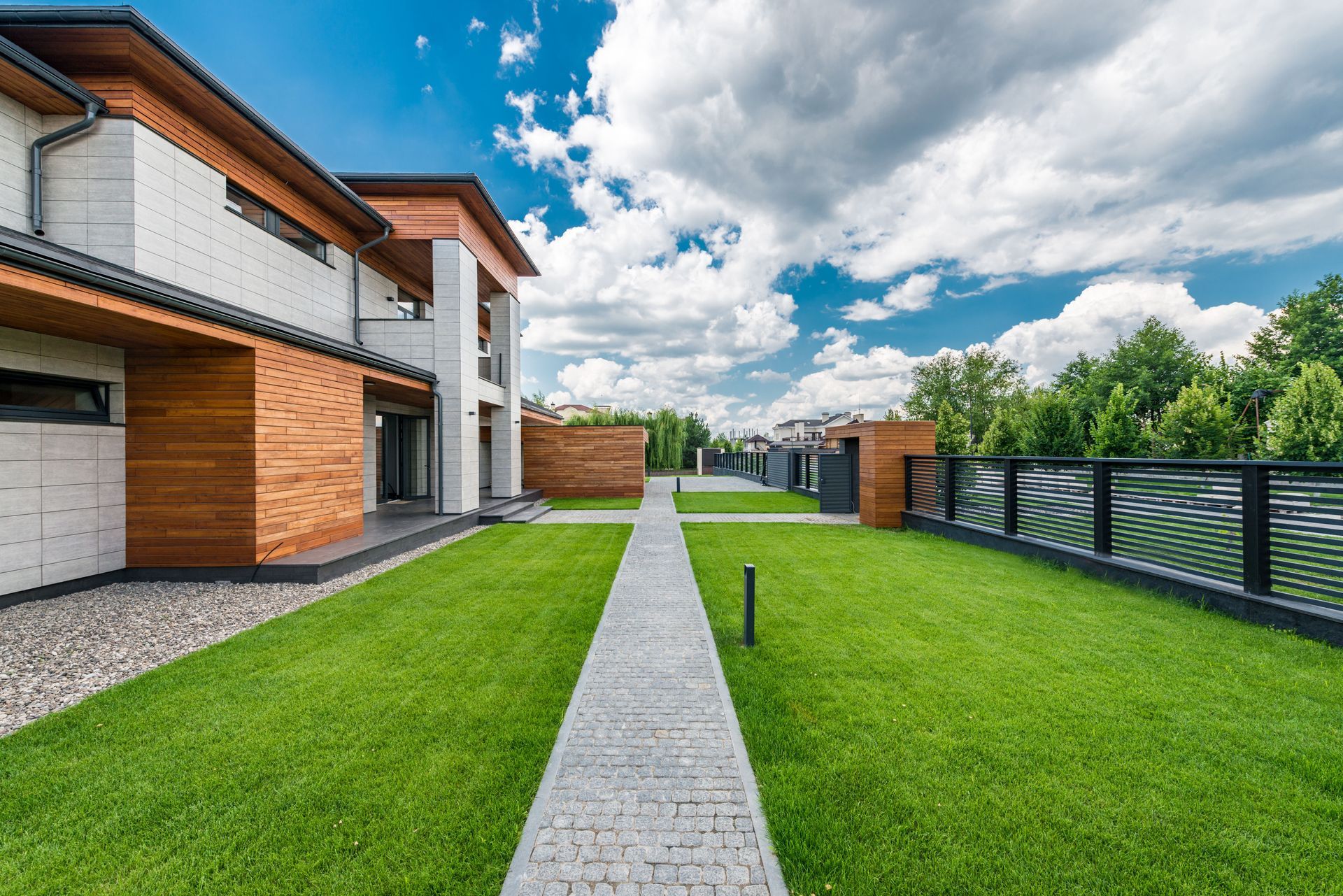
The distinction between functional and non-functional turf is the whole game. Functional turf supports genuine recreation or use, such as a real play field, a usable park space, or a gathering lawn. Non-functional turf is ornamental, the grass nobody actually uses.
For most associations, the covered areas include streetscape grass along interior roads, medians and traffic islands, entry monument landscaping, perimeter strips, and decorative lawns that exist purely for appearance. Because the definitions matter so much, and because waivers or extensions can apply in specific situations, boards should get a professional assessment of which specific areas on their property qualify rather than guessing. A wrong assumption in either direction costs money.
The Deadline and Why the Runway Is Shorter Than It Looks
The enforcement date is January 1, 2027, when SNWA and its member agencies may no longer deliver Colorado River water to irrigate non-functional turf on covered property. Local guidance has generally pushed communities to complete removal ahead of that date.
That 2027 date can feel comfortably distant. It is not. As the deadline nears, demand for qualified landscape and conversion contractors rises, rebate processing slows under volume, and project timelines stretch. An association that starts planning early gets its pick of contractors, cleaner rebate processing, and the ability to phase the work. An association that waits competes for scarce labor at the worst possible moment. The runway is shorter than the calendar suggests.
The Rebates Still on the Table
The financial picture is not all cost. The SNWA Water Smart Landscapes rebate remains one of the most generous turf conversion incentives in the country, and it explicitly applies to businesses, HOAs, and multifamily properties.
For these non-residential and association properties, SNWA’s published rebate structure pays $5 per square foot for the first 10,000 square feet of qualifying turf converted, and $1.50 per square foot thereafter, without regard to the passage of time or the number of project phases. Depending on the local water agency, additional top-up incentives may be available on top of the SNWA rebate. Because these figures and tiers are updated periodically, treat them as a planning starting point and confirm the current numbers when you apply.
The mechanics matter as much as the numbers. Conversions generally must be pre-approved before any work begins, with a pre-conversion site visit, and the finished landscape must meet performance standards such as minimum living plant coverage and drip irrigation. Removing turf first and applying later is how associations forfeit rebate dollars they were entitled to.
What Replaces the Turf, and the Standards It Has to Meet
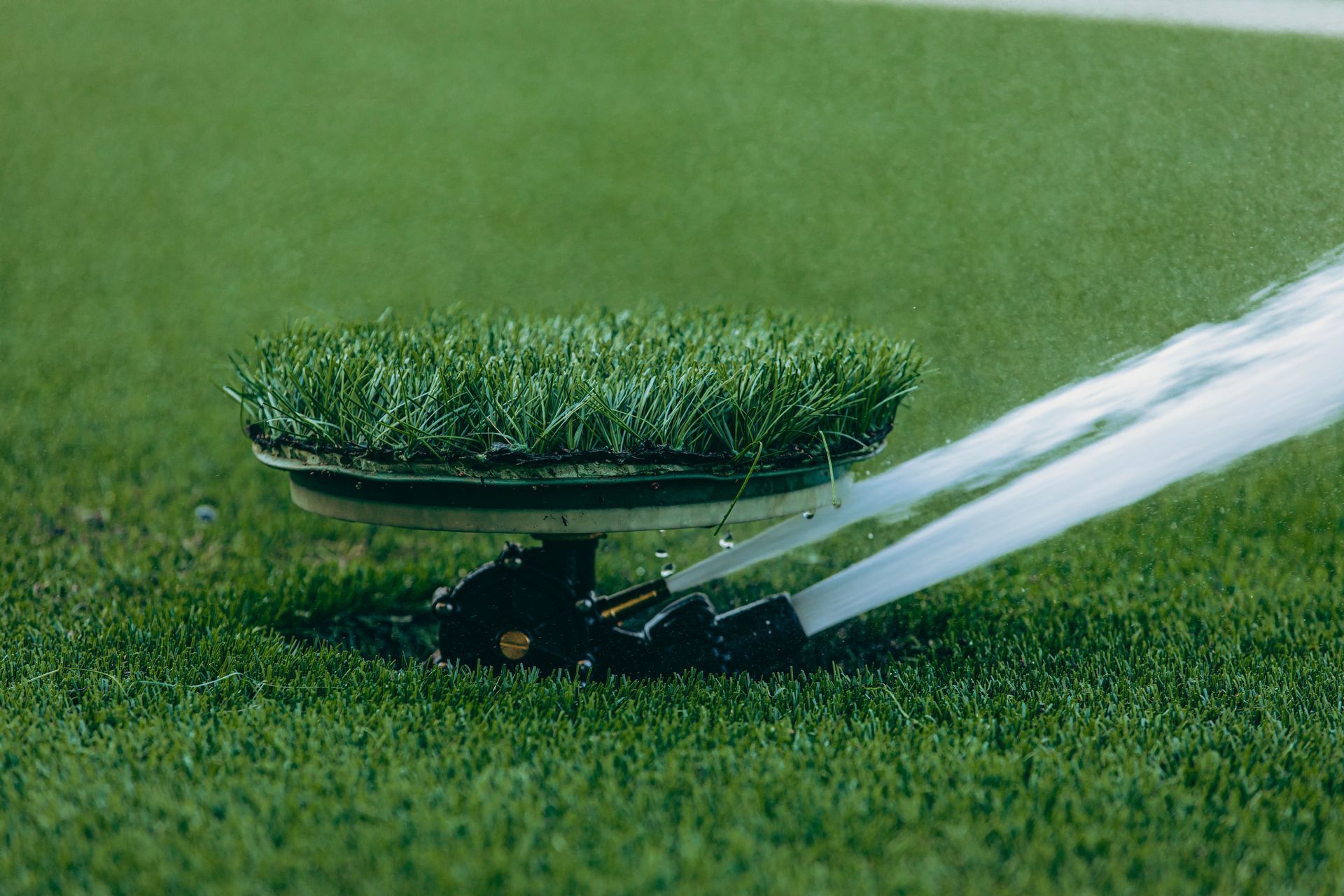
Removing grass is only half the project. The replacement landscape has to meet performance standards to qualify for the rebate and to deliver the water savings the law is after. In practice, that generally means converting to drip-irrigated desert landscaping with a minimum level of living plant coverage at maturity, proper irrigation design with filtration and pressure regulation, and plant selections suited to the Southern Nevada climate.
For an association, this is a design decision with long-term consequences, not just a demolition task. The new landscape sets the community’s curb appeal and its maintenance costs for years. Boards that plan the replacement thoughtfully, rather than rushing a bare-minimum conversion to beat the deadline, end up with common areas that look intentional and cost less to maintain. Coordinating that landscape design with any exterior building work happening in the same areas keeps the two from working against each other.
Common Mistakes Boards Make
A handful of avoidable errors cost associations real money on AB 356 projects. The most expensive is starting removal before securing rebate pre-approval, which can forfeit the incentive entirely. Close behind is waiting until 2026 to begin planning, then paying premium pricing for scarce contractors as the deadline crowds in. Others include misjudging which areas actually qualify as non-functional, failing to update the reserve study so the conversion lands as a surprise, and treating the turf project in isolation from painting or reconstruction work that will later disrupt the very landscaping the association just installed. Each of these is preventable with early planning and a coordinated capital calendar.
Reserve Study and Budgeting Implications
Here are the part boards underestimate. AB 356 is not just an operating expense. Under Nevada’s common-interest ownership law in NRS Chapter 116, associations are required to fund reserves for the major repair and replacement of community assets, and to keep a reserve study that reflects those obligations. Guidance from the Nevada Real Estate Division (NRED) reinforces that associations should account for mandated conversions in their reserve planning rather than treating them as a one-off surprise.
A mandated turf conversion changes the reserve picture in two ways. First, the removal and re-landscaping itself is a significant capital event that should be reflected in the reserve study and funding plan, net of expected rebates. Second, the new water-efficient landscape becomes a community asset with its own future maintenance and eventual replacement profile. Boards that update the reserve study to account for both, rather than absorbing the conversion as a surprise, protect the association from a special assessment scramble later. This is a natural moment to align the reserve study, the funding plan, and the capital calendar around the 2027 reality.
Sequencing Turf Conversion With Exterior Capital Projects
This is where associations can turn a mandate into an efficiency. Most communities facing AB 356 also have exterior capital work on the horizon: painting, waterproofing, exterior reconstruction, deck or balcony repairs, and similar projects. Treating turf conversion as an isolated landscaping task, disconnected from that work, leaves money and coordination on the table.
Sequenced well, the two work streams support each other. Mobilizing crews once, protecting new landscaping from later exterior work rather than damaging it, staging access and materials in a single coordinated plan, and communicating one disruption window to residents instead of several all reduce cost and friction. The wrong sequence, by contrast, is expensive: install a new water-efficient landscape, then run a painting or reconstruction project across it months later and tear part of it up. A community that plans exterior reconstruction, painting, and turf conversion together protects both budgets and both results.
The practical move for a board is to put AB 356 on the same capital calendar as the community’s building envelope work, then sequence the projects so each one sets up the next instead of undoing it.
Bringing It Together
AB 356 is a hard deadline with a real cost, but it is also a planning opportunity. Associations that identify their qualifying turf early, capture the SNWA rebate correctly, update the reserve study to reflect the conversion, and sequence the work alongside their exterior capital projects will spend less and disrupt residents less than those that treat 2027 as a distant problem. The deadline is coming either way. The only choice is whether the association meets it on its own schedule or on the deadline’s.
Frequently Ask Questions
What is the AB 356 turf removal deadline for Nevada HOAs?
Under the AB 356 Nevada HOA turf rules, the law prohibits using Colorado River water to irrigate non-functional turf on property not zoned exclusively for single-family use in the SNWA service area, effective January 1, 2027. Associations are generally advised to complete removal ahead of that date.
Does AB 356 apply to single-family homes?
Individual single-family residential yards are largely exempt. The law targets non-functional turf in areas that are not zoned exclusively for single-family use, which includes HOA common areas, multifamily, commercial, and government properties.
Describe the item or answer the question so that site visitors who are interested get more information. You can emphasize this text with bullets, italics or bold, and add links.
Which HOA grass has to be removed under AB 356?
Non-functional, decorative turf, such as streetscape strips, medians, entry landscaping, and ornamental common-area lawns. Functional turf that supports real recreation or use is treated differently. A professional assessment is the safest way to confirm which specific areas qualify.
What rebate is available for HOA turf conversion in Southern Nevada?
SNWA’s Water Smart Landscapes rebate for businesses, HOAs, and multifamily properties pays $5 per square foot for the first 10,000 square feet and $1.50 per square foot thereafter. Local agencies may add incentives. Confirm current figures at application time, and get pre-approval before any work begins.
How does AB 356 affect our reserve study?
A mandated conversion is a capital event that should be reflected in the reserve study and funding plan, net of rebates, and the new landscape becomes an asset with its own future maintenance profile. Updating the reserve study early helps avoid a surprise special assessment.
Should we combine turf conversion with other exterior projects?
Usually, yes. Sequencing turf conversion with painting, waterproofing, and exterior reconstruction lets the association mobilize once, avoid damaging new landscaping with later work, and communicate a single disruption window to residents.