New Construction and Reconstruction: What's the Difference?
Reconstruction is the repair or rebuilding of a structure that already exists. New construction is building a structure from nothing on a site with no building on it. Same trades in a lot of cases, very different work.
The distinction sounds academic until you are the one hiring the contractor. If you sit on an HOA board, manage a community, or own multifamily property, you are almost always buying reconstruction, even when the scope feels big enough to be a new build.
What new construction means
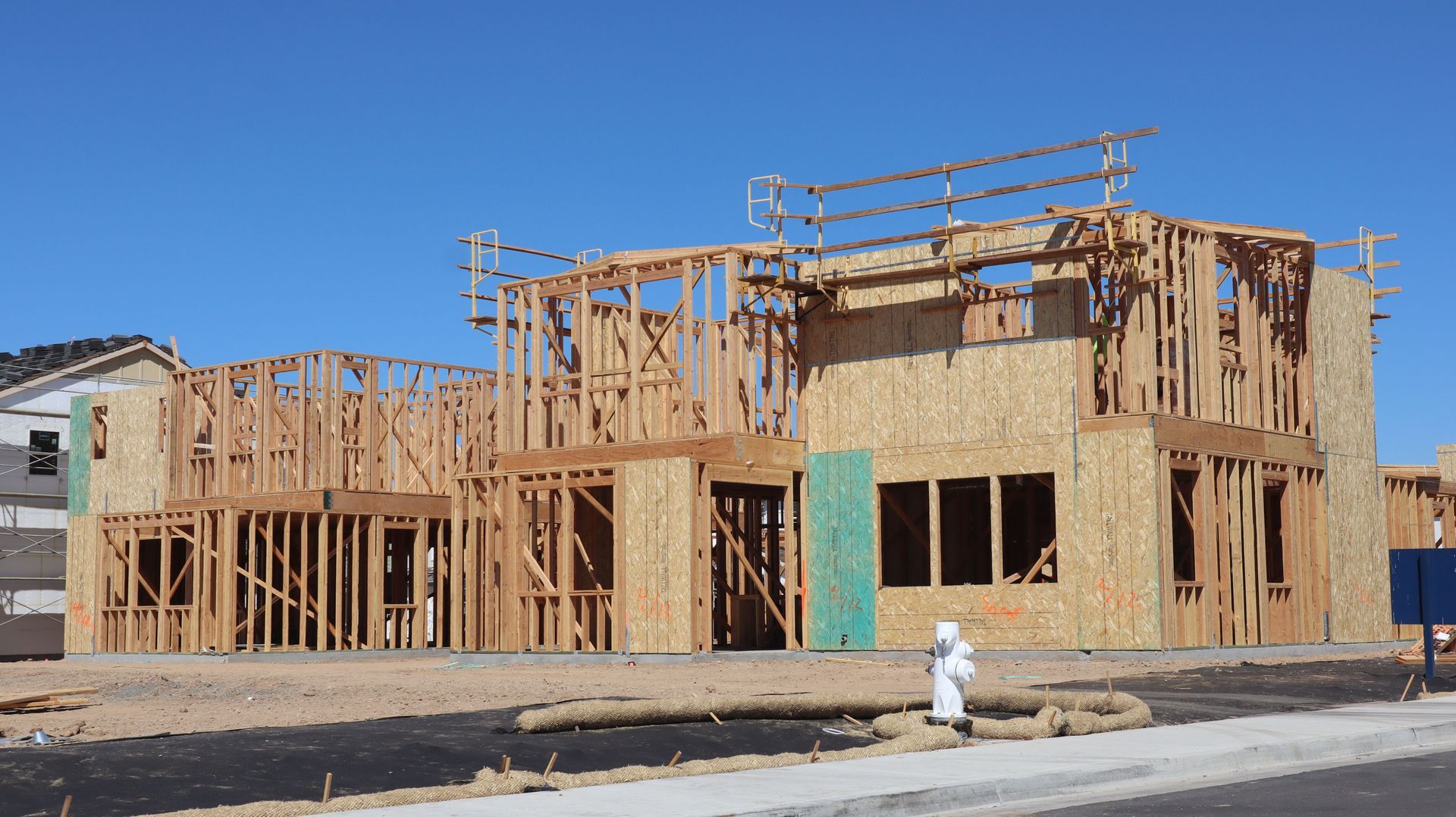
New construction starts with an empty site. There is a design, a permit set, a foundation, framing, and then finishes, in that order. Nothing is hidden inside a wall because nobody has built the wall yet.
The usual sequence is planning and design with architects and engineers, site preparation and grading, foundation, framing, mechanical and electrical rough-in, then exterior and interior finishes and final inspections.
Two things define it. The scope is known before anyone breaks ground, and nobody lives there. Schedule risk comes from weather, permits, and material lead times, not from residents, parking, or pets.
What reconstruction means
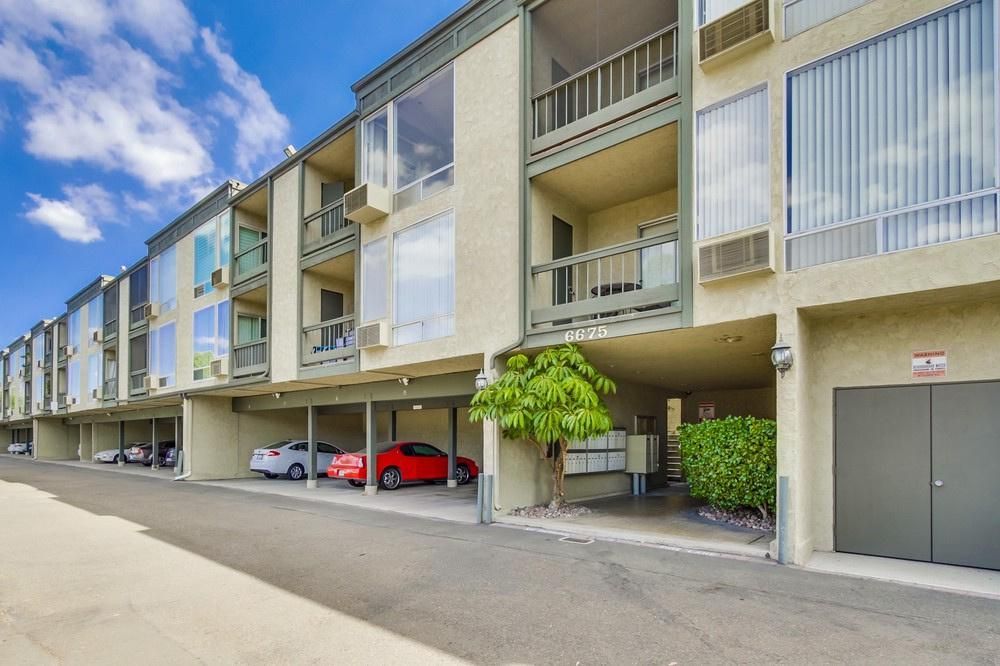
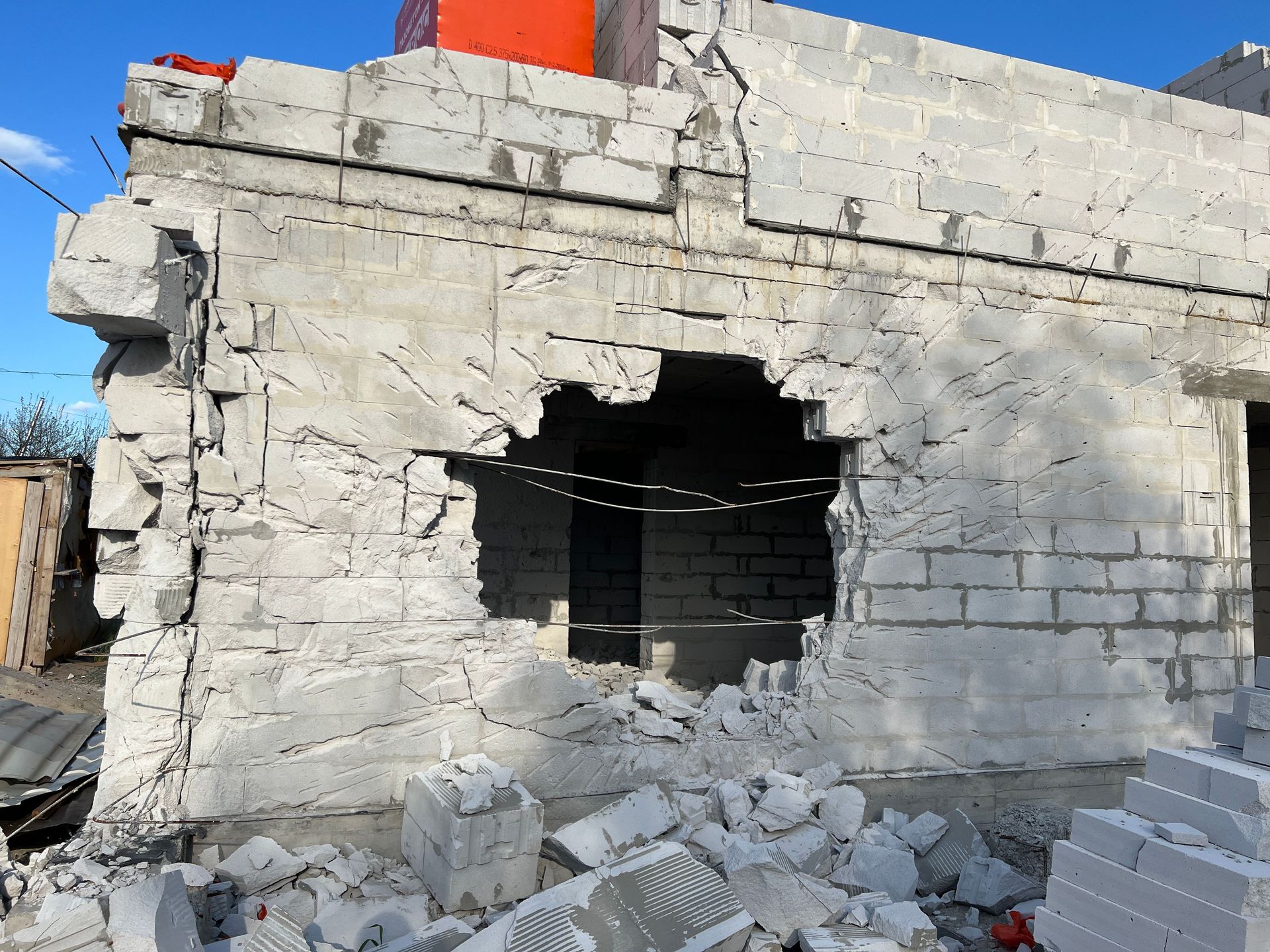
Reconstruction starts with a building that is already standing and usually already occupied. Something has failed, worn out, or fallen behind current code, and the job is to restore the structure and the systems that protect it.
That includes dry rot behind stucco, failed waterproofing on decks and balconies, corroded railings, water intrusion through siding and windows, spalling concrete in parking structures, and repairs that come out of a construction defect claim.
The order of work is different too. You assess before you scope, because you cannot see the real condition of a balcony or a wall assembly from the outside. That is what intrusive testing is for, and it is why a serious reconstruction bid starts with investigation instead of a unit price.
Reconstruction, restoration, remodel, repair
These words get used interchangeably in bids, which makes comparing proposals harder than it should be. Here is how they are normally meant:
- Repair fixes a specific failure. One balcony, one leak, one section of railing.
- Reconstruction rebuilds assemblies and systems across a property so they perform the way they were supposed to. It is repair at scale, with engineering behind it.
- Restoration usually means bringing something back to its original condition or appearance, often after damage from water, fire, or a storm.
- Remodel changes how a space looks or functions. It is a choice, not a response to a failure.
When you read a proposal, look at what is actually being priced instead of the label on the cover page. A document titled "restoration" that only prices coatings is not going to solve rotted framing underneath. Civil reconstruction is its own category again, covering site work like concrete, drainage, and asphalt around the buildings.
The difference that actually matters
The biggest gap between the two is not the trades. It is how much you know on day one.
- Starting point. New construction starts from a design. Reconstruction starts from an existing condition you have to discover.
- Unknowns. New construction has few. Reconstruction has plenty, which is why scope grows when the first walls open up.
- Occupants. New construction has none. Reconstruction happens around people who live there, park there, and expect hot water tonight.
- Budget shape. New construction is a hard bid against a drawing set. Reconstruction needs a contingency and a written process for approving what testing finds.
- Approvals. A developer signs off on new construction. Reconstruction runs through a board, reserves, sometimes a special assessment, and often an attorney or engineer.
A contractor who is excellent at new construction is not automatically good at reconstruction. Working in an occupied community is a different discipline: notices, access, staging, noise hours, and a crew that can talk to residents.
Why HOA and multifamily projects are almost always reconstruction
Community associations rarely build. They maintain, repair, and rebuild what a developer handed over years ago. Nearly every capital project a board takes on is reconstruction work:
- Deck and balcony repairs, including structural framing and coatings
- Waterproofing at decks, walkways, planters, and below-grade walls
- Stucco, EIFS, and masonry repairs and wood repair and replacement
- Fencing and railing replacement
- Parking structure inspections and repairs
- Community repiping
- Construction defect repairs tied to litigation or a settlement
California boards have another reason to know the difference. Inspections of elevated exterior elements are required on a recurring cycle, SB 326 for condominium associations and SB 721 for apartment buildings. Those inspections do not repair anything. They produce a report, and the repair that follows is reconstruction, on a deadline, with residents in place.
What a reconstruction project looks like from the board's side
1. Assessment. A qualified contractor or engineer opens a representative sample of the assemblies and documents what is behind them. Skipping this is how a project doubles in cost halfway through.
2. Scope and budget. The findings become a repair scope with quantities, unit pricing for the conditions you expect to find later, and a contingency. Ask for the contingency in writing and ask how change orders get approved.
3. Funding and approval. Boards fund this from reserves, a special assessment, a loan, insurance proceeds, or a defect settlement. The funding path usually decides the schedule, not the other way around.
4. Phased work with residents in place. Buildings get sequenced so people keep access to their homes and parking. Notices, staging areas, work hours, and a single point of contact matter as much as the craftsmanship.
5. Closeout and documentation. You should end with photo documentation, warranty paperwork, and a record the next board can actually use when the reserve study comes up again.
How to tell which one your project is
Ask four questions. Is there already a building on the site? Are people living or working in it? Do you need to open something up before you can price the work honestly? Does a board, an insurer, or an attorney have to approve the scope?
Any yes puts you in reconstruction, and you should be hiring a reconstruction contractor.
Common questions
Is reconstruction the same as renovation?
No. Renovation is mostly about appearance and upgrades. Reconstruction is about restoring structure, weatherproofing, and safety, usually because something failed or a code cycle came due. A renovation is optional. Reconstruction rarely is.
Does reconstruction require permits?
Usually, yes. Structural framing, waterproofing systems, electrical, and plumbing work typically need permits and inspections. Your contractor should pull them and hand you the closed permit records at the end.
Can residents stay during the work?
Almost always, and that is the normal condition on community projects. What matters is the phasing plan, the notice schedule, and how access and parking are handled while a building is under repair.
Who pays for it?
It depends on the cause. Deferred maintenance usually comes from reserves or a special assessment. Storm damage may be an insurance claim. Original construction problems may be recoverable through a defect claim. Those paths can overlap, so get the assessment before the money conversation.
Talk to a reconstruction contractor
EmpireWorks has completed more than 10,000 reconstruction projects for HOAs, apartment communities, and commercial properties across California, Nevada, Arizona, Texas, Colorado, and Florida. If you are trying to figure out what your property actually needs, request an assessment or call (888) 278-8200 and we will walk the property with you.