Homeowners Associations, or HOAs, play a vital role in managing residential communities, ensuring they're well-maintained and that property values are preserved. At the heart of an effective HOA is HOA manager. This key figure oversees the day-to-day operations and ensures the community's standards are upheld. This person bridges the HOA board and the residents, managing everything from financials to maintenance and mediating conflicts.
The role of an HOA manager is multifaceted. They're not just administrators but also financial managers, mediators, and advisors. Their work ensures the community not only looks good but also operates smoothly, maintaining an environment where residents feel happy, safe, and valued. Understanding what an HOA manager does is crucial for everyone living in a community governed by an HOA, as well as for those considering a career in this rewarding field. In this post, we'll dive deep into their responsibilities, the challenges they face, and the skills they need to succeed, offering insights into the crucial role these managers play in our communities.
Core Responsibilities of an HOA Manager
An HOA manager carries a broad range of responsibilities critical to a homeowners association's smooth operation. Let's break down their key duties into simpler terms:
The HOA manager is like the community's accountant. They handle the money, making sure bills are paid and the community's savings are in good shape. They collect monthly fees from residents, which are used for maintenance and other community needs. They also prepare financial reports to keep everyone informed about where the money is going.
Property Maintenance and Compliance
Think of the HOA manager as the guardian of the community's appearance and safety. They ensure that lawns are mowed, pools are clean, and shared spaces look welcoming. Besides keeping the community looking good, they make sure everyone follows the rules designed to maintain harmony and order. When someone breaks the rules, the HOA manager helps address the issue.
Communication and Conflict Resolution
The HOA manager is also a bit like a friendly neighbor who helps everyone get along. They share important information from the board to the residents and listen to residents' concerns or suggestions. When disagreements arise, they step in to help find a fair solution, keeping peace in the community.
Managing an HOA involves juggling finances, upkeep, and people skills. The HOA manager is essential in ensuring the community looks its best and fosters a friendly, supportive environment for all residents.
The HOA Manager and the Board
The relationship between an HOA manager and the board of directors is like a team working together for the community's benefit. Here's how they collaborate:
Working Together for the Community
The HOA board is made up of residents who volunteer to make decisions about the community's well-being. The HOA manager helps turn these decisions into action. They work closely, like partners, to plan community events, maintain properties, and manage finances.
Executing the Board's Directives
When the board decides on something new, like updating a playground or fixing roads, the HOA manager is the one who makes it happen. They organize the work,
hire contractors
, and oversee the projects to ensure everything goes smoothly.
Advising on Policy and Strategy
The HOA manager has extensive experience and knowledge of
community management
. They share this expertise with the board, helping them make informed decisions. If a problem or a big decision needs to be made, the manager provides advice and options based on what's best for the community.
Strategic Planning and Development
Looking ahead is vital for a thriving community. The HOA manager works with the board to plan for the future, whether it's saving money for big projects or finding ways to make the community even better for everyone.
This partnership between the HOA manager and the board is crucial. Together, they ensure the community is a great place to live, now and in the future.
Challenges Faced by HOA Managers
Being an HOA manager is not always easy. They face several challenges that require patience, skill, and, sometimes, a bit of creativity to overcome. Let's look at some common hurdles:
Handling Non-Compliance Issues
Sometimes, residents might not follow the community rules, such as painting their house a color that's not allowed or leaving trash in common areas. The HOA manager must address these issues diplomatically, ensuring the rules are followed while maintaining a positive relationship with the residents.
Money matters can be tricky. There might not always be enough funds to cover all the community wants or needs, like a new clubhouse or upgraded gym equipment. The HOA manager has to work closely with the board to manage the budget wisely, making tough decisions on what to prioritize.
Unexpected problems, like a natural disaster or a
major repair need
, can pop up. The HOA manager needs to act quickly, making sure everyone is safe and that damages are fixed as soon as possible. They coordinate with emergency services, contractors, and insurance companies, all while keeping the community informed and calm.
Disagreements between neighbors or with the board can happen. The HOA manager steps in as a neutral party to help resolve these conflicts fairly and peacefully, ensuring the community remains a harmonious place to live. These challenges require the HOA manager to be adaptable, knowledgeable, and have excellent people skills. Overcoming them keeps the community running smoothly and maintains a happy, cohesive environment for all residents.
What does an HOA manager do?
An HOA manager runs the day-to-day work of a community association. That covers collecting dues, paying vendors, keeping the grounds and shared spaces maintained, enforcing the rules, and passing information between the board and residents. The board makes the decisions. The manager carries them out.
HOA Manager Duties at a Glance
- Collect assessments and follow up on late payments
- Prepare budgets and monthly financial reports for the board
- Get bids, hire contractors, and oversee repairs and maintenance projects
- Schedule inspections of common areas and flag problems early
- Enforce covenants and send violation notices
- Run board meetings and annual meetings, keep minutes and records
- Answer resident questions and handle complaints
- Keep insurance, reserve studies, and legal paperwork current
How Much Does an HOA Manager Cost?
HOA management is usually billed in one of three ways. Most associations pay a monthly fee, and many charge it per unit. Others pay a flat monthly fee for the whole community. Some managers also add one-time fees for onboarding, extra meetings, or special projects.
The price depends on four things: the number of homes, the amenities (pool, clubhouse, gates), how much of the work the manager does versus the board, and whether the contract is full-service or financial-only. Ask for a written list of what is included, since extras like additional board meetings and violation inspections are where costs often grow.
Compare the fee to the cost of doing it without one. Volunteer boards spend many hours on collections, vendor calls, and records, and mistakes with money, insurance, or deadlines can cost more than the fee.
When to Hire an HOA Manager
Most boards start looking when volunteering stops working. Common signs:
- The community has grown or added amenities, and the work no longer fits in volunteer hours
- Dues are being paid late and nobody has time to follow up
- Maintenance requests and vendor issues sit unanswered
- Rules are enforced unevenly, which causes disputes between neighbors
- Board members are burning out or leaving
- Financial records, insurance, or reserve planning are behind
Small associations with few shared areas can sometimes self-manage. Once repairs, money, and rules take up a few hours every week, a manager usually pays for itself in time saved.
Skills and Qualifications for Effective HOA Management
To be a good HOA manager requires certain skills and qualifications. Let's talk about what makes an effective HOA manager:
A great HOA manager is like a captain steering a ship. They need to be confident in making decisions, guiding the community, and managing any challenges that come up.
Leadership
means motivating and directing others to achieve the community's goals.
Understanding money matters is crucial. An HOA manager must be good at budgeting, financial planning, and managing expenses. This skill ensures the community's finances are healthy and resources are used wisely.
Being a great communicator is key. An HOA manager talks to many different people, from residents to contractors and the board. They need to be clear, friendly, and effective in both speaking and writing to ensure everyone understands and is heard
Challenges pop up all the time. Whether it's a conflict between neighbors or a sudden repair need, an HOA manager must think on their feet, coming up with solutions that work for everyone.
With so many responsibilities, being organized is a must. An HOA manager juggles tasks, manages projects, and keeps track of a lot of information. Good organizational skills ensure that nothing gets forgotten and everything runs smoothly.
Professional Qualifications
Sometimes, having specific education or certifications in property management or a related field can be a big plus. These qualifications show that the HOA manager knows their staff and is committed to their role.
HOA Manager FAQ
What is the main job of an HOA manager?
To carry out the board's decisions: handle finances, maintenance, rule enforcement, records, and resident communication.
Is an HOA manager the same as the board?
No. The board is made up of elected residents who set policy. The manager is hired to run daily operations and advise the board.
How much does an HOA manager cost?
Fees are usually a monthly amount, often priced per unit, and vary with community size, amenities, and what the contract includes. Get quotes in writing and compare what each one covers.
When should an HOA hire a manager?
When the community outgrows volunteer time, dues or repairs fall behind, or board members are overloaded.
Can an HOA manage itself?
Yes, if the community is small and simple. Larger or amenity-heavy communities usually need professional help.
Does an HOA manager make the rules?
No. The board and governing documents set the rules. The manager enforces them.
Does an HOA manager handle repairs?
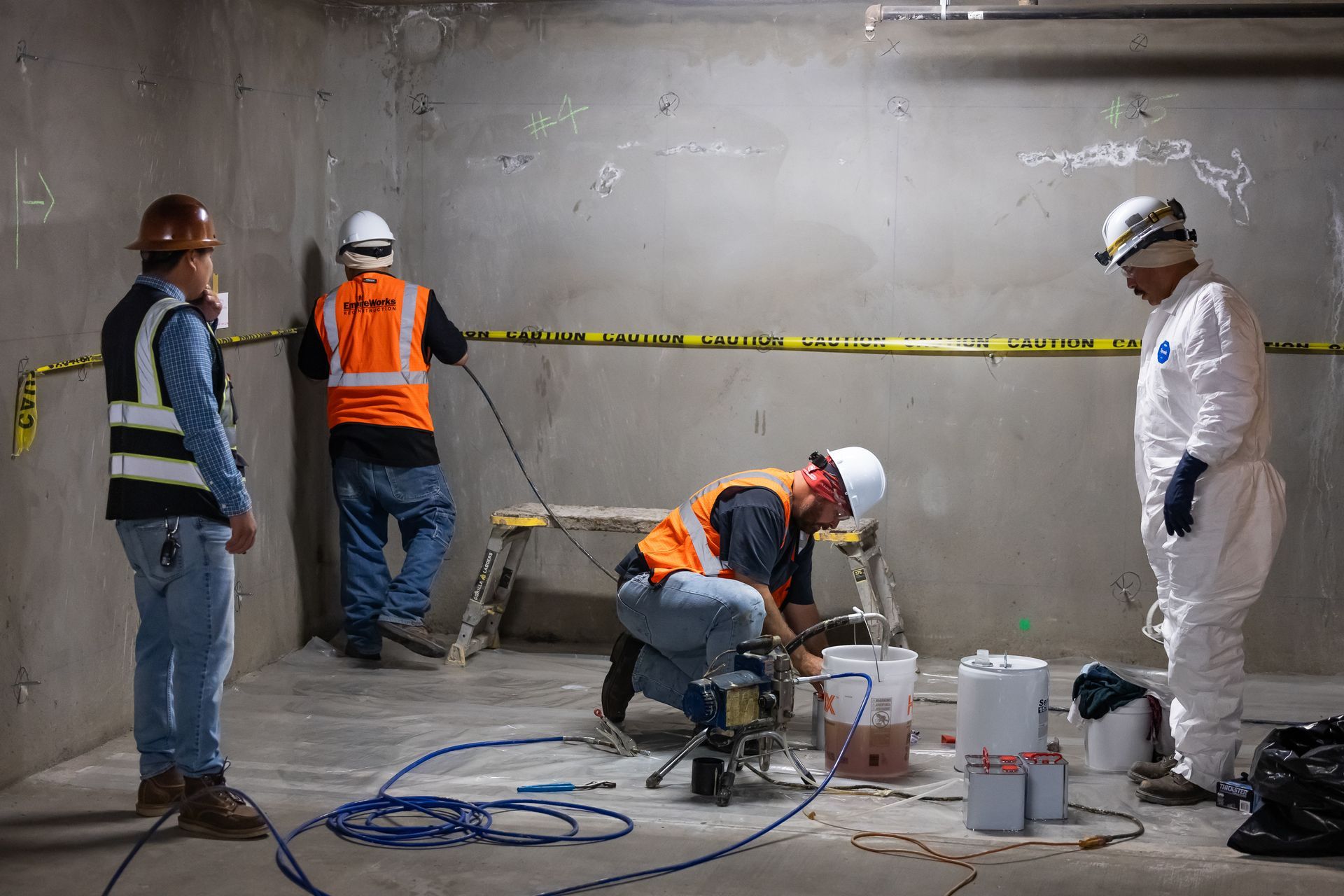
They coordinate them. They get bids, hire contractors, and oversee the work the board approves. That is where a restoration contractor like EmpireWorks often works with them.
The HOA manager plays a crucial role in keeping our communities running smoothly. They handle everything from money matters to maintenance and mediate any issues that arise, ensuring our neighborhoods are beautiful and harmonious. It's a challenging job but incredibly important for maintaining the quality of life in our communities. Recognizing the value of their work can lead to better cooperation and a stronger, more vibrant community. Let's appreciate the hard work of our HOA managers, as they are key to making our neighborhoods places we're proud to call home.