What to Expect from an SB 326 and SB 721 Balcony Inspection with EmpireWorks
May 12, 2023
If you live in a condominium, apartment, or any other multi-family building in California, it's important to be aware of the upcoming
SB 326 inspection
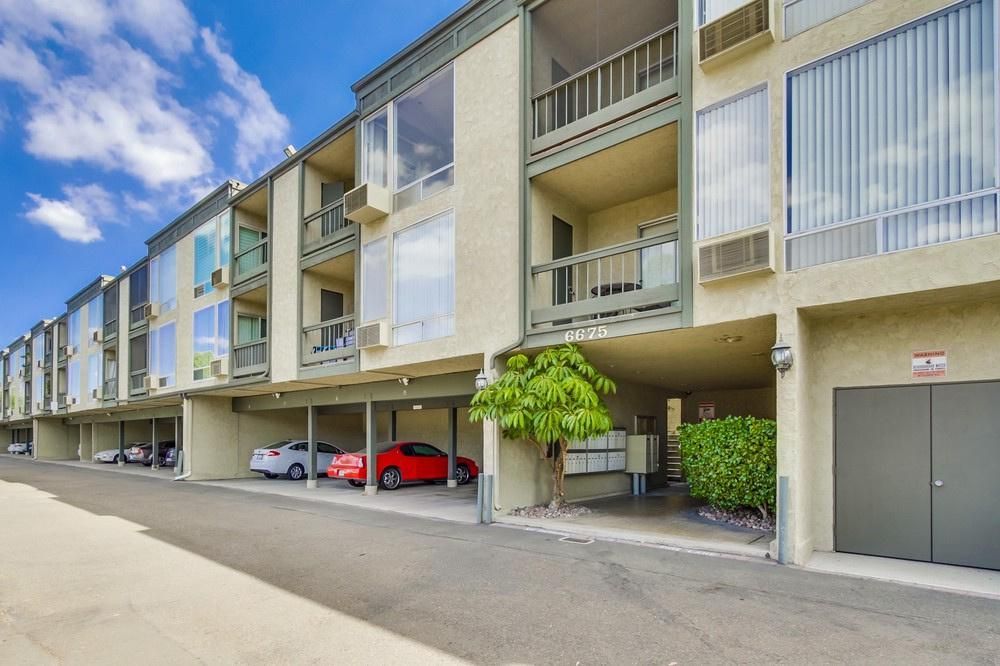
requirements. Senate Bill 326, also known as the Balcony Bill, was passed in 2018 after a tragic balcony collapse in Berkeley that claimed six lives. The bill requires inspections of exterior elevated elements, such as balconies, decks, and walkways, to ensure they are safe for use. Here's what you can expect during your SB 326 inspection.
Pre-Inspection Notice
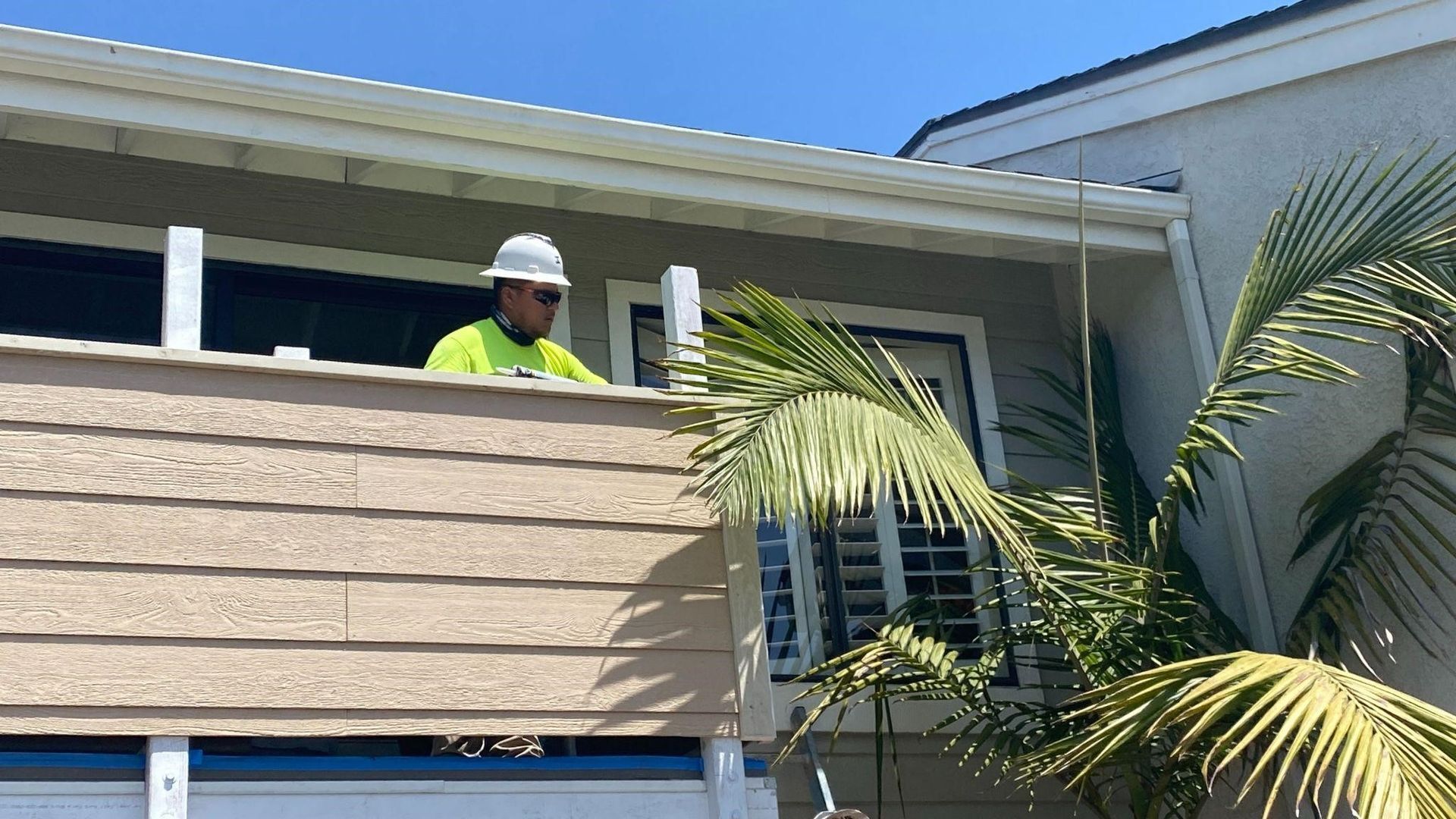
Before your inspection, you will receive a notice from your property manager or EmpireWorks about the scheduled date and time. The notice should also include a list of items to be inspected, such as railings, supports, waterproofing, and any other exterior elevated elements. You may also be asked to provide access to your unit if necessary.
Inspection Process
During the inspection, the inspector will examine the “EEEs” exterior elevated elements to ensure they are up to code and free from defects. The inspector will also check for signs of water intrusion, decay, and damage caused by weather, wear and tear, or misuse. Our inspector will use a variety of tools and equipment, such as moisture meters and probes, to test the integrity of the materials and structure.
Inspection Report
After the inspection, we will provide a report outlining the findings, including any deficiencies or issues that need to be addressed. The report will also include recommendations for repairs or replacements, if necessary, and a timeline for completing the work. The inspection report is a valuable tool for property managers and homeowners to identify potential safety hazards and plan for necessary repairs or maintenance.
Repairs and Follow-Up Inspections
If any deficiencies are found during the inspection, repairs will be reported at no additional cost and in some cases may need to be made to ensure the safety of the elevated elements. We will provide the repair scope of work and prioritize it for the community in order of severity in order to work with the communities repair budget. Once the repairs are completed, a follow-up inspection will be scheduled if needed to ensure that the work has been done correctly and that the elevated elements are now safe for use.
Conclusion
In conclusion, SB 326 and SB 721 inspections are an essential step in ensuring the safety of multi-family buildings in California. By being aware of what to expect during the inspection process, homeowners and property managers can prepare for necessary repairs and maintenance and ensure the safety of their residents. If you have any questions about SB 326 or 721 inspections or need to schedule an inspection contact us today.
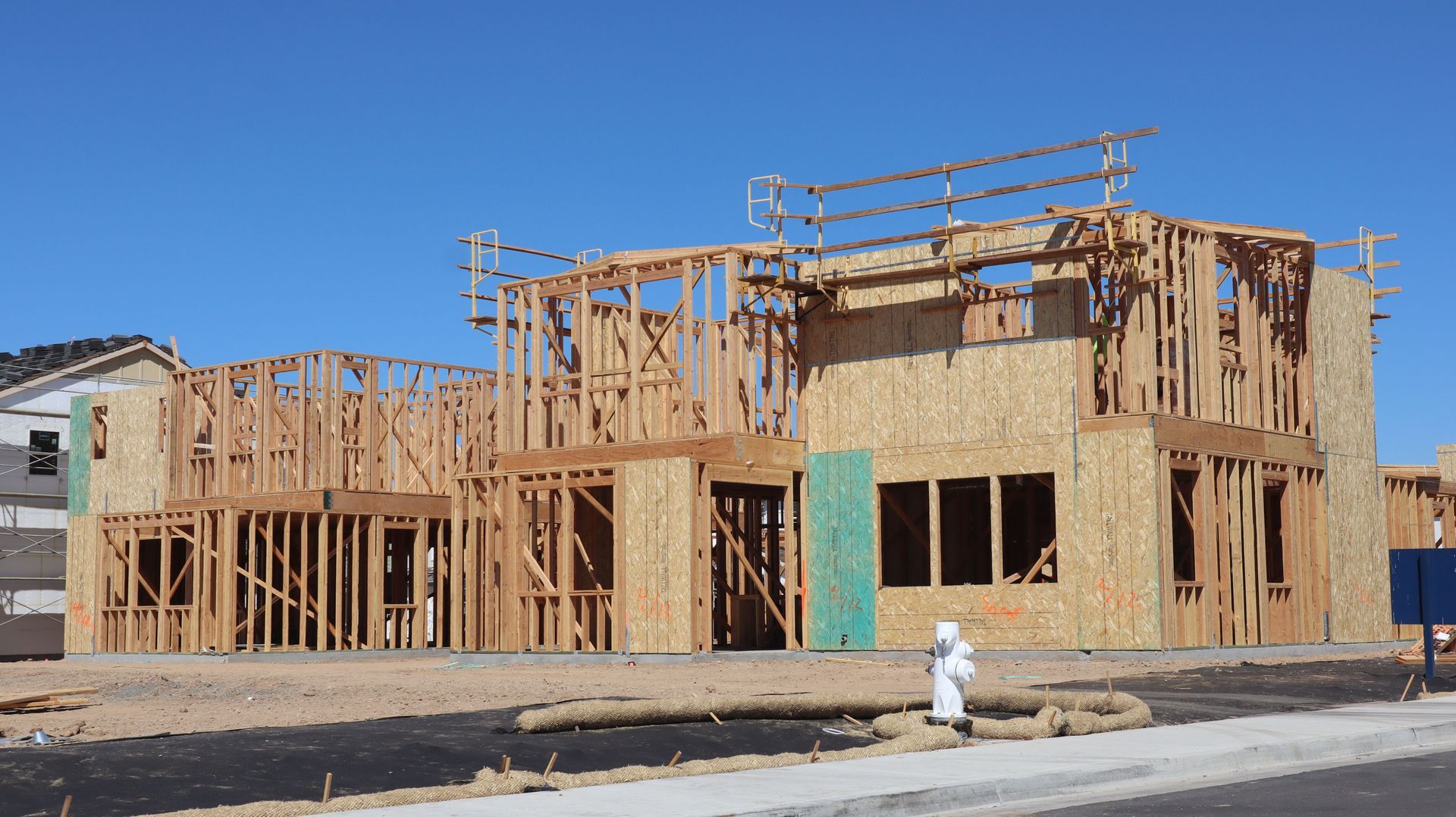
New construction builds from nothing. Reconstruction repairs and rebuilds what is already standing, usually with residents still living in it. This guide explains the difference in plain terms, what it means for HOA and multifamily properties, and how to tell which one your project is. EmpireWorks has completed 10,000+ reconstruction projects across six states.
HOA budget season is here. This HOA budget planning guide shows community managers how to scope exterior maintenance projects, price them accurately, and defend the numbers to the board. EmpireWorks has completed 10,000+ reconstruction projects across six states. Request a no-cost budget estimate for your 2027 projects

NRS 116.3113 sets the insurance your Nevada association must carry: property coverage on common elements, liability, and crime insurance. This guide covers Nevada HOA insurance requirements, deductible allocation, association vs owner policies, and how coverage shapes storm and damage repairs.
Facing the NRS Chapter 40 construction defect process in Nevada? This guide walks HOA and multifamily boards through the Chapter 40 Notice of Defect, the contractor’s right to repair, response timelines, and mediation, and how repair scoping strengthens an HOA defect claim in Nevada.
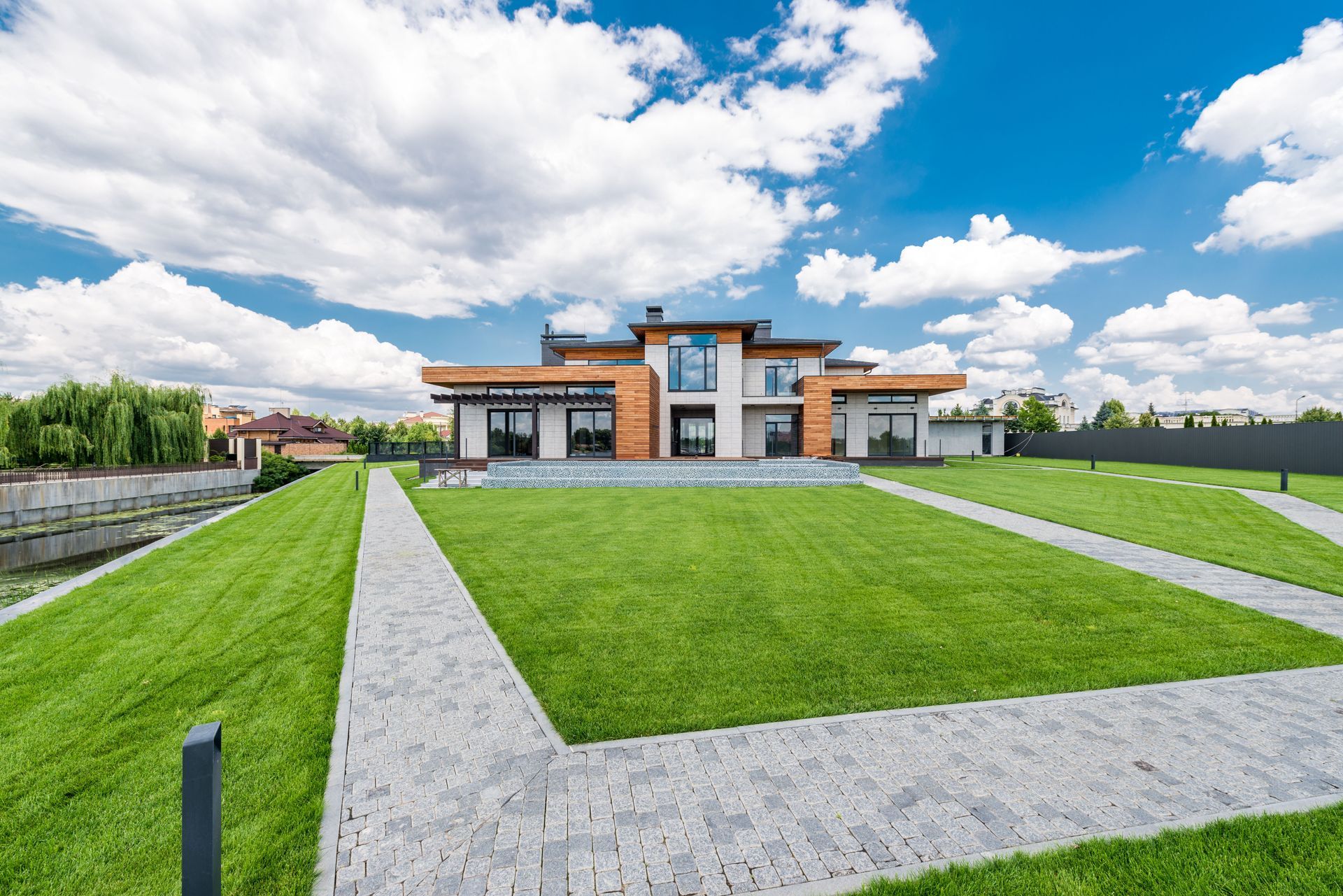
AB 356 requires Nevada HOAs to remove non-functional turf in the SNWA service area before the 2027 deadline. This guide covers which HOA areas qualify, the non-functional turf removal deadline, SNWA rebates, reserve study implications, and sequencing turf conversion with your exterior capital projects.
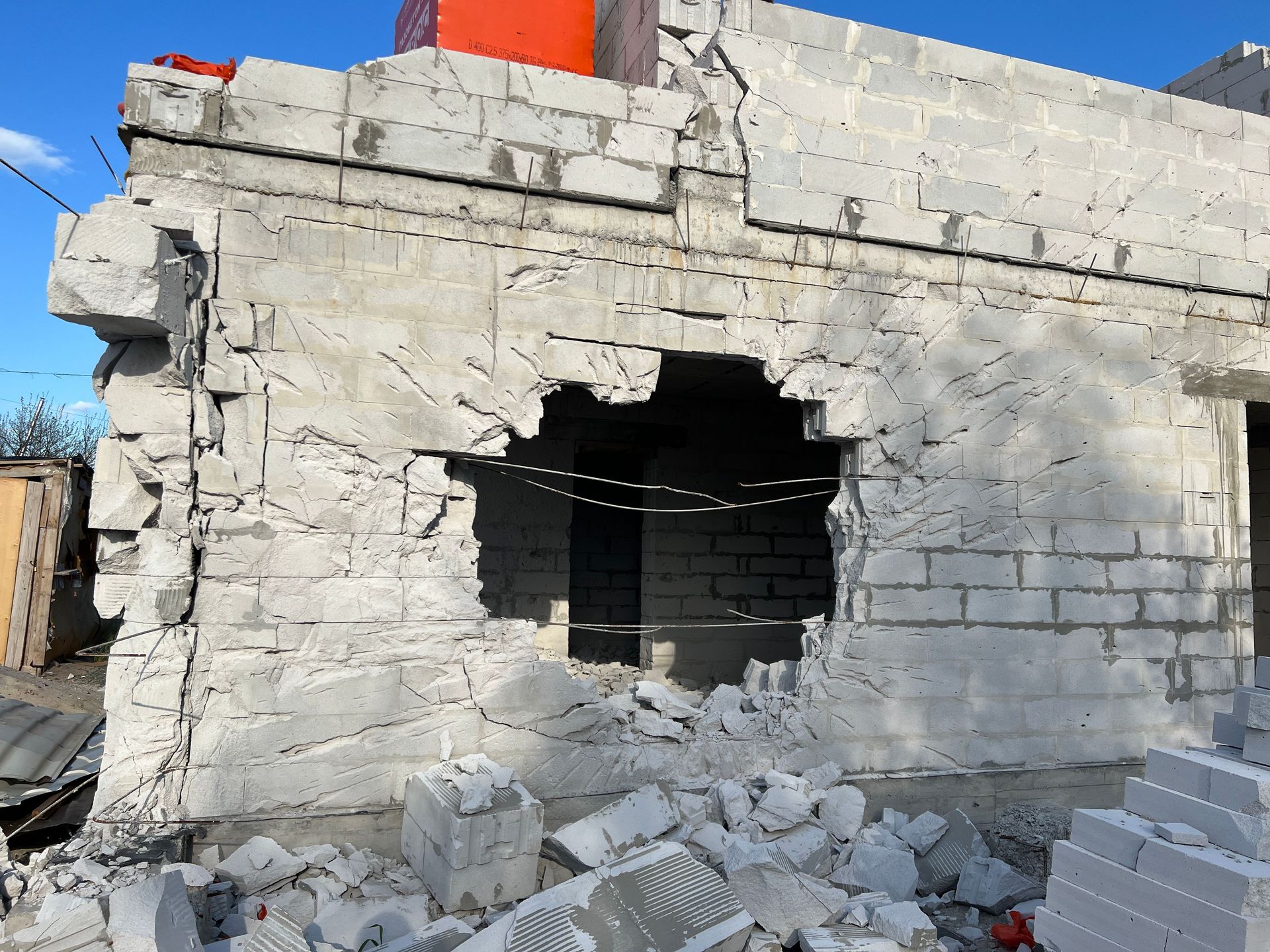
A car hit your block wall in Arizona? Here is exactly what to do first, how to document the damage, who usually pays, and how to get the wall repaired. EmpireWorks handles emergency and permanent block wall repair for Arizona homeowners, HOAs, and communities. Request an assessment today.
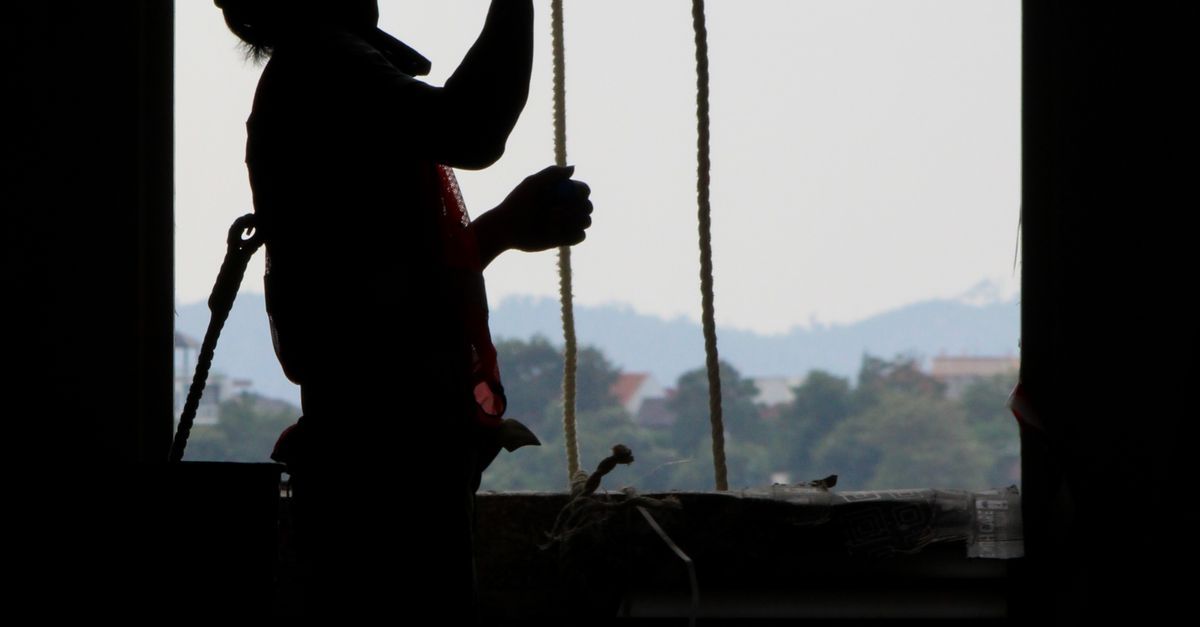
Arizona heat safety rules changed in 2026. EmpireWorks explains the updated ADOSH Heat SEP and what Phoenix property managers should require from contractors. Plan safe summer work with us.
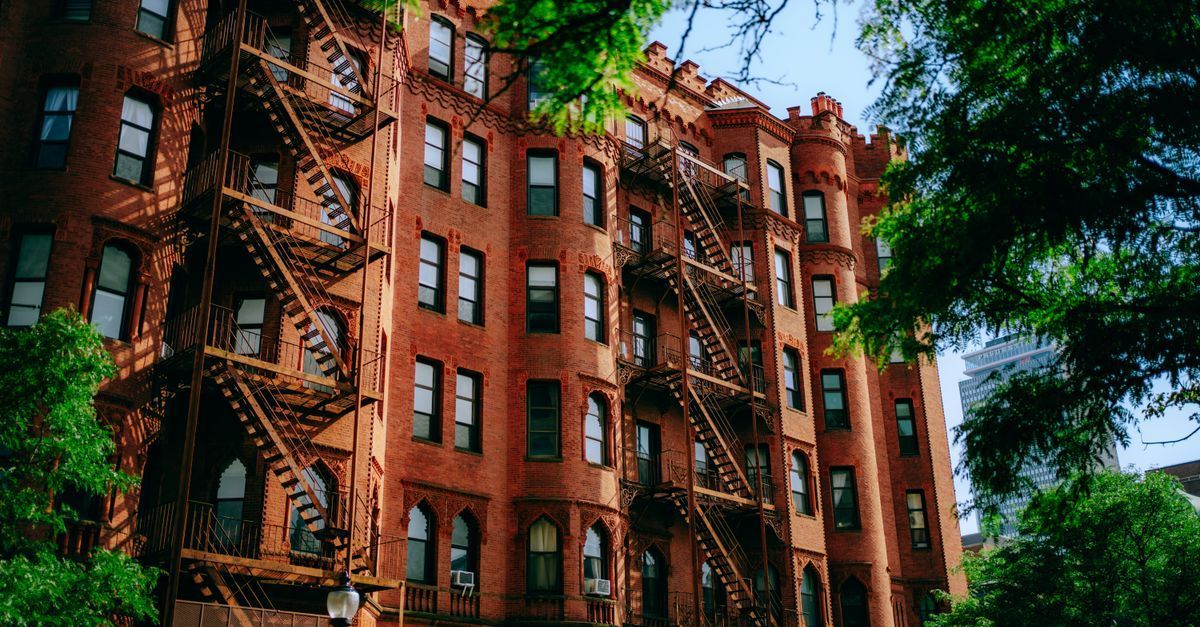
Repainting a pre-1978 building in Phoenix or Tucson? EmpireWorks explains EPA RRP rule certification, containment, and board liability for Arizona communities. Verify your contractor today.
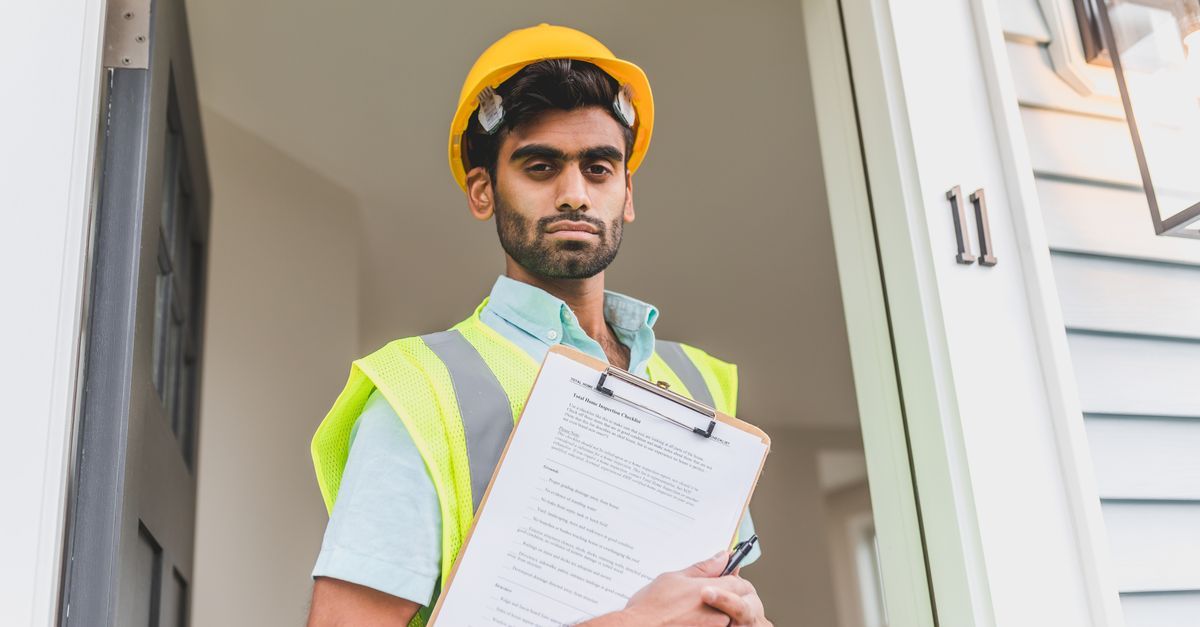
Run an Arizona ROC license lookup before signing. EmpireWorks shows Phoenix HOA and property managers how to verify CR-34 licenses, bonds, and Recovery Fund coverage. Get a qualified bid today.
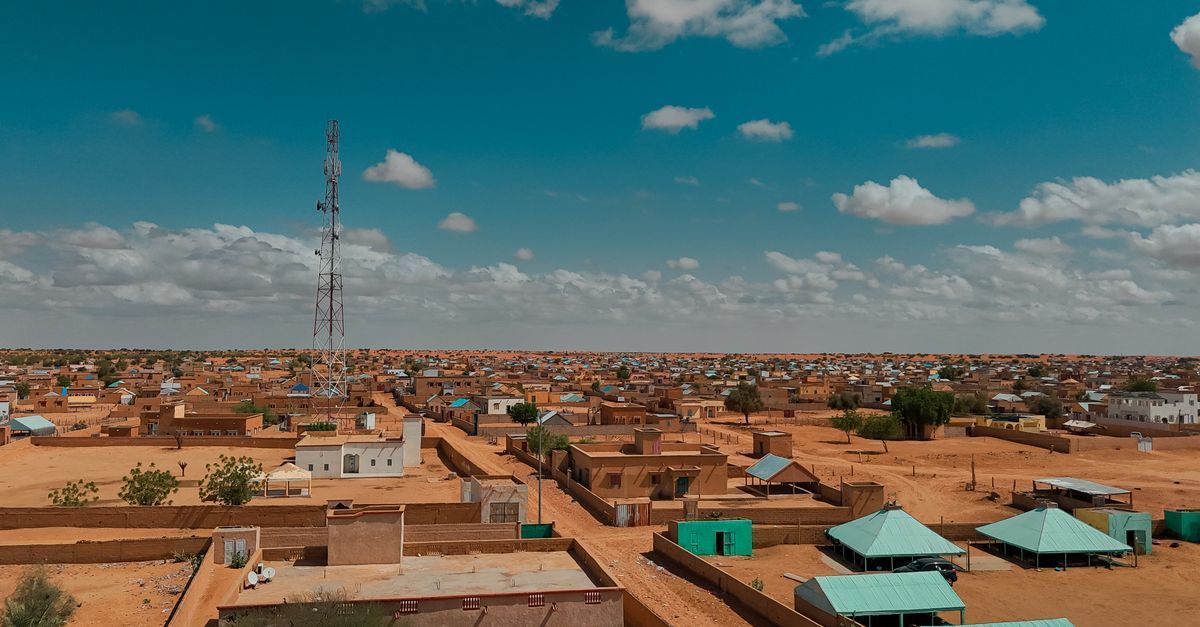
Arizona reserve study requirements explained for Phoenix HOA boards: ARS 33-1806 disclosure, the new HB 2397 rules, and fiduciary duty. Trusted by Arizona boards. Plan your next project with EmpireWorks.