SB-326 Inspection Deadlines: What You Need to Know About Compliance and Extensions
December 18, 2024

California Senate Bill 326 (SB-326) requires multi-family property owners and Homeowner Associations (HOAs) to inspect Exterior Elevated Elements (EEEs), such as balconies, decks, and walkways, to ensure resident safety. Meeting these inspection deadlines is a serious responsibility, but property owners may wonder: what happens if you can’t comply on time? Are extensions possible?
Here’s what you need to know about the SB-326 requirements, potential options for extensions, and how EmpireWorks Reconstruction can help you navigate compliance.
Understanding SB-326 Inspection Deadlines
The inspection timelines outlined in SB-326 vary based on the age of your property and any previous inspections. The law mandates that an initial inspection is completed by January 1, 2025, and subsequent inspections are required every nine years after that. These deadlines aim to address the natural wear and tear of EEEs, identifying issues before they become safety hazards.
Unlike SB-721 (a related bill covering apartment buildings), SB-326 has yet to receive an official deadline extension. However, the law provides some flexibility for property owners facing extraordinary challenges.
Are Extensions Possible Under SB-326?
SB-326 does not include a formal process for requesting deadline extensions. However, local enforcement agencies may grant informal extensions on a case-by-case basis when circumstances make compliance particularly difficult. Common scenarios include:
- Unforeseen Circumstances : Natural disasters, fires, or other significant events that hinder timely inspections.
- Financial Hardship : If an HOA demonstrates financial constraints that temporarily make compliance unfeasible.
- Substantial Progress : Showing evidence of good-faith efforts toward compliance, such as obtaining repair bids or scheduling inspections.
If you believe your property qualifies for an extension, it’s essential to work closely with local enforcement agencies and provide thorough documentation of your situation.
The Risks of Waiting to Comply
While some flexibility may exist, delaying inspections under SB-326 is not advisable. Inspector availability is limited, and non-compliance can lead to serious consequences, including fines, legal liabilities, and increased safety risks for residents. Acting now ensures your property remains safe and avoids penalties down the road.
How EmpireWorks Helps You Navigate SB-326 Compliance
EmpireWorks Reconstruction has been a trusted partner for property managers and HOAs across California, specializing in SB-326 compliance. We make the process straightforward by offering:
- Thorough Inspections : Our team of qualified professionals provides detailed reports on the condition of your EEEs, highlighting any necessary repairs.
- Complete Repair Services : From waterproofing to structural repairs, we handle all aspects of maintaining and restoring your elevated elements.
- Proactive Guidance : Unsure about compliance timelines or documentation requirements? We’re here to answer your questions and provide actionable solutions.
- Dedicated Project Management : Each project is assigned a manager who ensures clear communication and timely completion, giving you peace of mind.
For property owners and HOAs who want to get started right away, we also provide resources like our SB-326 Cheatsheet, a quick reference guide for deadlines and compliance requirements.
Contact EmpireWorks Today for Expert Support
Don’t let the SB-326 deadline catch you off guard. EmpireWorks Reconstruction is here to help you meet your obligations, safeguard your property, and ensure the safety of your residents. Whether you need inspections, repairs, or guidance on compliance, we’ve got you covered.
Call us today at (888) 278-8200
or visit our
website
to schedule a consultation. Let’s ensure your property is safe, compliant, and ready for the future.
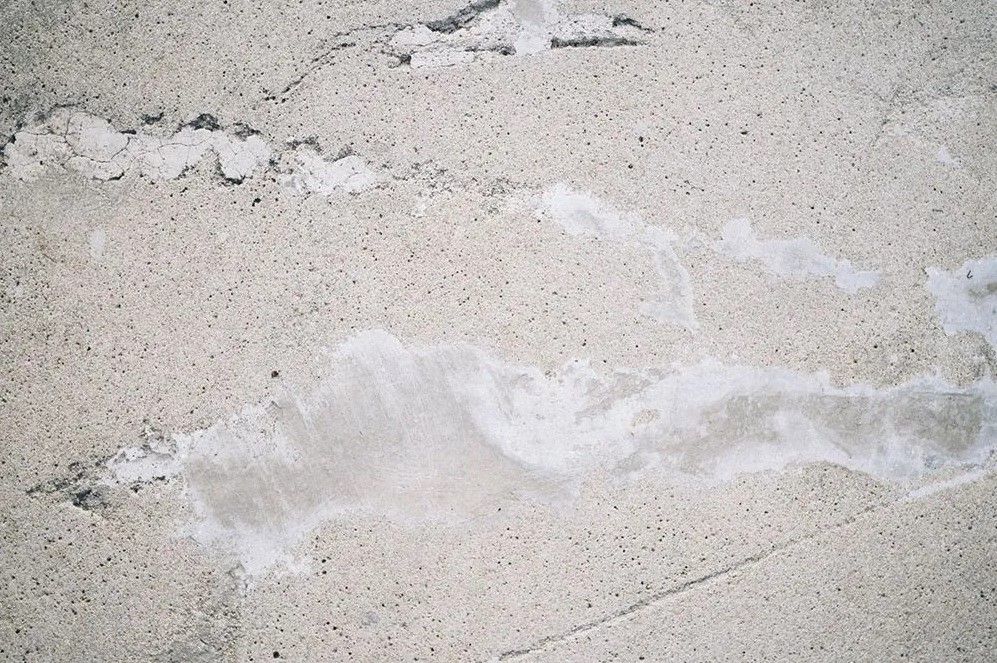
HOA construction defect repair often starts with these seven warning signs. This listicle helps HOA boards and property managers recognize when a defect assessment should come before major reconstruction. Trusted by HOA boards nationwide.
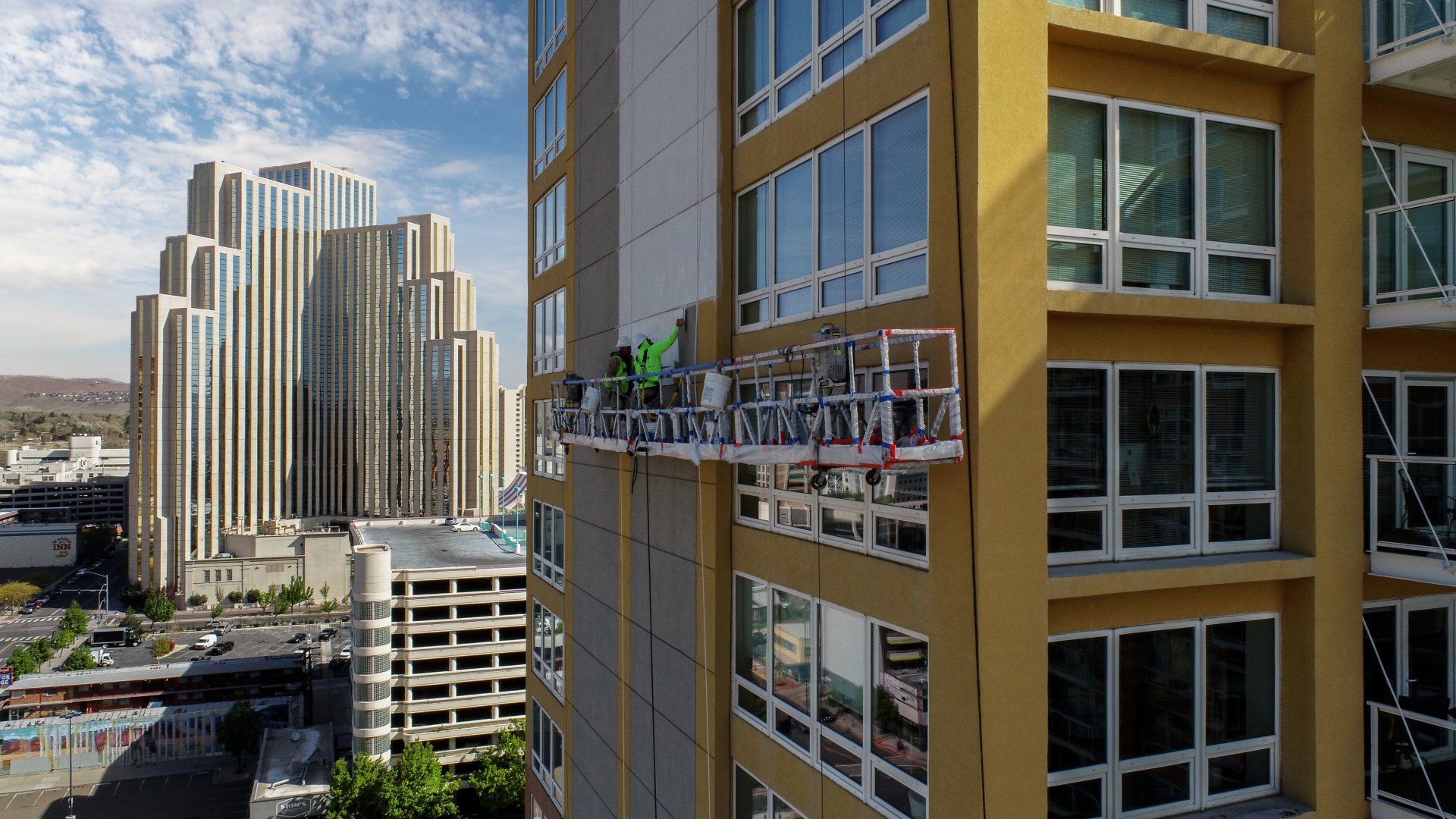
Florida milestone inspection requirements for condo boards: which buildings qualify, Phase 1 and 2 deadlines, owner notices and the 365-day repair rule.
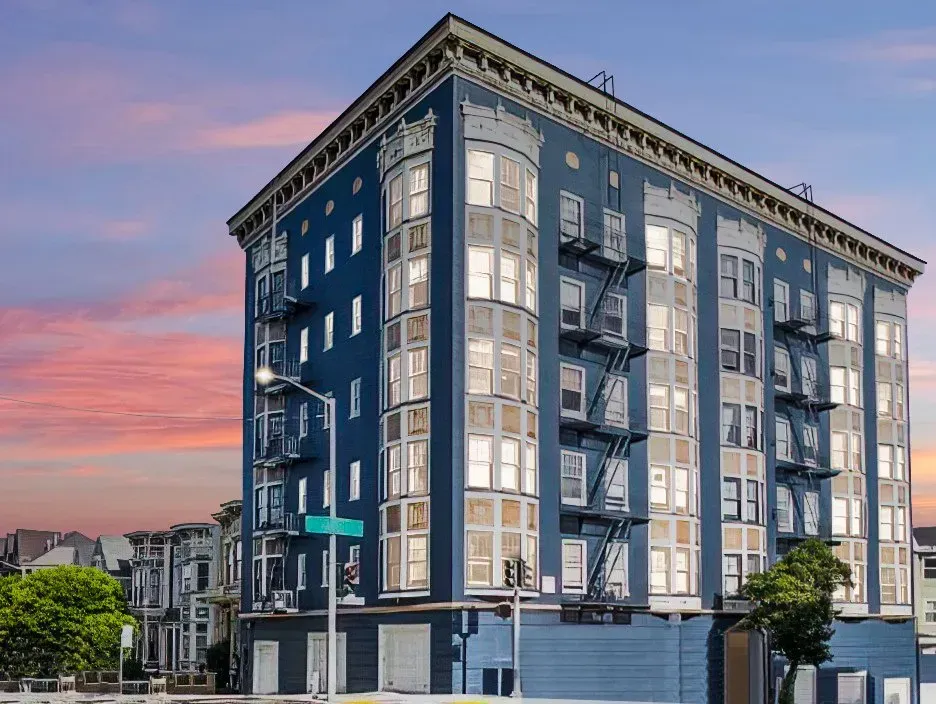
Planning HOA reconstruction services for an aging condo community? This guide covers multi-building project phasing, occupied community management, and bundling amenity upgrades with restoration. Trusted by HOA boards nationwide.
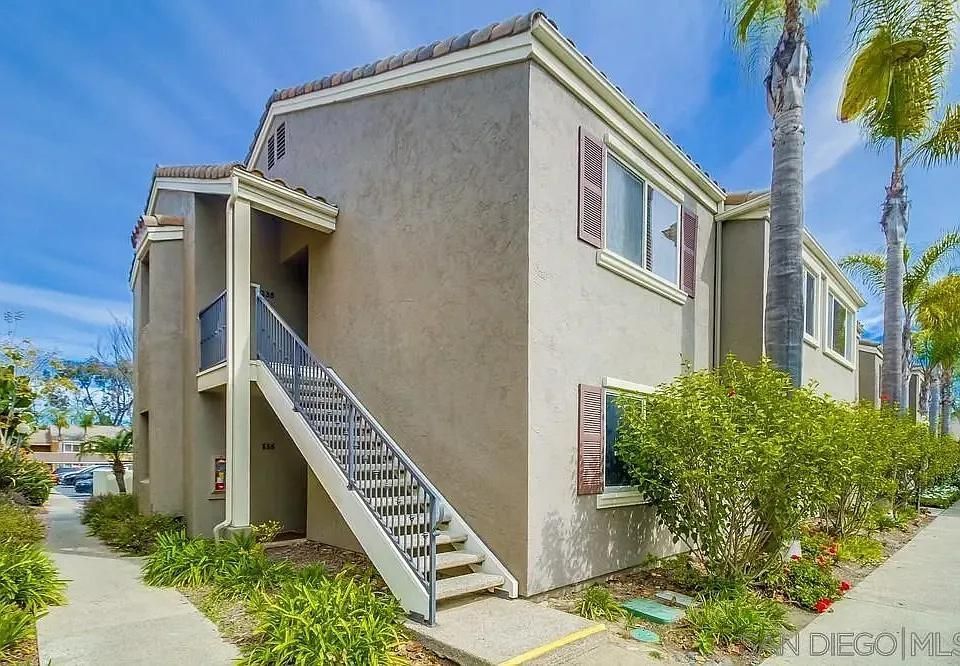
Contractor services that bundle exterior repairs and painting under one team change how HOA and multifamily projects run. This guide explains the coordination mechanics behind a single-contractor model and why it reduces disruption. Trusted by HOA boards nationwide.
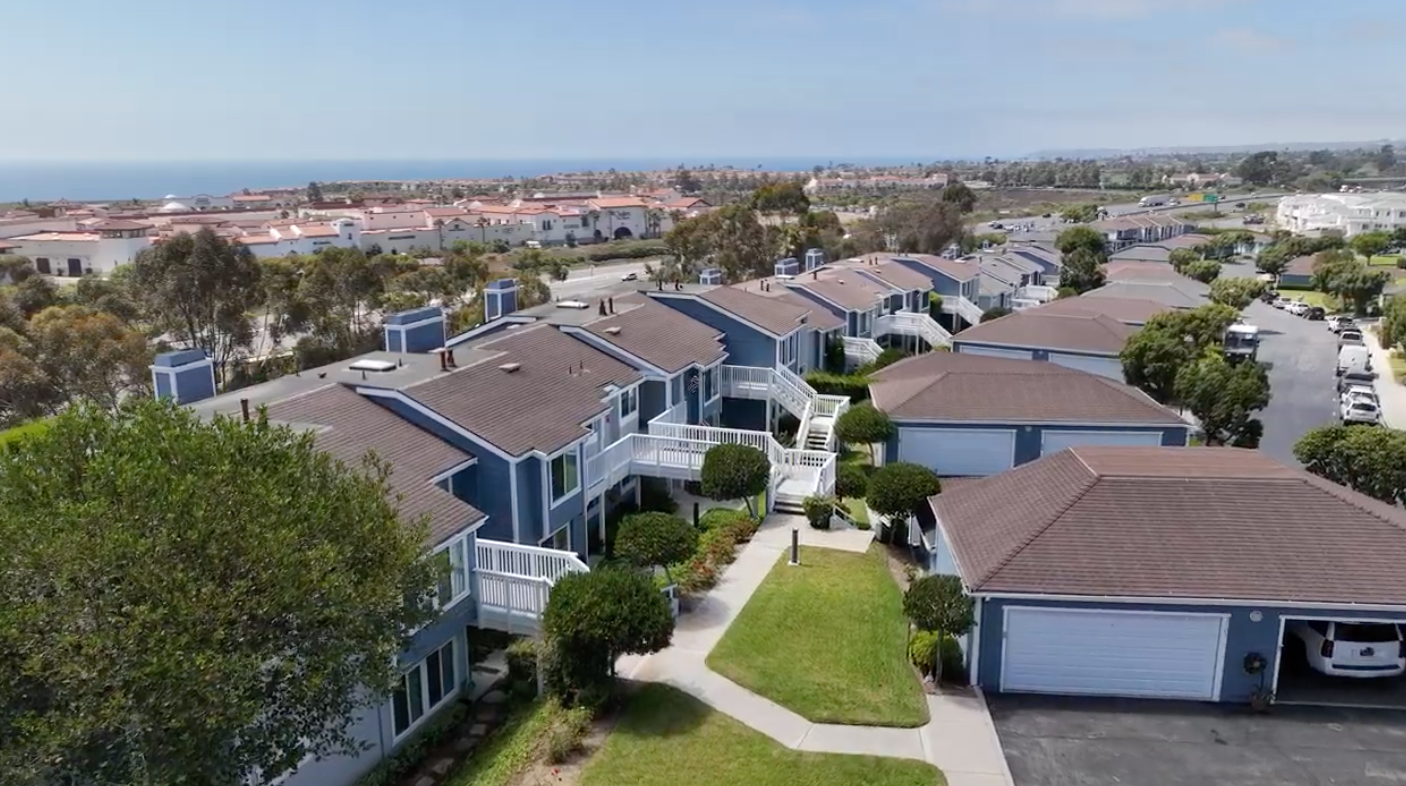
HOA reconstruction stress builds from predictable pressure points — unclear roles, resident complaints, and communication gaps. This guide shows volunteer board members how structured planning reduces the burden. Trusted by HOA boards nationwide.
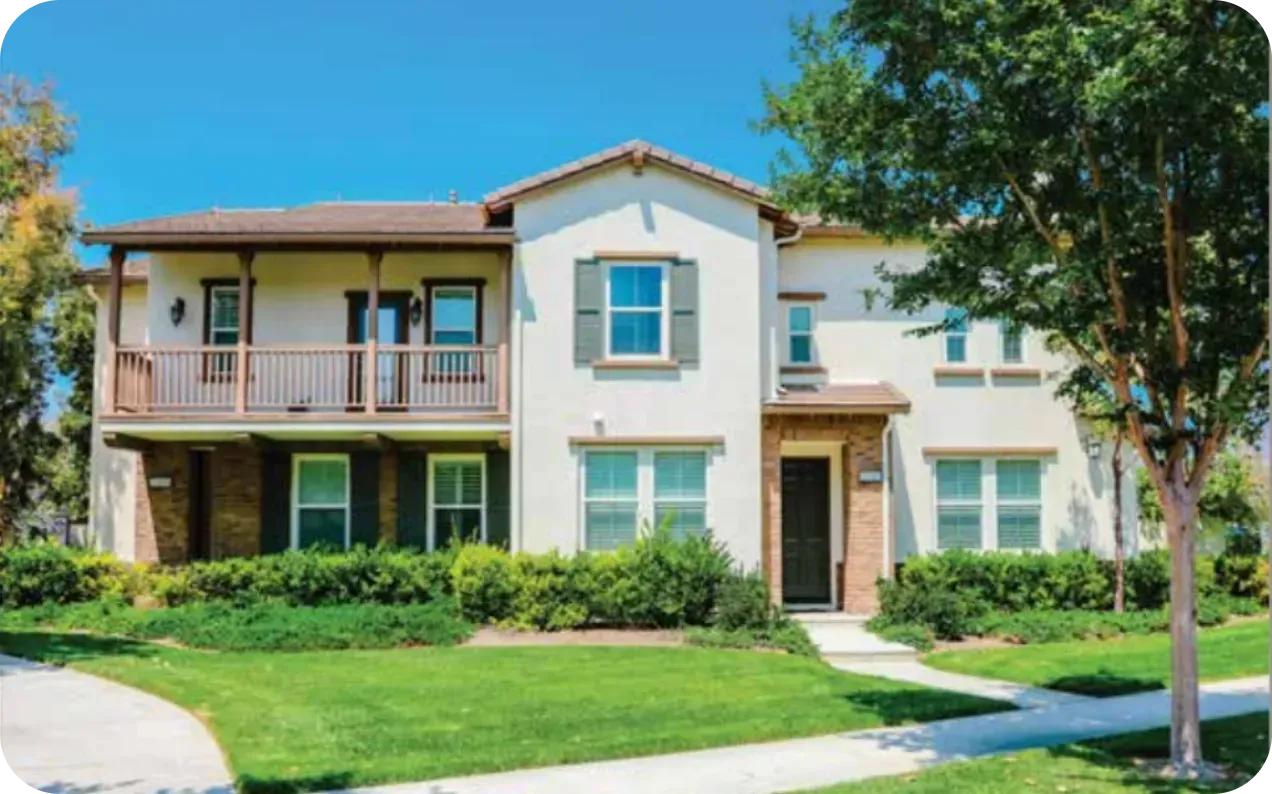
Verifying an HOA contractor before awarding a reconstruction contract means checking more than a reference list. This step-by-step guide covers credentials, project fit, and occupied-community experience. Trusted by HOA boards nationwide.
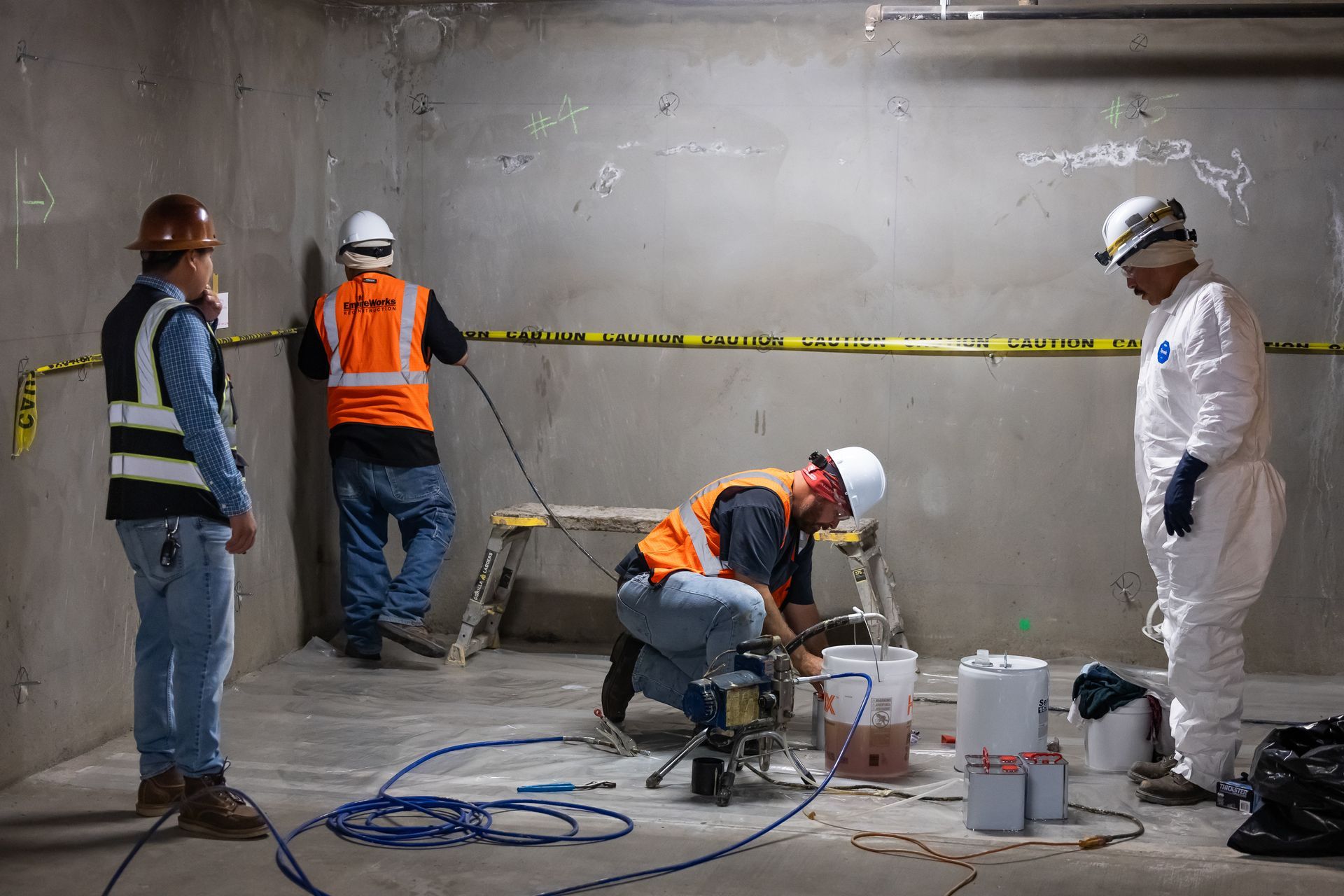
Suspect a construction defect in your HOA community? This guide covers defect assessment, statute of repose deadlines, HOA reconstruction contractor vetting, and reading contractor reviews before you commit. Trusted by HOA boards nationwide.
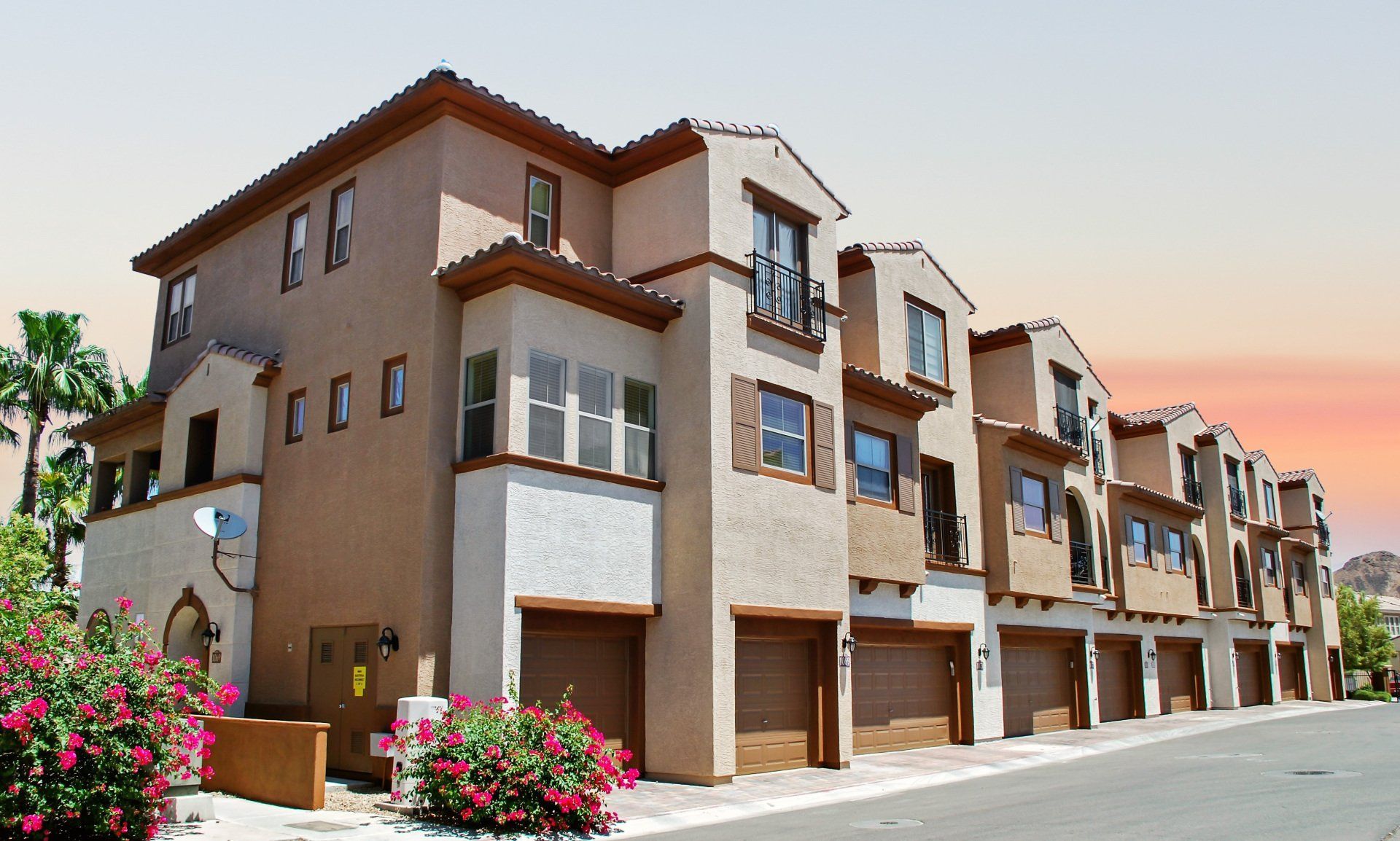
Choosing a condominium reconstruction contractor for an occupied community? This guide breaks down how to vet condo repair contractors on scope, safety, communication, and compliance. Trusted by HOA boards nationwide.

Texas Insurance Code Chapter 542 gives carriers 15 days to acknowledge a roof claim, 15 business days to accept or reject, and 5 to pay. Learn the 18% penalty, 61-day pre-suit notice, why roofers can't adjust claims, and why no one waives your deductible. EmpireWorks documents storm damage. Request a roof assessment.
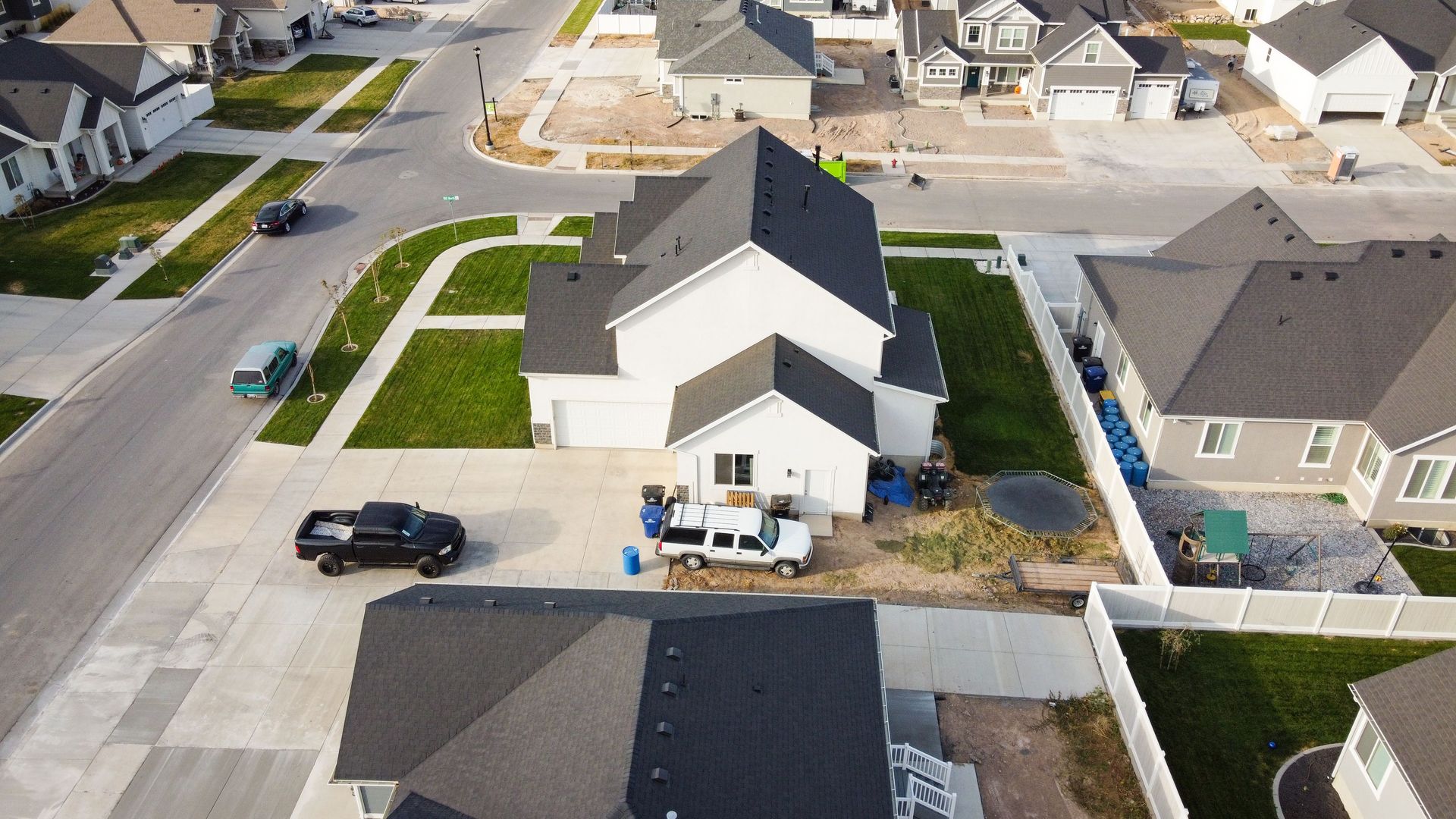
Texas Property Code Sec. 209.0052 requires HOAs to bid service contracts over $50,000. Learn interested-party contract conditions, open meeting rules on emergency assessments, solar provisions HOAs can't override, and why Chapter 209 skips condos. EmpireWorks builds a roofing scope worth bidding. Request an assessment.