Signs Your HOA Property Needs Waterproofing
December 26, 2024

Water damage is one of the leading causes of property loss. As reported by
Policygenius
, it accounts for nearly 20% of all homeowners insurance claims. For Homeowners Association (HOA) properties, the stakes are even higher, as multiple residences can be affected by a single incident. Recognizing the early signs that your HOA property needs waterproofing is crucial to prevent extensive damage and costly repairs.
Visible Indicators of Water Damage
Water damage often reveals itself through noticeable changes to your property’s surfaces. Recognizing these signs early can prevent extensive structural damage and costly repairs. Let’s explore the common visual indicators of water intrusion and what they mean for your HOA property.
Water Stains on Walls and Ceilings
Brown or yellowish marks on walls and ceilings are among the most common signs of water damage. These stains signal moisture has infiltrated the structure, often due to leaks in roofs, pipes, or external walls.
- Where to Look :
- Check hallways, basements, and common areas, especially near windows or rooflines.
- Inspect ceilings under bathrooms or kitchens for stains caused by plumbing leaks.
- Possible Causes :
- Roof leaks from damaged shingles or flashing.
- Plumbing failures or burst pipes.
- Gutter overflow directing water toward walls.
Peeling Paint and Blistering Coatings
When water becomes trapped behind painted surfaces or coatings, it causes bubbling, flaking, or peeling. This doesn’t just affect the appearance of your property—it’s a sign that moisture is compromising the building materials beneath the surface.
- Signs to Note :
- Blisters or bubbles forming under paint.
- Paint peeling away in strips or patches.
- Possible Causes :
- Exterior walls are exposed to rain without proper waterproofing.
- Interior walls near bathrooms, kitchens, or basements.
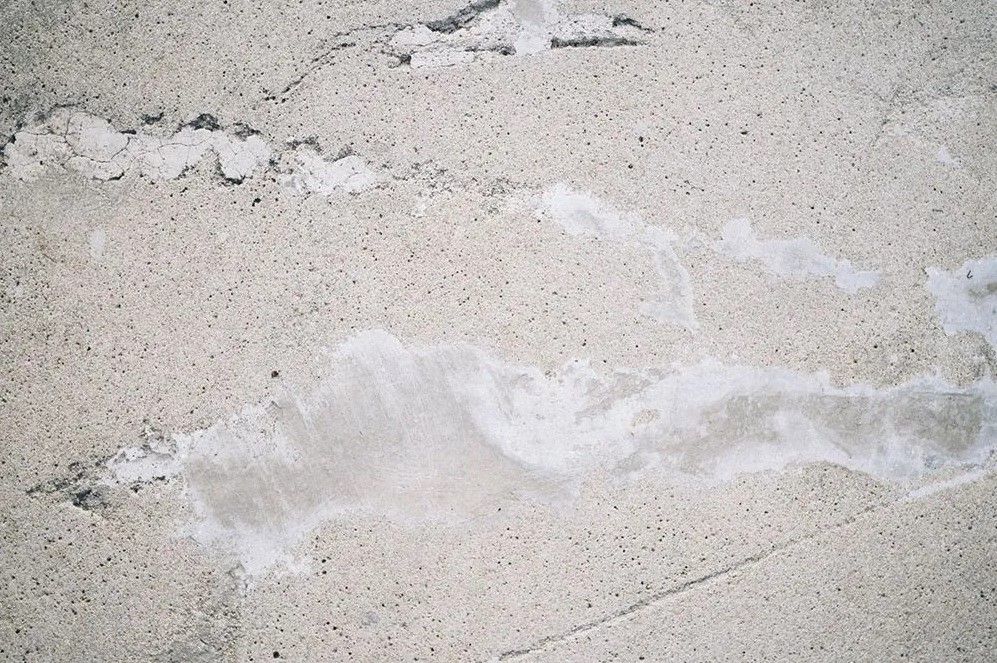
Efflorescence: The White Chalky Residue
Efflorescence occurs when water evaporates from masonry or concrete, leaving behind salts and minerals. It is not just cosmetic—it indicates ongoing water movement that can weaken the structural integrity of your masonry over time.
While it may seem harmless, this chalky residue is a warning that water is penetrating the material.
- How to Identify :
- White or light grey powdery deposits on bricks, stone, or concrete.
- Often found in basements, retaining walls, or exterior masonry.
- Underlying Issues :
- Poor drainage systems or clogged gutters.
- Missing or failed waterproofing membranes.
Structural Red Flags
Structural issues caused by water damage can escalate into safety concerns if not addressed promptly. These problems often indicate that moisture has penetrated deep into the building’s framework, requiring immediate attention.
Cracks in Walls, Floors, and Foundations
Cracks in the structure are among the most evident signs of water damage. Unattended cracks can grow over time, compromising the structural stability and increasing repair costs. Even small fissures can allow water to seep in, gradually weakening the property’s foundation.
- What to Watch For :
- Vertical or diagonal cracks in interior and exterior walls.
- Hairline cracks in flooring or pavement.
- Widening cracks around window and door frames.
- Potential Causes :
- Settling of the building due to water-saturated soil.
- Expansion and contraction from freeze-thaw cycles.
Bowed Walls
Bowing walls occur when excessive moisture in the soil exerts hydrostatic pressure on the property’s foundation. It can threaten the overall safety of the building, as it can lead to collapse if the pressure remains unaddressed. This is a severe issue that requires immediate professional intervention.
- Key Indicators :
- Walls that curve inward, especially in basements or retaining walls.
- Cracks along the length of the wall, often horizontal or stair-stepped.
- Contributing Factors :
- Poor drainage systems around the property.
- Heavy rainfall or flooding that can increase soil saturation.
Warped Doors and Window Frames
Doors and windows that no longer fit properly are often a result of moisture-related swelling in wooden frames. This signals that water infiltration has been a persistent issue. Warped frames can lead to energy inefficiency, pest intrusion, and further structural damage if not repaired.
- Signs to Identify :
- Doors that stick or are difficult to open and close.
- Gaps around window frames that weren’t present before.
- Visible warping or discoloration of wooden components.
- Common Causes :
- Water seepage from unsealed cracks around doors or windows.
- High humidity levels in poorly ventilated areas
Common Areas at Risk in HOA Properties
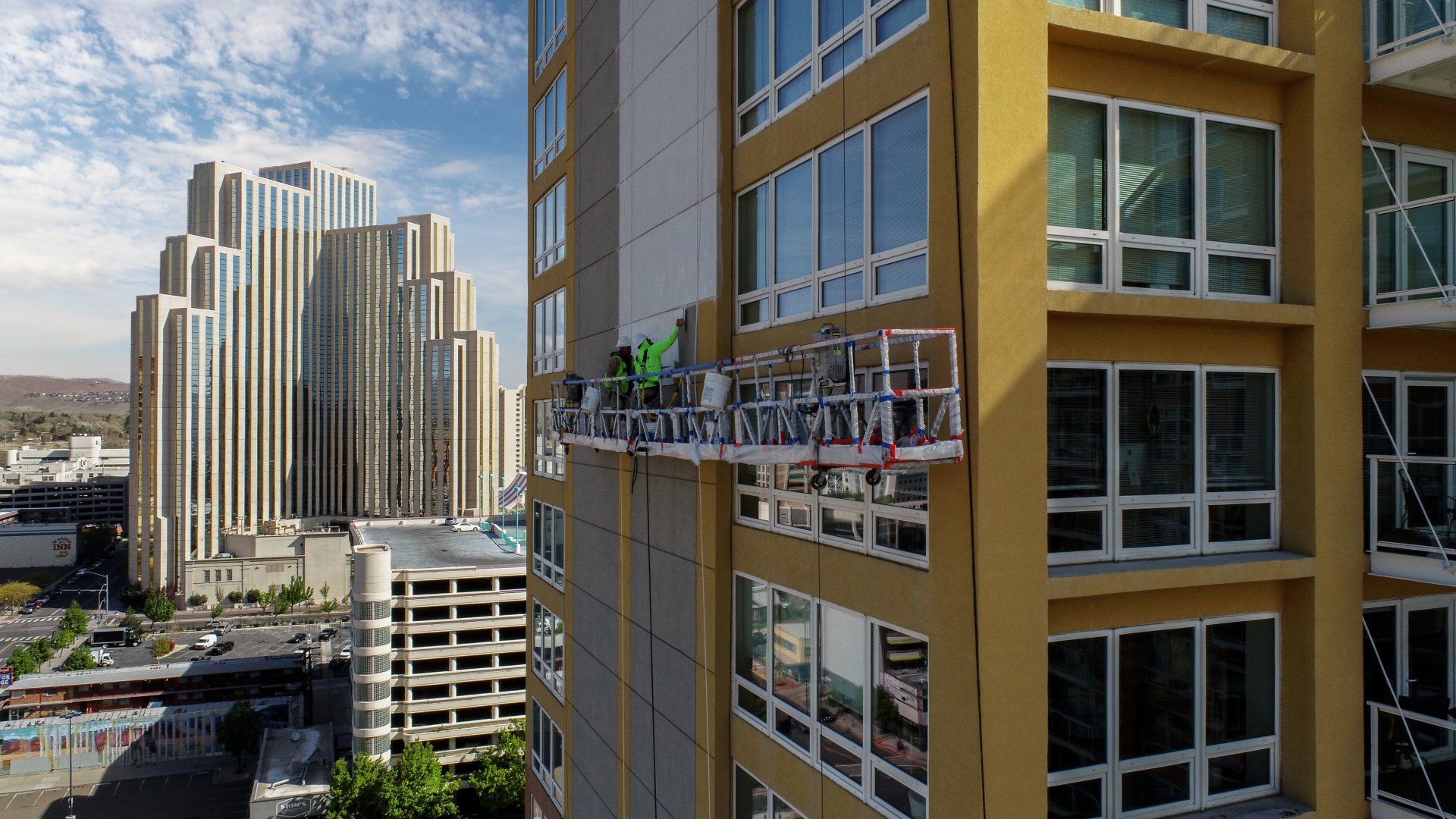
Certain areas in HOA properties are particularly susceptible to water damage due to their location, design, or exposure to the elements. Basements and underground parking lots, being below ground level, are prone to groundwater intrusion and poor drainage, often marked by puddles or damp spots that signal waterproofing failure.
Rooftops and terraces, with their flat surfaces, face significant risks of pooling water that can lead to leaks and structural degradation. Regular waterproofing is essential to keep these areas intact. Outdoor amenities like pool decks and gardens are constantly exposed to moisture, which can seep into adjacent structures without proper waterproofing and cause long-term damage to the property.
Understanding Waterproofing Solutions for HOA Properties
Effective waterproofing is tailored to the specific needs of your property and its vulnerable areas.
EmpireWorks
offers a range of
professional waterproofing services
designed to protect HOA properties from water damage and ensure long-term durability. Their team covers these critical areas:
- Decks and Balconies
- Courtyards
- Planters
- Pool Decks
- Parking Garages
- Roof Tops
Their expertise ensures that each space is thoroughly assessed and effectively protected from water intrusion, extending the lifespan of your property. By partnering with EmpireWorks, you can address water damage proactively and maintain the safety and functionality of your community.
Importance of Regular Waterproofing Maintenance
Even the most advanced waterproofing systems require consistent upkeep to remain effective. Over time, environmental factors like seasonal changes can degrade materials and weaken protection. For example, winter freezing and summer heat expansion can cause cracks in seals and membranes, making regular inspections essential to catching minor issues early.
Routine maintenance also extends the lifespan of your waterproofing systems. Proactive care not only saves on long-term repair costs but also boosts the property's overall appeal for current and prospective residents.
Partnering with Professionals for HOA Waterproofing
Waterproofing HOA properties is a complex task that requires specialized expertise. Experienced contractors who specialize in HOA projects understand the unique challenges of shared spaces, including compliance with regulations and minimizing disruptions to residents. They also bring the right tools and knowledge to address specific waterproofing needs, from choosing suitable materials to designing effective drainage systems.
Conclusion
Waterproofing might not be the most glamorous part of property maintenance, but it’s one of the most important. By keeping an eye out for the signs of water damage and partnering with professionals, you can protect your HOA property from costly repairs and ensure it remains safe and comfortable for residents. Don’t wait for minor issues to turn into major headaches—start waterproofing today.
HOA construction defect repair often starts with these seven warning signs. This listicle helps HOA boards and property managers recognize when a defect assessment should come before major reconstruction. Trusted by HOA boards nationwide.
Florida milestone inspection requirements for condo boards: which buildings qualify, Phase 1 and 2 deadlines, owner notices and the 365-day repair rule.
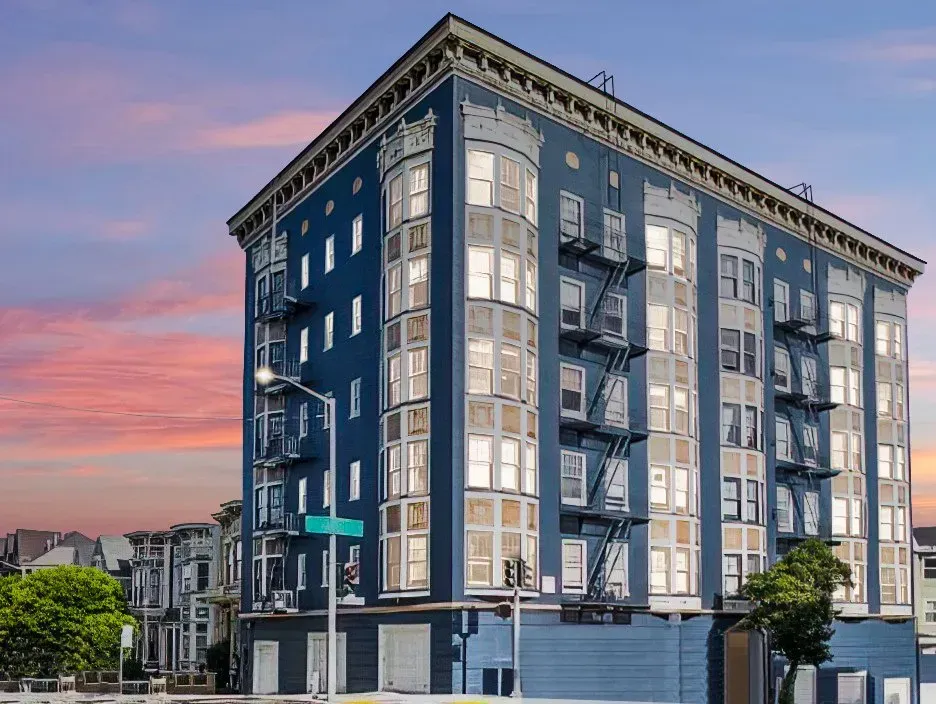
Planning HOA reconstruction services for an aging condo community? This guide covers multi-building project phasing, occupied community management, and bundling amenity upgrades with restoration. Trusted by HOA boards nationwide.
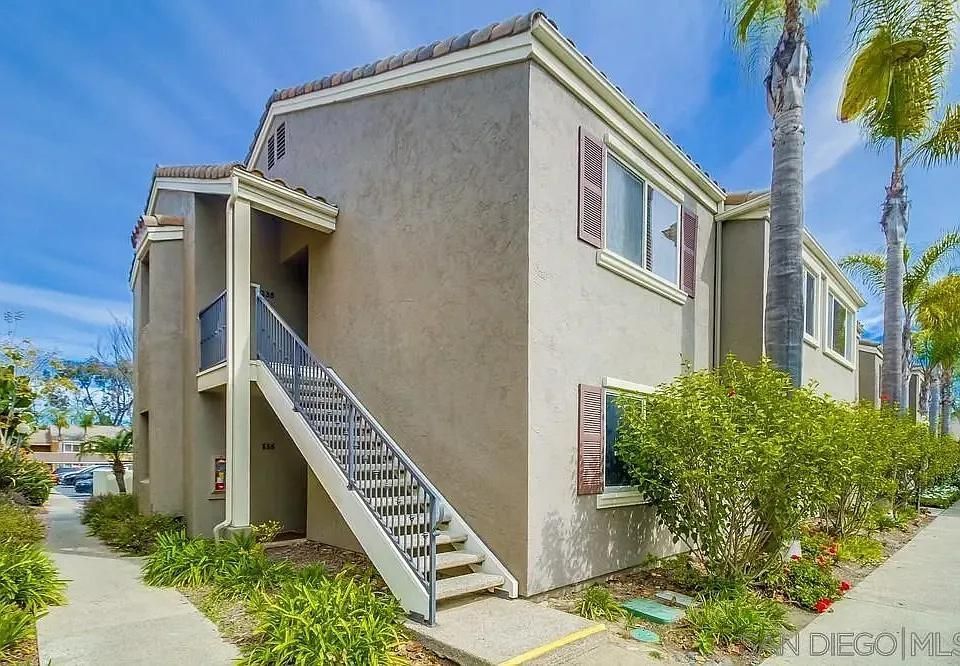
Contractor services that bundle exterior repairs and painting under one team change how HOA and multifamily projects run. This guide explains the coordination mechanics behind a single-contractor model and why it reduces disruption. Trusted by HOA boards nationwide.
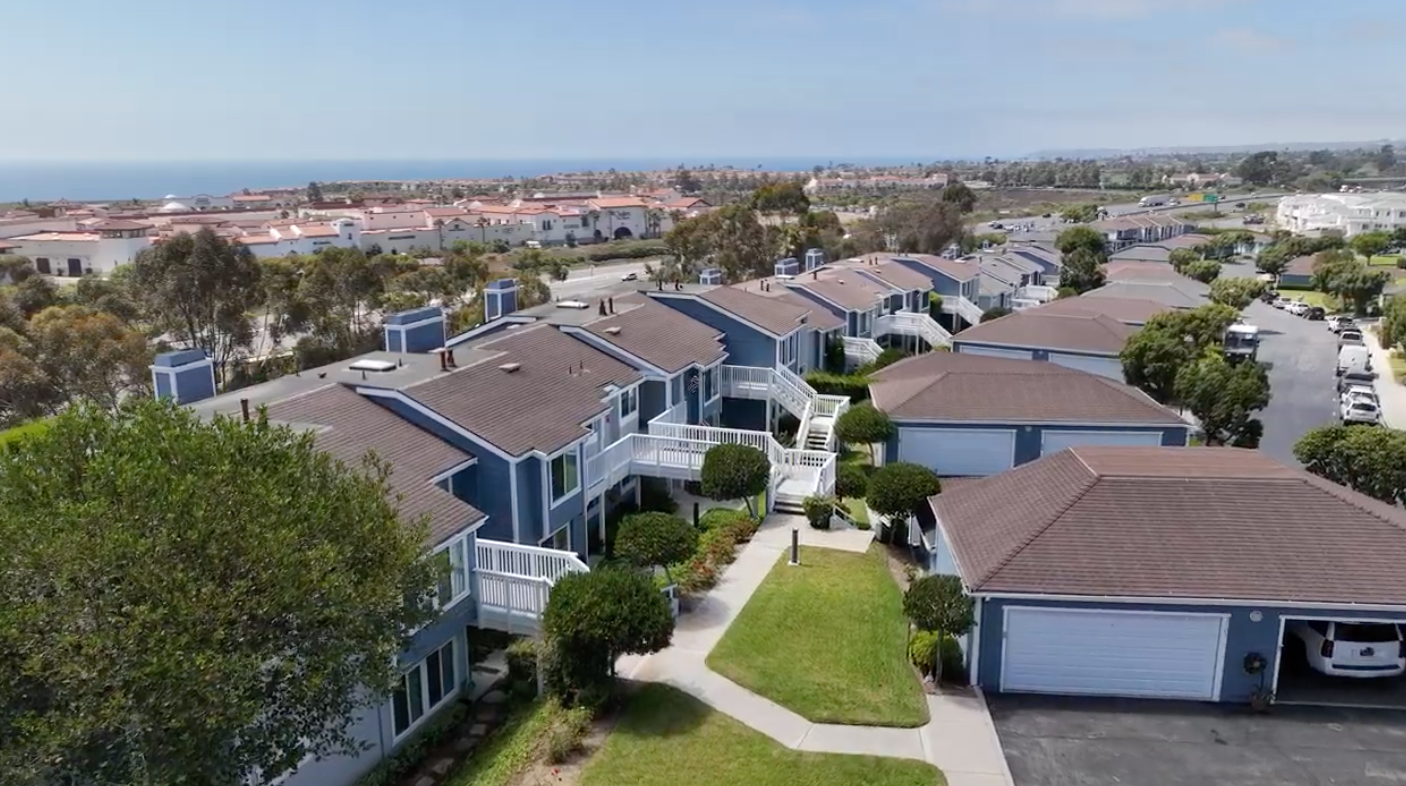
HOA reconstruction stress builds from predictable pressure points — unclear roles, resident complaints, and communication gaps. This guide shows volunteer board members how structured planning reduces the burden. Trusted by HOA boards nationwide.
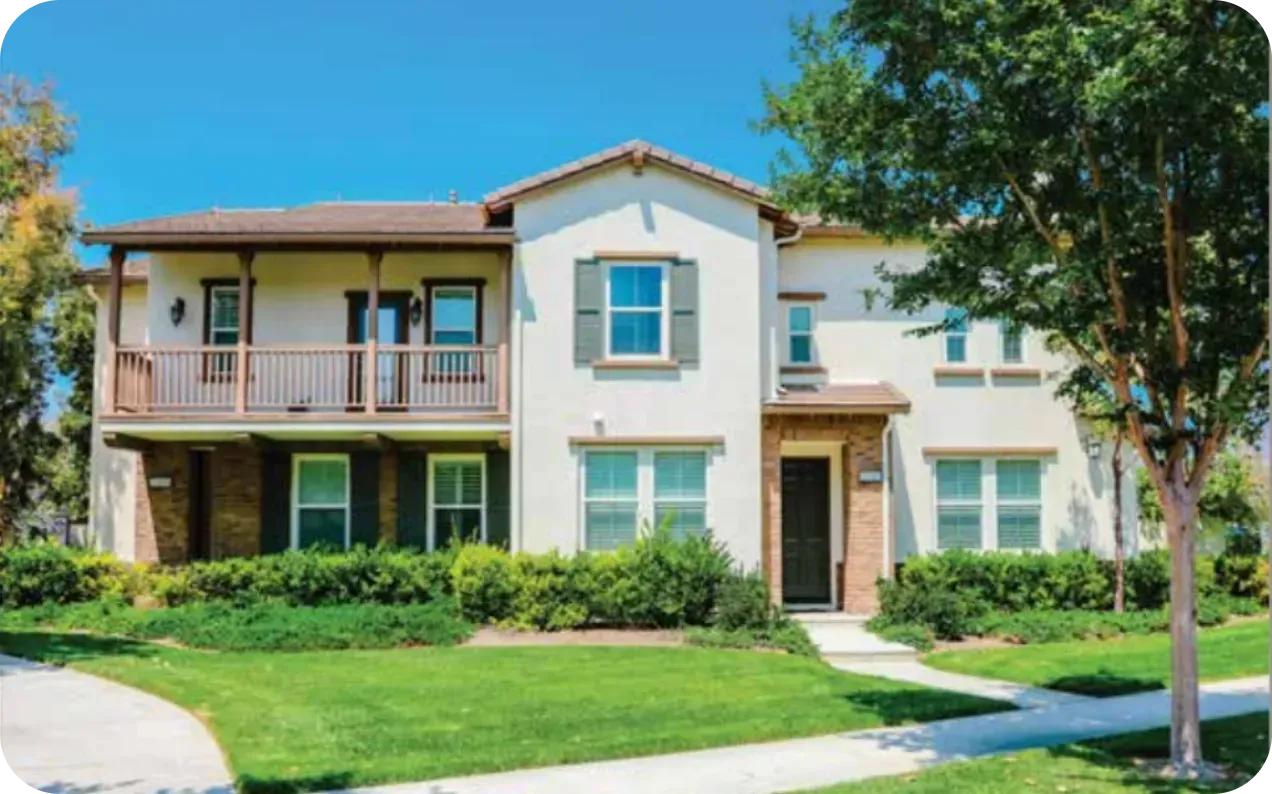
Verifying an HOA contractor before awarding a reconstruction contract means checking more than a reference list. This step-by-step guide covers credentials, project fit, and occupied-community experience. Trusted by HOA boards nationwide.
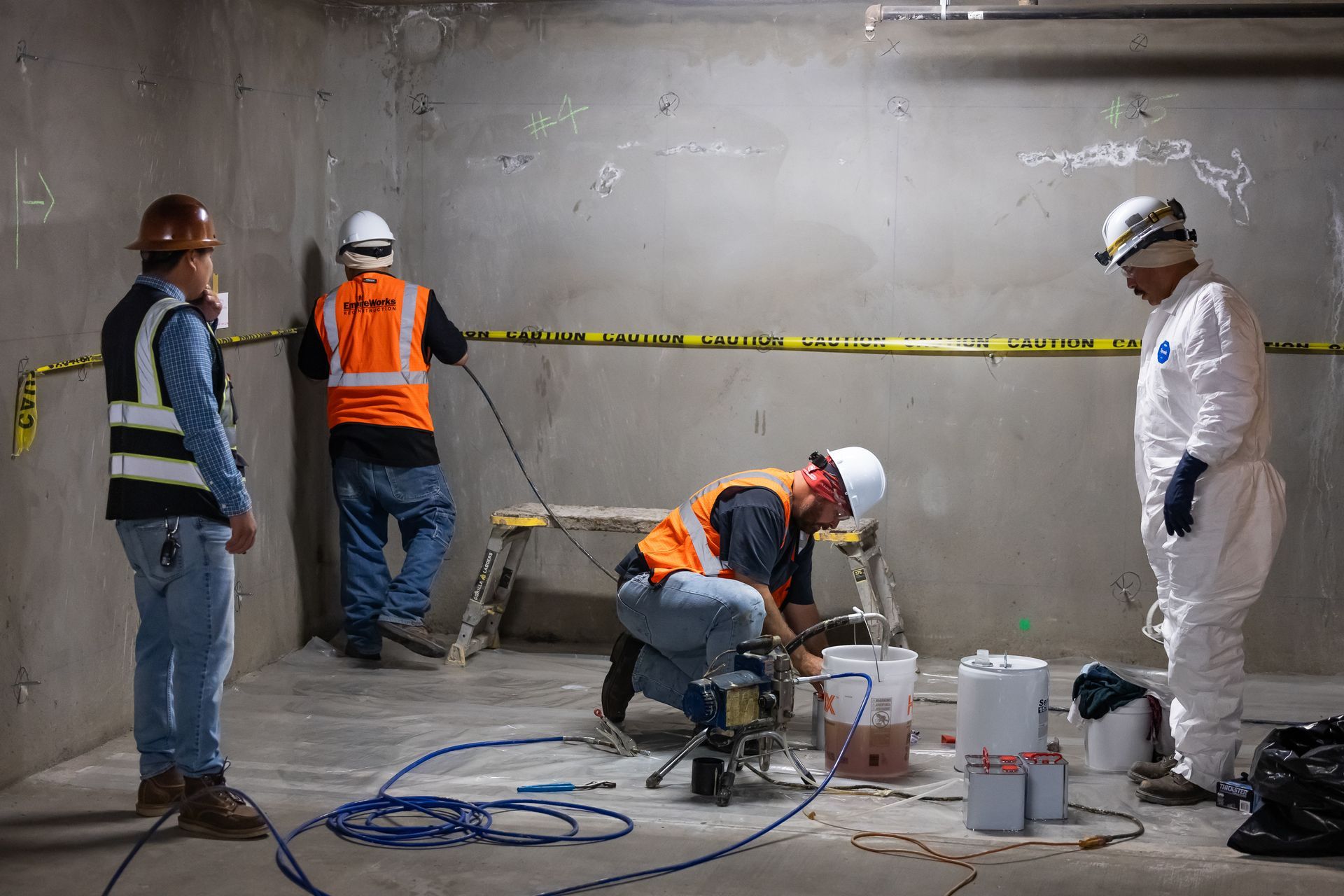
Suspect a construction defect in your HOA community? This guide covers defect assessment, statute of repose deadlines, HOA reconstruction contractor vetting, and reading contractor reviews before you commit. Trusted by HOA boards nationwide.
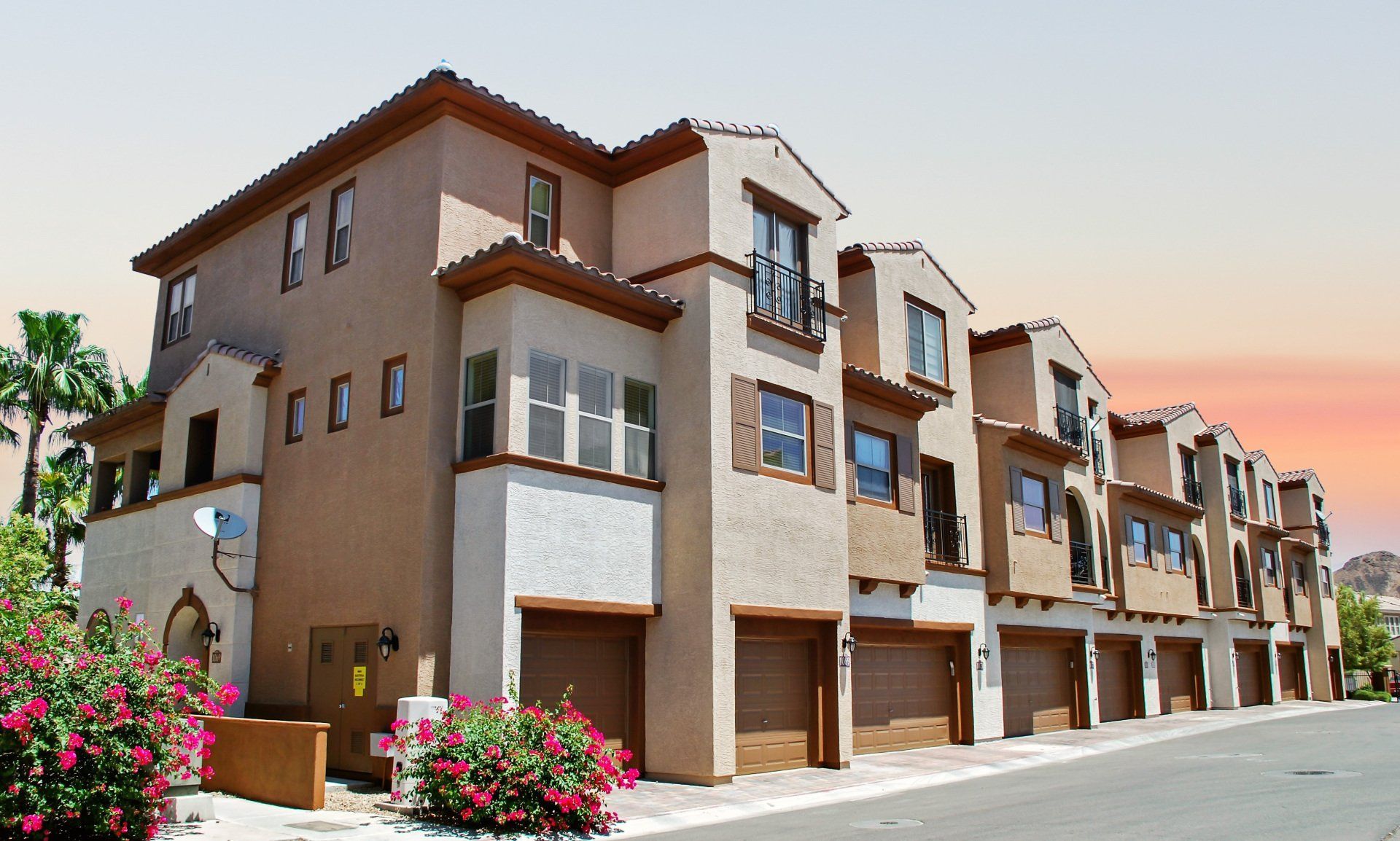
Choosing a condominium reconstruction contractor for an occupied community? This guide breaks down how to vet condo repair contractors on scope, safety, communication, and compliance. Trusted by HOA boards nationwide.

Texas Insurance Code Chapter 542 gives carriers 15 days to acknowledge a roof claim, 15 business days to accept or reject, and 5 to pay. Learn the 18% penalty, 61-day pre-suit notice, why roofers can't adjust claims, and why no one waives your deductible. EmpireWorks documents storm damage. Request a roof assessment.
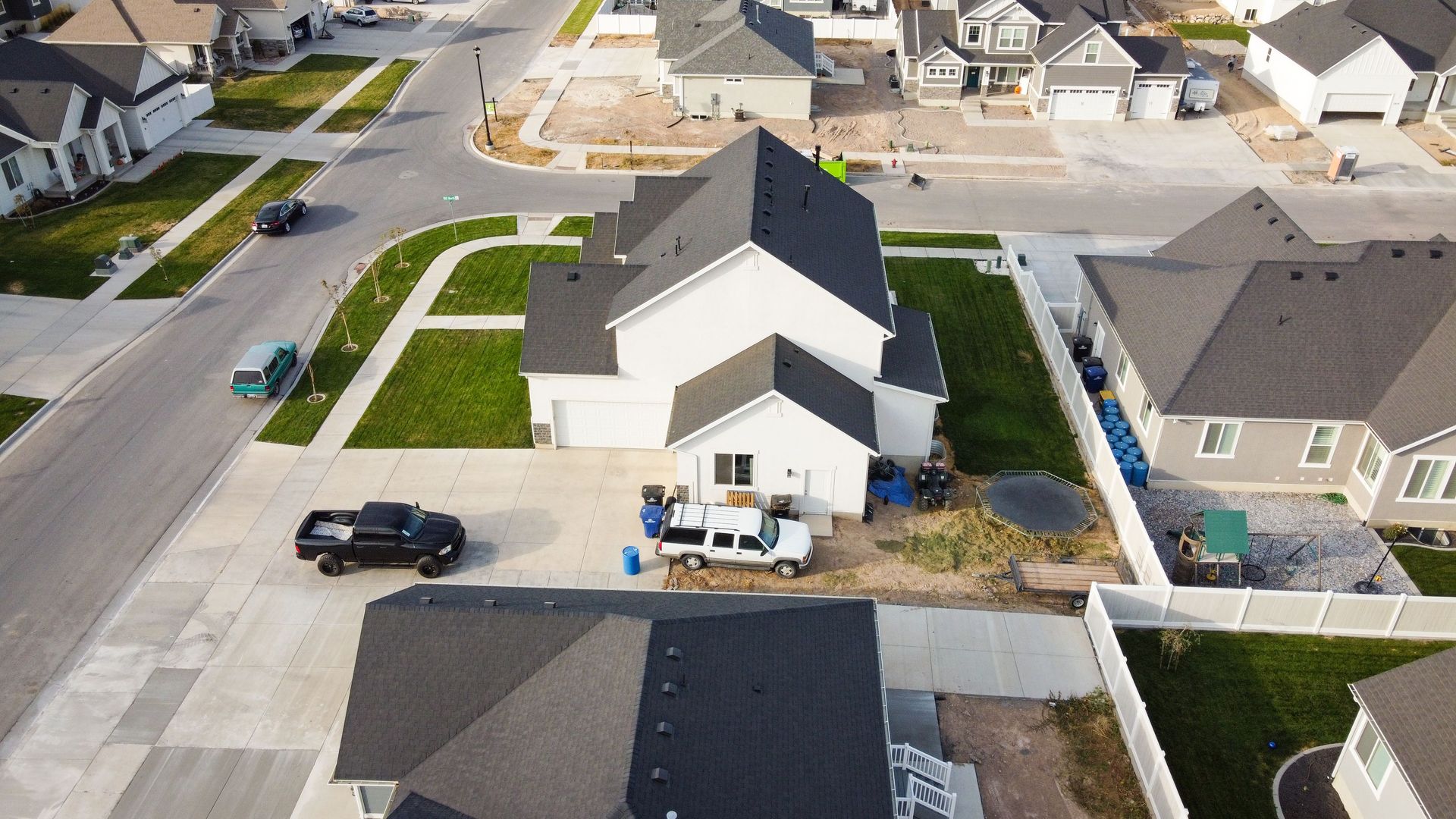
Texas Property Code Sec. 209.0052 requires HOAs to bid service contracts over $50,000. Learn interested-party contract conditions, open meeting rules on emergency assessments, solar provisions HOAs can't override, and why Chapter 209 skips condos. EmpireWorks builds a roofing scope worth bidding. Request an assessment.