HOA Reconstruction vs. Maintenance: When Does Your Community Need Major Work?
As an HOA board member or property manager, one of your most critical decisions is knowing when your community needs more than routine maintenance. Understanding the difference between ongoing repairs and full reconstruction can save your community hundreds of thousands of dollars—and prevent emergency situations that disrupt residents' lives.
At EmpireWorks, we've completed over 10,000 reconstruction projects for HOA and multifamily communities across
multiple locations nationwide. Here's what we've learned about when communities need reconstruction, how to plan it successfully, and why specialized expertise matters.
Understanding the Difference: Maintenance vs. Reconstruction
The line between maintenance and reconstruction isn't always clear, but understanding the distinction is crucial for proper budgeting, planning, and protecting your property investment.
What is Routine Maintenance?
Routine maintenance involves regular upkeep and minor repairs that keep building systems functioning properly. This includes activities like:
- Repainting exterior surfaces on schedule
- Cleaning gutters and drains
- Replacing individual damaged boards or trim
- Sealing minor cracks in concrete or stucco
- Maintaining landscape and irrigation systems
- Servicing HVAC systems
- Repairing individual balcony deck coatings
Maintenance is proactive, relatively affordable, and extends the life of your building systems when done consistently.
What is Reconstruction?
Reconstruction goes beyond maintenance—it's the comprehensive restoration or rebuilding of building systems and structures that have reached the end of their useful life, sustained significant damage, or were improperly constructed initially.
Reconstruction typically involves:
- Complete replacement of building envelope systems (EIFS, stucco, siding)
- Structural repairs to balconies, decks, or building framing
- Full waterproofing system replacement
- Comprehensive civil work (retaining walls, drainage, paving)
- Construction defect remediation
- Major wood framing repairs or replacement
- Complete
roofing system replacement
The key difference: maintenance fixes individual issues as they arise, while reconstruction addresses systemic failures or end-of-life building components.
When Does Your Community Need Reconstruction?
Based on our experience with thousands of HOA and multifamily properties, here's a decision framework to help you determine when reconstruction is necessary.
Maintenance is Appropriate When:
- Issues are cosmetic or localized - A few damaged boards, isolated paint peeling, or individual repair needs
- Systems function within expected parameters - No widespread failures or safety concerns
- Repairs cost less than 30% of replacement value - The "repair vs. replace" calculation favors maintenance
- Expected lifespan extends 5+ years - Your reserve study shows systems have useful life remaining
- No code compliance issues exist - Everything meets current safety standards
Reconstruction is Needed When:
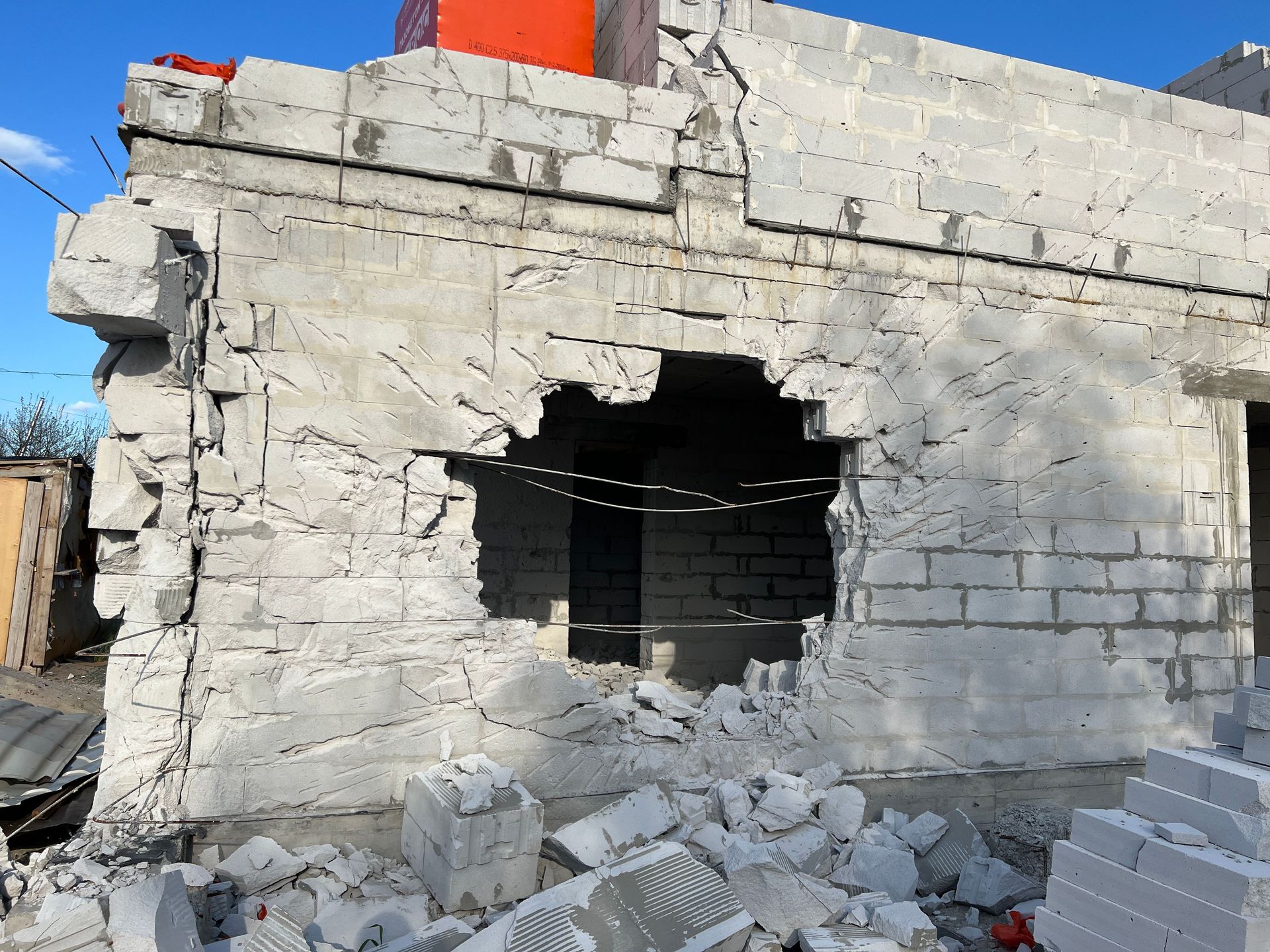
- Structural integrity is compromised - Cracking, movement, or deterioration affecting building stability
- Systems have exceeded useful life - Your reserve study identifies end-of-life components
- Repair costs exceed 50% of replacement - You're throwing good money after bad
- Repeated repairs in the same areas - Temporary fixes that keep failing indicate systemic issues
- Failed compliance inspections - Mandatory work like California's SB-326 balcony inspections
- Safety hazards are present - Immediate risk to residents requires comprehensive action
- Multiple related systems are failing - Cascading problems indicate larger issues
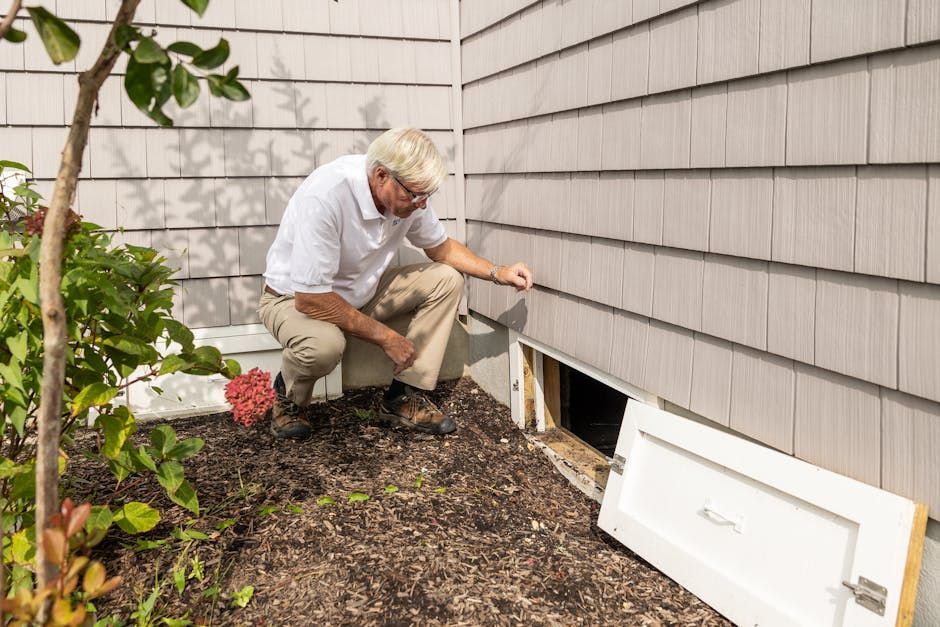
Critical Warning Signs Your Community Needs Reconstruction
Don't wait for catastrophic failure. These warning signs indicate it's time to plan reconstruction:
1. Water Intrusion or Moisture Damage
Water is the enemy of every building system. If you're seeing:
- Staining on interior walls near exterior surfaces
- Mold or mildew in common areas
- Peeling paint that returns shortly after repainting
- Soft or spongy wood framing
- Standing water on balconies or decks
- Efflorescence (white powdery deposits) on masonry
These aren't maintenance issues—they're symptoms of failed waterproofing systems that require reconstruction. Water intrusion causes nearly 20% of all property insurance claims and only gets worse over time.
2. Structural Cracks or Movement
Not all cracks are created equal. Hairline cosmetic cracks differ from structural issues:
Concerning signs include:
- Cracks wider than 1/4 inch
- Cracks that run diagonally across walls
- Doors or windows that no longer close properly
- Separation between building components
- Visible deflection or sagging in floors or ceilings
- Balcony railings that feel loose or unstable
These require immediate professional evaluation and often indicate the need for structural reconstruction.
3. Failed or Failing Compliance Inspections
Many states now mandate regular inspections of critical building components:
- California SB-326: HOA buildings with 3+ stories must inspect balconies and elevated structures every 9 years
- California SB-721: Similar requirements for apartment buildings
- Florida 40-year recertification: Comprehensive structural inspections
- Local building department violations: Code compliance issues requiring correction
Failed inspections aren't suggestions—they're legal requirements that typically mandate reconstruction, not just maintenance.
4. Deterioration Affecting Property Values
Visible deterioration hurts marketability and property values:
- Extensive paint failure or discoloration
- Damaged or missing siding
- Crumbling stucco or masonry
- Deteriorated balcony surfaces
- Failing landscape retaining walls
- Poorly maintained parking areas
When potential buyers or renters see these issues, they assume deeper problems exist—and they're often right.
5. Reserve Study Identifies End-of-Life Components
Your reserve study is your roadmap. When it shows components have reached or exceeded their useful life expectancy, reconstruction planning should begin immediately.
Common end-of-life timelines:
- Roof systems: 15-25 years
- Deck waterproofing: 5-15 years
- EIFS/Stucco systems: 20-30 years
- Wood siding: 20-40 years
- Concrete structures: 30-50 years (but can fail earlier)
- Asphalt paving: 15-20 years
Common Reconstruction Projects and When You Need Them
Balcony and Deck Reconstruction
You need this when: Balcony inspections reveal structural deterioration, water intrusion is occurring, deck surfaces are failing, or you're facing SB-326/SB-721 compliance requirements.
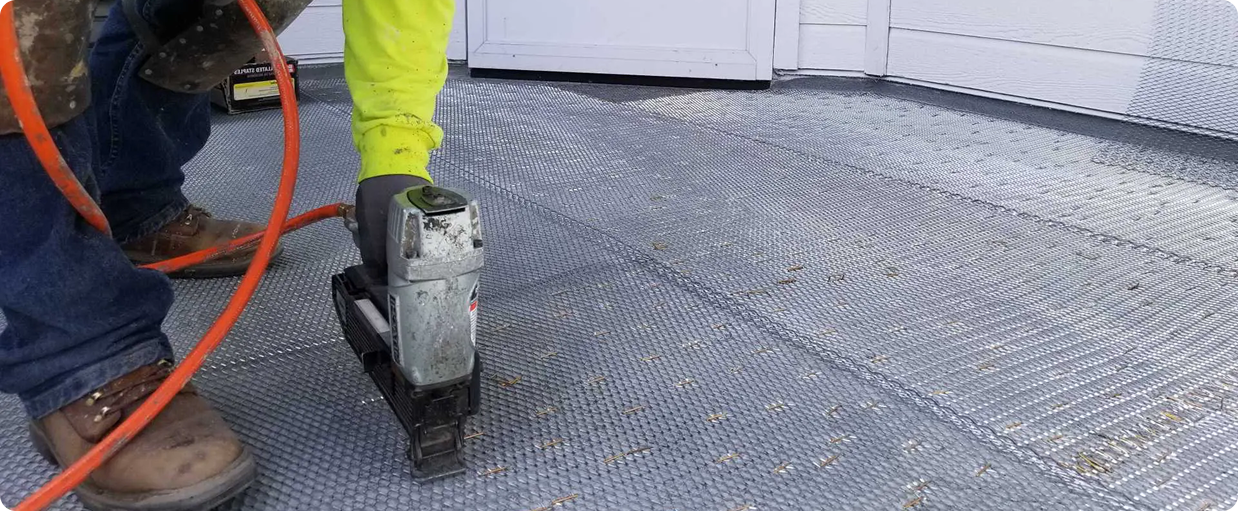
What's involved: Our teams remove deteriorated deck surfaces, repair or replace structural framing, upgrade waterproofing membranes, install new walking surfaces, and ensure proper drainage—all while residents remain in their units.
Timeline: Typically 2-6 months depending on building size and number of balconies.
Building Envelope Reconstruction
You need this when: EIFS, stucco, or masonry systems show widespread cracking, water intrusion behind exterior walls, or have exceeded their useful life.
What's involved: Complete removal and replacement of exterior cladding systems, new weather-resistant barriers, proper flashing installation, and modern materials designed for your specific climate conditions.
Timeline: Major envelope projects take 6-18 months for large communities.
Waterproofing System Reconstruction
You need this when: Water staining appears on interior surfaces, deck coatings are failing community-wide, or below-grade areas show moisture intrusion.
What's involved: Complete waterproofing membrane replacement, proper substrate preparation, drainage improvements, and premium coating systems with manufacturer warranties.
Timeline: 3-8 months depending on scope and weather conditions.
Construction Defect Reconstruction
You need this when: Your community was built with substandard materials, improper construction methods, or code violations that cause ongoing problems.
What's involved: Comprehensive reconstruction that corrects original deficiencies—often including structural repairs, waterproofing replacement, and building envelope reconstruction. Our Colorado team alone has led over $50 million in construction defect projects.
Timeline: Large defect projects span 12-24 months and often involve litigation funding.
Civil Reconstruction
You need this when: Retaining walls are failing, drainage systems aren't functioning, parking areas have extensive damage, or site grading causes water problems.
What's involved: Our civil reconstruction services include engineered retaining wall replacement, comprehensive drainage system installation, asphalt and concrete paving, landscape grading corrections, and underground storm drainage systems.
Timeline: Civil projects range from 2-12 months depending on complexity.
Planning Your HOA Reconstruction Project
Successful reconstruction requires careful planning. Based on thousands of projects, here's our recommended approach:
Phase 1: Assessment and Scope Development (2-4 weeks)
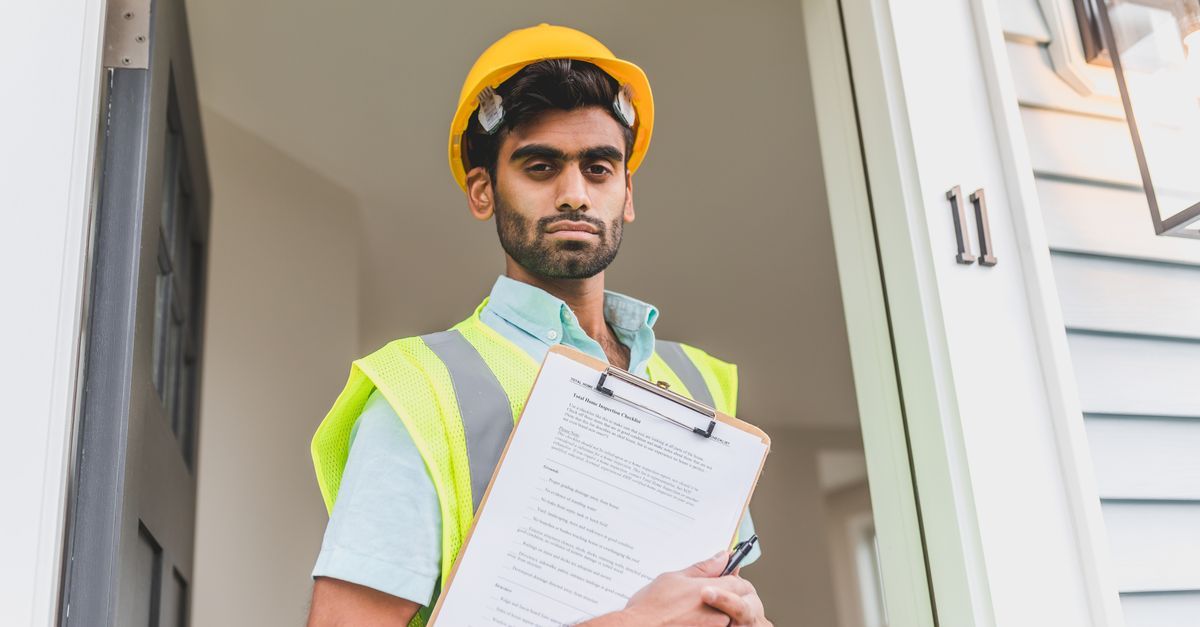
- Professional site inspection by certified inspectors
- Intrusive testing to identify hidden issues
- Detailed scope development
- Preliminary cost estimation
- Reserve study review
Phase 2: Financing and Board Approval (4-8 weeks)
- Review funding options (reserves, special assessment, loans)
- Obtain detailed proposals from qualified contractors
- Board review and approval process
- Resident communication planning
- Financing arrangements if needed
Phase 3: Contractor Selection (3-4 weeks)
- Develop detailed specifications
- Qualified contractor bidding
- Reference checking and license verification
- Contract negotiation and execution
Phase 4: Project Execution (Varies by scope)
- Detailed resident notification
- Phased construction scheduling for minimal disruption
- Regular progress updates
- Quality control inspections
- Final completion and warranty activation
Phase 5: Closeout and Documentation (1-2 weeks)
- Final building department inspections
- Warranty documentation delivery
- Community restoration
- Reserve study update
Financing HOA Reconstruction Projects
Major reconstruction often requires funding beyond monthly reserve contributions. Common financing options include:
Reserve Fund Utilization
Best option when: Your reserves are adequately funded for the needed work.
Advantages: No interest costs, immediate availability, no homeowner vote typically required.
Limitations: May not be sufficient for large projects, depletes reserves for other needs.
Special Assessments
Best option when: Work is urgent and reserves are insufficient.
Advantages: Spreads costs among current owners who benefit from improvements.
Limitations: Can face homeowner resistance, may affect property sales during collection period, requires careful communication.
HOA Reconstruction Loans
Best option when: Large projects exceed available reserves and you want to preserve reserves for other needs.
Advantages: Spreads costs over time, minimal upfront impact to homeowners, preserves reserve funds.
Limitations: Requires reserve study and financial review, interest costs, ongoing monthly assessment increases.
Combination Approaches
Many communities use hybrid financing:
- Partial reserve fund utilization
- Smaller special assessment to reduce loan amount
- Loan for the remaining balance
EmpireWorks works with HOA-specialized lenders and can connect you with financing partners experienced in community reconstruction projects.
Why Choose a Specialized Reconstruction Company
Not all contractors can handle occupied community reconstruction. Here's what makes specialized companies different:
Occupied Community Expertise
Reconstruction in occupied buildings requires specialized knowledge:
- Resident communication protocols and access coordination
- Phased scheduling that minimizes disruption
- Noise and dust control procedures
- Safety protocols for construction near residential units
- Emergency response procedures
General contractors who typically work on empty buildings lack this critical experience.
Regulatory Compliance Expertise
Every jurisdiction has different requirements:
- California SB-326 and SB-721 inspection protocols
- State-specific building codes
- Local permitting processes
- HOA architectural review procedures
- Warranty requirements
With 18 divisions across 10 states, EmpireWorks maintains all required licenses and stays current with changing regulations in every market we serve.
National Resources with Local Knowledge
Major reconstruction projects require substantial resources:
- Financial stability to complete large projects
- Bonding capacity for multi-million dollar work
- Specialized crews for different trades
- Established supplier relationships
- Local market knowledge
EmpireWorks combines national scale ($140M+ annual revenue, 21+ years in business) with local expertise in every market we serve.
Comprehensive Service Offerings
Complex reconstruction projects often need multiple trades:
- Structural carpentry and framing
- Waterproofing specialists
- EIFS, stucco, and masonry experts
- Civil engineering and site work
- Roofing specialists
- Painting and coating professionals
Working with a single reconstruction company that self-performs multiple trades ensures better coordination, clearer accountability, and smoother project execution.
Common Mistakes to Avoid
We've seen these mistakes cost communities significantly:
1. Waiting Too Long to Act
Delaying reconstruction when it's needed doesn't save money—it increases costs. A $500,000 balcony reconstruction project can balloon to $800,000+ when structural damage spreads to building framing.
2. Choosing the Lowest Bid Without Vetting
The cheapest proposal often indicates:
- Missed scope items
- Lower quality materials
- Inexperienced contractors
- Insufficient insurance coverage
- Financial instability
Verify licenses, check references, review past projects, and ensure adequate insurance and bonding.
3. Inadequate Reserve Study Planning
Your reserve study should guide reconstruction planning. Update it regularly and fund it adequately to avoid emergency special assessments.
4. Poor Resident Communication
Residents who understand the need for reconstruction and the process are more supportive. Invest in clear, regular communication throughout the project.
5. Hiring General Contractors for Occupied Communities
Contractors who normally work on empty buildings or new construction lack the specific skills needed for occupied community reconstruction. The disruption, complaints, and safety issues will cost you more than hiring specialists from the start.
Questions to Ask Before Hiring a Reconstruction Contractor
Protect your community by asking the right questions:
- How many occupied community projects have you completed? Look for extensive experience specifically in HOA and multifamily reconstruction.
- Can you provide references from similar projects? Speak with property managers and board members from comparable communities.
- What is your approach to resident communication? Detailed communication plans should be standard.
- Do you carry adequate insurance and bonding? Verify general liability, workers compensation, and bonding capacity.
- How do you handle change orders? Clear processes prevent disputes and budget overruns.
- What warranties do you provide? Look for comprehensive warranties backed by material manufacturers.
- Who will be my point of contact? Dedicated project managers ensure clear communication.
- How do you handle safety in occupied buildings? Safety protocols should exceed OSHA requirements.
The EmpireWorks Advantage
Founded in 2002, EmpireWorks has become America's largest reconstruction company by focusing exclusively on occupied HOA, multifamily, and commercial properties.
Our track record:
- 10,000+ completed reconstruction projects
- $1.5 billion in completed work
- 20+ years of specialized experience
- 18 locations across Arizona, California, Colorado, Florida, Indiana, Nevada, Tennessee, Texas, Utah, and Wyoming
- Inc. 5000 fastest-growing companies (multiple years)
- 360+ five-star reviews from property managers and HOA boards
- Trusted by Associa, FirstService Residential, Greystar, AvalonBay, Camden, and 50+ other major property management companies
What sets us apart:
- Safety-first culture with protocols exceeding OSHA standards
- Dedicated project managers for every community
- Comprehensive services from inspection through warranty
- Financial stability to guarantee project completion
- Specialized crews for occupied community work
- National resources with local expertise in every market
Take Action Before Small Problems Become Major Emergencies
The difference between maintenance and reconstruction isn't always obvious, but the consequences of waiting too long are clear: higher costs, emergency situations, resident complaints, and potential liability issues.
If you're seeing warning signs or simply want an expert evaluation of your community's needs, EmpireWorks offers complimentary property assessments.
Our assessment includes:
- Comprehensive site inspection
- Identification of current and potential issues
- Maintenance vs. reconstruction recommendations
- Detailed scope and cost estimates
- Financing options discussion
- No obligation—just honest expert guidance
Contact us today:
- Call: (888) 278-8200
- Email: info@empireworks.com
- Text: (949) 430-6650
Serving communities across Arizona, California, Colorado, Florida, Indiana, Nevada, Tennessee, Texas, Utah, and Wyoming with the reconstruction expertise your property deserves.