How to Plan HOA Reconstruction in 2026: A Board Member’s Complete Guide
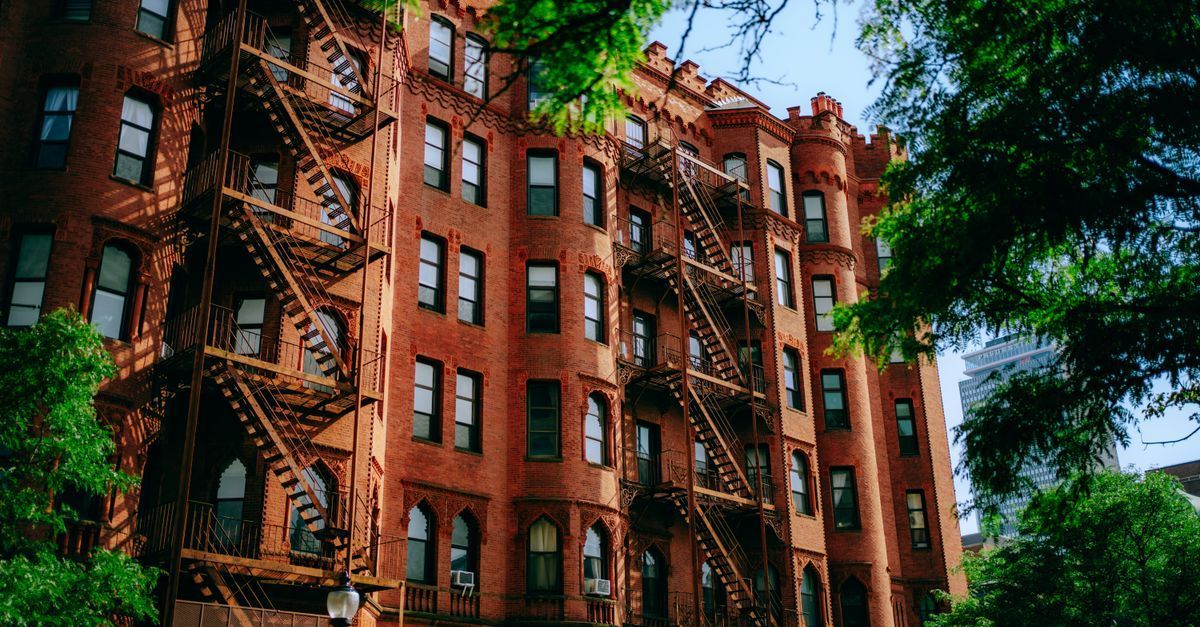
Aging multi-building communities face a hard truth: deferred maintenance compounds. What starts as a cracked pool deck or faded common area siding quietly becomes a liability exposure, an HOA dues fight, and eventually a project that costs three times what it would have a decade ago. HOA reconstruction services exist precisely to break that cycle, but only when boards approach them with a disciplined plan.
This guide is written for HOA property managers and board members who are already past the point of “maybe someday” and are asking the right question: how do we actually execute this? We’ll walk through phased project scoping, how to evaluate a condo renovation contractor, community amenities upgrades that drive real property value, and the resident communication controls that keep a reconstruction project from fracturing your community.
Understanding the Scope of HOA Reconstruction in Multi-Building Communities
The term “reconstruction” covers a wide spectrum. At the lighter end, it means targeted repairs to building envelopes, including roofing, siding, stucco, and balconies. At the heavier end, it includes full-gut amenity renovations, ADA compliance retrofits, and structural remediation triggered by reserve study findings or engineering reports. Before a board can engage a condo renovation contractor, it needs a clear answer to one question: what category does our project actually fall into?
Common reconstruction triggers in aging residential complexes:
- Reserve study shortfalls that have pushed critical systems past useful life
- Insurance carrier inspections flagging deferred exterior maintenance
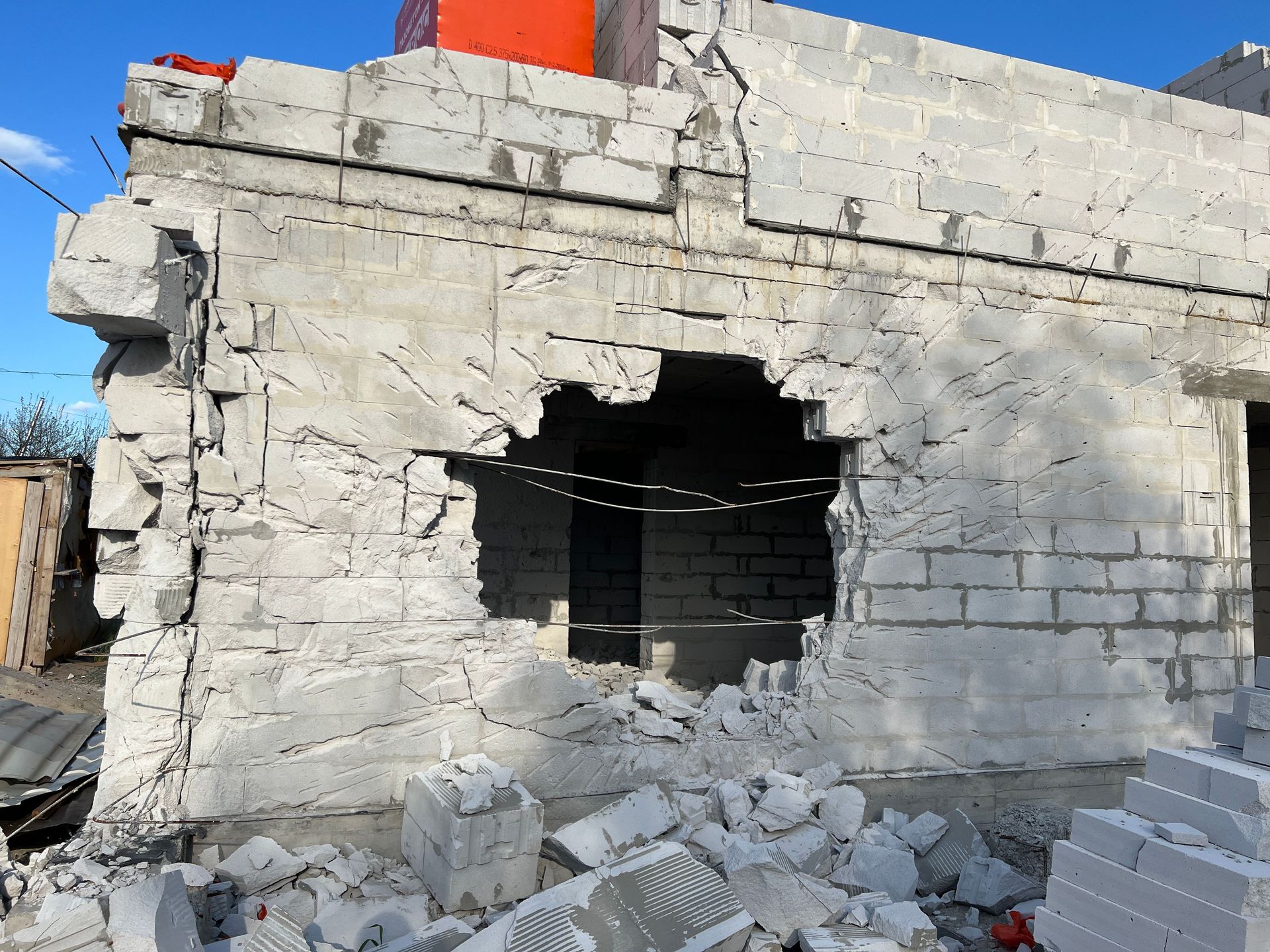
- Post-storm damage requiring coordinated multi-building repair
- Community amenities upgrades driven by resident retention or comp community pressure
- Regulatory changes (energy codes, fire suppression requirements, ADA) mandating retrofits
Each trigger carries a different urgency profile and, critically, a different budget justification to residents. Boards that conflate them by treating a code-compliance project like a discretionary amenity upgrade, often generate unnecessary resident opposition before the project even starts.
Phased Project Scoping: How to Structure a Multi-Building Reconstruction
Large HOA reconstruction projects fail most often not because of contractor problems but because of scope instability. The board approves one thing, the property manager communicates another, and the contractor bids a third. Phased scoping eliminates that drift.
Phase 1: Engineering Assessment and Prioritization
Before any contractor is approached, commission an independent engineering assessment of all structures and shared systems. This report becomes the objective foundation for everything that follows. It removes board subjectivity from scope decisions and gives your HOA management services team a defensible document when residents challenge the project’s necessity.
Before any contractor is approached, commission an independent engineering assessment of all structures and shared systems. This report becomes the objective foundation for everything that follows. It removes board subjectivity from scope decisions and gives your HOA management services team a defensible document when residents challenge the project’s necessity.
The assessment should deliver:
- Condition rating for each building envelope component (roof, siding, balconies, foundations)
- Remaining useful life estimates by system
- Priority ranking: life safety → code compliance → structural integrity → aesthetics/amenities
- Rough cost ranges to allow reserve fund cross-referencing before you build a bid package
Phase 2: Scope Bundling and Budget Alignment
Once priorities are ranked, the board can bundle work intelligently. The goal is to maximize contractor mobilization efficiency. Every time a crew mobilizes to a property, you’re absorbing overhead costs. Grouping roofing, wood replacement, and high reach work into a single mobilization often reduces total project cost by 15–25% compared to handling each system separately.
At this phase, boards should also separate must-do work from want-to-do work in the written scope. Community amenities upgrades such as clubhouse renovations, updated fitness areas, and resurfaced common area hardscape may be desirable but should never be bundled with structural or life-safety work in a way that obscures their cost to residents.
Phase 3: Bid Package Preparation
A well-prepared bid package is the single greatest investment a board can make before selecting a condo renovation contractor. Vague scopes produce vague bids, and vague bids produce change order-laden projects. The package should include itemized specs (not just descriptions), material standards with approved equivalents listed, site access rules, phasing requirements, and performance milestones tied to payment.
Contractor Evaluation Criteria for HOA Reconstruction Services
Must-Have Qualifications
- HOA or community association experience. Ask for a list of HOA projects with contact names for board members, not just the property manager. Board members will tell you things property managers won’t.
- Multi-building project management capability. Confirm they have a dedicated project manager (not just a foreman) who will be on-site or accessible daily. Ask for their communication protocol.
- Adequate bonding and insurance. For multi-building projects, require a minimum $2M general liability policy and a performance bond on contracts above $500K. Verify both directly. Don’t accept certificates without confirming with the insurer.
- Phased execution track record. Can they work around occupied units? Ask specifically how they handle noise windows, access scheduling, and emergency work requests from residents mid-project.
- Lien waiver management process. HOA boards are exposed to mechanic’s liens from subcontractors and suppliers if the GC doesn’t manage them. Ask how they document and provide conditional and unconditional lien waivers.
Red Flags in the Bid Process
- Bids that are dramatically lower than others (typically more than 25% below the median) without a clear explanation of the scope difference
- Contracts with open-ended change order language that doesn’t require written approval before work proceeds
- Contractors who push back on phased payment tied to milestones
- No documented safety plan for occupied multi-building communities
- Inability to provide insurance certificates directly from their carrier within 48 hours
Community Amenities Upgrades: What Actually Moves Property Values
When a reconstruction project creates the opportunity for community amenities upgrades, boards face a classic challenge: every resident has a preference, but the reserve fund has a limit. The upgrades that deliver the best combination of resident satisfaction, property value impact, and durability tend to fall into three categories.
High-ROI Amenity Upgrades
Pool and outdoor common areas. Pool deck resurfacing, updated furniture, shade structures, and LED lighting upgrades consistently rank as the highest-impact amenity investments in community surveys. They’re highly visible, used by the broadest cross-section of residents, and photograph well for listing agents.
Fitness and wellness spaces. Updated fitness equipment, improved flooring, and better ventilation in fitness facilities are low-cost relative to their impact on younger resident demographics. If your community is competing for renters or buyers against newer builds, this is where the gap shows.
Entry and curb appeal elements. Monument signage, entry gate upgrades, landscaping renovation, and exterior lighting improvements affect every prospective buyer’s first impression before they step inside any unit. The ROI here is disproportionately high relative to cost.
EV charging infrastructure. In communities where parking is assigned or structured, the decision to include EV charging conduit during a reconstruction project, even if units aren’t installed immediately, is far cheaper than retrofitting later. This is a 2026 planning reality, not a premium feature.
Amenity Upgrades That Often Underperform
- Elaborate clubhouse renovations in communities with low clubhouse utilization
- Technology features (smart locks, package lockers) implemented without an ongoing maintenance and vendor support plan
- Cosmetic landscaping overhauls that don’t address drainage or irrigation. They look great at ribbon-cutting and deteriorate within two seasons
Resident Disruption Controls: Protecting Community Relationships During Construction
Multi-building HOA reconstruction projects introduce a communication challenge that most boards underestimate. Residents don’t just experience the noise and access interruptions. They also fill information vacuums with assumptions, and those assumptions tend to be negative. The boards that survive reconstruction projects with community trust intact are the ones who over-communicate with precision.
Before the Project Starts
- Hold an all-resident meeting before any work begins. Present the scope, timeline, noise windows, parking impacts, and access restrictions. Answer every question in writing through a project FAQ document published to the community portal.
- Establish a single communication channel. Whether it’s a dedicated project email, a community app thread, or a monthly newsletter, residents need to know exactly where to go for updates, and they need to get them proactively, not by asking to get them proactively, not by asking.
- Map and disclose all access restrictions upfront. Parking losses, elevator reservations for material delivery, pool or amenity closures, and temporary fencing should all be in writing with dates before a single tool touches the property.
During the Project
- Weekly project updates. Even when nothing major has changed, send a brief status update. Silence breeds speculation. A short “this week we completed Buildings 3 and 4, next week we move to Building 5” message costs nothing and prevents twenty inquiries.
- 24-hour notice for unit-specific access. If work requires access to individual units or patios, written notice 24 hours in advance is both a legal protection and a courtesy. Don’t let the contractor waive this.
- Designated resident contact at the contractor. Residents who have complaints should have a name and phone number for the contractor’s project manager, not just an HOA management services line that routes back to a voicemail.
- Document completion building by building. Photograph and document condition before and after each building. This protects both the HOA and the contractor, and gives boards tangible progress evidence to share with residents.
HOA Capital Improvements Budget Planning: Funding the Project Right
Even a perfectly scoped, well-bid reconstruction project fails if the funding mechanism isn’t solid. HOA capital improvements of significant scale typically draw from one or more of three sources: the operating reserve, a special assessment, or an HOA loan. Each has different implications for resident relationships and legal process.
Reserve fund drawdown is the cleanest path when the reserve study anticipated the cost and the fund is adequately capitalized. The political friction is lowest because residents have already been contributing to this purpose. However, large drawdowns may require a vote depending on your governing documents and state law.
Special assessments are appropriate when reserve funds are insufficient and the work cannot be deferred. They are politically difficult but legally defensible when the board has done its engineering homework and can demonstrate why the work is necessary and non-discretionary. Document everything before the assessment vote.
HOA loans have become increasingly common for major HOA reconstruction services projects. Lenders who specialize in community association financing can fund the project in full, with repayment structured through a temporary monthly dues surcharge spread over 3–10 years. For large multi-building renovations, this approach can avoid the backlash of a large lump-sum special assessment.
Whichever funding mechanism the board chooses, engage an attorney with HOA experience before the vote. State laws governing special assessments, reserve fund withdrawals, and financing vary significantly, and procedural errors can expose board members to personal liability.
Choosing the Right HOA Management Services Partner for Reconstruction Projects
Most community associations work with an HOA management services company for day-to-day operations, but reconstruction projects require a different level of engagement than routine property management. Not every management company is equipped to serve as an owner’s representative on a multi-building condominium renovation. Boards should evaluate this explicitly before a project begins.
A management company serving as the board’s project liaison should be able to: review and compare bids on a line-item basis, coordinate construction draws against payment milestones, manage resident communications at a frequency the board cannot sustain alone, and escalate scope change requests to the board before they become approved by default.
If your current management company hasn’t handled a project of this scale, consider whether they’re the right partner for the construction phase specifically, even if they remain the right partner for ongoing operations. Some boards hire a separate owner’s representative or construction manager for the project duration.
Realistic Timeline Benchmarks for Multi-Building HOA Reconstruction
One of the most common mistakes boards make is presenting optimistic timelines to residents before the project reality is clear. Under-promise and over-deliver. Here’s what realistic planning typically looks like for a multi-building community reconstruction project:
- Engineering assessment and report: 4–6 weeks
- Bid package preparation: 3–4 weeks
- Bid solicitation and contractor evaluation: 4–6 weeks (allow for addenda and clarification meetings)
- Contract negotiation and board approval: 2–3 weeks
- Permitting (if required): 4–16 weeks depending on jurisdiction and project type
- Construction: Varies significantly by scope. A 10-building community exterior renovation might run 6–9 months. A full amenity renovation package could extend to 12–18 months.
Add these phases together and most boards discover the project they want to “start this spring” realistically begins construction in the fall. That is not a problem. It’s information. Better to know it in January than to discover it in May when residents are asking why the pool deck isn’t done.
Frequently Asked Questions About HOA Reconstruction Services
What is the difference between HOA reconstruction and routine maintenance?
Routine maintenance is ongoing upkeep, including landscaping, janitorial, and minor repairs, funded from the operating budget. HOA reconstruction services involve capital-scale repairs or replacements that restore or improve the structural integrity, envelope performance, or amenity quality of the community. Reconstruction is typically funded from the reserve account or through special assessments and HOA loans.
How do we handle residents who resist a special assessment for reconstruction?
Resistance to special assessments is almost always a communication problem before it becomes a governance problem. Boards that pre-empt resistance with engineering reports, third-party cost estimates, deferred-cost comparisons (what does it cost if we wait?), and clear documentation of the legal necessity tend to encounter far less opposition. Present the case in writing before any vote, and allow time for questions.
Can we phase HOA reconstruction to reduce annual budget impact?
Yes, and it is often the right approach, but only when phasing doesn’t increase total cost. Deferring life-safety work to save money in year one is rarely defensible. Deferring discretionary community amenities upgrades while completing structural work is entirely reasonable and often makes the project politically easier to pass.
How do we qualify a condo renovation contractor for an HOA project?
Request a project list specific to HOA or community association work (not just multifamily residential), verify licensing and bonding in your state, confirm they carry adequate general liability and workers’ comp coverage, and speak directly with board members, not just property managers, from at least two prior projects of similar scale.
What role does the HOA management services company play in a reconstruction project?
The management company typically serves as the board’s day-to-day liaison during construction, coordinating access, managing resident communications, reviewing payment applications, and escalating issues. On larger projects, boards may also retain an independent owner’s representative with construction management experience to supplement the management company’s oversight.
Planning HOA Reconstruction Services: Where to Start
The boards that navigate HOA reconstruction services successfully share a common trait: they treat the planning phase as seriously as the construction phase. The work you do before a contractor is selected (the engineering assessment, the scope prioritization, the bid package, and the communication plan) is the work that determines whether your project finishes on time, on budget, and with your community intact.
If your community is facing aging residential complex challenges and you’re not sure where to begin, start with an independent engineering assessment. Everything else flows from that document. If you already have one and need help moving into the contractor evaluation or phased scoping stage, work with an experienced HOA management services partner who has handled multi-building property maintenance projects at scale.
HOA reconstruction is a significant undertaking, but it’s also one of the most direct ways a board can protect and grow the value of the community it serves. Plan carefully, communicate proactively, and hold your condo renovation contractor to the same standards you hold your board.